

Published September 17, 2026, 03:01 PM
The crisp air of a New England morning often brings with it anticipation, a feeling amplified by the promise of fresh snow reported on the local mountain. However, for many skiers and snowboarders, the reality of that first descent can sometimes diverge sharply from the printed word, leaving them to question the very definition of "powder." This discrepancy is not an act of deception, but rather a byproduct of the complex, dynamic, and often unpredictable nature of Eastern mountain conditions, a reality understood intimately by those tasked with compiling the daily Mountain Report.
For years, individuals like the author of the original piece were the unseen conduits between the raw elements of the mountain and the eager public. Their role involved translating the mountain’s ever-shifting moods into concise, informative summaries designed to entice visitors to the slopes. This process, occurring before the sun had fully crested the horizon and before most of the public had enjoyed their first cup of coffee, was a daily race against time and an intricate dance with meteorological uncertainty. The Mountain Report, it must be understood, is not a forecast; it is a snapshot, a meticulously captured moment in time on a mountain that rarely stays still.
The Nuances of Eastern Powder
The allure of "powder" skiing, a term often associated with ethereal, floating descents, takes on a unique complexity in the context of New England. Unlike the consistent, deep accumulations found in some Western ranges, Eastern ski conditions are notoriously fickle. A seemingly promising snowfall can rapidly transform. The gentle descent of flakes might be followed by the abrasive force of wind, the chilling embrace of rain, or the unforgiving hardness of a deep freeze – sometimes all within a span of 24 hours, or even less. This rapid metamorphosis means that the mountain experienced by a skier arriving mid-morning can bear little resemblance to the conditions described in the early morning report.
The creation of these reports is a testament to organized chaos. While skiers are contemplating their day on the slopes, resort personnel are engaged in critical, time-sensitive operations. Ski patrol members are actively assessing the mountain for safety hazards, meticulously traversing trails and backcountry areas. Grooming crews are meticulously shaping the slopes, transforming moguls and uneven terrain into smooth corduroy. Snowmakers, in a constant battle against ambient temperatures, are strategically deploying their machinery to augment natural snowfall. Park crews are diligently constructing and refining terrain park features, ensuring a safe and engaging experience for freestyle enthusiasts.
Amidst this flurry of activity, the Mountain Report writer finds themselves in an internal dialogue, a quiet plea for the very information they are tasked with disseminating. "Hey… any chance someone can tell me what’s happening out there?" the internal monologue might read. This is not a reflection of apathy from operational staff, but a consequence of their primary focus: ensuring the resort can open safely and efficiently. Their immediate responsibilities, while crucial to the mountain’s operation, leave little time for detailed descriptive reporting.
The Information Chain: From the Field to the Screen
The objective of publishing the Mountain Report at least an hour before first chair creates a demanding timeline. Fortunately, a well-practiced routine, honed through countless early mornings, often underpins this process. While never consistently perfect, the coordination required to gather information from various departments and distill it into a coherent report is impressive, especially given the mountain’s perpetual subjection to the whims of New England weather.
The modern resort communication network is a symphony of digital and analog signals. The distinct chime of a Microsoft Teams notification often heralds an incoming update. Telephones ring incessantly, each call a potential source of vital intelligence. The crackle of radio chatter, even through a closed office door, carries snippets of information from the field. Updates flow in from ski patrol regarding trail conditions, from snowmaking regarding operational status and snow depth, from grooming detailing their progress, and from every other individual who has been on the mountain for hours before dawn, piecing together the day’s narrative.
Some mornings, this information arrives in a clear, structured manner. On others, it arrives in fragmented pieces, requiring significant interpretation and synthesis. The writer’s notes, intended to inform the public, might resemble a child’s abstract drawing, a jumble of observations and data points that need to be transformed into polished prose. The challenge lies in converting this raw, often disjointed, intelligence into a few neatly written paragraphs that can influence a skier’s decision to venture out or stay home.
Managing Expectations: The Art of Diplomacy in Reporting
The inherent challenges of this process naturally lead to a pertinent question: Is the Mountain Report intentionally misleading the public? The answer, from the perspective of those who compile these reports, is a resounding no. The report reflects what the writer knows at the moment of publication, based on the most accurate and timely intelligence available. The goal is to provide a quick, factual, and comprehensive overview of the mountain’s current state.
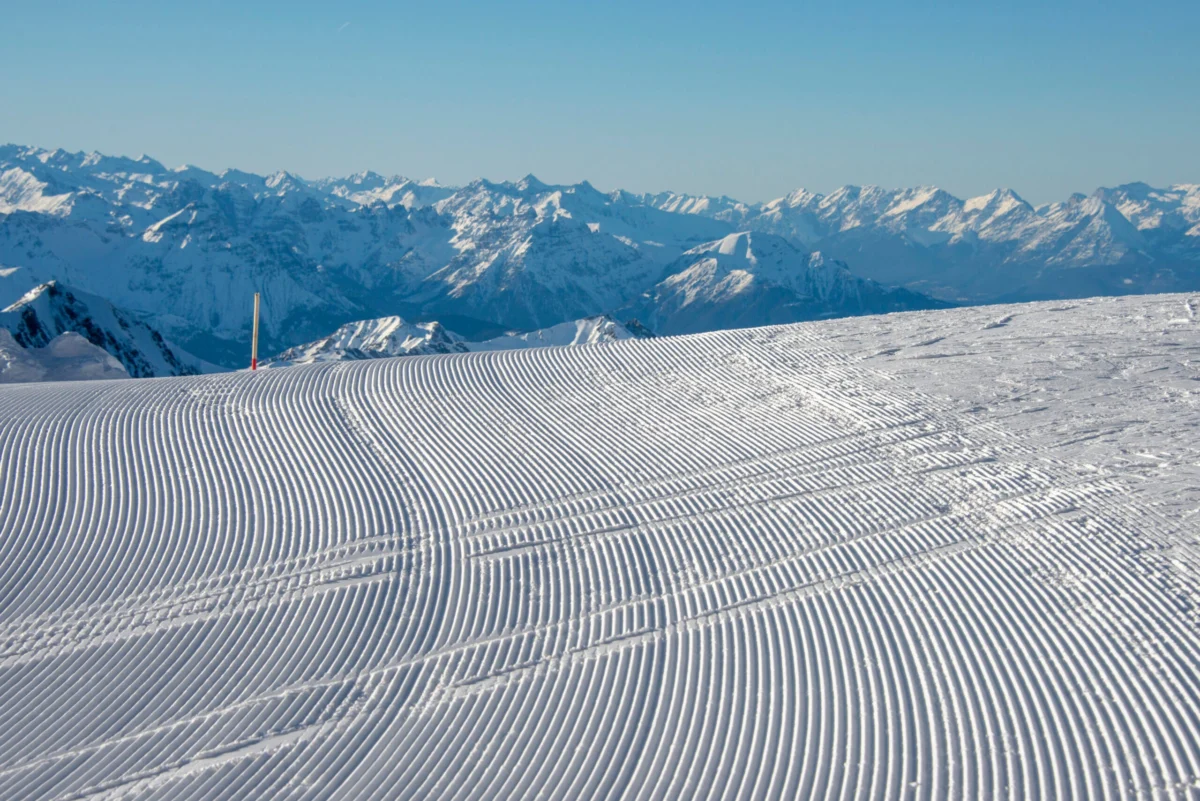
However, the language employed in these reports is often a carefully calibrated exercise in diplomacy. Phrases like "hard-packed" are euphemisms for icy conditions, subtly advising skiers to ensure their edges are sharp. "Warm precipitation" is a more palatable term for rain, a significant factor in altering snow texture. "Variable conditions" often signifies a mosaic of different snow types, requiring adaptability from the skier. The fundamental reality is that the mountain’s conditions are in constant flux, and the report is a static representation of a dynamic environment.
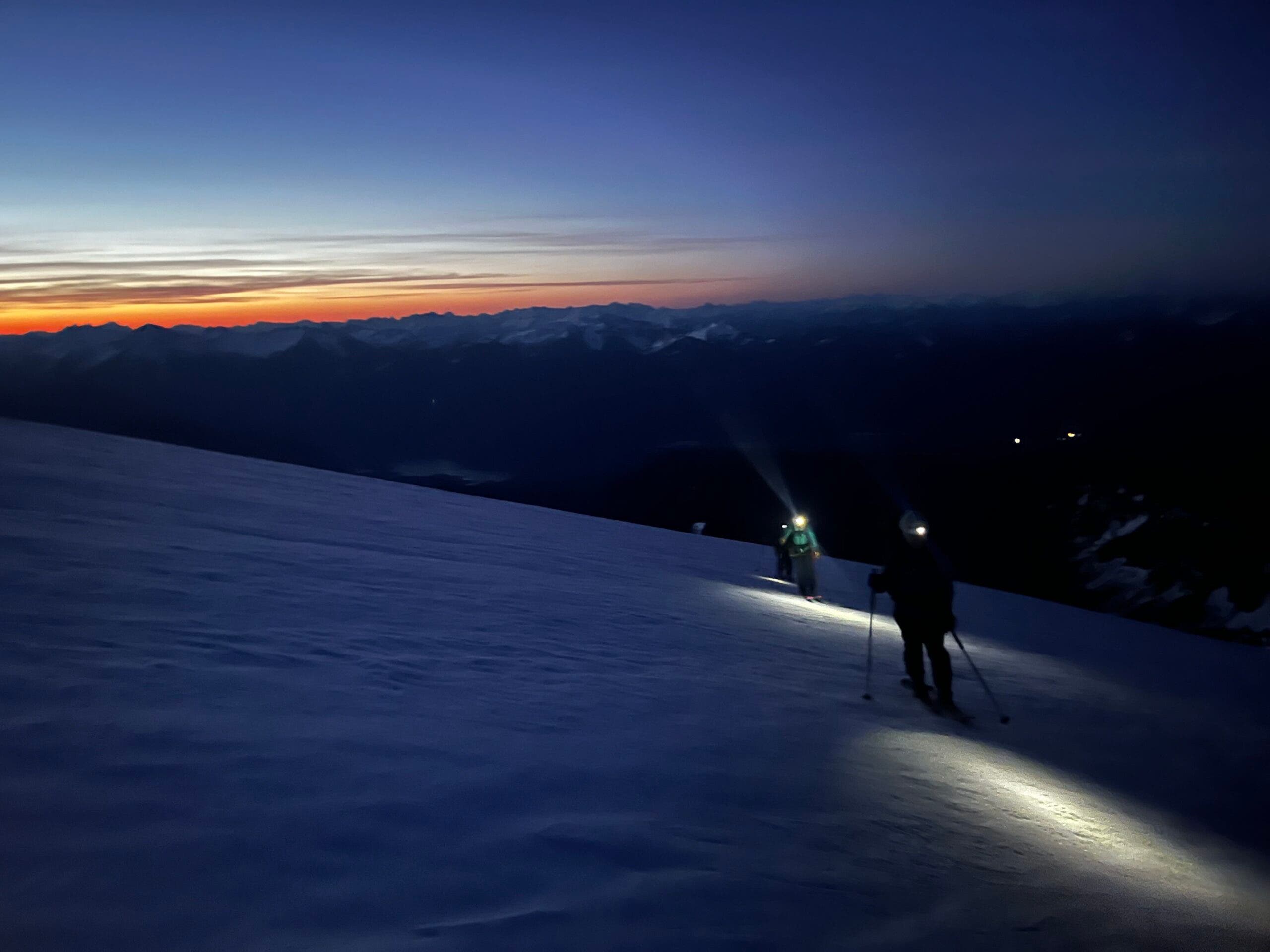
The six inches of powder reported at 7 a.m. might, by 9 a.m., have been significantly redistributed by 30-mile-per-hour winds, with much of it now residing in the trees. Trails open and close throughout the day based on patrol assessments and changing weather patterns. Wind speeds can escalate, and temperatures can plummet, all contributing to a rapid shift in the skiing experience. The Mountain Report, by its very nature, cannot instantaneously react to every micro-fluctuation in Mother Nature’s temperament. It serves as an outlook, a projection based on the mountain’s condition at the time of writing and the prevailing weather forecast, rather than an immutable guarantee of what awaits skiers at the lift line.
The Unsung Role of Expectation Management
For individuals responsible for informing thousands of skiers about the day’s potential experiences, a crucial realization emerges: they are not merely reporting conditions; they are actively managing expectations. This role often draws parallels to that of a head coach of a beloved sports team. When conditions are ideal, the report writer is lauded as a hero, their words contributing to a perfect day. Conversely, when the reality falls short of expectations, they can become the target of criticism, perceived as the architect of disappointment.
The passionate nature of New England sports fans is legendary, and this fervor often extends to the local ski resorts. A less-than-ideal day on the mountain, regardless of the objective factors, can lead to vocal dissatisfaction expressed through various channels, including social media.
The Enduring Appeal of the Mountain Report
Despite the inherent pressures and occasional frustrations, the controlled chaos of compiling the Mountain Report holds a unique allure. The early mornings, the constant influx of updates, and the relentless race against the clock are demanding. Yet, the moment a significant snowstorm rolls in, the parking lot begins to fill, and skiers emerge from their vehicles with an infectious "today-is-the-day" energy, the purpose of the effort becomes clear.
Knowing that the words painstakingly assembled before first chair are helping to shape the tone and anticipation for someone’s day on the mountain provides a profound sense of fulfillment. It’s a recognition that, despite the inherent unpredictability of nature, the effort to inform and guide is a vital part of the ski experience.
A strong cup of coffee remains an indispensable companion for those in this role. Therefore, the next time a skier peruses a Mountain Report, it is worth remembering that a human being is behind those words, striving to make sense of a mountain that steadfastly refuses to remain static. And to the fellow snow reporters navigating this challenging yet rewarding landscape: a word of advice – try not to internalize the commentary on local social media feeds. The ultimate arbiter of whether it’s powder or not is not the writer, but the immutable power of Mother Nature. The report is a window, not a crystal ball.
