

The allure of the Alps continues to draw an increasing number of American travelers, yet the very foundations of their ski vacation plans are undergoing rapid transformation. A confluence of factors, including dwindling snow coverage due to climate change, a weakening U.S. dollar, and the growing utilization of international mega-passes, is reshaping the experience for prospective visitors. This evolving environment necessitates a comprehensive understanding for Americans considering a winter escape to Europe’s iconic mountain ranges.
The Growing Challenge of Snow Coverage
The upcoming ski season is poised to be particularly sensitive to snow conditions, with forecasts indicating a potential "super El Niño" event. Climate models suggest a warm and wet winter across the European continent, a scenario that, while preferable to prolonged drought, presents challenges for traditional ski destinations. Historically, resorts situated above 1,650 feet, particularly on the northern slopes of the Alps, could reliably expect significant snowfall. However, this is no longer a certainty. Lower-elevation resorts are increasingly vulnerable, impacting travel plans that are often booked months in advance by American tourists.
The Portes du Soleil, a vast ski domain spanning France and Switzerland with approximately 360 miles of pistes and extensive off-piste opportunities, exemplifies this trend. Despite its immense scale, the resort’s peak elevation of only 7,200 feet, coupled with base elevations around 3,300 feet, means that many storms now deliver rain to lower slopes instead of snow. Reports indicate that it is not uncommon to experience rain at elevations above 6,500 feet throughout the French Alps.
Austria, while benefiting from a more continental climate that offers some protection against warm air masses from the south and west, also faces altitude-related snow challenges. Many of its renowned ski resorts are at relatively low elevations. Kitzbühel, a celebrated destination for American skiers known for its rich ski racing heritage, charming village, extensive terrain, and vibrant après-ski scene, tops out at a modest 6,600 feet with a base elevation of 2,625 feet. Similarly, Saalbach Skicircus, boasting 168 miles of pistes and significant off-piste skiing, shares similar elevation constraints. While favorable weather patterns, such as a nordstau (a northern European equivalent to a northwest flow bringing heavy snow), can still create exceptional conditions, relying on such precise meteorological events for a pre-booked international trip carries inherent risk.
The implication for American travelers is a clear shift in strategy: prioritizing resorts that reach higher altitudes is becoming paramount. Destinations in France, Italy, and Switzerland that ascend above 10,000 feet, and those in Austria exceeding 8,200 feet, are more likely to offer reliable snow conditions throughout the season.
Examining Popular Destinations: Chamonix and Zermatt
Two destinations consistently appear on the itineraries of American visitors to the Alps: Chamonix in France and Zermatt in Switzerland. Both are iconic, and both are accessible through the Ikon Pass, though Chamonix comes with specific caveats.
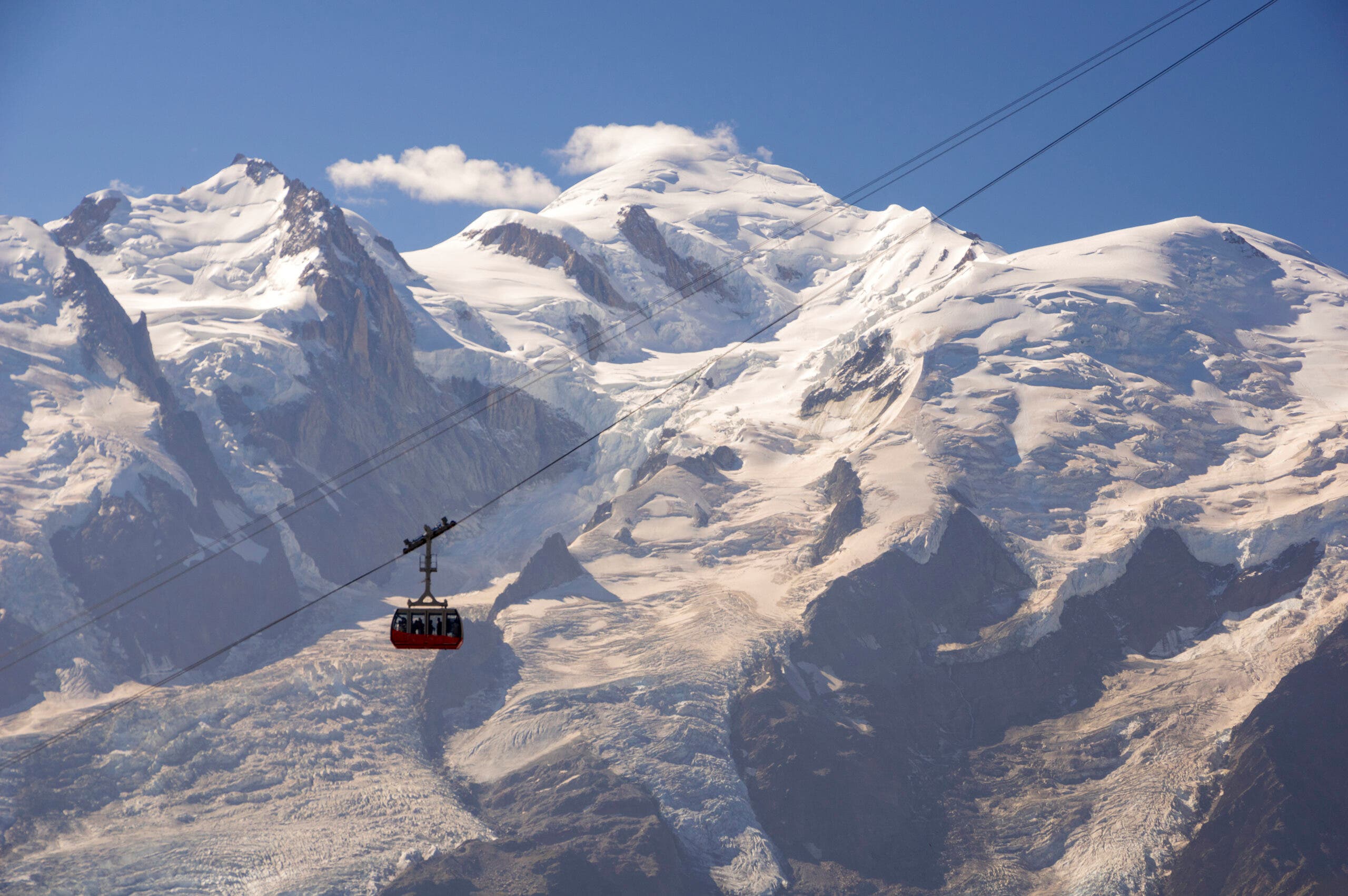
Chamonix, widely recognized as the birthplace of mountaineering and a significant contributor to the early development of winter sports, hosted the first Winter Olympics in 1924. Its historical importance in establishing ski infrastructure across the Alps is undeniable. However, for Americans primarily seeking a skiing-focused vacation, Chamonix may not be the optimal choice. The Ikon Pass grants access only to the Chamonix "Le Pass," not the more comprehensive "Mont-Blanc Unlimited" pass. This distinction is critical, as "Le Pass" excludes access to the Aiguille du Midi (precluding the famous Vallée Blanche descent), Courmayeur (via Skyway Monte Bianco), and the upper station of the Grands Montets, which is undergoing reconstruction following a fire in 2018 and is slated for reopening in the 2027-28 season. These three attractions are widely considered the highlights of a Chamonix visit. The Mont-Blanc Unlimited pass, which offers access to these key areas, typically costs an additional $80 USD, with prices subject to fluctuation. "Le Pass" provides access to five resorts within the Chamonix Valley, which, while offering decent skiing, are not considered outstanding within the broader Alpine context. The highest accessible point with "Le Pass" is 9,186 feet from the Bouchard gondola at Grands Montets. Navigating between resorts during peak season can also be challenging.
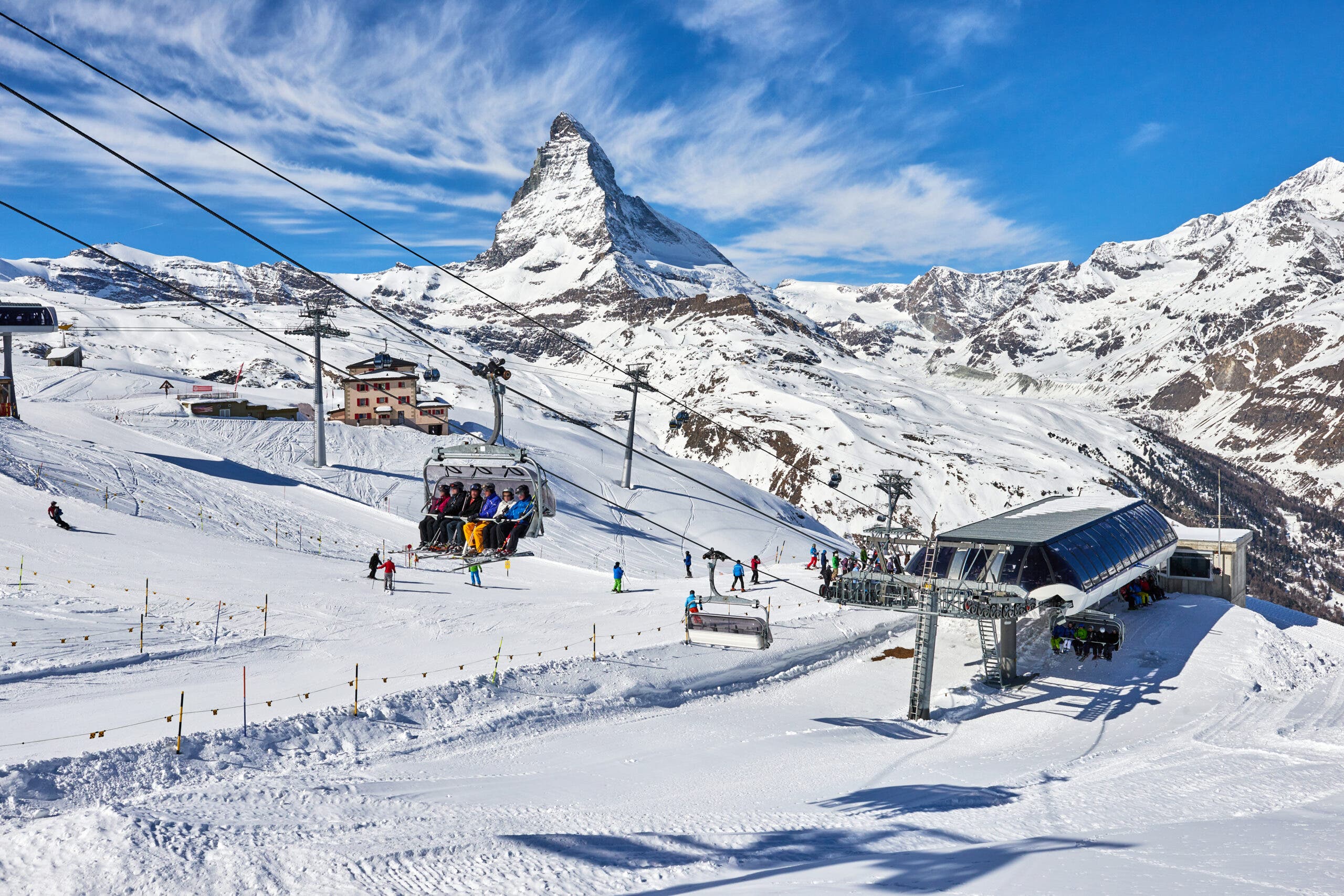
Zermatt, on the other hand, has long been a favored destination for American tourists, who first discovered Switzerland as a prime vacation spot in the post-World War II era. Its enduring popularity is reinforced by its inclusion on the Ikon Pass. While Zermatt is undeniably expensive, American skiers are generally accustomed to higher price points. The prospect of waking up to views of the Matterhorn is a significant draw, and Zermatt operates as a world-class resort with expansive, snow-sure pistes, efficient lifts, and breathtaking scenery. However, from a value perspective, comparable or even more authentic experiences can be found elsewhere for a lower cost. The primary drawback of Zermatt, beyond its elevated cost, is that its culinary offerings are often perceived as inferior to those in France and Italy. Furthermore, the skiing can be exposed and cold on stormy days, and while altitude ensures snow reliability, Zermatt is not among the snowiest resorts in the Alps. Off-piste access is also more readily available at other locations.
A Comparative Look at Alpine Nations
Each Alpine country offers a unique blend of cultural experiences, pricing structures, operational efficiency, and accessibility, requiring travelers to prioritize their preferences.
France and Italy are lauded for their exceptional culinary traditions and competitive pricing. However, travelers may encounter less consistent operational efficiency, with occasional unexpected closures of lifts and restaurants, and service standards that may not always align with American expectations.
Switzerland and Austria generally exhibit higher levels of operational efficiency and historically receive more substantial snowfall, particularly in their northern regions. Resorts like Engelberg and St. Anton have traditionally recorded the highest snow accumulations. While current climate trends suggest a potential shift in storm patterns, with an increasing frequency of southern-facing systems, Switzerland and Austria continue to lead in modern lift infrastructure, including a significant number of advanced 3S cable cars.
French Alps: Diverse Offerings Beyond the Icons
In France, Tignes/Val d’Isère stands out as a premier destination for a broad spectrum of skiers, from beginners to seasoned freeriders. The Grand Motte gondola accesses glacier terrain at 11,339 feet, making it one of the highest cable car systems in the Alps. Val d’Isère retains its charm as a traditional village, in contrast to Tignes’ purpose-built resort structure. With a base elevation of 5,906 feet, it ranks among the highest for a major resort in the Alps. A significant consideration for American skiers is that Tignes/Val d’Isère is not included on either the Epic or Ikon passes. Day tickets are approximately $80 for adults, positioning it as an expensive option by French standards but considerably more affordable than comparable Swiss resorts.
The Trois Vallées, encompassing Courchevel, Méribel, and Val Thorens, has become a significant draw for American skiers utilizing the Epic Pass. As one of the world’s largest interconnected ski areas, it offers an unparalleled expanse of pistes and backcountry terrain. Paradiski, comprising Les Arcs and La Plagne, is another expansive domain situated between Trois Vallées and Val d’Isère. While often overshadowed by its more famous neighbor, it remains a formidable and vast ski area with more competitive pricing, with daily lift tickets ranging from $66 to $85 for adults.
Further south, beyond the traditional mega-resorts, lies Serre Chevalier, near Briançon. This extensive resort, largely unknown to most Americans, offers a blend of size and authentic village charm, particularly in hamlets like Monetier-les-Bains. It boasts exceptional off-piste opportunities, including the Montagnole, alongside well-maintained pistes and outstanding on- and off-mountain dining. Daily lift tickets are around $78 for adults.
Montgenèvre, on the border with Italy, is a smaller but strategically located resort benefiting from snow from both eastern and western systems. It is also connected to the Via Lattea ski area. Its adult lift ticket prices range from $58 to $66.
Further south still, the Queyras region offers a less-traveled path with resorts like Abriès and Saint-Véran. Abriès, at 8,202 feet, and Saint-Véran, at 9,186 feet, are surprisingly high-altitude destinations within a pocket of the Alps that has retained its unique charm. Lift tickets here start around $48. The region provides an authentic glimpse into French country lodging and cuisine, exemplified by establishments like Hotel La Lobio. Additional worthy destinations in this area, particularly when southwest storms are active, include Risoul, Vars, Crevoux, and Les Orres.
Italian Alps: Culinary Delights and Cultural Immersion
For travelers prioritizing culture, historical villages, and exceptional cuisine, Italy presents a compelling option, with many of its premier resorts accessible via the Epic and Ikon passes. The recent inclusion of the Aosta Valley on the Ikon Pass has opened doors to renowned resorts such as Monte Rosa, Cervinia, La Thuile, and Courmayeur.
Monte Rosa, with day tickets starting around $80, is a personal favorite for its unlimited off-piste and ski touring access directly from the resort. Lodging in smaller villages like Alagna or Gressoney offers a more intimate experience and immersion into the local Walser culture.
Cervinia serves as the Italian counterpart to Zermatt, offering access to the Matterhorn Ski Paradise. While current lift connections between the two can be bottlenecked, the upcoming 3S cable car, "Cervino The One," expected by 2030, will significantly improve access from the Italian side, making it potentially faster than reaching the Klein Matterhorn from Zermatt. Combined with superior dining and more accessible pricing, Cervinia presents a strong alternative.
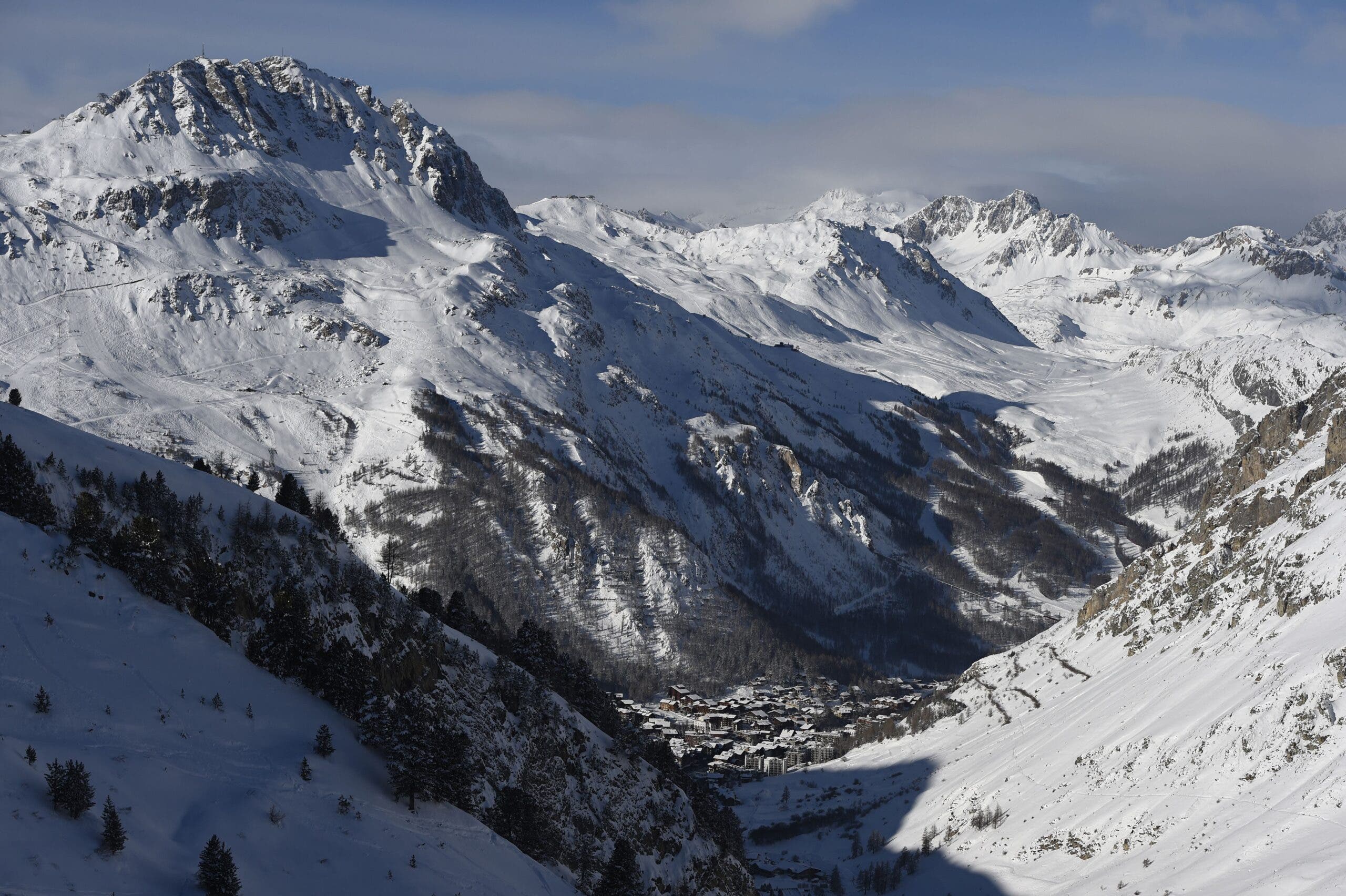
South of Aosta lies the Via Lattea, a vast interconnected ski area that includes the well-known resort of Sestriere. This domain, not currently part of the major megapasses, offers an experience with minimal American presence. While its altitude is somewhat limited, Sestriere reaches 9,186 feet and benefits from diverse weather patterns. Its standout feature is its world-class tree skiing, considered among the best in the Alps, contingent on favorable conditions. The on-mountain dining is exceptional, with La Marmotta in the Sauze d’Oulx sector noted for its outstanding quality. Staying at an Agriturismo Barba Gust offers an authentic Alpine ski experience.
The Dolomiti Superski, accessible via the Ikon Pass, has gained international attention, partly due to its hosting of Olympic events. While not always the snowiest region, the dramatic natural scenery of the Dolomites is unparalleled in the Alps. This collection of smaller resorts fosters an authentic village atmosphere rather than the typical purpose-built ski base. Cortina is the most famous and luxurious, while Val Gardena, Kronplatz, and Alta Badia offer superior skiing. The on-mountain dining, exemplified by Baita Ciadinat in Val Gardena, is consistently excellent.
Austrian Alps: Piste Perfection and Après-Ski Culture
Austria is a nation intrinsically linked with skiing, boasting some of the world’s most refined slopes and accessible infrastructure. Austrian resorts typically offer a combination of high annual snowfall, efficient operations, and moderate pricing—more expensive than France but less so than Switzerland or the United States. Both the Epic and Ikon passes provide access to Austrian resorts. While the era of unlimited fresh tracks is largely a memory, Austrian ski culture often emphasizes piste skiing, meaning groomed runs can retain their quality for longer periods, especially during snowfall, as locals tend to prefer clearer weather for skiing.
Austria also remains a bastion of vibrant après-ski culture, a tradition that appears to be waning in other parts of the Alps. For those who enjoy lively post-ski entertainment, Austria is the prime destination.
The Epic Pass offers extensive coverage in Austria, including five consecutive days at world-class resorts like Skicircus Saalbach, Sölden, Zillertal, and Silvretta Montafon. This allows for nearly a month of skiing across close to 1,000 kilometers of pistes, numerous glaciers, and ample off-piste and ski touring opportunities.
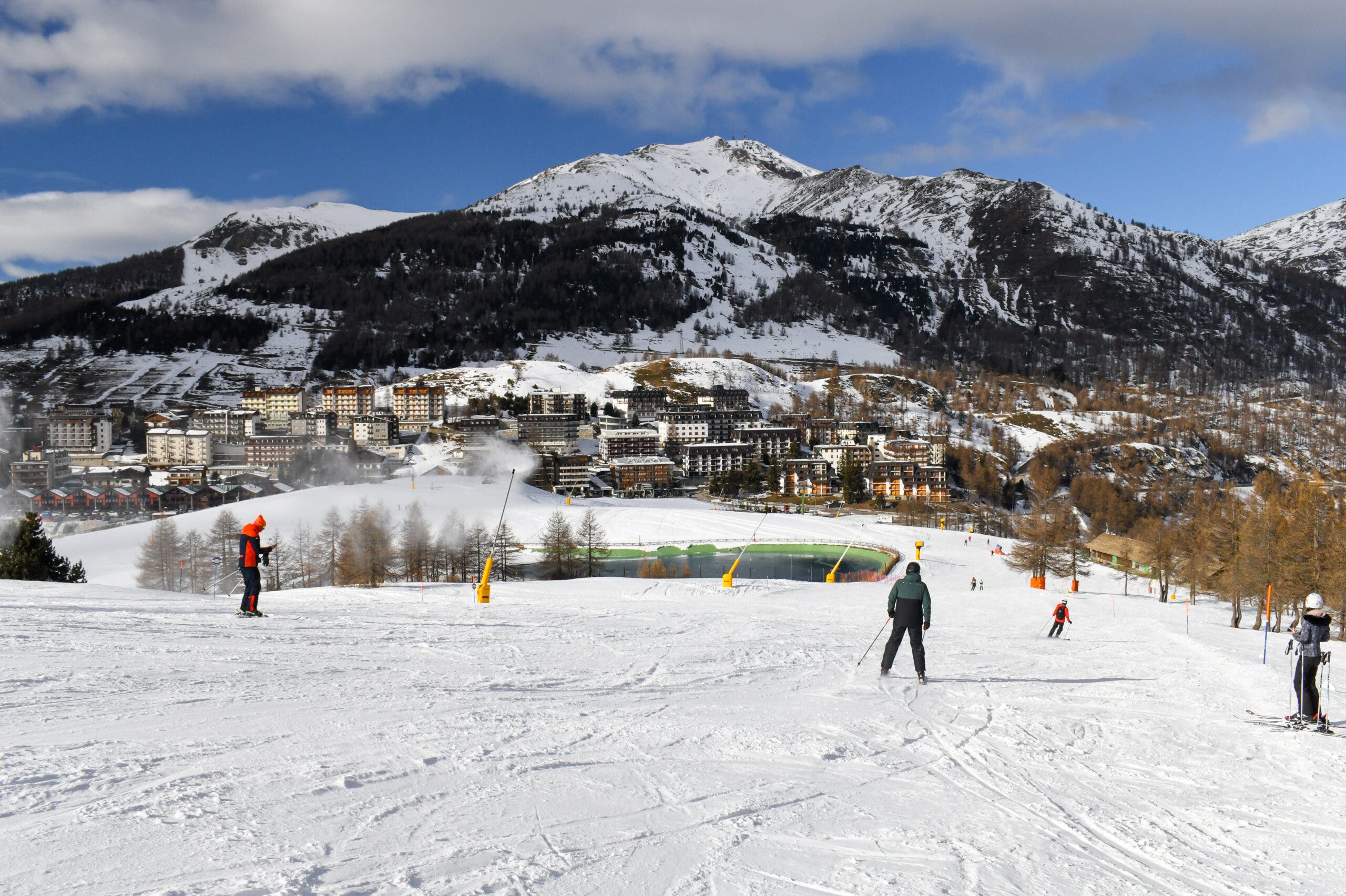
Ski Arlberg, encompassing St. Anton and Lech-Zürs, is considered by many to be the pinnacle of Austrian skiing. Situated in a region known for its consistent snowbelt, it offers vast off-piste terrain and an enormous skiable area. However, Epic Pass holders face restrictions, typically limited to three consecutive days and requiring stays at participating hotels.
The Ikon Pass provides access to Ischgl, a high-quality resort with a lively atmosphere, though it may lack the traditional character of other Austrian destinations. It is also connected to Samnaun in Switzerland. Kitzbühel, Austria’s signature resort, faces the same altitude limitations as Saalbach, impacting its appeal as an international destination.
Innsbruck offers a unique proposition, combining a historic city with convenient access to numerous ski resorts. The local Nordkette resort is modest, but the Innsbruck Pass provides access to over a dozen resorts, including the Stubai Glacier, catering to various skill levels and elevations. The city’s excellent public transport system allows for easy travel to major hubs like St. Anton (one hour west) and Kitzbühel and Saalbach (one hour east) by train.
With over 400 ski resorts, Austria holds numerous undiscovered gems. Monitoring weather patterns is crucial; while western Europe might experience dry spells, moisture can flow from the north into the eastern Austrian Alps. Resorts such as Zauchensee and Obertauern are excellent options that typically see fewer tourists, including Americans.
Swiss Alps: Car-Free Charm and High-Altitude Reliability
A hallmark of Swiss ski tourism is the prevalence of car-free base villages, such as Wengen, Saas-Fee, and Mürren, which contribute to a nostalgic, timeless atmosphere. Switzerland is also renowned for its snow reliability, with extensive high-altitude, north-facing slopes and numerous glaciers, including the largest in the Alps. Swiss ski resorts tend to be cozier and more specialized, which can be either a benefit or a drawback depending on individual preferences.
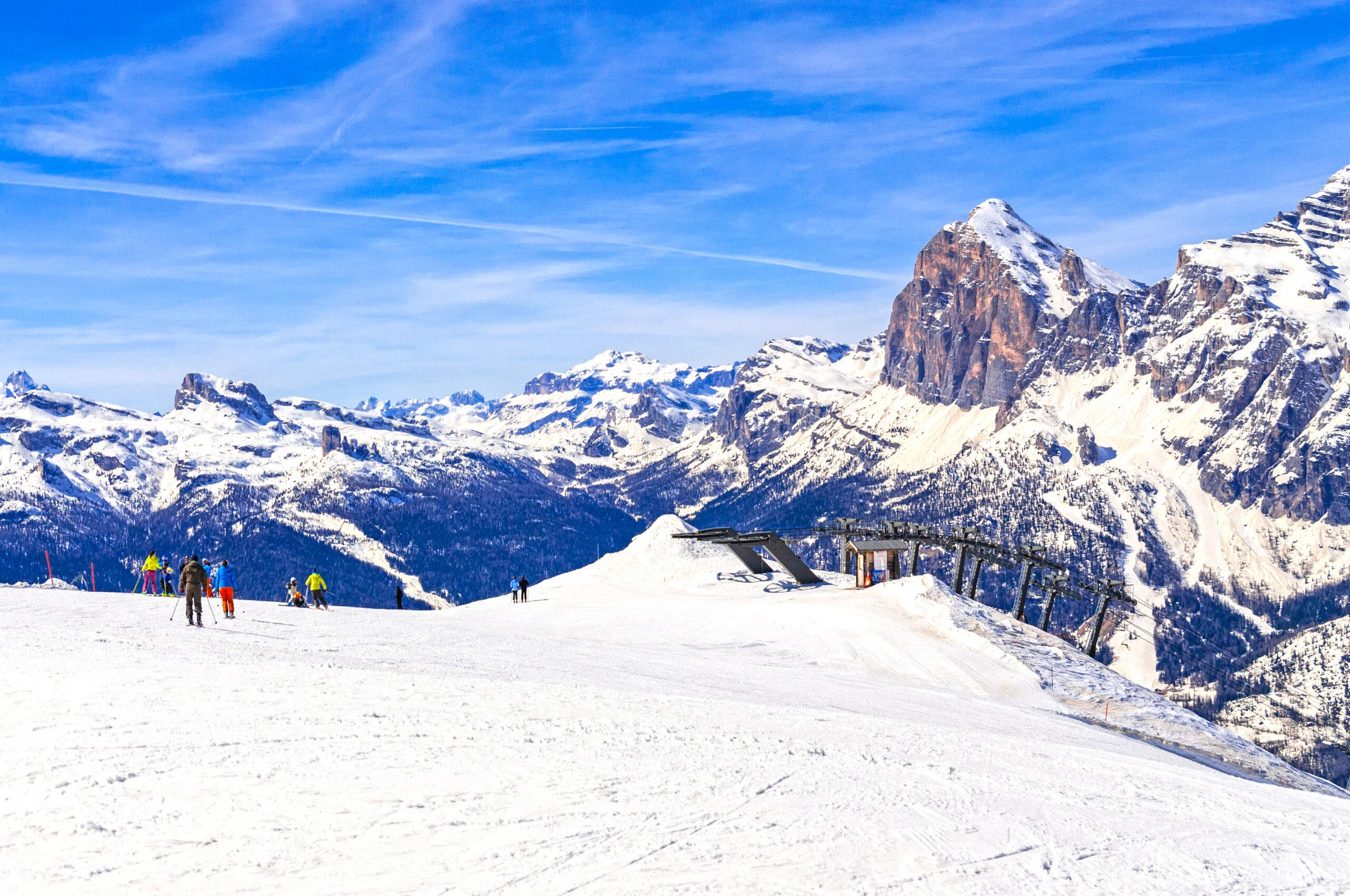
Verbier, a well-known destination among Americans, offers extensive "big mountain" terrain across four valleys. However, its off-piste scene attracts highly skilled freeriders, making it challenging for others to secure prime lines.
As an alternative to Zermatt, Saas Fee presents a compelling option. It is a car-free village with a more authentic feel than many other Swiss resorts, featuring centuries-old chalets. The highest funicular reaches 11,482 feet, though the variety of pistes may not match Zermatt’s. Saas Fee embodies the spirit of the Valais canton.
Andermatt and Engelberg are premier off-piste destinations. However, their limited summit access via single lifts can result in significant lift lines and rapid depletion of terrain. Laax and Arosa Lenzerheide are larger resorts with more efficient lift systems and less competition for freeride terrain. Davos and St. Moritz, while known for their luxury reputations, also offer excellent off-piste skiing. St. Moritz is accessible via the Ikon Pass.
Despite having over 300 ski resorts, Switzerland experiences considerably fewer skier visits than France. This translates to a less crowded experience outside of major hubs like Verbier and Zermatt. However, travelers should be prepared for costs that are typically double those in other Alpine countries.
