

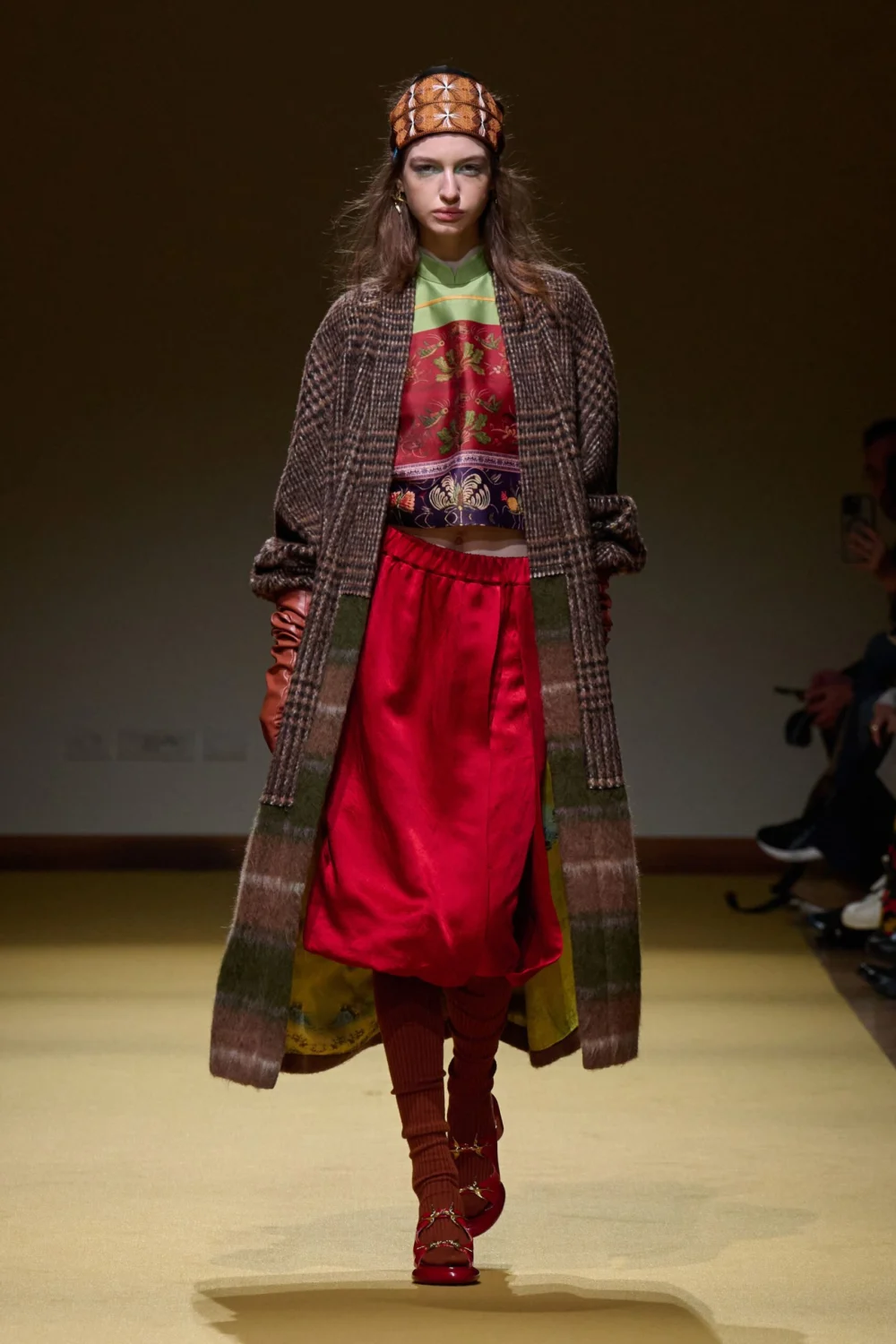
Vogue.com, the digital flagship of the iconic fashion publication, continues to be a leading authority in the global fashion landscape, providing an unparalleled stream of content that shapes trends, informs consumers, and celebrates the industry’s dynamism. With its comprehensive coverage spanning the latest fashion news, in-depth beauty analysis, exclusive celebrity style insights, real-time fashion week updates, thought-provoking culture reviews, and engaging video content, Vogue.com has solidified its position as an indispensable resource for anyone with an interest in the world of style and culture. This extensive digital platform, owned by Condé Nast, operates under a stringent editorial policy that prioritizes accuracy, depth, and aesthetic excellence, ensuring its readership receives the most curated and credible information available.
The Evolving Digital Landscape of Fashion Journalism
In an era where information disseminates at an unprecedented pace, Vogue.com has adeptly navigated the complexities of the digital age, transforming from a mere online extension of its print counterpart to a powerful, self-sufficient entity. Its success is not accidental; it is the result of a strategic approach to content creation, audience engagement, and technological integration. The platform’s commitment to delivering high-quality journalism, combined with its ability to adapt to new media formats and consumer behaviors, has been pivotal in maintaining its status as a fashion authority.
The fashion industry itself is in a constant state of flux, driven by rapid innovation, shifting consumer preferences, and a growing emphasis on sustainability and inclusivity. Vogue.com’s editorial team is tasked with not only reporting on these changes but also with contextualizing them, offering insights that go beyond surface-level reporting. This involves deep dives into the historical context of emerging trends, the economic forces shaping the market, and the cultural implications of sartorial choices.
Comprehensive Content Pillars
Vogue.com’s strength lies in its multifaceted content strategy, which caters to a broad spectrum of interests within the fashion and lifestyle sphere.
Fashion News: The platform provides real-time updates on everything from designer collections and brand launches to industry mergers and executive appointments. This includes breaking news from major fashion capitals like Paris, Milan, New York, and London, as well as emerging markets. The reporting is often accompanied by exclusive interviews, behind-the-scenes access, and expert analysis, offering a nuanced perspective on the news. For instance, when a major heritage brand announces a new creative director, Vogue.com will not only report the appointment but also delve into the designer’s previous work, the brand’s historical trajectory, and the potential impact of this change on future collections. This type of comprehensive coverage is crucial for understanding the intricate workings of the fashion ecosystem.
Beauty Coverage: Beyond mere product reviews, Vogue.com’s beauty section explores the science behind beauty innovations, the cultural significance of beauty rituals, and the evolving standards of beauty. It features in-depth guides on skincare, makeup, haircare, and fragrance, often with contributions from dermatologists, makeup artists, and perfumers. The platform has also been a vocal proponent of diversity and inclusion within the beauty industry, highlighting brands and products that cater to a wider range of skin tones, hair types, and personal identities. Data from market research firms often informs these reports, indicating, for example, the growing consumer demand for clean beauty products or the increasing popularity of personalized skincare routines, which Vogue.com diligently tracks and reports on.
Celebrity Style: Vogue.com is renowned for its meticulous documentation and analysis of celebrity fashion. This extends beyond red carpet coverage to encompass street style, event appearances, and even personal style evolution. The platform often provides detailed breakdowns of outfits, identifying designers, key pieces, and styling choices, offering readers inspiration and insight into the curated wardrobes of influential figures. This section also plays a role in trend forecasting, as celebrity endorsements and styling choices can significantly impact consumer purchasing decisions and emerging trends. For example, the resurgence of certain vintage silhouettes or the adoption of specific sustainable fashion brands by celebrities can be traced back and amplified through Vogue.com’s reporting.
Fashion Week Updates: During the pivotal fashion weeks held globally, Vogue.com transforms into a virtual front row, delivering immediate coverage of runway shows, street style, and the overall atmosphere of these crucial industry events. This includes live streams, collection reviews, trend reports, and interviews with designers and influencers. The platform’s ability to capture the zeitgeist of each fashion week, providing an immediate and comprehensive overview, is a testament to its robust editorial infrastructure and its deep ties within the industry. The analysis often includes data on which designers garnered the most media attention or which trends appeared most frequently across the shows, providing a quantitative measure of their impact.
Culture Reviews: Recognizing the symbiotic relationship between fashion and broader cultural movements, Vogue.com extends its purview to reviews of films, art exhibitions, books, and music that resonate with its audience. This section offers a sophisticated lens through which to understand how fashion intersects with societal narratives, artistic expression, and contemporary thought. By examining cultural phenomena, Vogue.com provides a richer context for understanding fashion not just as clothing, but as a form of cultural communication.
Videos: The platform leverages the power of video to bring its content to life. This includes behind-the-scenes documentaries, designer interviews, styling tutorials, beauty masterclasses, and event coverage. These visual narratives offer a dynamic and engaging way for audiences to connect with the fashion world, providing an immersive experience that complements its written content. The success of these video series is often measured by viewership numbers and engagement rates, further solidifying their importance in the platform’s content strategy.
Historical Context and Evolution
The journey of Vogue.com mirrors the broader evolution of digital media and the fashion industry’s adaptation to online platforms. Initially launched as an online presence to complement the print magazine, Vogue.com has progressively expanded its scope and influence. The early 2000s saw a burgeoning of online fashion content, but Vogue.com distinguished itself through its commitment to the high editorial standards synonymous with the Vogue name.
The advent of social media and the rise of influencer culture in the late 2000s and early 2010s presented new challenges and opportunities. Vogue.com embraced these shifts, integrating social media strategies to broaden its reach and engage with a younger, digitally native audience. The platform learned to harness the power of platforms like Instagram and YouTube, not just for promotion, but for content creation and direct audience interaction. This period also saw an increase in user-generated content and the democratization of fashion commentary, a landscape Vogue.com has navigated by maintaining its authoritative voice while acknowledging and incorporating diverse perspectives.
The mid-2010s onward witnessed a significant focus on digital-first content and the development of sophisticated multimedia storytelling. Vogue.com invested in high-quality video production, interactive features, and data-driven content strategies. The platform’s ability to adapt to evolving algorithms, SEO best practices, and the ever-changing digital consumer journey has been crucial to its sustained success. Furthermore, the growing importance of e-commerce integration, through affiliate partnerships with retailers, has allowed Vogue.com to not only inform but also to facilitate purchasing decisions, creating a more direct link between content and commerce.
Supporting Data and Industry Analysis
Vogue.com’s reporting is often enriched by an awareness of industry data and market trends. While specific data points are not provided in the initial prompt, a journalistic approach would involve referencing and analyzing:
- Market Size and Growth: Reports on the global fashion market, its projected growth rates, and the economic impact of various sectors (e.g., luxury goods, fast fashion, sustainable apparel). Data from sources like Statista, McKinsey & Company, and Business of Fashion are frequently cited in industry analyses.
- Consumer Behavior: Insights into purchasing habits, brand loyalty, the influence of social media on purchasing decisions, and the growing demand for ethical and sustainable products. Surveys and consumer trend reports from research firms provide valuable data.
- Digital Engagement Metrics: Analysis of website traffic, social media engagement, video viewership, and subscription numbers to understand audience reach and impact.
- Brand Performance: Tracking the financial performance of major fashion houses, the success of new collections, and the impact of marketing campaigns.
For example, a report on the rise of athleisure might be supported by data showing the significant growth of the activewear market segment over the past decade, coupled with insights into how social media influencers and celebrity endorsements have driven this trend. Similarly, coverage of sustainable fashion would be substantiated by data on consumer willingness to pay more for eco-friendly products and the increasing scrutiny of supply chain practices.
Official Responses and Industry Reactions
Vogue.com’s role as a leading voice in the fashion industry means its reporting often elicits responses and reactions from various stakeholders. This includes:
- Designer Statements: When Vogue.com covers a new collection or a designer’s retrospective, it may solicit quotes or statements from the designers themselves, offering their perspective on their creative process, inspirations, and the reception of their work.
- Brand Communications: Fashion brands often engage with Vogue.com for official announcements, press releases, and interviews related to new product launches, collaborations, or corporate initiatives.
- Industry Expert Opinions: The platform frequently seeks commentary from fashion critics, stylists, academics, and other industry professionals to provide a diverse range of viewpoints and expert analysis on emerging trends and significant events.
- Celebrity and Publicist Engagement: For celebrity style coverage, publicists often provide information about the attire worn by their clients, ensuring accuracy and providing context for editorial features.
The platform’s editorial integrity, built over decades, ensures that these interactions are framed within a journalistic context, maintaining objectivity and providing a balanced perspective.
Broader Impact and Implications
The influence of Vogue.com extends far beyond its immediate readership. Its reporting and trend analysis have a tangible impact on:
- Consumer Trends: By highlighting emerging designers, showcasing new styles, and articulating the cultural significance of fashion, Vogue.com directly influences what consumers wear and desire. Its coverage can elevate a designer from obscurity to mainstream recognition.
- Industry Direction: The platform’s critical reviews and trend reports can guide designers and brands in their creative and business decisions, shaping the direction of future collections and marketing strategies.
- Cultural Discourse: Vogue.com’s engagement with fashion as a cultural phenomenon contributes to broader conversations about identity, society, and art. Its exploration of themes like sustainability, inclusivity, and diversity within fashion helps to shape public perception and advocate for change.
- Economic Impact: The platform’s role in promoting brands and driving consumer interest has direct economic implications for the fashion industry, from small independent designers to multinational corporations. Affiliate partnerships also contribute directly to revenue streams for both Vogue.com and the retailers it features.
Editorial Standards and Future Outlook
Vogue.com operates under the established journalistic principles of Condé Nast, which include a commitment to accuracy, fairness, and editorial independence. The use of phrases like "All rights reserved" and the inclusion of "Ad Choices" indicate a adherence to legal and ethical standards regarding content usage and advertising. The "dangerous-legalese-brand-text" underscores the copyright and intellectual property protections in place, ensuring the integrity of its published material.
Looking ahead, Vogue.com is poised to continue its leadership in digital fashion journalism. As the industry embraces new technologies such as AI, the metaverse, and augmented reality, the platform will undoubtedly explore innovative ways to engage its audience and deliver cutting-edge content. Its enduring relevance lies in its ability to blend timeless elegance with contemporary innovation, providing a sophisticated and authoritative voice in the ever-evolving world of fashion and culture. The platform’s ongoing commitment to high-quality storytelling, combined with its adaptability to new media, ensures its continued influence and its role as a premier destination for fashion news, beauty coverage, celebrity style, fashion week updates, culture reviews, and videos on Vogue.com.
