

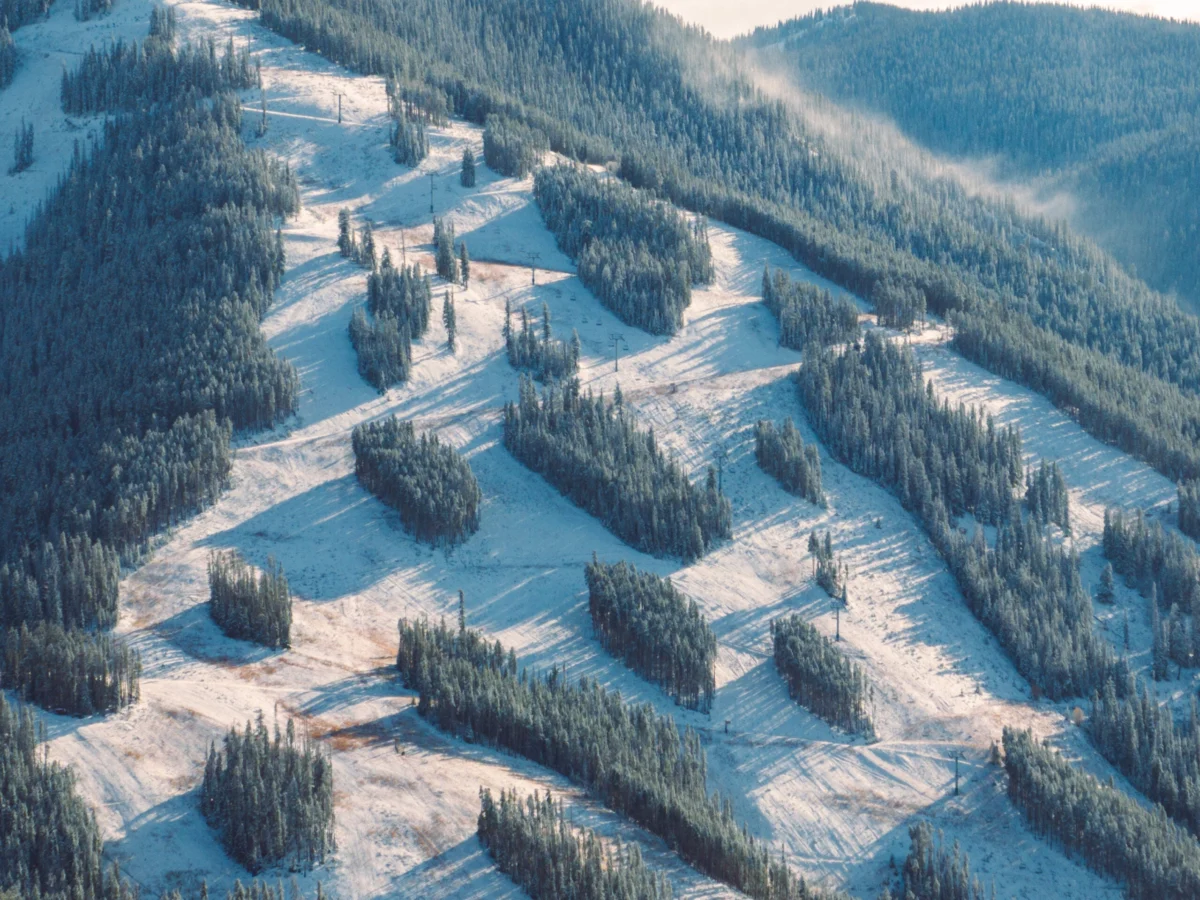
The 2025-2026 ski season will be etched in the memory of winter sports enthusiasts and industry executives alike as one of the most challenging on record, particularly in the Rocky Mountains, where historically low snowfall plagued resorts across the region. This stark reality has translated directly into a significant downturn in skier visits for Vail Resorts, the nation’s largest operator of ski areas, according to its latest fiscal year earnings report. The company has reported a substantial 13.4 percent year-over-year decline in total skier visits, a figure directly attributed by CEO Rob Katz to the severe lack of natural snow that defined the past winter.
"This past winter was one of the most challenging winters in history across the western U.S. for the ski industry, which negatively impacted financial performance for the year," Katz stated in the company’s official earnings release. This candid acknowledgment underscores the profound dependence of the ski industry on predictable and abundant snowfall, especially for an operator with such a vast geographical footprint and diverse portfolio of resorts.
The Paradox of Pass Sales: Revenue Resilience Amidst Declining Visits
Despite the steep drop in the number of individuals hitting the slopes, Vail Resorts managed to mitigate the financial blow with a more modest 3.5 percent decrease in total lift revenue. This apparent paradox can be largely explained by a significant increase in pass sales. The company reported a 3.9 percent year-over-year rise in pass sales, a crucial buffer that protected its revenue streams. The Epic Pass, Vail Resorts’ flagship season pass product, is typically purchased well in advance of the ski season, often before any snow has fallen. This pre-season revenue collection means that even if a pass holder ultimately decides to ski less or not at all due to poor conditions, Vail Resorts has already secured their financial contribution.
This dynamic highlights a critical aspect of the modern ski resort business model: the increasing reliance on pre-paid season passes. While the decline in day-ticket sales undoubtedly contributed to the overall drop in skier visits, the robust performance of pass sales demonstrates the loyalty and commitment of a core segment of Vail Resorts’ customer base. However, the future implications of this trend, particularly for those who purchase single-day lift tickets or are more price-sensitive, remain a significant consideration.
Financial Performance and Strategic Cost Management
The impact of the low-snow year was not limited to skier visits and lift revenue. Vail Resorts’ overall revenue experienced a minor dip, declining by less than 5 percent year-over-year. This relatively contained decrease can be attributed, in part, to the company’s proactive "Resource Efficiency Transformation Plan." This strategic initiative, implemented prior to and during the challenging season, helped Vail Resorts achieve cost reductions estimated at $45 million. Without these efficiency measures, the financial repercussions of the lackluster snowfall would have been considerably more severe.
"Looking back over the past year and a half, we have taken decisive action and accelerated the pace of change across our business," Katz elaborated, emphasizing the company’s commitment to operational improvements. "We’ve focused on strengthening leadership, advancing growth initiatives, enhancing the guest experience, and improving operational efficiency." This statement suggests a broader strategy aimed at building resilience and adaptability within the company’s operations, recognizing that environmental factors like weather are increasingly unpredictable.
However, the impact on net income was more pronounced. Vail Resorts reported a significant drop in net income, falling from $280 million in the previous fiscal year to $147.5 million for the reporting period. This substantial decline in profitability underscores the significant financial strain imposed by a season marked by poor snow conditions, even with cost-saving measures in place.
Looking Ahead: Shifting Pass Dynamics and Future Investments
As Vail Resorts casts its gaze toward the upcoming 2026-2027 ski season, early indicators suggest a continuation of subdued consumer enthusiasm, at least in the pre-season purchasing phase. Pass sales are currently down approximately 12 percent year-over-year. Furthermore, the company’s metric for "days sold"—an estimation of the total number of days of mountain access purchased across all pass types—is down about 10 percent. Sales dollars for passes have also seen a decrease of 6 percent.
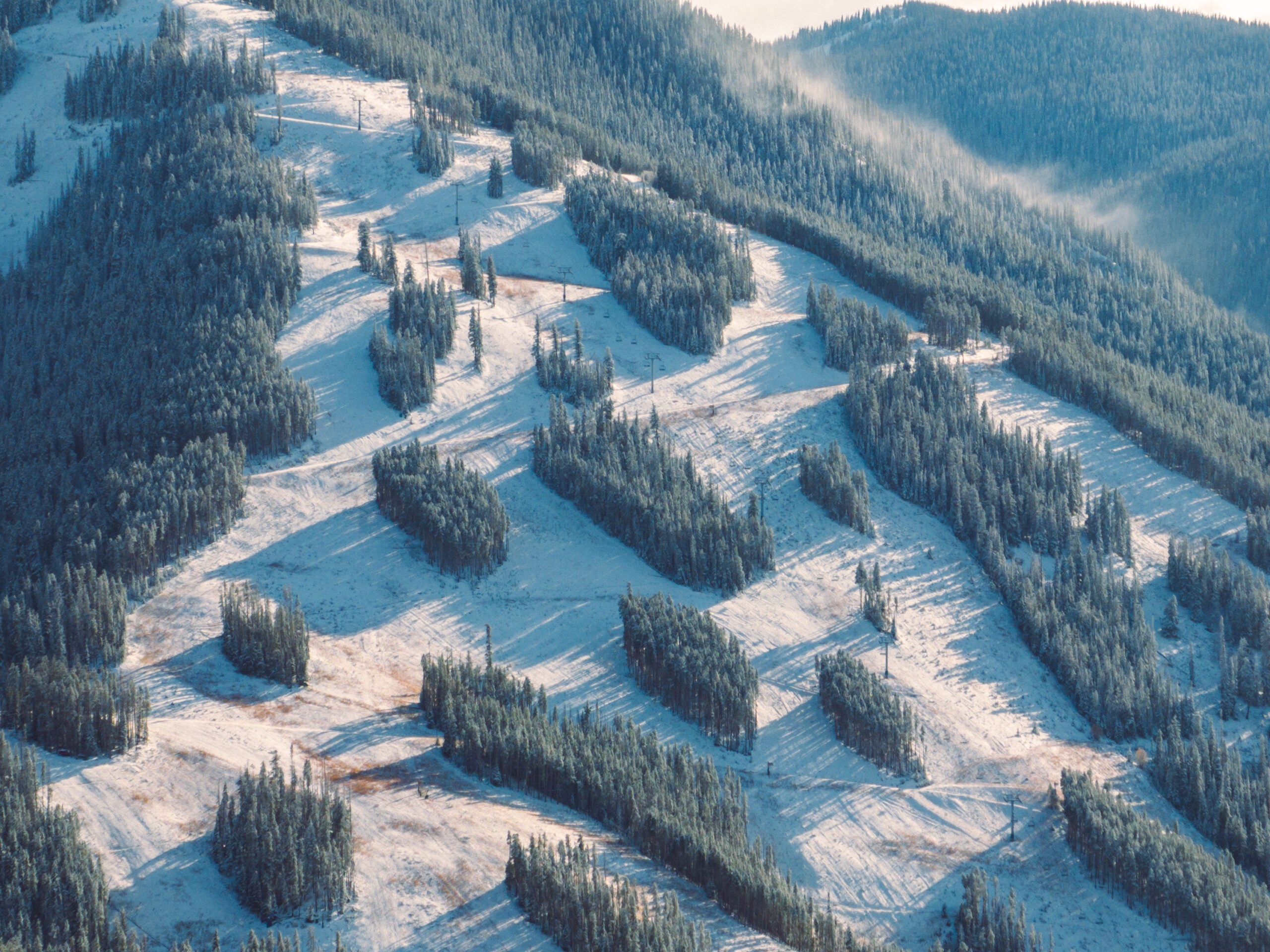
Vail Resorts attributes these declining pre-season sales figures to what they term "delayed purchase behaviors" among "less committed" skiers. Essentially, the disappointing experience of the previous season has made a segment of the skiing public hesitant to commit to upfront pass purchases. The company’s outlook hinges on the hope that these trends can be reversed as the new season progresses, with a strong reliance on day-ticket sales to compensate, contingent on favorable weather conditions. This reliance on future weather patterns for revenue recovery highlights the inherent volatility of the ski industry.
In response to these evolving market dynamics and to bolster the appeal of its destinations, Vail Resorts has announced a series of significant capital improvement projects. Among these are enhancements designed to elevate the guest experience, including the installation of a new 8-person high-speed lift at Park City Mountain Resort. Beyond infrastructure, the company has also made substantial investments in other crucial on-mountain services. These include upgrades to rental gear operations, improvements in food and beverage offerings, and a continued commitment to enhancing guest services, such as ski lessons, as exemplified by ongoing investments in instructor training and equipment. These investments are intended to demonstrate value and encourage future visitation, regardless of snow depth.
Historical Context: A Season of Unprecedented Dryness
The 2025-2026 season’s low snowpack was not an isolated incident but rather the culmination of a broader climatic trend. Throughout the Western United States, meteorological data indicated a significantly below-average snow season, with many areas receiving only a fraction of their typical annual snowfall. This historical dryness impacted not only ski resorts but also water resources and ecosystems dependent on winter snowpack. Climate scientists have pointed to a combination of factors, including El Niño/La Niña cycles and longer-term shifts in weather patterns, as contributing to these extreme conditions.
For Vail Resorts, which operates many of its premier destinations in drought-prone regions like Colorado and California, this level of snow deficit poses an existential challenge. The company’s business model is fundamentally tied to the availability of snow. When natural snowfall is insufficient, resorts often rely on artificial snowmaking. However, the sheer scale of resorts like Vail, Beaver Creek, and Whistler Blackcomb means that artificial snow can only supplement, not fully replace, natural snow. Furthermore, the energy and water required for extensive snowmaking operations present their own set of environmental and economic considerations.
Broader Implications for the Ski Industry and Pass Holders
The financial performance of a giant like Vail Resorts inevitably sends ripples throughout the broader ski industry. Competitors, both large and small, will be closely watching Vail’s strategies and consumer responses. The trend of increasing pass sales buffering against declining visits, while beneficial in the short term, raises questions about the long-term sustainability of this model if snow conditions continue to be unreliable.
For pass holders, the implications are multifaceted. Those who purchased passes in advance of the challenging season may feel a sense of dissatisfaction if they were unable to fully utilize their passes due to poor conditions. The current decline in pre-season pass sales suggests that some skiers are re-evaluating the value proposition of multi-resort passes in the face of climate uncertainty. This could lead to a more fragmented market, with skiers opting for more localized or flexible options.
The continued investment in on-mountain amenities and guest services by Vail Resorts signals an understanding that the ski experience is about more than just snow. Improved infrastructure, enhanced dining, and better rental services can contribute to a more positive overall experience, even when snow conditions are less than ideal. However, the core product—skiing on abundant natural snow—remains paramount.
The Future of Skiing in a Changing Climate
The challenges faced by Vail Resorts this past season serve as a stark reminder of the ski industry’s vulnerability to climate change. As weather patterns become more erratic and winters become warmer and drier in many traditional ski regions, operators are being forced to adapt. This includes exploring new geographical markets, diversifying revenue streams beyond lift tickets and passes, and investing in technologies that can mitigate the effects of reduced snowfall.
The "Resource Efficiency Transformation Plan" and the ongoing capital improvements are indicative of Vail Resorts’ commitment to navigating these challenges. The company’s ability to weather future low-snow years will depend on its capacity to innovate, its financial resilience, and its ability to continue attracting and retaining skiers in an increasingly unpredictable environment. The coming seasons will be a critical test for Vail Resorts and the entire ski industry as they confront the realities of a changing climate. The success of strategies like the Epic Pass will ultimately be judged not only by their financial performance but also by their ability to deliver a consistent and enjoyable skiing experience, even when Mother Nature doesn’t cooperate.
