

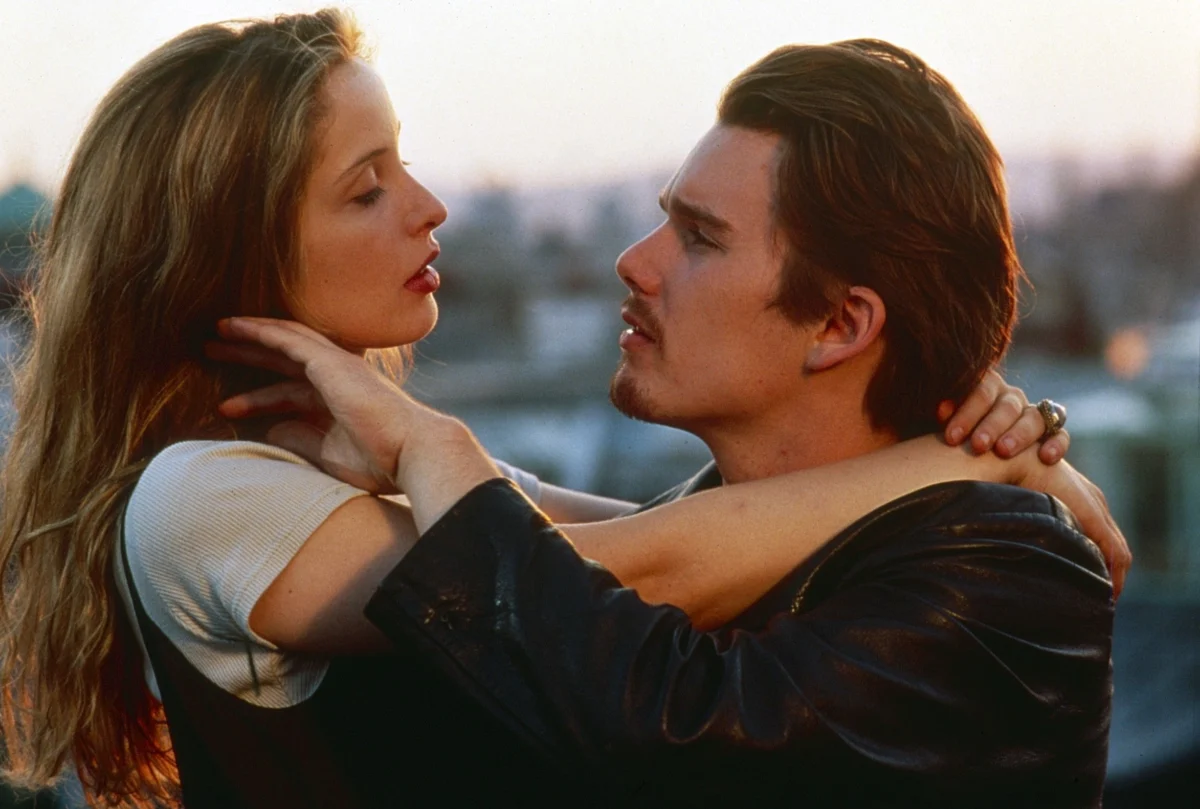
The landscape of cinema in the 1990s stands as a distinct epoch, marked by a prevalence of original storytelling and films that fostered enduring relationships with audiences, a stark contrast to the sequel-driven and remake-heavy offerings often seen in contemporary film. This era’s cinematic output, characterized by its creative spirit and lasting cultural resonance, continues to captivate viewers, offering a potent blend of escapism and profound reflection. While a comprehensive enumeration of every noteworthy film from the decade would be an extensive undertaking, a curated selection of standout classics provides compelling evidence of the 1990s’ significant contribution to film history, films that remain highly watchable and influential even decades later.
A Shift from Sequels to Singular Visions
The 1990s witnessed a pronounced departure from the franchise-centric model that has become increasingly dominant in the 21st century. Instead, the decade’s cinematic output was often defined by its commitment to novel concepts and standalone narratives. This focus on originality allowed for a greater diversity of themes and genres to flourish, from groundbreaking independent films to ambitious studio productions. The viewing experience itself also evolved. Unlike the ephemeral engagement with content prevalent today, where films are consumed, quickly reviewed, and often relegated to memory, the films of the 1990s were frequently cherished and revisited. The advent of home video, particularly the VHS format, facilitated this repeated engagement, allowing iconic lines, memorable scenes, and distinct visual styles to become deeply ingrained in popular culture. This sustained interaction cultivated a more profound and lasting connection between audiences and the films they loved.
Defining the Decade: A Selection of Cinematic Milestones
The following films represent a cross-section of the 1990s’ cinematic excellence, showcasing a range of genres and stylistic approaches that have cemented their status as enduring classics.
Wild at Heart (1990): Lynchian Surrealism and Unconventional Romance
David Lynch’s Wild at Heart, released in 1990, exemplifies the decade’s willingness to embrace the unconventional. Starring Laura Dern as Lula Fortune and Nicolas Cage as Sailor Ripley, the film plunges viewers into a surreal road movie that defies easy categorization. The narrative centers on the tumultuous relationship between Lula and Sailor, a bond tested by Sailor’s imprisonment for self-defense and their subsequent flight from sinister forces. Lynch’s signature blend of visceral violence, striking surrealism, and a darkly comedic undertone creates an experience that is both shocking and exhilarating. The film’s critical reception was polarized, with some praising its audacious artistry and others criticizing its graphic content, yet it has since garnered a cult following for its unique vision and memorable performances. Its exploration of obsessive love against a backdrop of American grotesquerie solidified its place as a distinctive entry in the decade’s cinematic landscape.
Death Becomes Her (1992): A Satirical Take on Eternal Youth
In 1992, Death Becomes Her offered a darkly humorous and overtly camp commentary on the human obsession with youth and beauty. Directed by Robert Zemeckis, the film features Meryl Streep and Goldie Hawn as Madeline Ashton and Helen Sharp, two bitter rivals who discover a potion promising eternal life. The ensuing magical rivalry leads to some of the most bizarre and comically violent sequences in cinematic history, as the characters literally battle each other, sustaining and recovering from gruesome injuries with a chilling nonchalance. The film’s groundbreaking visual effects, particularly its use of early CGI for the characters’ supernatural transformations and injuries, were revolutionary for their time and contributed significantly to its enduring appeal. Death Becomes Her tapped into anxieties about aging and the lengths people would go to defy it, presenting a satirical yet entertaining narrative that resonated with audiences.
True Romance (1993): A Stylized Crime Caper
The 1990s were a fertile period for stylish crime thrillers featuring unconventional romantic pairings. Tony Scott’s True Romance (1993), with a screenplay by Quentin Tarantino, stands as a prime example. The film follows Clarence (Christian Slater) and Alabama (Patricia Arquette), a young couple who find themselves on the run after a violent encounter involving stolen cocaine. The narrative is propelled by adrenaline-fueled action, sharp dialogue, and a distinctive visual aesthetic characterized by bold fashion choices and vibrant settings. Despite its initial box office underperformance, True Romance has since achieved cult classic status, celebrated for its blend of romance, violence, and dark humor. Its enduring popularity can be attributed to its iconic characters, memorable soundtrack, and the potent chemistry between its leads, further enhanced by Tarantino’s signature stylistic flourishes.
Natural Born Killers (1994): A Controversial Examination of Media and Violence
Oliver Stone’s Natural Born Killers (1994) is a provocative and visually aggressive film that explores the sensationalization of violence by the media. The story follows Mickey (Woody Harrelson) and Mallory (Juliette Lewis), a psychopathic couple whose cross-country crime spree is turned into a media circus by a manipulative television producer. The film’s frenetic editing, stylized violence, and satirical portrayal of American culture sparked considerable debate upon its release. While some critics lauded its daring social commentary and artistic ambition, others condemned its graphic content and perceived glorification of violence. Regardless of its controversial reception, Natural Born Killers undeniably captured a zeitgeist of fascination with true crime and media saturation, leaving a lasting impression for its audacious filmmaking and unflinching examination of societal pathologies.
Pulp Fiction (1994): Tarantino’s Masterpiece Redefined Narrative
Quentin Tarantino’s Pulp Fiction (1994) is widely considered a landmark film of the 1990s, a cinematic phenomenon that revitalized independent cinema and introduced a bold new narrative structure. The film, an intricate tapestry of interconnected storylines featuring a cast of memorable characters, masterfully blends crime, dark humor, and philosophical musings. Its non-linear narrative, sharp and witty dialogue, and iconic visual style, including Uma Thurman’s legendary hairstyle, have influenced countless films and creators. Pulp Fiction achieved widespread critical acclaim and commercial success, earning an Academy Award for Best Original Screenplay and solidifying Tarantino’s reputation as a singular directorial voice. Its impact on filmmaking is undeniable, setting a new standard for stylish dialogue, genre deconstruction, and character-driven storytelling.
Serial Mom (1994): John Waters’ Mainstream Breakthrough
John Waters, known for his transgressive and cult-favorite films, achieved a significant level of mainstream recognition with Serial Mom (1994). Starring Kathleen Turner as Beverly Sutphin, a seemingly suburban housewife who meticulously murders anyone who annoys her, the film is a pitch-black comedy that satirizes suburban conformity and the sensationalism of true crime. Waters himself has described it as one of his best films and the one that brought his distinctive brand of humor to a wider audience. The film’s blend of domestic normalcy with extreme violence proved to be a potent comedic formula, and Turner’s performance as the titular serial mom is both terrifying and hilarious. Serial Mom remains a beloved cult classic, showcasing Waters’s unique ability to blend shock value with genuine wit.
Before Sunrise (1995): The Intimacy of a Single Encounter
Richard Linklater’s Before Sunrise (1995) initiated a beloved trilogy that explores the evolution of a relationship over nearly two decades. The first installment follows Jesse (Ethan Hawke) and Céline (Julie Delpy) as they meet on a train and impulsively decide to spend a day and night together exploring Vienna. The film’s charm lies in its naturalistic dialogue, its exploration of nascent romance, and its simple yet profound depiction of human connection. Before Sunrise captures the ephemeral beauty of a chance encounter, allowing viewers to experience the intellectual and emotional intimacy that blossoms between two strangers. Its meditative pace and romantic sensibility made it a standout, offering a more introspective and character-focused alternative to the more action-oriented films of the era.
Fallen Angels (1995): Wong Kar-wai’s Atmospheric Vision
While Chungking Express (1994) brought Wong Kar-wai to international prominence and In the Mood for Love (2000) is often cited as his masterpiece, Fallen Angels (1995) offers a raw and intoxicating glimpse into the director’s distinctive style. Originally conceived as a segment of Chungking Express, the film evolved into a standalone work, immersing audiences in the neon-drenched nightlife of Hong Kong. Shot with a sense of urgency and a focus on mood and atmosphere, Fallen Angels employs striking cinematography, a dynamic soundtrack, and a narrative that prioritizes feeling over strict linearity. Its depiction of urban alienation and fleeting connections, set against a backdrop of vibrant cityscapes, has earned it a dedicated following among cinephiles who appreciate its evocative power and unexplainable allure.
Hackers (1995): A Cyberpunk Aesthetic for a Digital Age
Hackers (1995) became an unlikely cult favorite, celebrated less for its intricate plot and more for its distinctive cyber-punk aesthetic and nostalgic portrayal of early internet culture. Starring a young Angelina Jolie and Jonny Lee Miller, the film follows a group of gifted young hackers framed for a corporate embezzlement scheme. Its enduring appeal lies in its visual style, which features archival Vivienne Westwood designs, distinctive hairstyles, and a neon-infused vision of cyberspace. The film captured a nascent fascination with digital technology and its cultural impact, offering a stylized and energetic look at a world on the cusp of widespread connectivity. Hackers remains a testament to the power of pure vibes and a bold aesthetic vision.
Toy Story (1995): Redefining Animation and Storytelling
Pixar’s Toy Story (1995) marked a watershed moment in animation, pioneering the use of computer-generated imagery to create a feature-length film. Beyond its technological innovation, the film is a triumph of storytelling, exploring complex themes of friendship, jealousy, and the bittersweet nature of growing up through the adventures of sentient toys. Woody (Tom Hanks) and Buzz Lightyear (Tim Allen) embark on a journey that resonates with universal human experiences, tackling existential questions about identity and belonging. The film’s emotional depth, coupled with its humor and groundbreaking animation, earned it widespread critical acclaim and commercial success. Toy Story not only redefined what was possible in animation but also established Pixar as a powerhouse of creative storytelling, leaving an indelible mark on generations of audiences.
Scream (1996): A Meta-Horror Phenomenon
Wes Craven’s Scream (1996) revitalized the slasher genre by infusing it with meta-commentary and sharp wit. The film follows a group of high school students terrorized by a masked killer known as Ghostface, who employs horror movie tropes in his deadly games. Scream is notable for its clever script, its ensemble cast of burgeoning stars including Drew Barrymore and Neve Campbell, and its ability to both satirize and genuinely scare its audience. The film’s twist ending became a major talking point, and its self-aware approach to horror conventions proved immensely influential, spawning numerous imitators and sequels. Scream remains a benchmark for intelligent horror, demonstrating that a genre film could be both thrilling and intellectually engaging.
Trainspotting (1996): A Gritty and Unforgettable Portrait
Danny Boyle’s Trainspotting (1996) is a visceral and unforgettable cinematic experience that delves into the lives of a group of heroin addicts in Edinburgh. The film is lauded for its raw portrayal of addiction, unemployment, and despair, but it transcends mere social realism with its vibrant energy, dark humor, and unforgettable characters. The film’s soundtrack, featuring iconic tracks from artists like Iggy Pop and Underworld, is as integral to its identity as its visual style. Trainspotting immerses viewers in its protagonists’ chaotic world, offering moments of profound humanity amidst the bleakness. Its unflinching depiction of urban decay and addiction, coupled with its stylistic flair, has cemented its status as a cultural touchstone and a masterpiece of British cinema.
Run Lola Run (1998): A High-Octane Thriller with a Unique Structure
Tom Tykwer’s Run Lola Run (1998) is a pulsating German thriller that captivates with its relentless pace and innovative narrative structure. The film follows Lola (Franka Potente) as she races against time to obtain 100,000 deutsche marks to save her boyfriend’s life. The story unfolds in three distinct "runs," each presenting a slightly different outcome based on minor variations in Lola’s actions, creating a sense of urgency and exploring the concept of fate. The film’s thumping techno soundtrack, dynamic camerawork, and striking visual style contribute to its electrifying energy. With a runtime of just 80 minutes, Run Lola Run delivers an intense and exhilarating cinematic experience that leaves a lasting impression, demonstrating the power of focused storytelling and a propulsive soundtrack.
10 Things I Hate About You (1999): A Timeless Teen Rom-Com
A quintessential romantic comedy of the late 1990s, 10 Things I Hate About You (1999) offered a charming and witty adaptation of Shakespeare’s The Taming of the Shrew. Set in an American high school, the film stars a young Heath Ledger and Julia Stiles as the central couple, whose antagonistic relationship blossoms into romance. The film is celebrated for its sharp dialogue, endearing characters, and a memorable soundtrack that captured the era’s spirit. Its styling, featuring iconic fashion pieces of the late 90s, contributes to its nostalgic appeal, but it is the timeless story of love, rebellion, and finding one’s true self that elevates it to cult classic status. The film remains a beloved entry in the teen comedy genre, cherished for its humor, heart, and enduringly relatable characters.
Cruel Intentions (1999): A Glossy, Provocative Teen Drama
Cruel Intentions (1999) emerged as a significant cult classic, capturing the decadent and morally ambiguous atmosphere of privileged high school life in the late 1990s. The film centers on wealthy Manhattan step-siblings Sebastian (Ryan Phillippe) and Kathryn (Sarah Michelle Gellar) who engage in a series of manipulative games, with a bet to seduce the innocent daughter of their headmaster serving as a central plot device. While the narrative is driven by scandal and seduction, the film’s enduring appeal lies in its stylish depiction of 90s fashion, featuring prominent designer brands that became synonymous with the era’s aspirational culture. The film’s glossy aesthetic, edgy themes, and compelling performances contributed to its status as a definitive teen drama of its time.
Fight Club (1999): A Gen X Anthem of Discontent
David Fincher’s Fight Club (1999) is a darkly satirical and thought-provoking film that delves into themes of consumerism, masculinity, and existential discontent. Starring Brad Pitt as the enigmatic Tyler Durden and Edward Norton as a disillusioned office worker, the film explores the formation of an underground fight club as an outlet for male aggression and a rejection of societal norms. Fight Club resonated deeply with Generation X audiences, offering a critique of modern capitalism and a search for meaning in a seemingly superficial world. Its iconic imagery, provocative philosophy, and a mind-bending twist ending have solidified its reputation as a cult classic and a seminal film of the late 1990s. The film’s exploration of identity and societal alienation continues to spark discussion and analysis.
Human Traffic (1999): A Vibrant British Take on Club Culture
Human Traffic (1999), directed by Justin Kerrigan, offers a vibrant and authentic portrayal of British club culture and the experience of young adults navigating life, love, and recreation. Starring a breakout performance from Danny Dyer, the film follows a group of friends in Cardiff as they embark on a weekend filled with partying, drug use, and introspection. The film is celebrated for its energetic editing, fast-paced narration, and a raw, unvarnished depiction of its characters’ lives. Human Traffic captures the spirit of its time, exploring themes of escapism, friendship, and the search for identity within the context of rave culture. Its distinctive style and relatable characters have cemented its status as a cult classic, offering a nostalgic glimpse into a specific era of youth culture.
The Virgin Suicides (1999): Coppola’s Evocative Debut
Sofia Coppola’s directorial debut, The Virgin Suicides (1999), is a visually stunning and emotionally resonant film that captures the melancholic beauty of adolescence and the hidden darkness within seemingly idyllic suburban life. Set in the 1970s, the film is told from the perspective of a group of neighborhood boys who are captivated by the mysterious Lisbon sisters. Coppola’s distinctive visual style, characterized by its pastel palette and dreamlike atmosphere, creates a sense of ethereal beauty and underlying tragedy. The film explores themes of female agency, societal repression, and the yearning for escape, becoming a significant influence on subsequent cinematic aesthetics and cultural narratives. The Virgin Suicides remains a poignant and beautifully crafted exploration of girlhood, memory, and the enduring mysteries of the human heart.
The Lasting Legacy of 1990s Cinema
The films of the 1990s collectively represent a period of immense creative output and enduring cultural significance. Their emphasis on original storytelling, diverse genres, and memorable characters has ensured their continued relevance, offering audiences today the same potent blend of escapism, reflection, and pure entertainment that captivated viewers decades ago. The decade’s cinematic achievements serve as a powerful reminder of the art form’s capacity for innovation and its ability to foster deep and lasting connections with its audience.
