

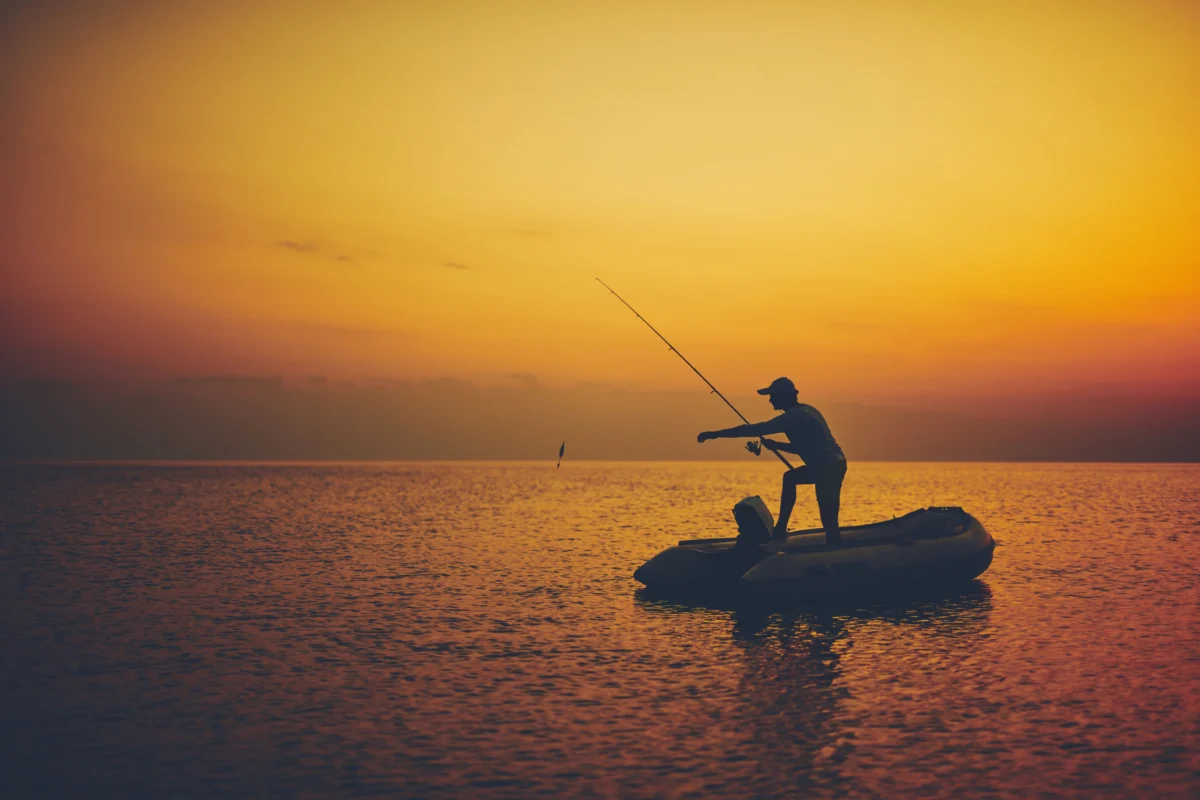
The American recreational fishing landscape is currently navigating a complex period of transition, characterized by a significant increase in total participants alongside a concerning decline in the frequency of engagement. According to the newly released 2026 Special Report on Fishing, a collaborative effort between the American Sportfishing Association (ASA) and the Outdoor Industry Association (OIA), approximately 57 million Americans aged six and older took to the water at least once in 2025. While this figure represents a robust recovery and expansion from the 50.1 million anglers recorded in 2019, the data reveals a sport that is growing "shallower." The industry is witnessing a fundamental shift where fishing is increasingly viewed as a casual, occasional activity rather than a deeply ingrained, regular hobby.
The core challenge identified in the report is the notable erosion of the "avid angler" base. A decade ago, roughly 8% of participants fished on a weekly basis; by 2025, that figure has constricted to less than 6%. Conversely, the segment of the population that fishes only one to three times per year has surged from 22% to 32%. This "casualization" of the sport is further evidenced by the fact that 68% of all participants now fish 11 times or fewer annually. While the raw number of people interested in fishing remains high, the depth of their commitment is wavering, posing a strategic dilemma for tackle manufacturers, retailers, and conservation agencies that rely on consistent participation.
The Paradox of Participation and the Retention Crisis
Despite the high overall participation numbers, the industry is grappling with a significant "churn" rate. In 2025, the sport experienced a 33% churn rate, meaning that while many new or returning anglers joined the ranks, nearly one million anglers left the sport year-over-year. This led to a slight 2% dip in total participation compared to the previous year. The data suggests that while recruitment efforts—drawing people to the water for the first time—have been successful, the industry is struggling with retention.
Industry analysts point to "time poverty" and the increasing competition for leisure time as primary drivers of this trend. For many modern families, fishing must compete with a myriad of other activities, from youth sports and digital entertainment to other outdoor pursuits. When fishing is treated as a one-off event during a vacation or a holiday weekend rather than a recurring weekend activity, the economic and social "stickiness" of the sport diminishes. The report emphasizes that the future of the industry depends less on finding new faces and more on developing strategies to bring existing anglers back to the water more frequently.
Saltwater Fishing: The Record-Breaking Exception
While freshwater and fly fishing metrics have largely plateaued or declined in frequency, the saltwater sector has emerged as a significant outlier and a beacon of growth. In 2025, saltwater fishing participation rose by 3% to reach a record-breaking 15.5 million anglers. This is the highest total ever tracked in the history of the Special Report, representing an increase of one million participants since 2020.
Unlike other categories, saltwater fishing is growing on both fronts: participation and frequency. Total outings in the saltwater sector rose by 2% to 183 million in 2025. This growth is often attributed to the high-engagement nature of coastal tourism and the professionalization of the charter fishing industry, which provides accessible, high-success experiences for casual and dedicated anglers alike. The stability of saltwater fishing provides a crucial offset to the slight declines seen in freshwater participation and the more pronounced dip in fly fishing engagement.
Historical Context: From the Pandemic Spike to the New Normal
To understand the 2025 data, it is essential to view it through the lens of the last five years. In 2019, the sport was seeing steady but modest numbers, with 50.1 million participants. The COVID-19 pandemic in 2020 served as a massive catalyst for the outdoor industry, as social distancing requirements and the closure of indoor entertainment venues drove millions of Americans toward parks and waterways. This period saw a historic spike in fishing license sales and equipment purchases.
The years following 2020 have been defined by the industry’s attempt to "hold the line" on those pandemic-era gains. While many analysts feared a total retreat to pre-2020 levels, the 2025 figure of 57 million suggests that a significant portion of the "pandemic cohort" has stayed with the sport. However, the transition from 2020 to 2025 has seen the nature of that participation change. The frantic, high-frequency engagement of the lockdown era has settled into the more casual, "occasional outing" pattern observed in the current report.
Demographic Shifts and the "New Face" of Fishing
The 2026 Special Report highlights a diversifying angler base, which is seen as the primary opportunity for long-term growth. The industry is seeing a younger, more diverse wave of newcomers, including significant increases in participation among Hispanic, Black, and female anglers.
- Female Anglers: Women continue to be one of the fastest-growing segments in the sport. The report indicates that female participation is not just a trend but a fundamental shift in the fishing demographic, requiring the industry to adapt its marketing, equipment design, and educational outreach.
- Hispanic and Black Participation: Outreach programs aimed at urban centers and diverse communities are showing results. The report profiles these key audiences, noting that their entry into the sport often comes through family-oriented freshwater fishing.
- Youth Engagement: While youth participation remains high, it is also the segment most prone to churn as children grow into teenagers and their interests diversify.
The challenge for the American Sportfishing Association and its partners is ensuring that these new demographics feel represented and supported. The report suggests that a lack of "fishing mentors" and accessible local waters are the primary barriers preventing these diverse groups from moving from "casual" to "avid" status.
The Intersection of Fishing and the Broader Outdoor Economy
One of the most revealing aspects of the 2026 report is the heavy crossover between fishing and other outdoor activities. Fishing does not exist in a vacuum; it is often part of a larger "outdoor lifestyle" package. The data shows that a vast majority of anglers also engage in:
- Camping: Many fishing trips are anchored by overnight stays in state or national parks.
- Hiking and Walking: Accessing remote fishing spots often requires significant trail time, linking the two activities.
- Boating: The health of the fishing industry is inextricably linked to the recreational boating market, as many saltwater and freshwater outings require motorized or non-motorized vessels.
This crossover highlights an opportunity for cross-industry collaboration. By marketing fishing as a component of a camping trip or a hiking excursion, the industry can tap into the broader "outdoor enthusiast" demographic. However, it also means that fishing is subject to the same headwinds facing the broader outdoor industry, such as climate change, habitat loss, and fluctuating fuel prices.
Official Reactions and Industry Implications
While official statements from the ASA and OIA emphasize the positive nature of the 57 million participant milestone, there is a clear undercurrent of urgency regarding the frequency data. Industry leaders are pivoting toward "R3" strategies: Recruitment, Retention, and Reactivation.
"The data tells us that the interest in fishing is at an all-time high, but the habit of fishing is under pressure," a logical analysis of the report’s findings suggests. For tackle manufacturers, the shift toward casual fishing means a potential change in consumer behavior. Casual anglers are less likely to invest in high-end, specialized gear and more likely to purchase entry-level combos and consumable tackle. For retailers, the challenge is to maintain year-round sales when the majority of their customer base only heads to the water a few times a summer.
From a conservation standpoint, the implications are profound. In the United States, the "user-pay, public-benefit" model of conservation relies heavily on the sale of fishing licenses and excise taxes on fishing equipment (via the Dingell-Johnson Act). If the number of "occasional" anglers remains high, license revenue may stay stable, but if the churn rate continues to rise and the total number of participants eventually drops, the funding for habitat restoration and fish stocking could be at risk.
Conclusion: Navigating the Waters Ahead
The 2026 Special Report on Fishing serves as both a celebration of the sport’s enduring popularity and a warning of its changing nature. With 57 million participants, fishing remains a pillar of American recreation, yet the trend toward infrequent engagement suggests that the sport is losing its place as a routine part of the American week.
To secure a robust future, the industry must look beyond the "first catch." The focus must shift toward creating infrastructure and community support that lowers the barrier to frequent participation. This includes improving access to urban fisheries, simplifying licensing processes, and fostering mentorship programs that help casual newcomers become lifelong enthusiasts. As the report concludes, the future of fishing will be defined by the industry’s ability to turn a "once-a-year outing" back into a "regular pursuit." For an industry that contributes billions to the national economy and forms the backbone of aquatic conservation, the stakes for getting people back to the water more often could not be higher.
