

Published October 26, 2026 03:43PM
As the crisp autumn air settles and the leaves paint the landscape in vibrant hues, a palpable sense of anticipation grips the skiing and snowboarding community. The transition from the languid days of summer to the eagerly awaited winter season is marked by a growing impatience for the first chairlifts to ascend snow-laden slopes. While the wait can feel interminable, this pre-season period offers a critical opportunity for enthusiasts to proactively prepare their equipment, ensuring a seamless and exhilarating start to the winter. Ski shops, having shifted their focus from summer recreational gear to winter sports essentials, are now equipped with tuning machines and bootfitting stations, operating with a reduced wait time that will inevitably swell as the official opening days approach. This window presents an ideal chance to address necessary gear updates and maintenance, transforming opening day from a frantic scramble to a smooth departure from the driveway.
The Pre-Season Gear Audit: A Six-Point Checklist for Skiers and Snowboarders
Experts universally advise a comprehensive gear inspection and maintenance routine before the first snowfall. This proactive approach not only guarantees readiness but also enhances safety and performance on the mountain. The following six steps, compiled with insights from industry professionals, provide a structured framework for this essential pre-season ritual.
1. The Inventory and Inspection: A Head-to-Toe Assessment
The first fundamental step in pre-season preparation is a thorough inventory and inspection of all skiing and snowboarding equipment. The frustration of discovering a missing glove or misplaced ski boots on opening day can significantly mar the experience. Creating a detailed "shred list" is a crucial starting point, systematically cataloging items from head to toe: helmet, goggles, neck gaiter or buff, jacket, gloves, pants, boots, skis or snowboard, and poles. This ensures nothing is overlooked and provides a clear overview of what needs attention. Beyond mere location, a meticulous visual inspection of each item’s condition is paramount. Signs of wear and tear, damage, or deterioration can significantly impact performance and safety.
2. Ski and Snowboard Base and Edge Integrity: Prioritizing Performance and Safety
For skiers and snowboarders, the condition of their skis or snowboard is directly linked to their ability to navigate varied terrain and conditions effectively. Otto Gibbons, hardgoods supervisor at Sturtevants Ski Shop in Bellevue, Washington, emphasizes the urgency of addressing any issues with bases and edges well before the peak season rush. "First thing’s first, if you need to stop by your local ski shop, go now before the season starts, and definitely before the holidays," Gibbons advises.
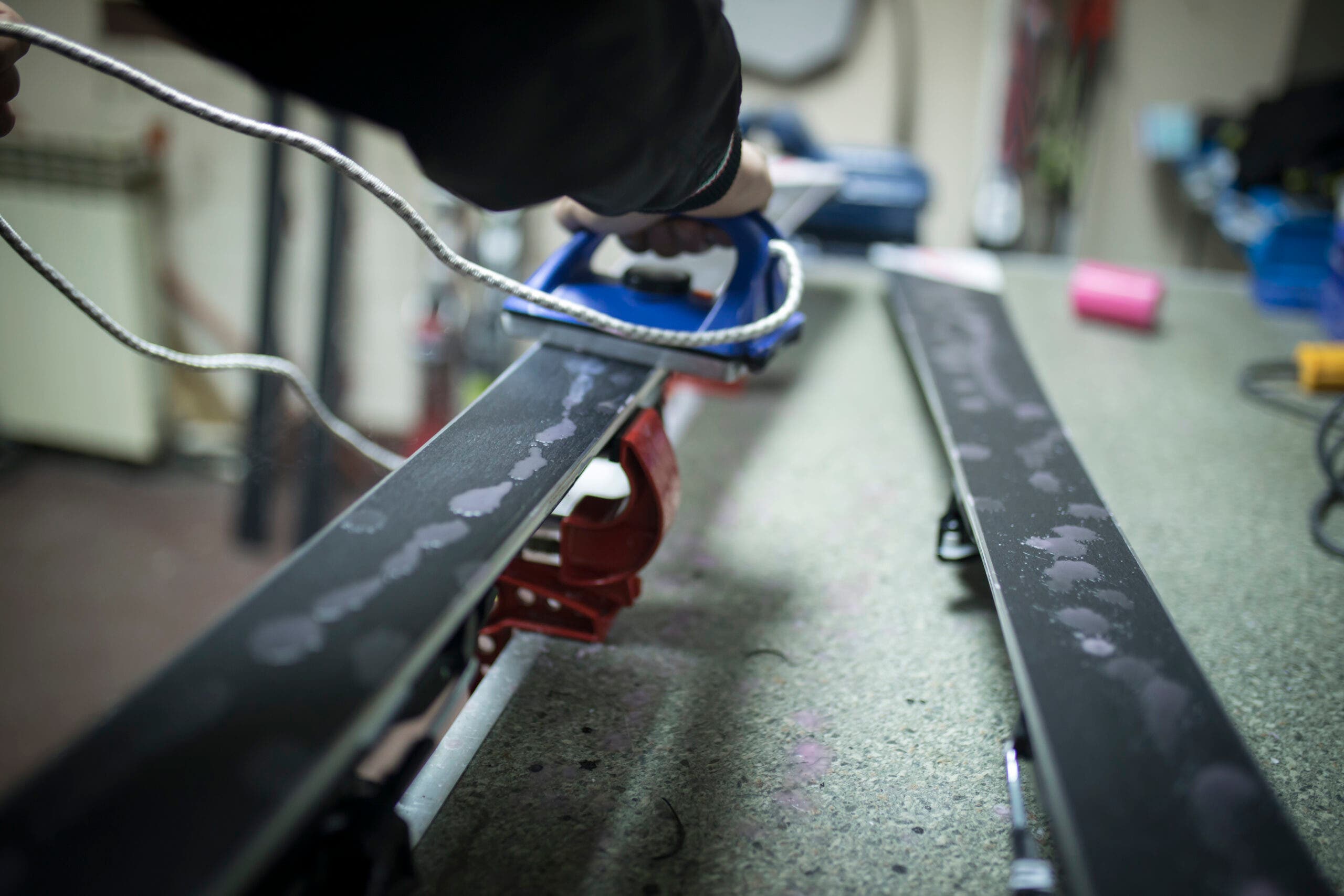
Base Damage Assessment: A critical area of inspection is the ski or snowboard base. Core shots, characterized by visible damage to the underlying material, and significant gouges are immediate red flags. Gibbons highlights the importance of observing if different colors of base material are exposed within a core shot, as this indicates potential for water ingress and further deterioration of the ski’s integrity. "Large gouges will also slow you down on the hill and even affect how your ski hooks up at a lower edge angle," he cautions. These imperfections not only compromise speed but can also hinder the precision and responsiveness of turns, particularly on challenging or icy surfaces. For snowboarders, similar base damage can lead to reduced glide and a less predictable ride.
Edge and Sidewall Examination: The edges of skis and snowboards are their primary tools for grip and control. Along the sidewall, any signs of an "edge blowout," where the metal edge is detached from the ski’s structure, require immediate attention. Gibbons notes that such damage can often be repaired by skilled technicians, potentially preventing a more catastrophic failure and separation of the ski’s components. Rust on the edges is a common indicator of insufficient drying after the last use. Ski technicians can effectively remove this rust through a comprehensive edge tuning process, restoring optimal sharpness and preventing further corrosion.
The Importance of Waxing and Ski Lifespan: Forgetting the last professional tune-up can have significant consequences. "If you cannot remember the last time you took your skis into the shop, do it now," Gibbons stresses. Regular waxing is crucial for maintaining the base’s hydration and ensuring a fast, smooth glide. Over time, ski and snowboard bases can become dry and porous, leading to reduced performance. The lifespan of skis and snowboards is typically estimated at 300-400 days of hard skiing or riding. Beyond this threshold, materials can lose their inherent "snap" and responsiveness, signaling that it is time to consider a new pair for optimal performance and safety.
3. Boot Fit and Functionality: The Foundation of Comfort and Control
Ski and snowboard boots are the crucial interface between the rider and their equipment. A proper fit is essential for comfort, control, and injury prevention. The "Cinderella approach," as described by Gibbons, involves a detailed inspection and fitting process.
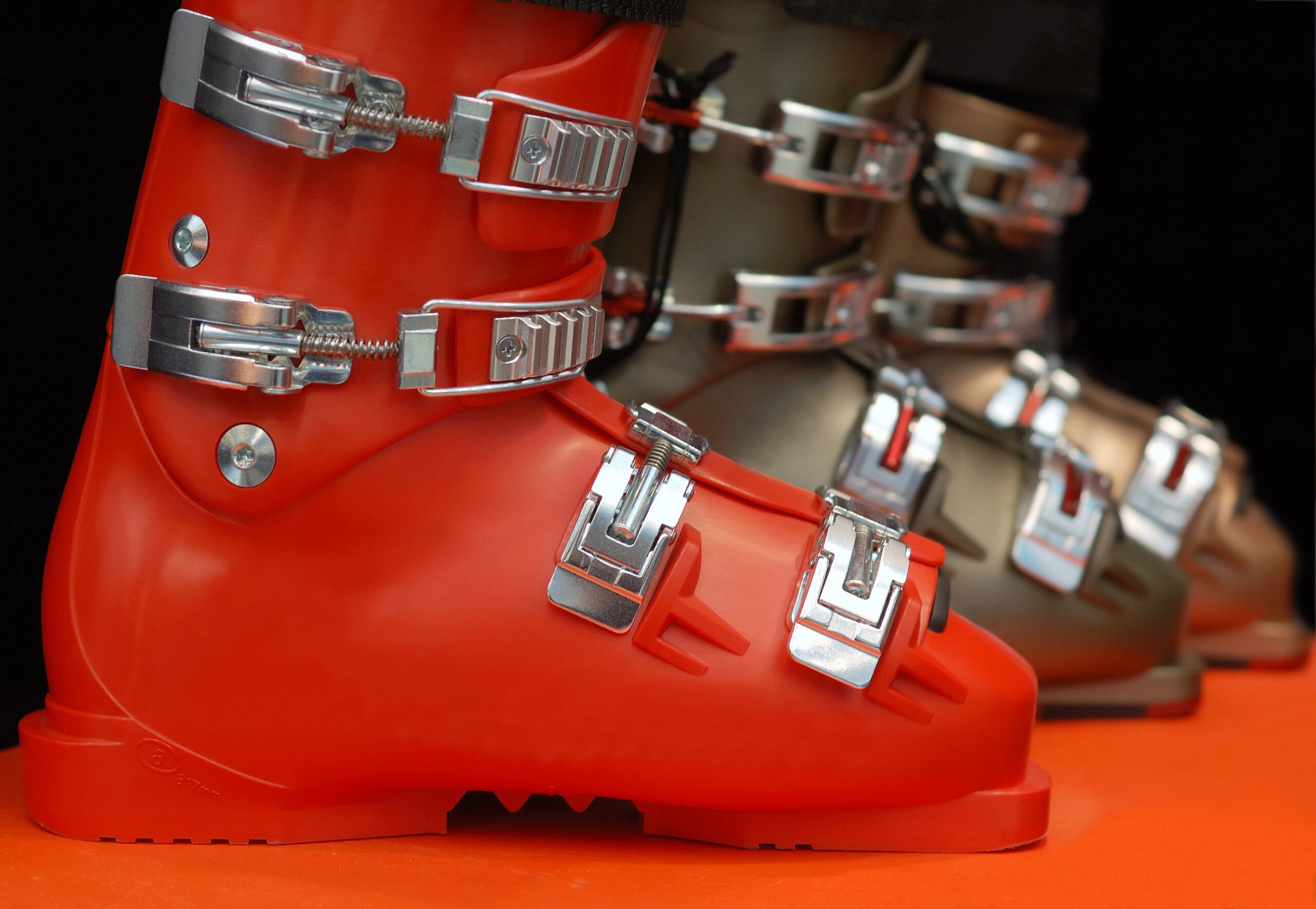
Structural Integrity and Sole Wear: The initial check should confirm that all boot components, such as buckles and straps, are present and functional. The condition of the boot soles is equally important. Significant wear on the soles, often from walking around resort base areas, can prevent bindings from releasing or retaining the boot correctly. If the boots feature replaceable soles, it is imperative to replace them once they are worn down close to the boot shell. Ski shop technicians can assist in identifying and fitting the correct replacement soles.
The Fit Test: A New Perspective: The true test of a boot’s fit lies in wearing it. A properly fitting boot should feel like a firm, supportive handshake. Gibbons points out that significant changes in foot size due to factors like weight fluctuations, aging, pregnancy, or injury can alter boot fit. He also reminds skiers that after months of not wearing restrictive footwear, a boot may initially feel "a little tighter than I remember," which is a common and often temporary sensation. It is vital to ensure the boot liner is free from any foreign objects. "You’d be surprised what we find, including critters," Gibbons notes, underscoring the need for a thorough internal inspection.
Liner Longevity and Customization: The liners within ski and snowboard boots have a finite lifespan, typically 60 to 120 days of hard use, after which they can become "packed out" and lose their supportive qualities. For those who love their existing boot shells but find the liners have lost their effectiveness, replacing them with aftermarket liners can breathe new life into the footwear. However, if the boot is no longer meeting the demands of the skier’s performance level, or if the boot is significantly aged, it may be time to invest in a new pair.
4. New Gear Integration: Tailoring Unridden Equipment
Even brand-new skis, snowboards, and boots require pre-season attention to ensure optimal performance and compatibility. Taking advantage of off-season sales can lead to acquiring new equipment, but this equipment needs to be properly integrated into the existing setup.
Binding Mounting and Compatibility: For new skis or snowboards, prompt binding mounting is recommended to avoid the surge in demand closer to the season’s start. Furthermore, it is crucial to verify the compatibility of the entire setup. Ian Lochhead, head alpine ski coach for the University of Colorado, emphasizes the importance of this step, particularly with evolving boot sole technology. "If you got new Gripwalk soles on your boots, make sure your skis, including your powder boards, have bindings that are Gripwalk compatible, otherwise the binding will not function properly with the wrong soles in it," he states. Mismatched binding and boot sole types can lead to serious safety concerns, including unintended releases or a failure to release when necessary.
New Boot Refinement: New boots, even from reputable brands, often require some degree of customization. Walking around the house in new boots is essential to identify any potential "hot spots" or pressure points. Lochhead suggests that recreational skiers should prioritize comfort and an appropriate flex. He notes that while ski racers may opt for tighter toe boxes, recreational skiers benefit from having toe mobility for athletic movements and better edge control. For those interested in carving, consulting with a professional boot fitter to address canting and fit issues before the first day on snow is highly advisable.
Factory Ski and Snowboard Adjustments: While skis and snowboards often perform well "out of the box," minor adjustments can significantly enhance their performance. Lochhead mentions that factories generally deliver well-prepared skis, but a professional check of base and edge bevels is always recommended. Ski shops can tailor these bevels to suit specific snow conditions, such as the drier snow prevalent in the Rockies or the harder, icier surfaces often found on the East Coast. This customization ensures the equipment is optimized for the anticipated riding environment.
5. Outerwear Performance and Durability: Staying Dry and Protected
Ski and snowboard outerwear, from jackets to pants, is subjected to significant wear and tear throughout a season. Pre-season inspection ensures that this crucial layer of protection remains effective against the elements.
Washing and DWR Rejuvenation: Will Dobrowski, materials coordinator for Stio, highlights the importance of washing outerwear with specialized technical washes, particularly those featuring PFAS-Free DWR (Durable Water Repellent) finishes. These modern finishes are more susceptible to oils and stains. When water no longer beads effectively on the jacket’s surface, it is a clear indicator that the DWR treatment needs attention. "The dryer is actually what re-invigorates your DWR to help water bead more effectively," Dobrowski explains. A quick 10-minute cycle on low heat can often restore water repellency. For immediate needs, a brief tumble in the dryer can provide a temporary fix.
Physical Damage and Seam Integrity: A thorough inspection should include checking the exterior of the outerwear for any rips or tears, as well as examining interior seams. Peeling seam tape can compromise the garment’s waterproof and breathable capabilities, allowing moisture to penetrate. Small holes can often be repaired with adhesive gear tape applied to both the interior and exterior surfaces. Dobrowski recommends placing patched items in the dryer for about 15 minutes to ensure the adhesive bonds effectively. Zippers are another common point of wear and tear; checking their functionality and considering manufacturer repair programs for issues like zipper replacement is a prudent step.
6. Helmet and Goggle Readiness: Prioritizing Safety and Vision
The final but perhaps most critical aspect of pre-season preparation involves the inspection of safety equipment: helmets and goggles.
Helmet Integrity and Lifespan: Jon Jay, Sweet Protection’s North American brand manager, underscores the critical nature of helmet safety. "As a rule of thumb, any fall that ‘rings your bell,’ even if you don’t get a concussion, would warrant getting a new helmet," he states. He draws a parallel to replacing a child’s car seat after an accident, emphasizing that unseen damage can compromise a helmet’s protective capabilities. Beyond impact-related replacements, Jay recommends replacing helmets every four to five seasons of regular use, even without significant crashes. Modern helmets, constructed from advanced plastics, can lose their structural strength and rigidity with consistent exposure to UV rays, temperature fluctuations, and general use. Visual inspection should focus on the exterior shell for any warping, cracks, or delamination. Functional checks of the buckle and straps are also essential. While inner liners can often be washed, Mips inserts, if present, should not be removed.
Goggle Fit and Vision Clarity: Ensuring clear vision is paramount for both safety and enjoyment on the slopes. Goggle compatibility with the chosen helmet is crucial to avoid "goggle gap," a space between the helmet and goggles that can allow snow and wind to enter, causing discomfort and impairing vision. Inspect the goggle foam for signs of wear or degradation, which can affect the seal against the face. The strap should be inspected for fraying or damage. Most importantly, the goggle lens must be free of scratches, cracks, or cloudiness that could obstruct vision. Grady Skelton, global snow marketing manager for Smith, notes that for goggles with interchangeable lenses, replacing a damaged lens is a simple and cost-effective solution.
By diligently following these six points of inspection and maintenance, skiers and snowboarders can transform the pre-season anticipation into productive preparation. This proactive approach not only guarantees that gear is ready for opening day but also enhances the overall skiing and snowboarding experience, ensuring safety, performance, and maximum enjoyment on the mountain. The reward for this effort is a seamless transition from eager anticipation to immediate exhilaration as the lifts begin to spin.
