

The Utah Avalanche Center (UAC) is entering a new era as Bruce Tremper, a towering figure in avalanche safety and forecasting, announces his retirement from the U.S. Forest Service at the close of August. Tremper, who has helmed the UAC for the past 29 years, has been instrumental in shaping avalanche education and forecasting not only within Utah’s legendary Wasatch Range but across the entire avalanche industry, both domestically and internationally. His departure marks the end of an era defined by his deep expertise, innovative spirit, and unwavering commitment to public safety in the backcountry.
A Legacy Forged in Snow and Science
Tremper’s profound impact on avalanche science and safety is the culmination of a career dedicated to understanding and mitigating the risks posed by snow. His journey began in Montana, where he pursued his Master of Science degree at Montana State University under the tutelage of Dr. John Montagne. This academic foundation was quickly translated into practical application. Tremper gained invaluable hands-on experience in avalanche control work at prominent ski areas, including Bridger Bowl and Big Sky. His early career also saw him contributing to avalanche forecasting at the Alaska Avalanche Center, collaborating with esteemed professionals such as Doug Fesler, Jill Fredston, and Jim Woodmency. These formative years provided him with a comprehensive understanding of snowpack dynamics and avalanche behavior in diverse and challenging environments.
In 1986, Tremper assumed the directorship of the Utah Avalanche Center. During his extensive tenure, he witnessed and actively drove the evolution of avalanche advisories from rudimentary phone-recorded messages to sophisticated, multi-faceted internet-based products. Under his leadership, the UAC became a pioneer in presenting complex avalanche information in an accessible format. This innovation included the introduction of standardized icons to represent different avalanche problems and danger levels, a practice that has since become a benchmark for avalanche centers worldwide. This commitment to clarity and accessibility was crucial in empowering backcountry enthusiasts with the knowledge needed to make informed decisions.
Beyond Forecasting: A Multifaceted Contributor to Avalanche Safety
Tremper’s influence extended far beyond his role as UAC Director. He served as the editor for The Avalanche Review for six years, a critical publication for avalanche professionals and enthusiasts alike. His prolific output includes numerous published papers, several impactful avalanche safety videos, and two highly regarded books on avalanches. These publications have become essential resources for students, forecasters, and anyone seeking to deepen their understanding of snow science and safety protocols.
His expertise was recognized at the highest levels, including his pivotal role in managing backcountry avalanche safety for Salt Lake City’s 2002 Olympic Winter Games. This demanding assignment showcased his ability to coordinate complex safety operations in a high-stakes environment. Tremper also consistently served as a positive and authoritative voice for the U.S. Forest Service, engaging in hundreds of media interviews to disseminate crucial safety information and raise public awareness about avalanche risks. For decades, he has been a dedicated instructor at the National Avalanche School, shaping the next generation of avalanche professionals. Furthermore, his participation in the working group that developed the conceptual model of avalanche danger and the associated avalanche danger scale in 2010 solidified his position as a thought leader in the field.
A Farewell and a Fond Farewell
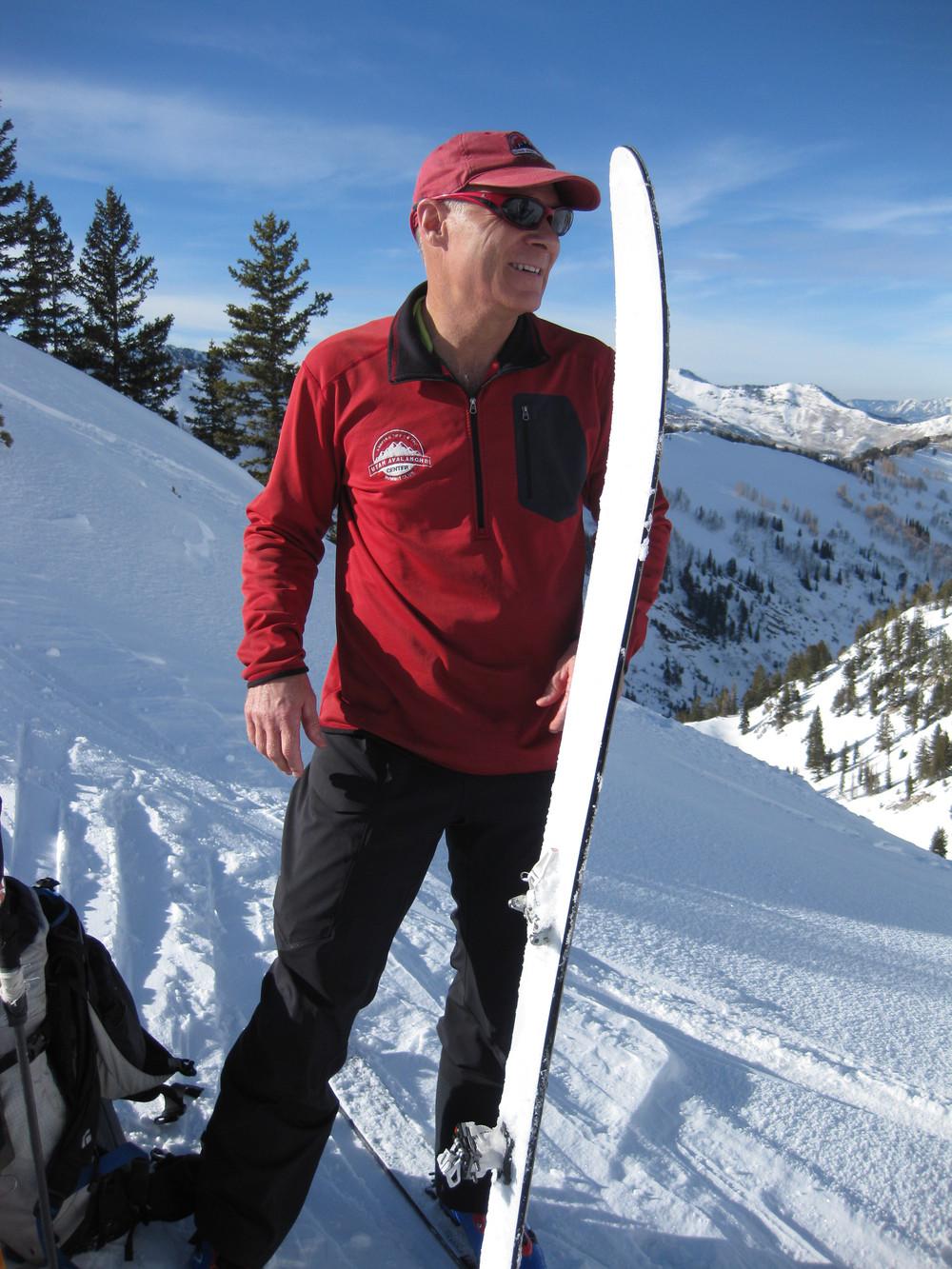
The announcement of Tremper’s retirement has been met with a mixture of appreciation for his immense contributions and a sense of his inevitable absence from the daily operations of the UAC. While he may jest about spending too much time indoors, his passion for the legendary snow of the Wasatch is evident, as seen in images capturing his enjoyment of the backcountry.
"Bruce has been a cornerstone of avalanche safety in Utah and beyond for nearly three decades," stated a colleague who preferred to remain anonymous, reflecting the sentiment of many within the avalanche community. "His dedication to science-based forecasting and public education has saved countless lives. While we will miss his daily leadership, his legacy will undoubtedly continue to guide our work."
Looking Ahead: Mark Staples Takes the Helm
With Bruce Tremper’s retirement, the UAC has announced the appointment of Mark Staples as its new Director. Staples brings a wealth of experience and a proven track record in the field of avalanche science and safety. His professional background includes valuable experience as a ski patroller and snow safety professional at Big Sky Ski Area, a testament to his practical understanding of avalanche hazards in operational settings.
Staples holds a Master of Science degree in Engineering from Montana State University, where he focused his research on snow avalanches, further deepening his scientific acumen. He has also contributed to several special projects for the National Avalanche Center and honed his forecasting skills through eight seasons of backcountry avalanche forecasting at the Gallatin National Forest Avalanche Center. This diverse experience equips him with a robust understanding of both the scientific and practical aspects of avalanche management.

"I am incredibly honored and excited to take on the role of Director at the Utah Avalanche Center," Staples commented. "Bruce Tremper has built an exceptional organization with a strong reputation for excellence. I look forward to working with the talented UAC team to continue providing vital avalanche information and education to the public, while also exploring new avenues for research and outreach."
The transition signifies a commitment to maintaining the high standards established by Tremper while embracing new perspectives and advancements in the field. Staples’ appointment ensures a continuity of leadership that is both experienced and forward-looking.
The Broader Impact and Future of Avalanche Safety
Bruce Tremper’s nearly 30-year tenure at the UAC coincides with a period of significant growth in outdoor recreation, particularly in backcountry skiing and snowboarding. As more people venture into avalanche terrain, the role of organizations like the UAC has become increasingly critical. Tremper’s leadership has been instrumental in adapting to this trend, ensuring that vital safety information is accessible and understandable to a wider audience.
The UAC, under Tremper’s guidance, was an early adopter of technological advancements. The transition from static voice recordings to dynamic, web-based advisories with detailed graphics and analysis represented a paradigm shift in how avalanche danger was communicated. This proactive approach to information dissemination is a hallmark of Tremper’s legacy and will continue to be a core focus for the UAC.
The conceptual model of avalanche danger and the associated danger scale, a framework developed in 2010 with Tremper’s input, has provided a standardized language for discussing and understanding avalanche risk across different regions and agencies. This standardization is crucial for consistency in forecasting and for the effective training of avalanche professionals.
Continued Engagement and a New Chapter
Fortunately for the avalanche community, Bruce Tremper’s retirement from the Forest Service does not signal a complete withdrawal from the field. He has expressed his intention to continue teaching, writing, and contributing to avalanche safety projects. This ongoing engagement ensures that his vast knowledge and experience will remain a valuable resource.
It is also anticipated that Tremper, along with his wife Susi, will now have more time to indulge in their passion for backcountry skiing. Colleagues humorously note that those hoping to keep pace with them will need to maintain a high level of fitness, a testament to their continued active involvement in the sport.
The Utah Avalanche Center, in congratulating Bruce Tremper on his well-deserved retirement, extends its gratitude for his exceptional service and wishes him the very best in his future endeavors, both professional and personal. The appointment of Mark Staples signals a promising new chapter for the UAC, built upon the strong foundation laid by a true icon of avalanche safety. The continuity of expertise and dedication ensures that the critical mission of avalanche education and forecasting in Utah will continue to thrive.
Timeline of Key Events in Bruce Tremper’s Career:
- Early Career: Earned MS degree at Montana State University, worked in avalanche control at Bridger Bowl and Big Sky, and as an avalanche forecaster at the Alaska Avalanche Center.
- 1986: Appointed Director of the Utah Avalanche Center.
- 1990s – 2000s: Led the UAC through the transition to internet-based advisories, introducing innovative communication tools like icons and avalanche problem descriptions. Served as editor for The Avalanche Review for six years.
- 2002: Oversaw backcountry avalanche safety for the Salt Lake City Olympic Winter Games.
- 2010: Member of the working group that developed the conceptual model of avalanche danger and associated danger scale.
- Present (August 2015): Retires from the U.S. Forest Service. Mark Staples appointed new Director of the Utah Avalanche Center.
The implications of Tremper’s retirement are significant, marking the end of an era of consistent leadership and innovation at the UAC. However, his ongoing commitment to the field and the seamless transition to Mark Staples ensure that the UAC will continue to be a leading voice in avalanche safety. The focus on accessible, science-based information remains paramount, especially as participation in backcountry recreation continues to grow. The UAC’s commitment to providing timely and accurate avalanche forecasts remains a critical public service, protecting lives in one of the nation’s most avalanche-prone regions.