

An avalanche that swept through the Castle Peak area of Nevada County on February 17, 2026, has claimed the lives of nine individuals, marking it as the deadliest skier-involved avalanche in modern California history. The tragic incident, which occurred during a guided backcountry ski trip, has sent shockwaves through the mountaineering community and prompted a renewed focus on avalanche safety in the Sierra Nevada. Eight bodies have been recovered, and one skier remains unaccounted for, presumed deceased.
The Tragedy Unfolds: A Day of Devastation
The ill-fated excursion, operated by Blackbird Mountain Guides out of Truckee, began with a group of 15 individuals – 11 clients and four guides – embarking on a three-day trip to the Frog Lake Huts. The group was traveling together in rugged backcountry terrain north of Interstate 80 near Donner Summit within the Tahoe National Forest when the catastrophic slide occurred late Tuesday morning. According to witness accounts from the survivors, the avalanche struck with astonishing speed, overtaking the group moments after a warning was issued.
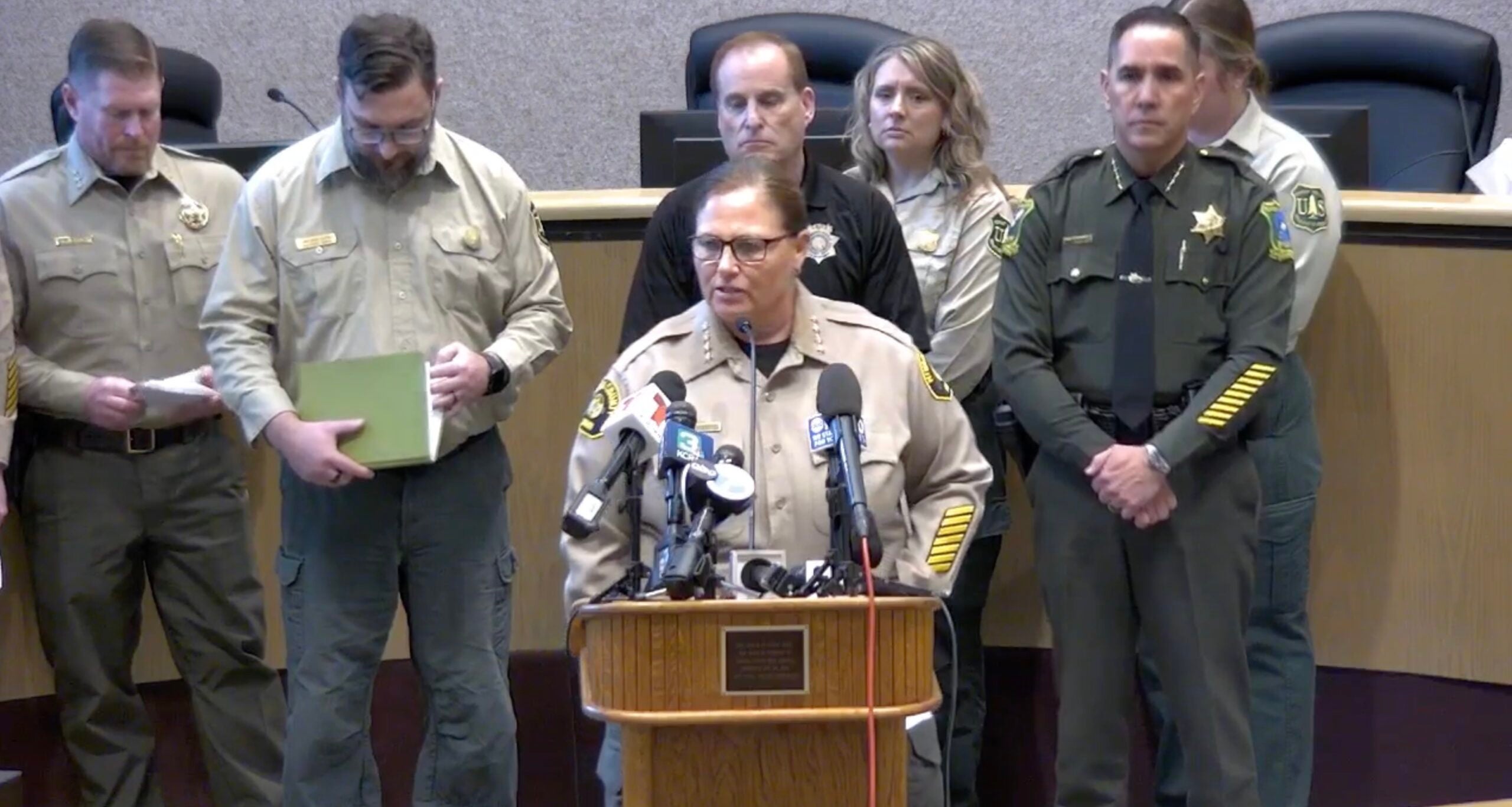
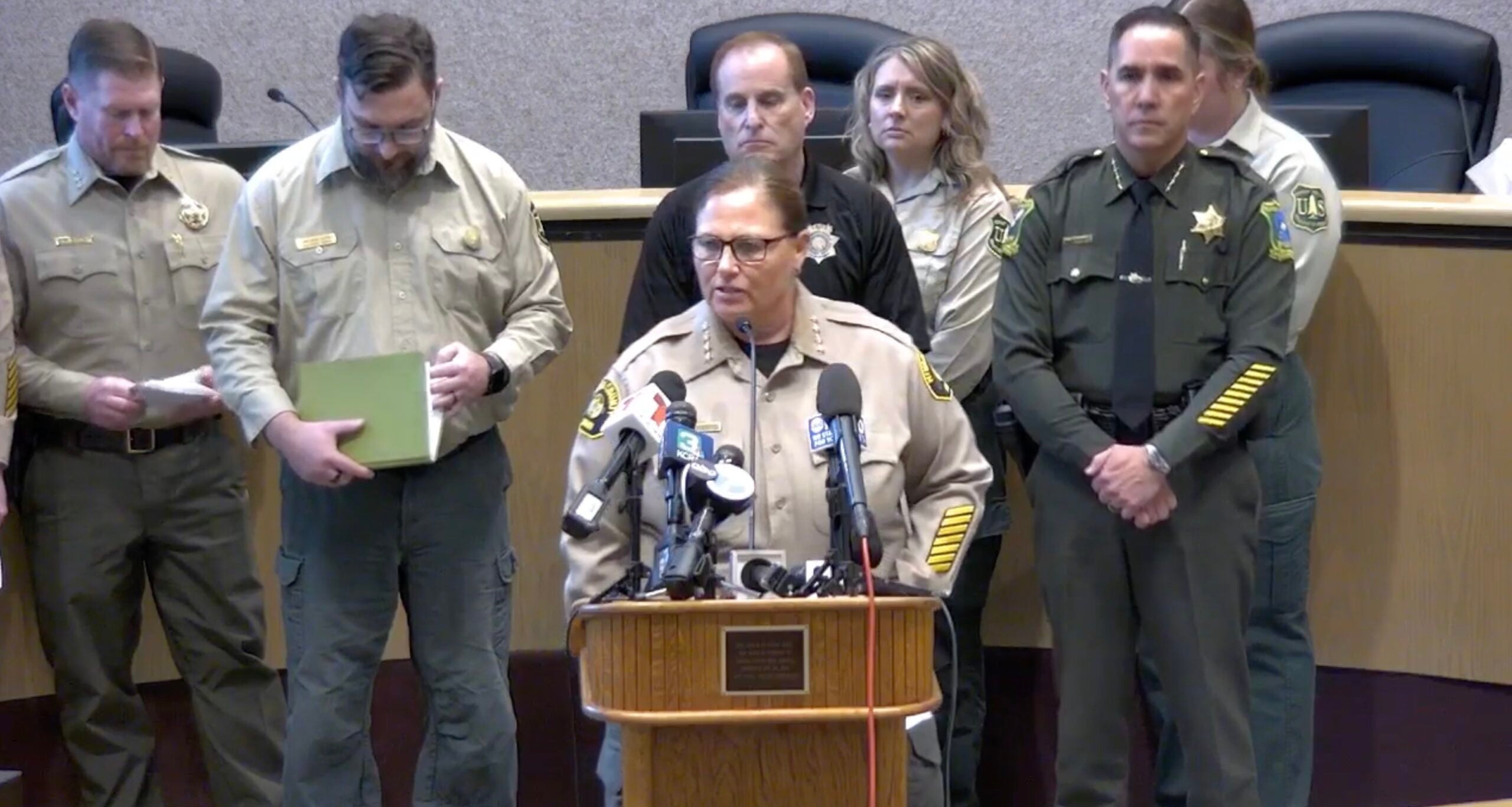
Nevada County Sheriff Shannon Moon confirmed the grim details during a press conference on Wednesday, February 18th. "Dispatchers received a 911 call reporting the avalanche at approximately 11:30 a.m.," Moon stated. "Our hearts go out to the families and friends of those lost in this devastating event."
A Race Against Time and the Elements
The immediate aftermath of the avalanche triggered a massive search and rescue operation, complicated by extreme weather conditions and persistent high avalanche danger. Rescue teams, comprised of over 50 personnel from Nevada, Placer, and Washoe counties, faced gale-force winds and near-whiteout conditions as they deployed snowcats and skied approximately two miles into the remote avalanche zone. The closure of Interstate 80, a critical artery for accessing the region, further hampered access and logistical coordination.
Responders finally made contact with the six survivors at approximately 5:30 p.m. on Tuesday, roughly six hours after the initial 911 call. The survivors had managed to shelter in place, awaiting the arrival of assistance. Communication with the group was maintained through text messages and iPhone emergency communications, with officials exchanging messages with one of the guides for over four hours during the arduous rescue effort.
Of the six survivors, two sustained injuries significant enough to prevent them from walking out independently. One individual received treatment and was released, while another remains hospitalized with non-life-threatening injuries. The survivors played a crucial role in the recovery effort, having located three deceased victims prior to the arrival of the official rescue teams.
A Grim Toll: Records Shattered
The Castle Peak avalanche has tragically surpassed the 1982 Alpine Meadows avalanche, which claimed seven lives, as the deadliest skier-involved avalanche in modern California history. The 1982 disaster, also occurring in the same Sierra Nevada region near Donner Summit, had long stood as a somber benchmark for such incidents. The current tragedy underscores the persistent and potent dangers of the mountainous winter environment.
Sheriff Moon confirmed that eight of the nine individuals who were unaccounted for have now been located deceased. All of the recovered decedents were reportedly wearing avalanche beacons, a critical piece of safety equipment designed to aid in locating buried individuals. However, the sheer force and scale of the avalanche appear to have overwhelmed even these safety measures.
Authorities have not yet released the names of the victims, citing the ongoing process of notifying next of kin. The search for the final missing person continues, though Sheriff Moon indicated that based on survivor accounts and the overall conditions, this individual is presumed deceased.
Understanding the Avalanche: Snowpack Instability and Human Factors
Preliminary assessments by officials point to a classic avalanche scenario involving a persistent weak layer within the snowpack. Tahoe National Forest Supervisor Christopher Trier explained that a significant amount of new snow overloaded this weak layer, triggering the catastrophic slide. The avalanche was rated a D2.5 on the destructive scale, signifying a powerful event capable of destroying structures.
The Sierra Avalanche Center has consistently warned of very high avalanche danger in the region throughout the recent storm cycle. Officials are emphasizing that while natural factors play a significant role, human decisions and preparedness are paramount in mitigating risk. The incident is a stark reminder of the inherent dangers of backcountry travel, even for experienced guides and clients.
A Community in Mourning and a Call for Caution
The incident has cast a pall over the close-knit mountain community. Placer County Sheriff Wayne Wu highlighted the profound emotional impact on first responders, noting that one of the deceased was the spouse of a Tahoe Nordic Search and Rescue team member. "This incident has specifically struck our organization… hard," Sheriff Wu stated. "We are committed to being here until the end and making sure we make all these recoveries."
Sheriff Wu also drew a parallel to the 1982 Alpine Meadows avalanche, recalling the immense strain that event placed on the organization and the community. He urged the public to exercise extreme caution. "Please allow us to focus all of our resources on continuing to recover these bodies for the family and bring them home," he implored.
The steep and unstable terrain, coupled with ongoing severe weather, has shifted the operation from rescue to recovery. The deceased skiers remain on the mountain, awaiting their eventual removal to the Placer County morgue for formal identification and determination of cause of death.
Broader Implications and Safety Imperatives
The Castle Peak avalanche serves as a critical and tragic case study for avalanche safety protocols and public awareness. The Sierra Avalanche Center reiterates its recommendations for backcountry travelers: always check the latest avalanche forecasts, avoid closed or high-risk terrain, travel with partners, and ensure proper avalanche safety equipment and training are acquired and utilized.
This incident underscores the need for continuous education and vigilance. While technology and rescue efforts have advanced significantly since 1982, the raw power of nature remains an undeniable force. The investigation into the precise circumstances of the avalanche is ongoing, with officials seeking to learn as much as possible to prevent future tragedies. No further press conferences are currently scheduled, as the focus remains on the solemn task of recovery and supporting the grieving families. The Sierra Nevada, while a breathtaking playground, demands the utmost respect and preparedness from all who venture into its wild embrace.