

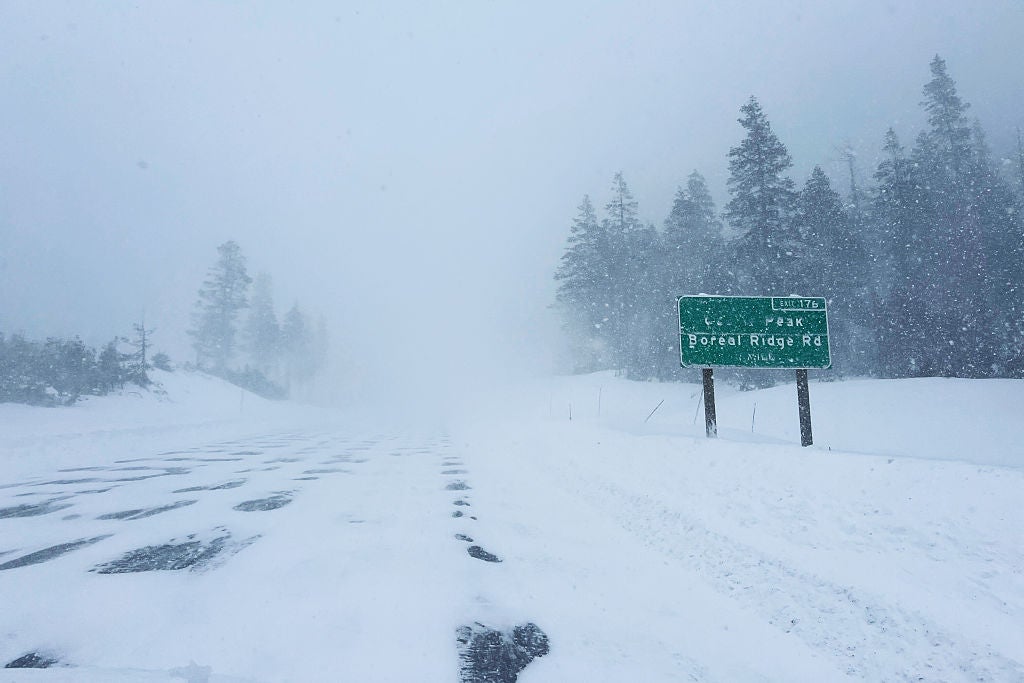
The Sierra Nevada region is reeling from an unprecedented tragedy following a massive avalanche near Castle Peak, outside Truckee, California, on February 17, 2026, which has claimed the lives of eight individuals, with a ninth presumed dead, during a professionally guided backcountry ski trip. The incident, now confirmed as the deadliest skier-involved avalanche in recent history for the region, has sent shockwaves through the close-knit outdoor community and initiated comprehensive investigations into the circumstances surrounding the disaster.
A Community in Mourning: Victims Identified
Six of the eight confirmed fatalities have been identified by their families, revealing a profound loss within multiple communities. Carrie Atkin, Liz Clabaugh, Danielle Keatley, Kate Morse, Caroline Sekar, and Kate Vitt were named as among the deceased. These women, hailing from the Bay Area, Idaho, and the Truckee–Tahoe region, were described as a group of close friends united by their shared passion for the outdoors. A report from The New York Times further highlighted the personal devastation, identifying Sekar, 45, and Clabaugh, 52, as sisters. The remaining unnamed victims were professional guides with Blackbird Mountain Guides, the outfit leading the ill-fated expedition. A ninth member of the group remains unaccounted for and is presumed dead, compounding the tragedy.
In a poignant joint statement, the families expressed their overwhelming grief: “We are devastated beyond words. Our focus right now is supporting our children through this incredible tragedy and honoring the lives of these extraordinary women. They were all mothers, wives and friends, all of whom connected through the love of the outdoors. They were passionate, skilled skiers who cherished time together in the mountains.” The statement emphasized that the group of eight close friends had meticulously planned this professionally guided, two-night hut trip well in advance. They were described not only as experienced backcountry skiers but also as individuals who “deeply respected the mountains,” were trained and prepared for avalanche terrain, and were fully equipped with all necessary avalanche safety gear. Crucially, the families affirmed, “They trusted their professional guides on this trip,” underscoring the reliance placed on expert judgment in such hazardous environments.
The Tragic Chronology of Events
The catastrophic avalanche struck late Tuesday morning, February 17, 2026, in remote backcountry terrain situated north of Interstate 80 near Donner Summit, deep within the Tahoe National Forest. The 15-person group, comprising 11 clients and four guides, was reportedly on the final day of a three-day hut trip, returning to the trailhead after spending two nights at the Frog Lake Huts in the picturesque yet perilous Sierra Nevada.
Leading up to the incident, the region had experienced a significant period of intense winter weather. Heavy snowfall, coupled with strong winds, created extremely unstable snowpack conditions. Avalanche advisories issued by regional centers, such as the Sierra Avalanche Center, had indicated a high danger level across much of the backcountry. This combination of fresh snow, wind-loading, and potentially weak underlying snow layers created a highly volatile environment, setting the stage for the tragedy.
When the avalanche released, it engulfed a significant portion of the group. Five clients and one guide miraculously survived the initial slide and subsequent burial. Their rescue, several hours after the event, was conducted under severe winter storm conditions, highlighting the immense courage and expertise of the search and rescue teams. Agencies from Nevada County, including the Sheriff’s Office and volunteer search and rescue units, alongside other regional emergency services, responded swiftly to the distress calls. The challenging terrain, limited visibility, and ongoing avalanche danger made the rescue operation exceptionally difficult and perilous for responders. Survivors were located using avalanche beacons and advanced search techniques, but the scale of the slide and the depth of the burial proved fatal for many.
Recovery efforts for the remaining victims were tragically hampered and subsequently paused due to persistent adverse weather conditions, continued avalanche danger, and critically unstable snowpack. The Nevada County Sheriff’s Office confirmed that recovery operations would resume only when conditions were deemed safe for rescue personnel, prioritizing their safety in the treacherous environment. This pause underscored the inherent risks involved not only in backcountry travel but also in post-incident recovery in such extreme settings.
Blackbird Mountain Guides Responds Amidst Scrutiny
Blackbird Mountain Guides, the reputable guiding service involved in the expedition, issued a statement on Wednesday evening through its founder, Zeb Blais. His words conveyed profound sorrow: “This was an enormous tragedy, and the saddest event our team has ever experienced. In addition to mourning the loss of six clients, we also mourn the loss of three highly experienced members of our guide team.” The company confirmed that three of its guides were among those killed, bringing the total number of professional fatalities to three.
Blais detailed the extensive qualifications of his guide team, stating that all guides present with the group were either trained or certified by the American Mountain Guides Association (AMGA) in backcountry skiing and were also instructors with the American Institute for Avalanche Research and Education (AAIRE). These certifications represent the pinnacle of professional guiding standards in North America, involving rigorous training in technical skills, risk management, and emergency response in avalanche terrain. Blais also emphasized that guides in the field maintain constant communication with senior guides at base to discuss conditions and routing decisions, implying a robust system of oversight and decision-making protocols.
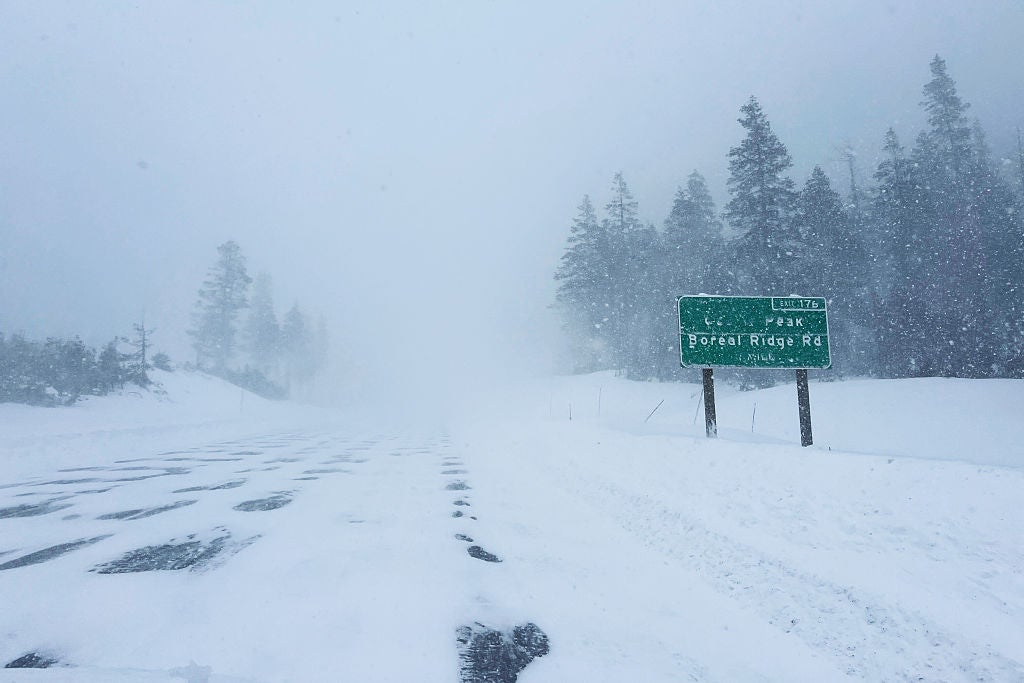
However, the incident has inevitably cast a spotlight on the guide service and broader industry practices. Blackbird Mountain Guides has suspended all field operations through at least February 22, requesting that the public refrain from speculation while ongoing inquiries proceed. This period of suspension allows the company to cooperate fully with investigations and to mourn the loss of their colleagues and clients.
Official Investigations Underway
In the wake of the tragedy, multiple official investigations have been launched to ascertain the exact cause and contributing factors of the avalanche. California workplace safety officials, specifically Cal/OSHA (California Occupational Safety and Health Administration), have opened an investigation into the incident and the guide service involved. Cal/OSHA, operating within the California Department of Industrial Relations, is mandated to review workplace hazards and serious job-related injuries and fatalities. Employers are legally required to report such incidents, and the agency typically has up to six months to conduct its investigation and issue citations if any violations of workplace safety standards are discovered. The agency has yet to provide further details regarding the scope or timeline of its inquiry, maintaining a standard protocol for ongoing investigations.
Beyond Cal/OSHA, it is expected that the Nevada County Sheriff’s Office, acting as the primary law enforcement agency, will conduct its own comprehensive investigation into the fatalities. This will involve forensic analysis, interviews with survivors and witnesses, and a detailed reconstruction of the events leading up to the avalanche. The American Mountain Guides Association and the American Institute for Avalanche Research and Education may also conduct internal reviews of their certification processes and industry best practices in light of the incident, seeking to learn lessons that can enhance safety across the guiding profession. These multi-faceted investigations aim to provide clarity, identify any systemic issues, and ultimately prevent future tragedies.
Broader Context: An Unprecedented Season of Avalanche Danger
The Castle Peak tragedy is not an isolated incident but rather the most devastating event in a season characterized by elevated avalanche danger across the Western United States. Avalanche experts have pointed to "California’s fickle winter weather" as a significant factor, explaining that the state’s snowpack often exhibits complex and unstable layers, making risk assessment particularly challenging, even for seasoned professionals. Unlike more consistently cold and stable continental snowpacks, the Sierra Nevada often experiences periods of warmth followed by cold, leading to weak layers within the snow that can persist and become triggers for large slides under additional loading from new snow or wind.
This historic event brings the national avalanche death toll for the current season to 16, including 12 skiers and snowboarders. The season’s first fatality occurred on December 26, 2025, when a ski patroller tragically lost their life at Mammoth Mountain. The Castle Peak disaster is compounded by other recent fatal incidents across the West:
- February 18, Utah: A man was killed in an avalanche in the Big Flat area near Snake Creek, west of Midway, Utah. His riding companion, equipped with an avalanche beacon, successfully located and dug him out, but he was later pronounced dead, highlighting the critical role of safety equipment and partner rescue skills.
- February 19, Utah: Just a day later, an 11-year-old girl tragically died in an avalanche while backcountry skiing with her family near Brighton Ski Resort. Officials reported that the family had ventured into an out-of-bounds area known as The Rock Garden when the slide occurred, carrying the girl along its path. Authorities have not confirmed whether the group accessed this area via resort lifts, which often blurs the line between controlled resort terrain and uncontrolled backcountry.
These incidents underscore a pressing need for heightened public awareness regarding avalanche risks, even for those with experience and proper gear. The allure of untouched powder and challenging terrain often draws enthusiasts into increasingly remote and dangerous areas, necessitating an unwavering commitment to safety protocols, continuous education, and conservative decision-making.
Implications for Backcountry Recreation and Guiding
The Castle Peak avalanche will undoubtedly have far-reaching implications for the backcountry skiing community, the professional guiding industry, and regulatory bodies. For recreationalists, it serves as a stark reminder of the inherent dangers of avalanche terrain, even when accompanied by highly qualified guides. It emphasizes the importance of understanding avalanche forecasts, carrying essential safety equipment (transceiver, probe, shovel), knowing how to use them, and participating in avalanche safety courses.
For the professional guiding industry, this tragedy will likely trigger intense internal review of protocols, risk assessment methodologies, and decision-making processes in extreme conditions. There may be calls for enhanced regulatory oversight, standardized safety audits, and even more rigorous certification requirements, though the current standards (AMGA, AAIRE) are already considered world-class. The incident could also lead to a re-evaluation of group sizes, client-to-guide ratios, and the routes chosen in periods of high avalanche danger. The trust placed in professional guides, as articulated by the victims’ families, underscores the immense responsibility these individuals carry.
The emotional and psychological toll on the survivors, the families of the deceased, the search and rescue teams, and the broader backcountry community will be profound and long-lasting. The memory of the Castle Peak tragedy will serve as a somber lesson, reinforcing the paramount importance of humility, respect for the mountains, and an unwavering commitment to safety in the pursuit of outdoor adventure. As investigations unfold, the hope remains that the findings will contribute to a deeper understanding of avalanche dynamics and ultimately enhance safety measures, preventing future heartbreaking losses in the majestic yet unforgiving wilderness of the Sierra Nevada.