

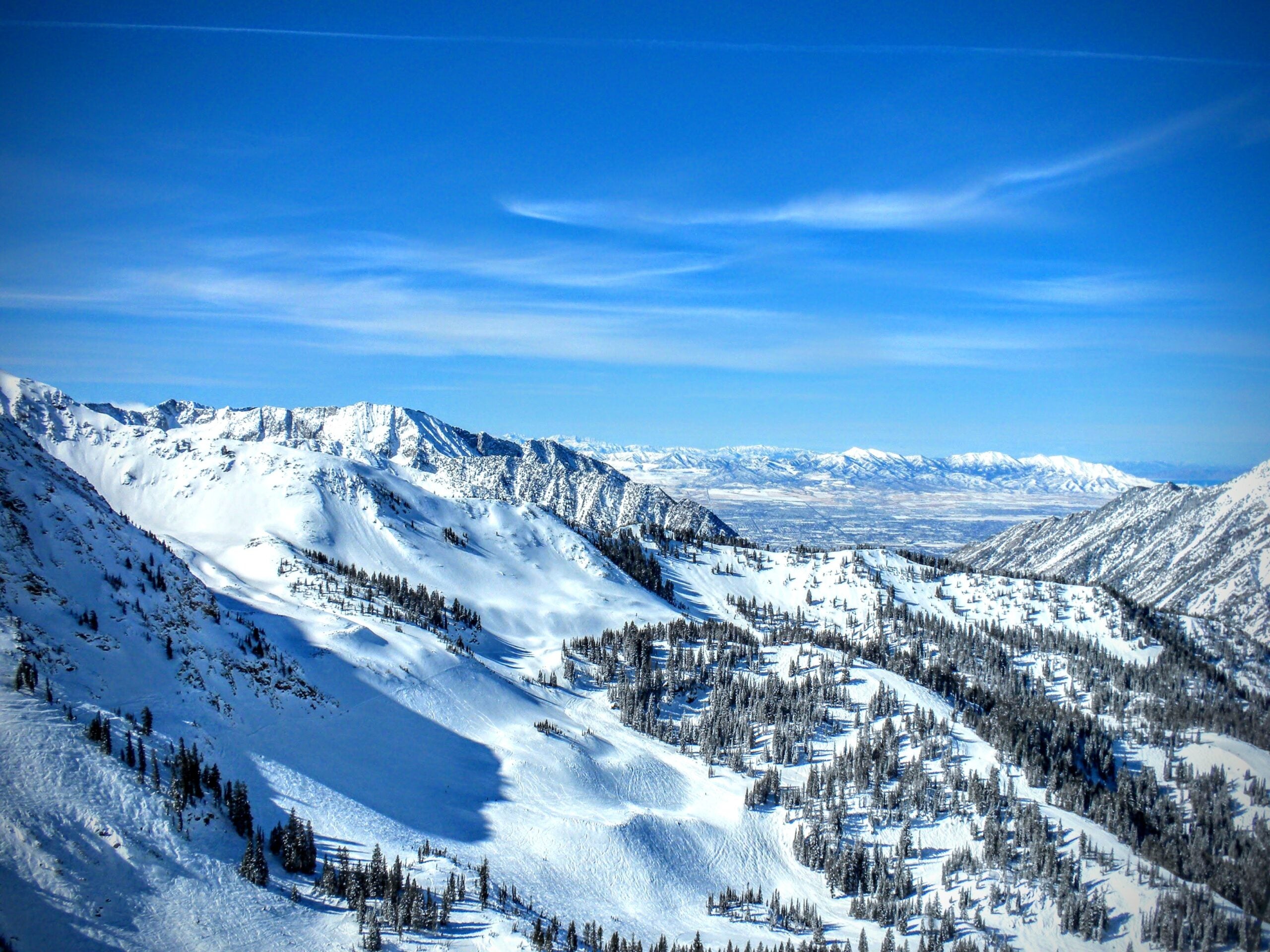
The winter of 2025–2026 has proven to be one of the most volatile and dangerous seasons for mountain sports in recent history, a reality underscored by the tragic death of an 11-year-old girl on February 19, 2026. The youth was skiing with family members near Brighton Resort in Utah’s Big Cottonwood Canyon when she was swept away and buried by an avalanche in a notorious stretch of terrain known as the Rock Garden. This incident, occurring just outside the resort’s managed boundaries, has reignited a national conversation regarding the "sidecountry" phenomenon—the easily accessible but unmitigated terrain located just beyond the ropes of major ski areas. As the regional death toll from avalanches continues to climb, safety experts and resort officials are warning that the convenience of lift-access backcountry is creating a "false sense of security" that can lead to fatal consequences.
The Brighton Incident: A Tragedy in the Rock Garden
The accident occurred during a period of intense snowfall across the Wasatch Range, which had seen several feet of new accumulation over the preceding 72 hours. According to preliminary reports from the Unified Police Department and the Utah Avalanche Center (UAC), the 11-year-old victim was navigating the Rock Garden, a steep, cliff-bound area popular for its technical terrain and deep powder. Despite its proximity to the Brighton Resort lift system, the Rock Garden is officially classified as backcountry.
Rescue efforts were launched immediately after the slide was reported, involving Brighton Ski Patrol, Wasatch Backcountry Rescue, and local emergency services. However, the search was hampered by the fact that the victim was reportedly not wearing an avalanche transceiver, also known as a beacon. Without the electronic signal provided by a beacon, rescuers were forced to rely on traditional probe lines—a labor-intensive and time-consuming process that often yields poor results in the critical first 15 minutes of a burial. The girl was eventually recovered but was pronounced dead shortly thereafter. It remains unclear if other members of the party were equipped with essential safety gear, including probes and shovels.
A Deadly Week: The February 2026 Avalanche Timeline
The Brighton fatality is the latest in a string of high-profile accidents that have defined a particularly grim week for the North American skiing community. The sequence of events highlights a widespread instability in the snowpack across the Western United States.
- February 17, 2026: A massive avalanche occurred at Castle Peak in the Sierra Nevada, near Truckee, California. The slide claimed the lives of six backcountry skiers and three professional guides. This incident was particularly shocking to the community, as the group included highly experienced professionals who were well-versed in mountain safety.
- February 18, 2026: Multiple "close calls" were reported in Colorado’s San Juan Mountains and Utah’s Little Cottonwood Canyon, where several skiers were partially buried but managed to self-extricate or were rescued by companions.
- February 19, 2026: The fatal burial of the 11-year-old at Brighton occurs, marking the 16th avalanche fatality of the 2025–2026 season.
Earlier in the season, on December 26, 2025, the industry was shaken by the death of Cole Murphy, a professional ski patroller at Mammoth Mountain. Murphy was killed in an in-bounds avalanche while performing mitigation work, a rare event that served as an early warning of the season’s unstable snow layers.
The "Sidecountry" Trap and the Illusion of Safety
The Rock Garden at Brighton serves as a primary example of "sidecountry" or "slackcountry" terrain. These areas are accessible via a resort’s chairlifts or trams, allowing skiers to exit through designated gates into the backcountry without the physical exertion of hiking or "skinning" uphill.
Snow safety experts argue that the term "sidecountry" is a dangerous misnomer. To the snowpack, there is no difference between a remote peak and a slope ten feet outside a resort boundary. However, the psychological impact on the skier is significant. The presence of other tracks, the proximity of the lodge, and the ease of access often lead recreators to underestimate the risk.
"The proximity to the lift line creates a cognitive bias," explains a representative from the American Avalanche Association. "People see others skiing the area and assume it has been mitigated by patrol. In reality, once you pass that boundary rope, you are entering a wilderness environment where you are responsible for your own rescue."
In many Western resorts, signage at boundary gates is explicit: "You are leaving the ski area. Avalanches and other hazards exist. You are responsible for your own safety." Despite these warnings, the "powder frenzy"—a state of heightened excitement following a major storm—often leads individuals to bypass safety protocols in the rush to find untracked snow.
Technical Analysis: The 2026 Snowpack Dynamics
The high number of fatalities this season can be attributed to a specific and dangerous snowpack structure observed across Utah, California, and Colorado. Meteorologists and nivologists (snow scientists) have noted a "persistent weak layer" (PWL) at the base of the snowpack.
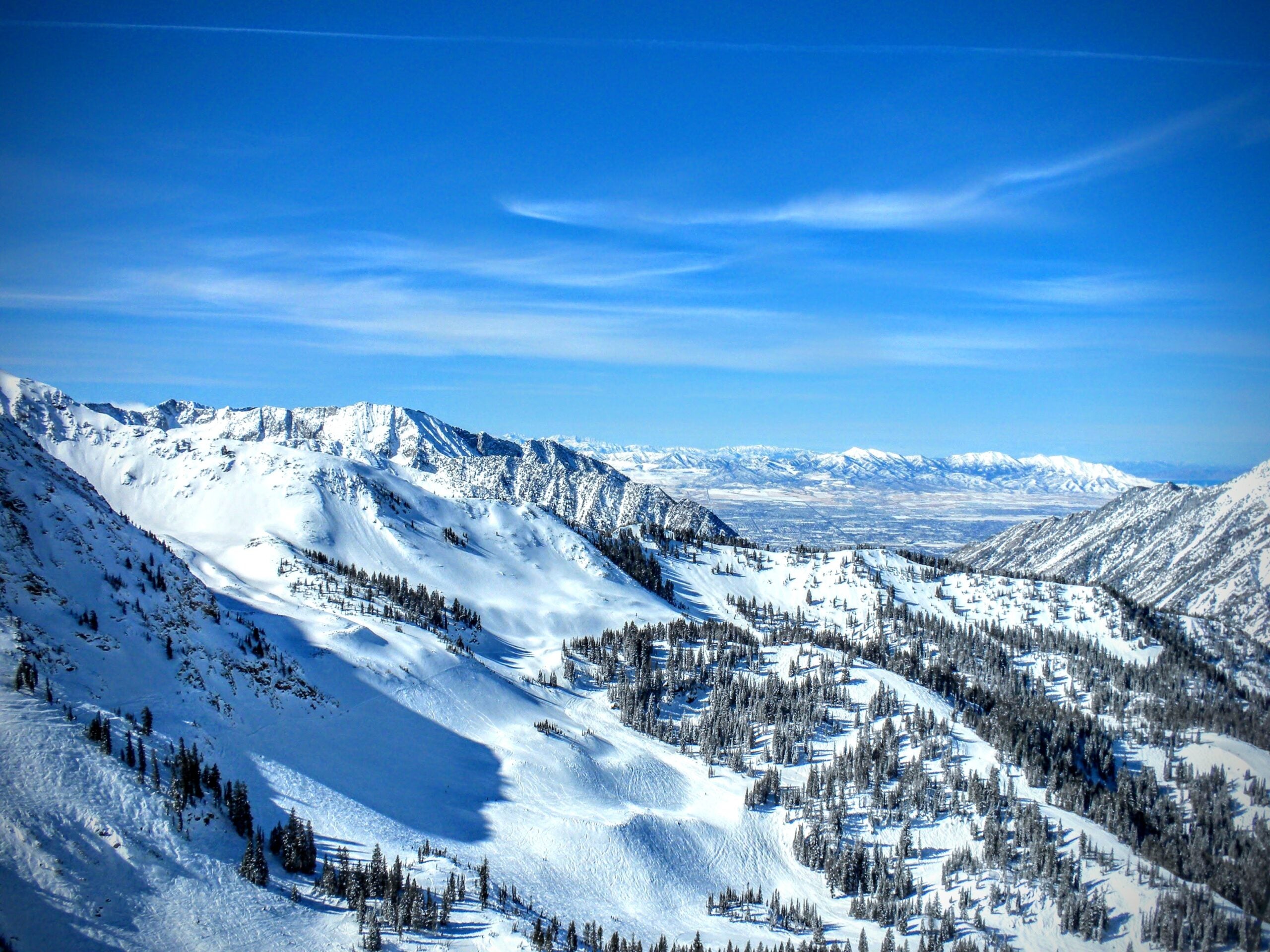
Early season cold spells followed by light snowfall created a layer of "facets"—sugary, unbonded snow crystals—at the ground level. When heavy, wet storms arrived in February, they deposited a massive amount of weight (the "slab") on top of this fragile foundation. The result is a hair-trigger environment where a single skier can trigger a slide that propagates across an entire mountainside.
In the Brighton incident, the Rock Garden’s steepness and rocky outcroppings likely contributed to the instability, as the snow was unable to anchor effectively to the underlying terrain. The Utah Avalanche Center had issued "High" or "Extreme" danger ratings for the days leading up to the accident, specifically warning against travel on steep, leeward slopes.
Official Responses and the Call for Stricter Regulation
In the wake of the Brighton tragedy, local authorities and resort management have expressed profound condolences while emphasizing the necessity of education. A spokesperson for Brighton Resort reiterated that while the resort cooperates with search and rescue operations, the area beyond the boundary is not patrolled or controlled for avalanches.
"Our hearts go out to the family involved in this unthinkable tragedy," the resort stated in a formal release. "We urge all guests to respect the boundaries and to never enter the backcountry without a beacon, probe, shovel, and the training to use them. The mountains are beautiful but unforgiving."
The incident has also sparked a debate within the ski industry regarding boundary management. Some advocates suggest that resorts should implement "beacon checks" at boundary gates—electronic sensors that beep only if a skier is wearing a functioning transceiver. While some resorts in Europe and North America have adopted this technology, it is not yet a universal standard. Others have called for stricter enforcement of "closed" signs, though the vastness of mountain terrain makes physical policing nearly impossible.
Broader Impact and Implications for Mountain Safety
The 2025–2026 season’s death toll of 16 serves as a stark reminder of the inherent risks of winter sports. Beyond the immediate loss of life, these incidents place an immense strain on volunteer Search and Rescue (SAR) teams and professional ski patrols.
Furthermore, the legal landscape of backcountry skiing is evolving. In the Tahoe area, Cal/OSHA has launched an investigation into the Castle Peak avalanche to determine if professional guiding protocols were followed. While the Brighton incident involved a private party, it highlights the growing need for youth-focused avalanche education. Historically, avalanche safety courses (such as AIARE Level 1) have been marketed toward adults, but as more families venture into the sidecountry, there is a push to integrate basic snow safety into youth ski programs.
Conclusion: A Culture of Preparation
As the storm cycle continues across the West, the bottom line for skiers and snowboarders remains unchanged: knowledge is as essential as equipment. The tragic loss of an 11-year-old at Brighton serves as a somber call to action for the entire community.
To mitigate future risks, safety organizations are emphasizing three pillars of backcountry travel:
- Gear: Every person in a group must carry a transceiver, a metal shovel, and a probe.
- Information: Check the daily avalanche forecast from local centers (such as the UAC or CAIC) and understand the specific problems identified.
- Training: Take an introductory avalanche course to recognize "red flags" like recent sliding, "whumpfing" sounds, or cracking in the snow.
The "powder frenzy" that accompanies major winter storms is a natural part of the sport’s appeal, but it cannot come at the expense of life. As this season continues, the memory of those lost—from the professional patrollers to the youngest enthusiasts—remains a powerful motivator for a shift in mountain culture toward mandatory preparation and heightened situational awareness. The boundary rope is not just a suggestion; it is the line between a managed environment and the unmitigated wild.