

The United States federal energy and environmental landscape is undergoing a rapid and fundamental transformation as the Trump administration executes a series of executive actions and departmental directives aimed at reversing decade-long transitions toward renewable energy. In a coordinated series of moves over the recent holiday period, the administration has moved to suspend major offshore wind developments, propose a massive expansion of offshore oil and gas leasing, intervene in state-level coal plant retirements, and threaten the operational future of the nation’s premier atmospheric research center. These actions represent a significant pivot toward fossil fuel prioritization and a systematic challenge to the scientific and regulatory frameworks that have governed U.S. climate policy.
Suspension of Major Offshore Wind Developments
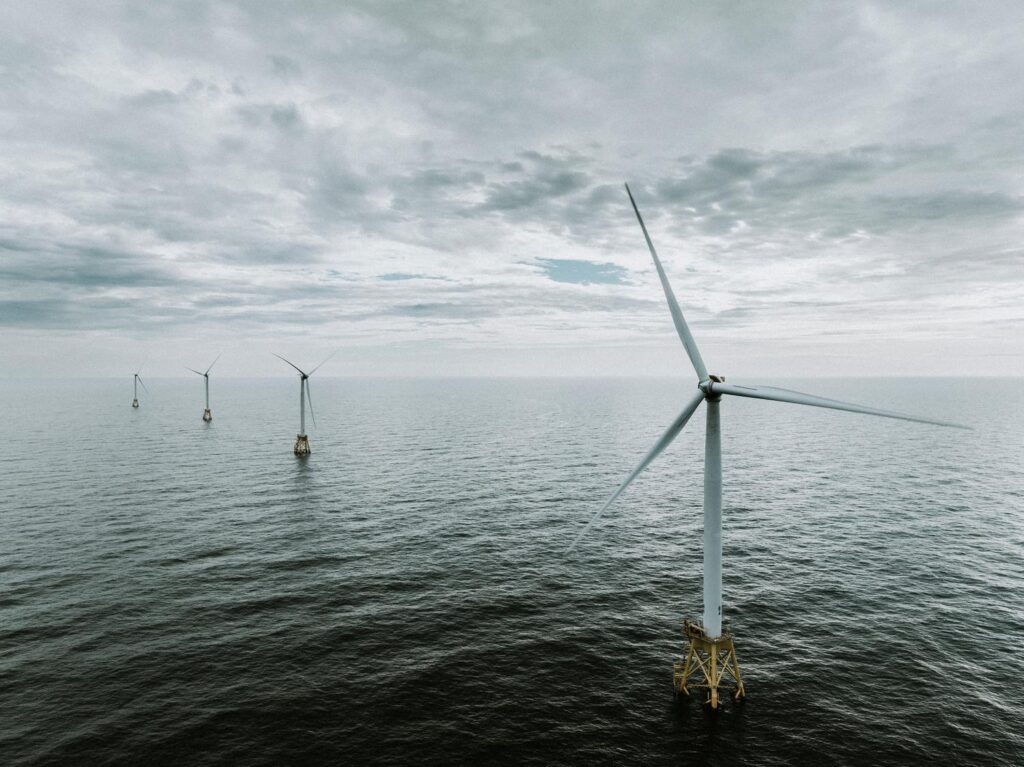
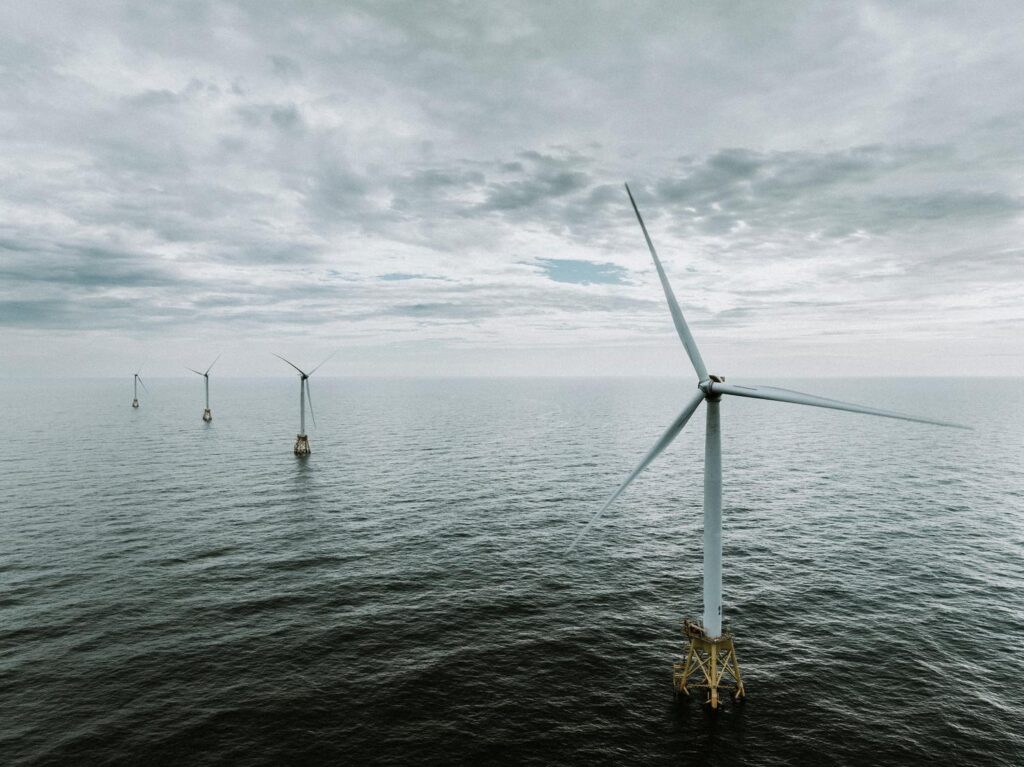
The Department of the Interior (DOI) recently issued orders to halt five major offshore wind projects that were already in various stages of construction and permitting. These projects—Vineyard Wind, Revolution Wind, Coastal Virginia Offshore Wind, Sunrise Wind, and Empire Wind—represent the vanguard of the American offshore wind industry. Collectively, these installations were expected to provide several gigawatts of clean energy to the Eastern Seaboard, contributing significantly to state-level renewable energy mandates in Massachusetts, New York, and Virginia.
The administration cited "national security concerns" as the primary justification for the work stoppage. While the specific nature of these concerns remains classified, officials have suggested that the physical presence of turbines may interfere with Department of Defense (DoD) radar systems or maritime surveillance operations. However, industry analysts note that these projects had already undergone years of rigorous federal review, including vetting by the Bureau of Ocean Energy Management (BOEM) and the DoD, which had previously resulted in agreed-upon mitigation strategies.
The immediate impact of the halt is economic. Billions of dollars in private capital have already been deployed for the procurement of specialized vessels, the manufacturing of turbine components, and the development of port infrastructure in places like New London, Connecticut, and New Bedford, Massachusetts. The sudden suspension creates a climate of regulatory uncertainty that may deter future investment in the U.S. renewable sector, as developers now face the risk of projects being derailed mid-construction despite holding valid federal permits.

Expansion of Offshore Oil and Gas Leasing
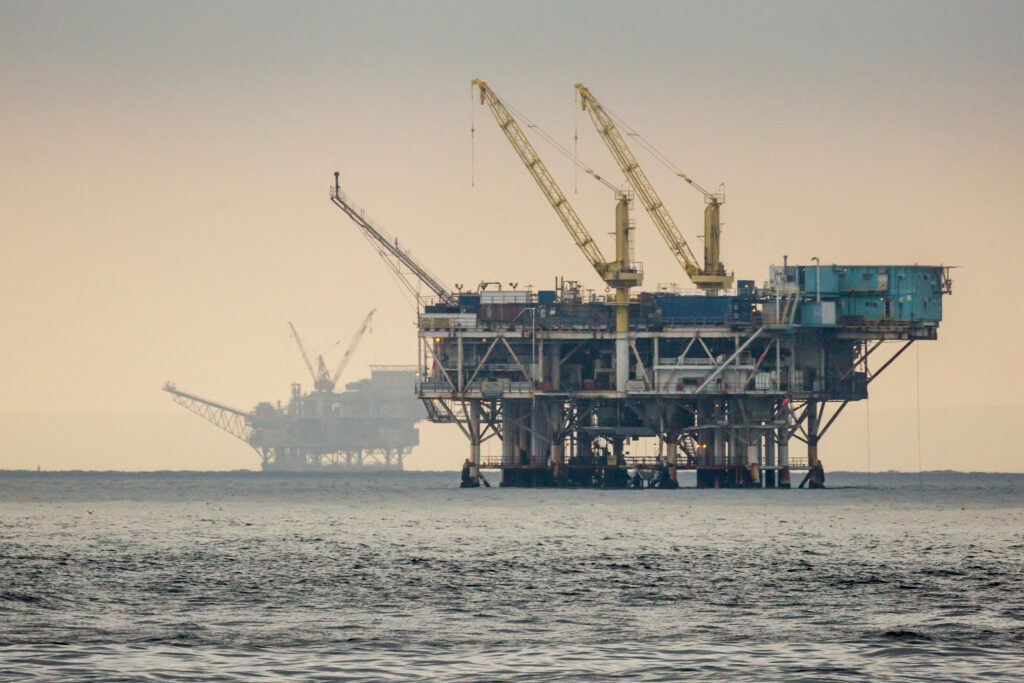
Simultaneous with the contraction of the wind industry, the administration has proposed a new Five-Year Outer Continental Shelf (OCS) Oil and Gas Leasing Program. This proposal seeks to open approximately 1.27 billion acres of U.S. federal waters to extraction activities. The geographic scope of the plan is unprecedented, encompassing nearly the entire U.S. coastline, including the Eastern Seaboard, the Eastern Gulf of Mexico, the Pacific Coast off California and Oregon, and vast tracts of the Arctic Ocean.
This proposal marks a total reversal of the 2024–2029 plan, which had limited leasing to a record-low number of sales concentrated primarily in the Western and Central Gulf of Mexico. The new strategy is rooted in the administration’s "energy dominance" doctrine, which argues that maximizing domestic fossil fuel production is essential for national security and global price stability.
Environmental organizations and coastal state governors have signaled immediate legal opposition. Critics point to the high risk of catastrophic oil spills, the potential impact on multi-billion dollar coastal tourism and fishing industries, and the long-term carbon "lock-in" that new 30-year drilling leases would create. Under the Outer Continental Shelf Lands Act, the administration must undergo a lengthy public comment and environmental impact review process before the plan can be finalized, a period likely to be marked by intense litigation.
Administrative Challenges to Climate Science: The NCAR Directive
In a move that has sent shockwaves through the scientific community, the administration has signaled its intent to potentially shutter or significantly defund the National Center for Atmospheric Research (NCAR). Located in Boulder, Colorado, NCAR is a federally funded research and development center managed by the University Corporation for Atmospheric Research (UCAR) under a cooperative agreement with the National Science Foundation (NSF).
NCAR is globally recognized for its role in developing the Community Earth System Model (CESM), one of the world’s most sophisticated climate and weather forecasting tools. The institution provides the foundational data used for:
- Predicting extreme weather events and hurricane landfalls.
- Modeling wildfire behavior and air quality impacts.
- Assessing long-term snowpack and water availability in the American West.
- Developing solar flare and space weather alerts that protect the national power grid.
The administration’s rationale for targeting NCAR centers on a stated desire to redirect federal research funding away from "politicized" climate modeling and toward "applied" meteorology that supports industrial and military operations. However, atmospheric scientists argue that the two are inseparable. Without the fundamental physics and climate datasets maintained by NCAR, the accuracy of short-term weather forecasting—essential for aviation, agriculture, and disaster response—would inevitably degrade over time.
Federal Intervention in State Energy Transitions: The Craig Station Order
The Department of Energy (DOE) has also moved to intervene in the local energy markets of the Mountain West. Using emergency authority under Section 202(c) of the Federal Power Act, the DOE ordered the Craig Generating Station Unit 1 in Colorado to remain operational. This directive came just 24 hours before the 50-year-old coal-fired unit was scheduled for permanent decommissioning.
The Craig plant had been slated for retirement as part of a multi-year transition plan negotiated between utilities, state regulators, and labor unions. The plant’s owners, Tri-State Generation and Transmission Association, had determined that the unit was no longer economically viable due to high maintenance costs and the availability of cheaper renewable alternatives. In fact, at the time of the DOE order, the unit was already offline due to a significant mechanical failure.
The DOE’s emergency order justifies the move by citing "grid reliability" and the need for "baseload power" during peak winter demand. However, the Colorado Public Utilities Commission and independent grid operators have stated that the region has sufficient reserve margins and that the forced operation of an aging, broken plant would actually increase costs for ratepayers. The intervention represents a significant expansion of federal power over state-level utility planning, potentially setting a precedent for the federal government to block the closure of other coal and gas facilities across the country.
Chronology of Recent Policy Actions
- Mid-December: The DOI initiates "national security" reviews of five permitted offshore wind farms.
- Late December: The DOE issues the Section 202(c) emergency order for the Craig Generating Station in Colorado.
- Early January: The administration releases the draft 1.27-billion-acre offshore drilling proposal.
- January: Internal memos from the Office of Management and Budget (OMB) suggest a "zero-out" of funding for NCAR in the upcoming fiscal year budget proposal.
Data and Economic Analysis
The shift in policy carries profound economic implications. According to data from the American Clean Power Association, the offshore wind industry was projected to support 83,000 jobs and generate $25 billion in annual economic output by 2030. The halt of these projects puts those projections at risk.

Conversely, proponents of the offshore drilling expansion point to potential federal revenues. Historically, offshore leasing has provided billions in royalties to the U.S. Treasury. However, the Department of the Interior’s own historical data shows that interest in "frontier" areas—such as the Atlantic and Pacific coasts—may be limited by high exploration costs and the likelihood of protracted legal battles, which could result in "stranded assets" for oil companies.
In Colorado, the forced extension of the Craig coal plant is expected to result in higher electricity bills. Tri-State Generation had previously estimated that transitioning to a cleaner portfolio would save its members hundreds of millions of dollars over the next decade. Forcing the operation of Unit 1 requires expensive repairs to a facility that was already nearing the end of its engineering lifespan.
Official Responses and Stakeholder Reactions
The reactions to these developments have been sharply divided along political and industrial lines.
The Administration: A spokesperson for the Department of Energy stated, "Our priority is ensuring that every American has access to affordable, reliable, and abundant energy. We will not allow the premature retirement of essential baseload power or the unchecked expansion of intermittent energy sources to compromise our national security or our economic growth."
State Leaders: Colorado Governor Jared Polis and several coastal governors have criticized the federal overreach. "The decision to force a broken coal plant to stay online is a direct assault on Colorado’s right to manage its own energy future," a statement from the Governor’s office read. Similarly, California officials have vowed to use "every legal tool available" to block drilling off the Pacific coast.
Environmental and Advocacy Groups: Organizations such as Protect Our Winters (POW) and the Surfrider Foundation have launched coordinated campaigns to oppose the drilling expansion and the NCAR shutdown. POW, which represents the outdoor recreation industry, emphasized that the loss of climate science at NCAR and the increase in carbon emissions from coal and oil will directly impact the $1.1 trillion outdoor economy by accelerating the loss of snowpack and increasing wildfire risks.
Broader Impact and Implications
The administration’s actions signal a move toward a centralized, fossil-fuel-centric energy policy that frequently overrides state-level preferences and market trends. By using "national security" as a justification for both halting renewables and promoting fossil fuels, the executive branch is testing the limits of its discretionary authority.
The broader implications for the United States include:
- Market Uncertainty: The reversal of existing permits and the use of emergency powers to keep uneconomic plants open create a volatile environment for energy investors.
- Scientific Atrophy: The potential closure of NCAR could lead to a "brain drain" of American scientists to Europe or China, eroding U.S. leadership in atmospheric research.
- Climate Acceleration: The combined effect of halting wind projects, expanding drilling, and extending coal operations will likely result in a significant increase in U.S. greenhouse gas emissions, complicating international climate agreements.
As the 2026 midterm elections approach, these energy policies are expected to become a central flashpoint in the national debate. For now, the battle moves to the federal courts and the halls of Congress, where the legality and funding of these directives will be decided. The outcome will determine whether the U.S. continues its transition toward a diversified, lower-carbon grid or doubles down on the fossil fuel infrastructure of the 20th century.