

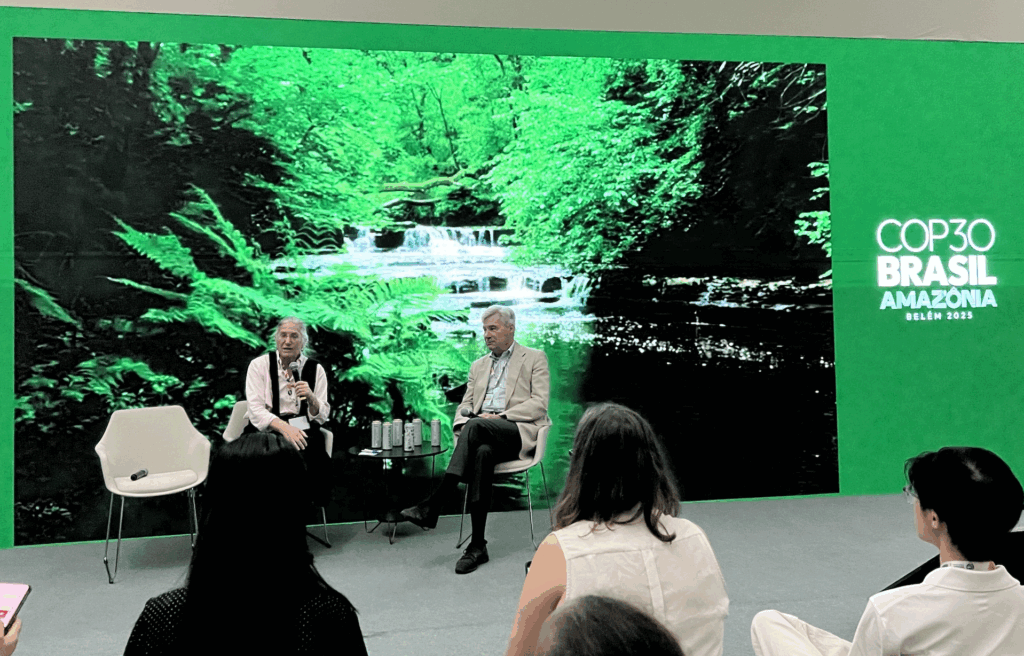
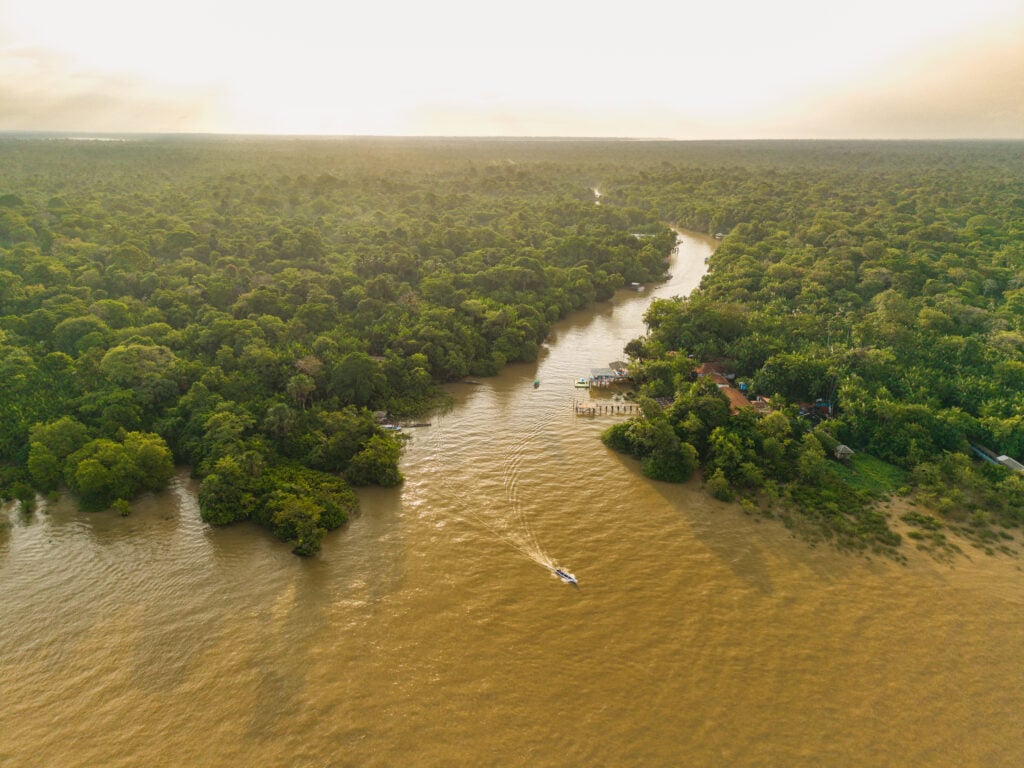
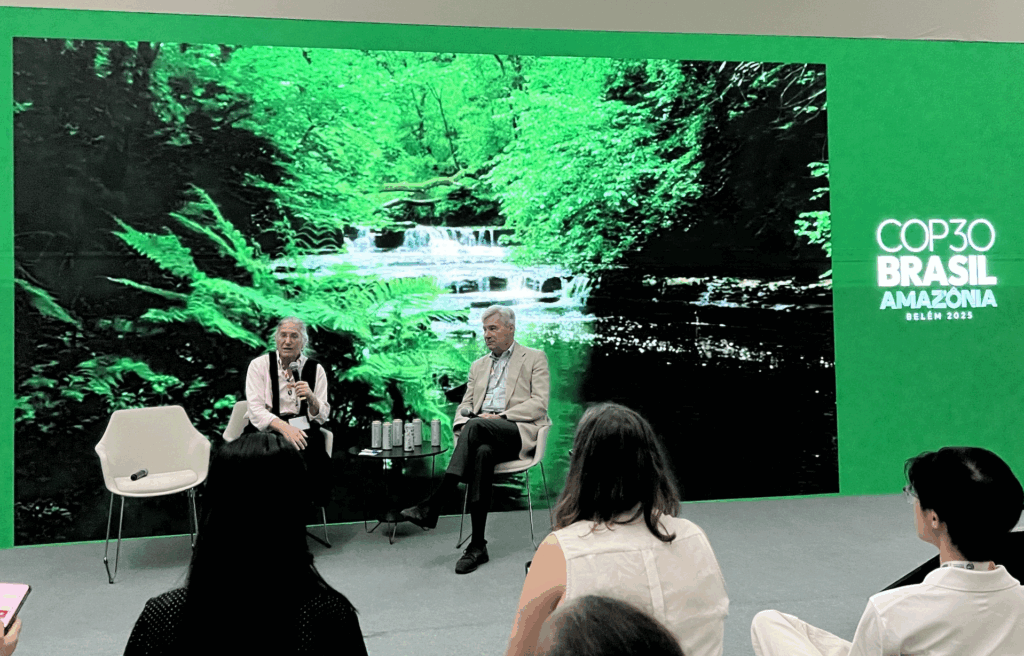
The 30th Annual United Nations Climate Change Conference, known as COP30, concluded its sessions in Belém, Brazil, leaving the international community with a complex legacy of high-level ambition tempered by significant diplomatic hurdles. Held in the heart of the Amazon rainforest—often described as the "lungs of the planet"—the summit drew approximately 60,000 participants, including representatives from nearly 200 nations, non-governmental organizations (NGOs), and scientific institutions. While the gathering served as a critical platform for highlighting the vulnerabilities of tropical and mountain ecosystems, the final negotiations underscored a persistent divide between climate-vulnerable states and major fossil fuel producers.
The summit, which took place from November 11 to November 28, was intended to solidify a roadmap for limiting global temperature increases to 1.5°C above pre-industrial levels. According to the United Nations Environment Programme (UNEP), achieving this target requires a 55% reduction in current greenhouse gas emissions by 2035. However, the closing plenary revealed the immense difficulty of translating scientific necessity into binding international policy. Despite a coalition of more than 80 nations advocating for an explicit commitment to phase out fossil fuels, the final negotiated text omitted the term entirely, a move attributed to intense pressure from petrostates and industrial interests.
Chronology of the Belém Summit
The two-week conference was structured around the "Blue Zone," the formal site of UN-managed negotiations, and the "Green Zone," which hosted civil society and private sector events. The first week of the summit was characterized by a surge of sub-national diplomacy and the arrival of high-level observers. On November 12, Brazil’s hosting role was emphasized by the presence of Indigenous delegations, whose numbers reached a record 900 participants, a significant increase from the 300 delegates present at COP29.
By the midpoint of the conference, the focus shifted to technical negotiations regarding "Loss and Damage" funding and methane reduction targets. On November 18, California Governor Gavin Newsom utilized the summit to bypass federal-level absences, signing bilateral methane reduction agreements with Colombia and electric vehicle (EV) expansion pacts with Nigeria. This period also saw the "People’s Climate Summit" and various marches through the streets of Belém, where activists demanded that the "gateway to the Amazon" not be used as a backdrop for "greenwashing" by extractive industries.
The final days of the summit were marked by protracted, late-night sessions as negotiators struggled to reconcile the demands of the "High Ambition Coalition" with those of nations whose economies remain heavily dependent on oil and gas exports. The final document was gavelled through in the early hours of November 29, resulting in a text that focused on procedural gains while stalling on the central issue of fossil fuel extraction.
The U.S. Diplomatic Vacuum and Sub-National Resilience
A defining feature of COP30 was the absence of an official federal negotiation delegation from the United States. Following shifts in domestic policy, the U.S. executive branch declined to send a formal team to the Blue Zone, a move that many veteran diplomats claimed hindered the ability of the summit to reach a consensus on aggressive mitigation targets. Historically, the U.S. has played a pivotal role as a broker between developed and developing nations; without its presence in the negotiation rooms, the burden of leadership fell to the European Union and the host nation, Brazil.
Despite the federal absence, U.S. interests were represented by a coalition of state and local leaders. The Local Leaders Forum, held in Rio de Janeiro immediately prior to COP30, saw participation from governors and mayors representing 26 states. Organizations such as "America Is All In" and the "U.S. Climate Alliance" maintained a presence in the Blue Zone, highlighting that a significant portion of the U.S. economy remains committed to the goals of the Paris Agreement.
Senator Sheldon Whitehouse of Rhode Island, the sole member of the U.S. Congress in attendance, addressed the disparity between public demand for action and legislative output. Whitehouse noted that the current global pathway to climate safety is obstructed by the fossil fuel industry’s continued ability to "pollute for free," characterizing the partisan divide on climate issues as an "artificial state" created by industrial spending rather than a natural reflection of public sentiment.
Indigenous Leadership and Barriers to Equity
The selection of Belém as the host city was a strategic attempt to center Indigenous voices in the climate dialogue. Indigenous territories currently contain approximately 80% of the world’s remaining biodiversity, making their stewardship essential to any successful climate strategy. While the increase in Indigenous accreditation was a quantitative success, many participants argued that the quality of inclusion remained symbolic.
Data released during the summit revealed that while 900 Indigenous delegates were present, they were outnumbered more than two-to-one by fossil fuel lobbyists within the Blue Zone. Furthermore, systemic barriers prevented full participation by marginalized groups. Research and Independent Non-Governmental Organizations (RINGO) reported that even when funding was secured, many Indigenous representatives from the Global South faced insurmountable hurdles involving transit visas and language accessibility. At many sessions, programming was conducted exclusively in English, effectively silencing delegates who spoke Quechua, Spanish, or regional African dialects.
This inequity was highlighted by demonstrations throughout the week. Protesters, including Saúl Luciano Lliuya—a Peruvian farmer whose litigation against the energy giant RWE has set precedents for climate liability—staged actions urging governments to create a clear roadmap for making polluters pay for the "Loss and Damage" currently experienced by mountain and coastal communities.
Scientific Analysis of Mountain and Forest Vulnerabilities
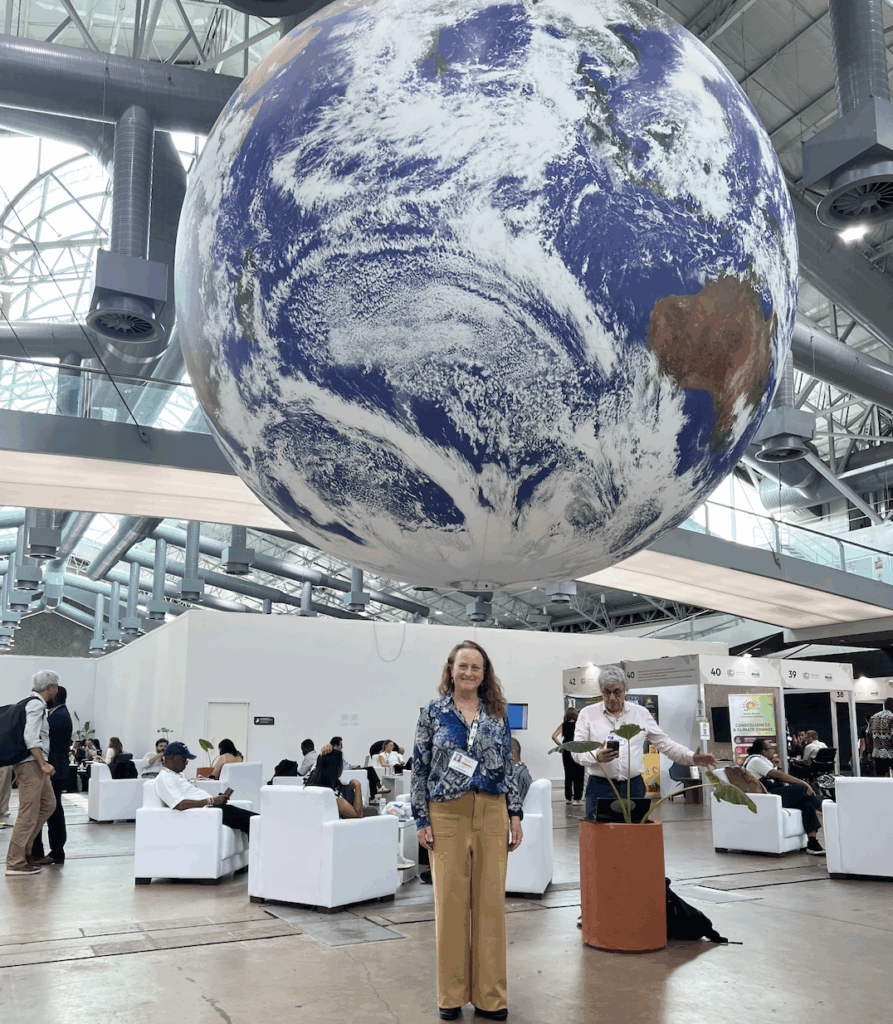
The scientific community at COP30 provided sobering data regarding the acceleration of climate impacts in high-altitude and tropical regions. Julia Klein, a professor at Colorado State University and member of the POW Science Alliance, emphasized that mountain regions are warming at roughly twice the global average. These ecosystems serve as "water towers" for billions of people; the loss of glaciers and changes in snowpack directly threaten water security and agricultural stability in the Andes, the Himalayas, and the Rocky Mountains.
The "Climate Mobility Hub" at the summit addressed the growing reality of climate-induced migration. As sea levels rise and mountain slopes become unstable due to permafrost thaw, the number of "climate refugees" is projected to increase. The presence of this hub in the center of the Blue Zone served as a silent acknowledgment of the "Loss and Damage" that is no longer a future threat but a present reality.
Official Responses and Negotiated Outcomes
The reaction to the final COP30 agreement was polarized. Representatives from the "Troika" (the presidency group comprising the UAE, Azerbaijan, and Brazil) praised the summit for maintaining the 1.5°C goal on "life support" and for securing technical advancements in carbon market regulations.
However, the omission of "fossil fuels" from the final text drew sharp criticism from scientists and environmental advocates. In a joint statement, several NGOs noted that it is scientifically impossible to meet the 1.5°C target without addressing the primary source of greenhouse gas emissions. The influence of petrostates was evident in the shift of language toward "abated" fossil fuels and carbon capture technology, which critics argue are unproven at the scale required to mitigate current emission trends.
Key wins at the summit included:
- Methane Expansion: New commitments to reduce methane—a gas with 80 times the warming power of CO2 over a 20-year period—were integrated into national climate targets (NDCs).
- Loss and Damage Fund: Procedural steps were taken to operationalize the fund, though the total capital committed remains a fraction of the estimated $400 billion needed annually by developing nations.
- Deforestation Pledges: Host nation Brazil reaffirmed its commitment to zero deforestation by 2030, though the government simultaneously faced scrutiny for moving forward with new exploratory oil drilling near the mouth of the Amazon.
Broader Impact and Global Implications
The results of COP30 signal a transition in the global climate regime. The absence of U.S. federal leadership has accelerated a shift toward a multi-polar climate diplomacy landscape, where sub-national actors, the European Union, and emerging economies like Brazil and China take more prominent roles.
The summit also highlighted the growing role of the judiciary in climate action. The presence of documentary teams following landmark litigation cases suggests that as the UN negotiation process faces gridlock, activists and vulnerable communities are increasingly turning to international and domestic courts to enforce accountability.
As the international community looks toward COP31, the Belém summit serves as a reminder of the "Everyone, everywhere, all at once" necessity cited by negotiators. The work of the Research and Independent Non-Governmental Organizations (RINGO) and the Mountain Sentinels Alliance continues to bridge the gap between academic research and policy application, ensuring that the voices of those in climate-vulnerable regions remain at the forefront of the global agenda. While the diplomatic outcome in Belém fell short of the radical shift required to end the fossil fuel era, the mobilization of civil society and the resilience of sub-national leaders suggest that the momentum for climate action is increasingly decoupled from the fluctuations of federal politics.