

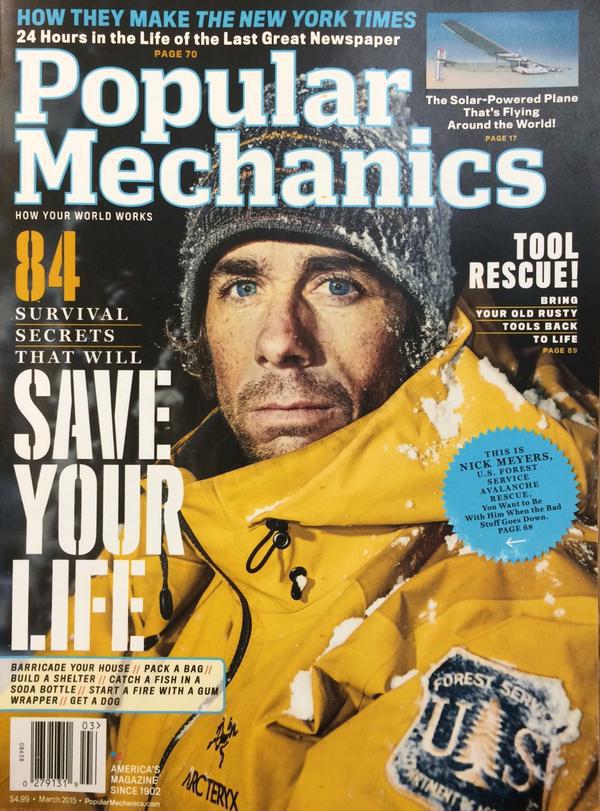
The prestigious Mount Shasta Avalanche Center (MSAC) is once again bringing national attention to the critical work of avalanche safety and mountain rescue, this time through its esteemed Director, Nick Meyers. Meyers, who also serves as the Lead Climbing Ranger on Mount Shasta, has been prominently featured on the cover of the latest issue of Popular Mechanics magazine. This significant recognition highlights his expertise and the vital role individuals like him play in ensuring the safety of those who venture into treacherous mountain environments. The feature delves into his extensive knowledge of avalanche rescue techniques and the essential gear he relies upon.
A Convergence of Expertise: Meyers’ Role and the Popular Mechanics Feature
Nick Meyers is a recognized authority in the field of avalanche safety and mountain preparedness. As Director of the Mount Shasta Avalanche Center, he is at the forefront of monitoring snowpack conditions, issuing avalanche forecasts, and educating the public about the inherent risks associated with mountainous terrain, particularly during winter and spring seasons. His responsibilities extend beyond forecasting; he is instrumental in developing and implementing safety protocols for climbers and recreationalists. His additional role as Lead Climbing Ranger on Mount Shasta underscores his hands-on experience and deep understanding of the specific challenges presented by this iconic peak, a popular destination for mountaineering and backcountry skiing.
The Popular Mechanics feature, titled "10 Survival Essentials an Avalanche Rescue Expert Always Carries," provides readers with an intimate look into the mind of a seasoned professional. The magazine, known for its in-depth explorations of science, technology, and outdoor adventure, selected Meyers to share his curated list of survival gear. This selection is not arbitrary; it is a testament to his reputation and the trust placed in his judgment by the outdoor community and his peers. The article aims to demystify the essential tools and knowledge required for surviving in high-risk environments, drawing directly from the practical experience of an expert who navigates these dangers regularly.
The Genesis of the Feature: A Recognition of Dedication and Expertise
While the specific timeline leading to the Popular Mechanics feature is not detailed in the initial announcement, such editorial inclusions typically arise from a combination of factors. Journalists and editors often identify individuals or organizations making significant contributions to their respective fields. In Meyers’ case, his long-standing dedication to avalanche safety, his leadership at a prominent avalanche center, and his direct involvement in rescue operations on a demanding mountain like Shasta likely brought him to the attention of Popular Mechanics. The magazine’s editorial team would have assessed his credentials, potentially reviewed his public-facing work, and recognized the value of his insights for their readership, which often comprises individuals with an interest in outdoor pursuits, survival, and practical skills.
The process of creating such a feature would involve interviews, photographic sessions, and the meticulous gathering of information to ensure accuracy and compelling storytelling. The cover placement signifies a particularly strong editorial decision, indicating that Meyers’ story and expertise were deemed highly relevant and engaging for the magazine’s broader audience. This elevates the profile of avalanche safety beyond a niche concern, framing it as a critical aspect of responsible outdoor engagement.
Supporting Data: The Significance of Avalanche Safety
The importance of avalanche safety, as championed by individuals like Nick Meyers, cannot be overstated. Avalanche incidents, while often associated with dramatic and tragic events, are a tangible threat in mountainous regions worldwide. According to data compiled by the Colorado Avalanche Information Center (CAIC), a leading organization in avalanche research and education, human activity is a factor in the vast majority of fatal avalanches. Between the 2000-2001 and 2022-2023 seasons, an average of 25 avalanche fatalities occurred annually in the United States. These incidents not only result in loss of life but also place significant strain on search and rescue teams, many of whom are comprised of dedicated volunteers and professionals like Meyers.
Mount Shasta itself presents a unique set of challenges. With its imposing elevation of 14,179 feet, it is a magnet for climbers and skiers. The mountain’s weather patterns can change rapidly, leading to the formation of dangerous snowpack conditions. The MSAC plays a crucial role in providing daily avalanche forecasts during the winter and spring seasons, informing potential users about the risk levels and specific hazards. The center’s work is vital in reducing the number of preventable accidents. Meyers’ leadership ensures that these forecasts are accurate, accessible, and that educational programs are robust, empowering individuals to make informed decisions in the backcountry.
Chronology of Recognition and Impact
The feature in Popular Mechanics represents a significant point of recognition for Nick Meyers and, by extension, the Mount Shasta Avalanche Center. This event can be viewed within a broader, ongoing chronology of avalanche safety efforts.
- Establishment of Avalanche Centers: The development of organizations like the MSAC and the CAIC in the latter half of the 20th century marked a crucial shift towards systematic avalanche forecasting and public education. These centers are often staffed by experienced professionals who dedicate their careers to understanding snow science and risk assessment.
- Meyers’ Tenure: Nick Meyers’ leadership at MSAC signifies a period of sustained commitment to these principles. His role as Director and Lead Climbing Ranger suggests years of accumulated experience and a deep understanding of the local mountain environment.
- The Popular Mechanics Feature: The recent cover story serves as a contemporary testament to his expertise, bringing a national spotlight to his work and the broader field of avalanche safety. This exposure can have several positive effects:
- Increased Public Awareness: More people will become aware of the dangers of avalanches and the importance of seeking expert advice.
- Enhanced Credibility: The endorsement by a reputable publication like Popular Mechanics lends significant credibility to Meyers and the MSAC.
- Inspiration and Education: The article can inspire future generations of mountain professionals and encourage individuals to pursue education in snow science and safety.
- Potential for Funding and Support: Increased visibility can sometimes translate into greater support for avalanche research, education, and operational needs.
The accompanying blog post, referenced in the original announcement, likely provides further context on Meyers’ career and philosophy, offering a more personal narrative behind the expert.
Reactions and Inferred Perspectives
While direct quotes from related parties are not provided, it is reasonable to infer the positive reception and pride surrounding this national recognition.
- Colleagues at the Mount Shasta Avalanche Center: Colleagues within the MSAC would undoubtedly feel a sense of pride and validation. Meyers’ success reflects well on the entire organization, highlighting the caliber of its staff and the importance of its mission. This feature reinforces their shared commitment to public safety.
- The U.S. Forest Service (STNF): As the parent organization for many avalanche centers and ranger programs, the U.S. Forest Service would likely view this feature as a significant achievement. It showcases the dedication and expertise of its employees and promotes the agency’s commitment to managing public lands safely and responsibly. The mention of a USDA blog post further suggests an official acknowledgment and promotion of Meyers’ work.
- The Backcountry and Climbing Communities: The broader community of skiers, snowboarders, climbers, and outdoor enthusiasts who rely on avalanche forecasts and safety information would likely welcome this recognition. It validates the importance of the work done by avalanche professionals and may encourage more individuals to engage with safety resources.
- Popular Mechanics Readers: The magazine’s readership, often characterized by a strong interest in practical skills, technology, and outdoor activities, will benefit from the expert advice presented. The focus on survival essentials directly addresses their potential needs and interests.
Fact-Based Analysis of Implications
The Popular Mechanics feature on Nick Meyers carries several important implications for avalanche safety and public awareness:
- Elevating the Discourse on Avalanche Safety: By placing an avalanche rescue expert on its cover, Popular Mechanics signals that avalanche safety is a topic of broad interest and importance, not just for extreme adventurers but for anyone engaging with mountainous environments. This can help to destigmatize the need for education and preparedness.
- Democratizing Expert Knowledge: The article’s focus on survival essentials makes expert knowledge more accessible to a wider audience. Instead of abstract scientific data, readers are given concrete, actionable advice on gear and preparedness, empowering them to take proactive steps.
- Highlighting the Human Element of Mountain Safety: Features like this often humanize the work of professionals. By showcasing Meyers’ personal experience and the gear he trusts, the article underscores the dedication, skill, and responsibility involved in mountain rescue and avalanche safety. This can foster greater respect for these professions.
- Promoting a Culture of Preparedness: The broader implication is the promotion of a culture of preparedness. When recognized experts share their knowledge in mainstream publications, it encourages a societal shift towards valuing and actively practicing safety measures in high-risk environments. This can contribute to a reduction in avalanche incidents and fatalities.
- Reinforcing the Role of Avalanche Centers: The feature serves as a powerful endorsement for the work of avalanche centers like MSAC. It underscores their critical role in providing vital information and expertise that saves lives. This national visibility can help to secure continued support and resources for these essential organizations.
The accompanying photograph, likely showcasing Meyers or his gear, further enhances the visual appeal and impact of the feature. Such imagery can make the abstract concept of avalanche survival more tangible and relatable for readers. The inclusion of links to both a USDA blog and the Popular Mechanics article itself creates a valuable resource hub, allowing interested readers to delve deeper into Meyers’ work and the specifics of avalanche safety. This integrated approach to content dissemination maximizes the reach and impact of the recognition.