

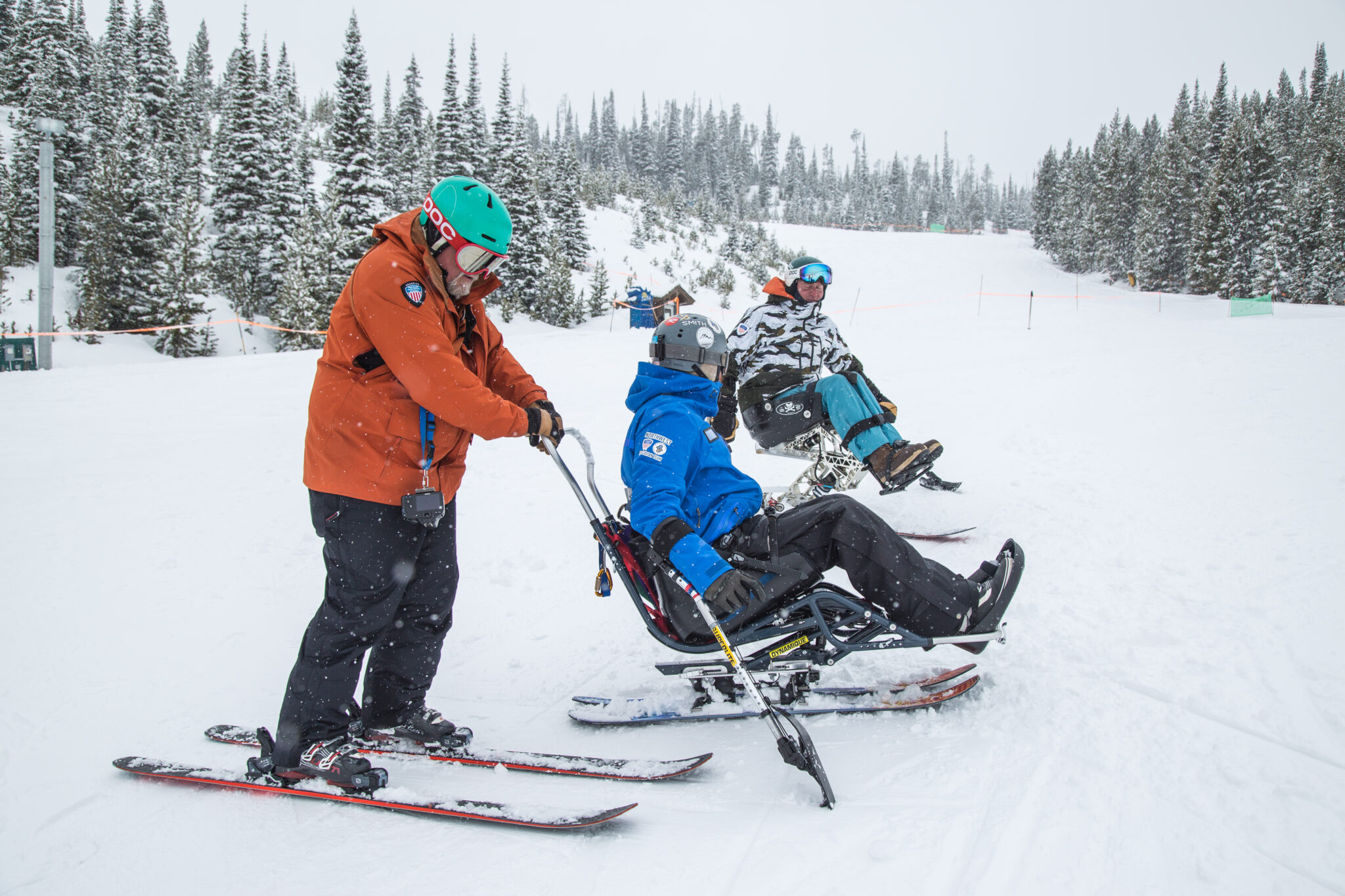
The snowsports industry is undergoing a significant transformation, with a renewed focus on adaptability, sustainability, and inclusivity. At the heart of this evolution lies the increasingly recognized value of multi-disciplinary certification for snowsports instructors, particularly in adaptive and freestyle programs. Far from being niche specializations, these disciplines are now understood to provide foundational skills that elevate the proficiency, versatility, and overall effectiveness of every instructor, regardless of their primary area of expertise. This strategic shift in perspective aims to cultivate a new generation of well-rounded, empathetic, and highly capable snowsports educators, prepared to meet the diverse needs of a modern guest base.
Historically, both adaptive and freestyle snowsports instruction have often been compartmentalized, viewed as highly specialized fields catering to a relatively small segment of the skiing and snowboarding public. This traditional viewpoint suggested that the teaching methodologies and knowledge base required for these disciplines were distinct and not broadly applicable to mainstream instruction. Adaptive programs, which cater to individuals with physical or cognitive disabilities, were perceived as requiring unique equipment and highly specific teaching strategies. Similarly, freestyle instruction, encompassing terrain park skills, jumps, and tricks, was often seen as relevant only to a subset of advanced riders and skiers seeking adrenaline-fueled experiences. Consequently, many instructors pursued certifications only in alpine skiing or snowboarding, overlooking the profound benefits offered by cross-training.
However, a growing consensus among snowsports educators, certification bodies, and resort management is challenging this outdated perspective. The argument is increasingly made that the core principles of excellent instruction, honed through adaptive and freestyle training, are universally beneficial. These programs, it is contended, foster a deeper understanding of movement analysis, communication, safety management, and individualized teaching, which are critical components for effective instruction across all environments and skill levels. As Lynnea Anderson, Deputy Director of the Western Region, emphasizes, "The fundamentals of good instruction apply across all disciplines, regardless of specialization. The knowledge and teaching strategies gained through adaptive and freestyle training enhance every instructor’s ability to deliver exceptional lessons across all environments and skill levels." This paradigm shift underscores a proactive approach to instructor development, acknowledging the dynamic nature of guest expectations and the evolving landscape of snowsports participation.
The Evolution of Instructor Training and a Shifting Paradigm
The trajectory of snowsports instructor certification has historically been discipline-specific, with clear pathways for alpine skiing, snowboarding, and telemark. While these traditional certifications remain vital, the industry began to recognize the limitations of such siloed training in the late 20th and early 21st centuries. The rise of terrain parks, the increasing prevalence of off-piste exploration, and a greater societal emphasis on accessibility and inclusion for individuals with disabilities gradually prompted a re-evaluation of instructor competencies.
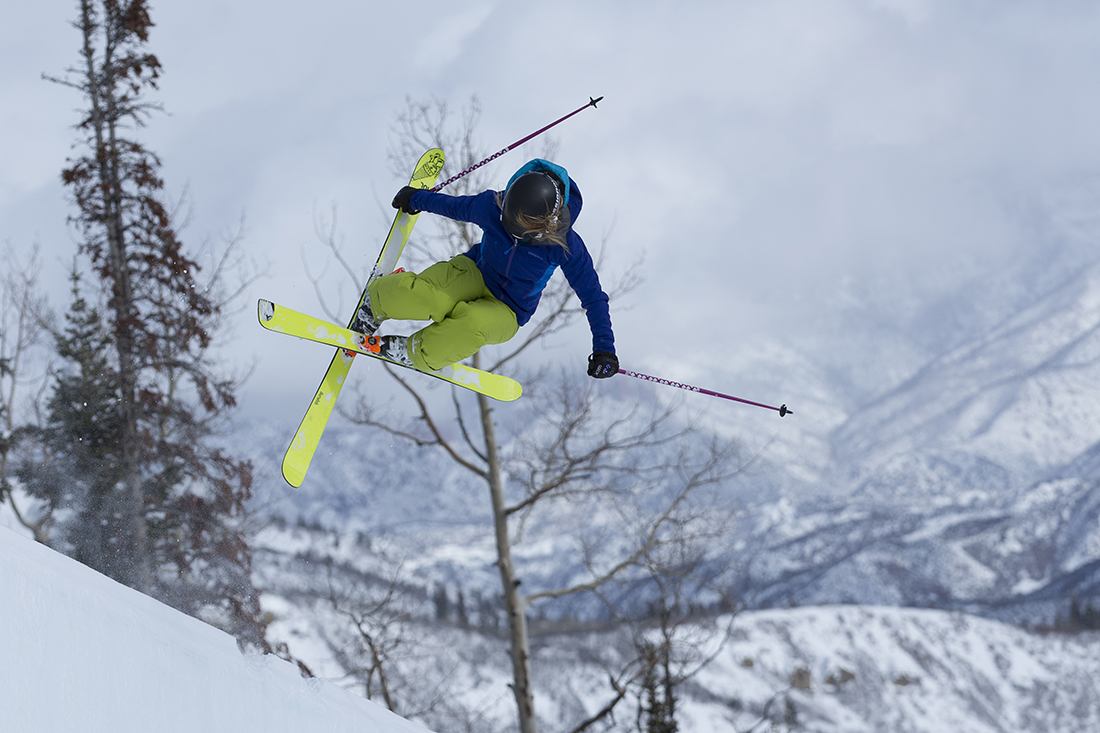
By the early 2000s, certification bodies started to integrate elements of adaptive and freestyle into broader educational discussions, though often still as optional, advanced modules. The true turning point, however, has emerged in the last decade, driven by several factors:
- Increased Demand for Versatility: Guests increasingly seek varied experiences, from mastering carving on groomed slopes to confidently navigating glades or attempting features in the terrain park. Instructors who can seamlessly transition between these environments offer greater value.
- Emphasis on Inclusivity: The adaptive snowsports movement has gained significant momentum, highlighting the importance of specialized yet transferable skills to ensure that snowsports are accessible to everyone. This has brought adaptive teaching methodologies to the forefront as best practices for diverse learners.
- Safety and Risk Management: Freestyle training, in particular, instills a heightened awareness of risk assessment, terrain management, and safe progression, skills that are invaluable for all instructors, especially when dealing with novice learners or varied conditions.
- Professional Development and Retention: Instructors, like professionals in any field, seek opportunities for continuous growth and skill diversification. Offering pathways to multi-disciplinary certification serves as a powerful tool for staff retention and professional enrichment.
This chronological shift reflects a maturing industry that understands the interconnectedness of various snowsports disciplines and the holistic nature of effective teaching. It’s no longer just about what an instructor teaches, but how they teach it and who they can reach.
Core Competencies Enhanced by Adaptive and Freestyle Training
Participation in adaptive and freestyle programs equips instructors with an expanded toolkit of skills that directly translate to improved performance across all teaching scenarios. These programs are not merely about learning to teach a specific maneuver or accommodate a particular disability; they are about fundamentally enhancing an instructor’s pedagogical approach. Key areas of development include:
- Holistic Safety and Terrain Management: Adaptive instructors learn to meticulously assess and manage hill traffic, group dynamics, and overall safety, often in complex scenarios involving specialized equipment or varied student abilities. Freestyle instructors develop a keen eye for terrain features, safe progression within a dynamic environment like a terrain park, and managing multiple elements simultaneously. These skills are directly applicable to navigating crowded slopes, choosing appropriate terrain for beginners, and ensuring the safety of all students, from the bunny hill to advanced runs.
- Student-Centered Terrain Selection: Both disciplines necessitate a profound understanding of how terrain influences learning and confidence. Adaptive training emphasizes selecting terrain that supports success and builds confidence, often requiring creative solutions to modify environments. Freestyle training hones the ability to use terrain features for skill development, even outside the park, helping students understand how bumps, rollers, and natural transitions can aid progression. This cultivates an instructor’s ability to consistently choose the optimal environment for any student’s success.
- Emotional Intelligence and Fear Management: Managing emotional or physical fear is a universal challenge in snowsports instruction. Adaptive programs train instructors to apply deep empathy and motivation, creating positive learning environments for individuals who may face significant physical or psychological barriers. Freestyle instruction often involves guiding students through apprehension related to new maneuvers, fostering resilience and mental fortitude. These experiences equip instructors with advanced strategies to recognize, address, and mitigate fear in all students, building trust and accelerating learning.
- Versatile Communication Strategies: Effective communication is paramount. Adaptive instructors often utilize alternative forms of communication, including non-verbal cues, visual aids, and simplified language, to connect with students who may have diverse communication needs. Freestyle instruction frequently relies on precise demonstrations, clear explanations, and concise feedback in fast-paced scenarios. This broadens an instructor’s communicative repertoire, allowing them to adapt their delivery style – whether through precise demos or verbal explanations – to suit individual learning styles and situations.
- Collaborative Goal Setting and Individualized Approaches: Both disciplines excel at fostering collaborative short- and long-term goal setting with students, empowering them in their learning journey. Adaptive programs, by their nature, demand highly individualized teaching approaches to meet unique needs and abilities. Freestyle emphasizes progressive learning pathways tailored to a student’s current skill level and aspirations. These skills translate into the ability to craft highly personalized lessons, moving beyond a one-size-fits-all curriculum to genuinely student-centered instruction.
- Innovative Pedagogical Techniques: Adaptive and freestyle training encourages instructors to think "outside the box," creating novel ways of approaching lessons and engaging guests. This includes analyzing movement patterns beyond traditional desired outcomes, focusing on ski and board performance independent of rigid "ideal movement patterns," and creatively utilizing terrain features and equipment in unconventional ways to maximize student experience and growth. This innovative mindset allows instructors to break through plateaus and reignite passion for the sport.
These enhanced capabilities – in communication, problem-solving, empathy, and terrain management – are what distinguish truly exceptional instructors. They enable instructors to engage guests in meaningful ways across the entire mountain, from groomed runs and terrain parks to off-piste adventures and tree skiing, fostering confidence, independence, and a deep sense of trust.
Strategic Advantages for Snowsports Schools

The benefits of multi-disciplinary instructors extend far beyond individual skill development, offering significant strategic advantages for snowsports schools and resort operations.
- Elevated Lesson Quality and Guest Satisfaction: Instructors equipped with adaptive and freestyle skills are better prepared to manage diverse learning needs, handle variable terrain, and create truly student-centered lessons. This leads directly to higher quality instruction, more engaging experiences, and ultimately, greater guest satisfaction. Industry reports and anecdotal evidence from various resorts consistently indicate that guests taught by versatile instructors often report higher levels of enjoyment and a greater likelihood of booking repeat lessons. Some studies have suggested a correlation between instructor versatility and up to a 15-20% increase in positive guest feedback scores.
- Enhanced Safety Outcomes: A multi-disciplinary approach to training inherently improves safety protocols. Instructors with a background in freestyle are acutely aware of risk assessment and progression, while adaptive instructors are adept at managing complex logistical challenges. This collective expertise reduces incidents, improves response capabilities, and fosters a safer environment for all resort patrons.
- Improved Staff Retention and Professional Growth: Supporting staff participation in adaptive and freestyle programs serves as a powerful professional development incentive. Instructors are often motivated individuals seeking meaningful growth opportunities beyond their initial discipline-specific certification. Offering pathways for multi-disciplinary training demonstrates a school’s commitment to its staff’s long-term career development, leading to higher retention rates for motivated, high-performing employees. Data from various professional organizations indicates that schools investing in diverse certifications see significantly lower instructor turnover compared to those with more limited training options.
- Increased Market Reach and Inclusivity: A staff capable of teaching across multiple disciplines, including adaptive and freestyle, allows schools to cater to a broader range of guests. This expands the potential customer base, aligning with global trends towards greater inclusivity in sports and recreation. It positions the school as a leader in comprehensive snowsports education.
- Operational Flexibility: A team of multi-certified instructors offers greater operational flexibility. In times of varying demand, an instructor certified in multiple disciplines can be deployed to different programs as needed, optimizing staffing levels and ensuring that all lesson types can be adequately covered. This agility can lead to more efficient scheduling and resource allocation.
A Call for Data and Collaborative Action
To fully quantify and demonstrate the profound impact of these programs, there is an urgent need for comprehensive data collection and analysis from snowsports schools across the nation. Understanding the tangible outcomes of multi-disciplinary training is crucial for shaping future educational priorities and securing continued investment in these vital programs.
Schools are encouraged to share key data points from the current season, including:
- Staff Participation Metrics: The number of instructors who have participated in adaptive and freestyle events, clinics, and certifications.
- Guest Feedback Trends: Specific feedback or return-lesson trends from guests who have been taught by multi-certified instructors. This could include satisfaction scores, testimonials, and repeat booking rates.
- Instructor Reflections: Qualitative data gathered from staff reflections on how skills acquired through adaptive and freestyle training transfer into their everyday teaching in other disciplines. This provides invaluable insights into the practical application of these enhanced competencies.
This data will serve as empirical evidence to define measurable outcomes, guide curriculum development, and inform advocacy efforts within the broader snowsports community. Schools are encouraged to reach out to relevant industry contacts, such as Lynnea Anderson, Deputy Director, Western Region, at [email protected], to contribute their findings and participate in this critical initiative.
In conclusion, the modern snowsports landscape demands a modern instructor. The benefits of certification in multiple disciplines, particularly adaptive and freestyle, are undeniable and far-reaching. They not only cultivate more skilled, empathetic, and adaptable instructors but also strengthen the operational capabilities, market reach, and overall quality of snowsports schools. By actively promoting and participating in efforts to increase multi-disciplinary work in snowsports instruction, both individuals and institutions can contribute to a more dynamic, inclusive, and sustainable future for the entire industry. The investment in these programs is an investment in the future of snowsports, ensuring that the joy and challenge of skiing and snowboarding remain accessible and enriching for generations to come.