

The landscape of the American wilderness is undergoing a silent transformation as climate-driven wildfires, systemic underfunding, and environmental degradation erase thousands of miles of historical trails from the national record. Each year, more than 5,000 miles of trails across the United States vanish due to the combined forces of extreme weather and administrative neglect. When a trail is consumed by fire or washed out by an atmospheric river, the federal response is frequently not restoration, but deletion. As these corridors are removed from official maps and databases, they take with them centuries of human history, cultural connection, and economic opportunity. In response to this accelerating erasure, the Origins project, led by athlete and environmental scientist Dillon Osleger, has emerged as a comprehensive initiative to document, restore, and advocate for the preservation of these vital arteries of the American landscape.
The Origins project operates at the intersection of storytelling and physical stewardship, seeking to answer fundamental questions about the provenance of our public lands. By investigating who walked these paths before the era of modern recreation—ranging from Indigenous populations and early settlers to loggers and miners—the project aims to reframe trails as "cultural texts" rather than mere recreational infrastructure. Through a combination of archival research, long-form reporting, and manual labor, Osleger and his team are attempting to reverse the trend of "ghost lines" in the landscape, ensuring that the physical and historical records of these journeys do not disappear entirely.
The Scale of the Crisis: Infrastructure and the Funding Gap
The crisis facing the United States trail network is rooted in a widening gap between environmental demand and federal capacity. The U.S. Forest Service (USFS) manages approximately 158,000 miles of trails, a network that serves as the "invisible scaffolding" for a multi-billion-dollar outdoor recreation industry. However, a landmark 2013 report from the Government Accountability Office (GAO) revealed that the agency was only able to maintain about one-quarter of its trail miles to standard. In the decade since that report, the maintenance backlog has only intensified, exacerbated by a shift in agency resources toward fire suppression.
As wildfires become larger, hotter, and more frequent due to a warming climate, the cost of fighting fires has increasingly cannibalized the budgets intended for forest management and infrastructure. When a trail is damaged in a high-intensity burn, the soil composition often changes, becoming hydrophobic and prone to catastrophic erosion during subsequent rain events. For an underfunded agency, the logistical and financial burden of "re-benching" a trail or clearing miles of downed timber is often insurmountable. Consequently, the administrative preference is often to "decommission" the trail—removing it from modern atlases and allowing it to be reclaimed by the brush. This process results in a slow, quiet shrinking of the public commons, reducing the total acreage accessible to the American public.
Chronology of the Origins Project and Fieldwork
The Origins project was conceived as a multi-year effort to identify discrepancies between historical maps and current trail inventories. Dillon Osleger began his investigation in California, focusing on regions that have been disproportionately affected by recent wildfire seasons, including Ojai, Santa Barbara, Truckee, and Mammoth Lakes.
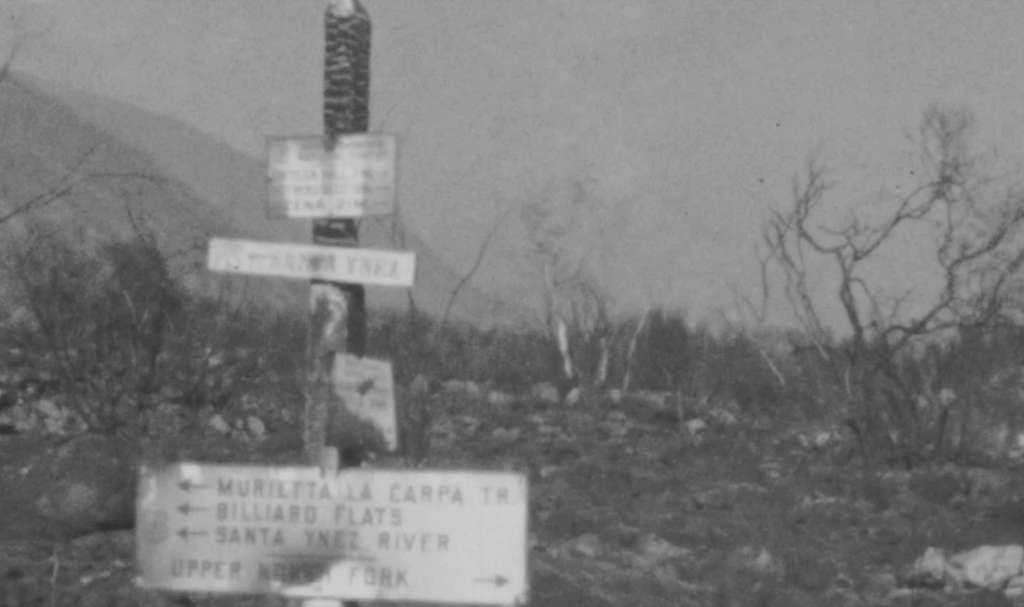
Between 2021 and 2024, the project followed a rigorous methodology of "map-matching." Osleger analyzed early 20th-century USFS maps and compared them with contemporary digital datasets. This research uncovered not only missing physical lines but also forgotten narratives of the land. In Ojai, for example, the project identified an eight-mile stretch of the Middle Sespe trail that had been effectively erased after a decade of neglect following a major wildfire. By restoring this section, the project did more than just clear a path for hikers; it re-established access to sites of historical significance to the Chumash people and remnants of Mexican sheep ranching operations that predated the establishment of the United States.
In the Lake Tahoe basin, the chronology of the project shifted toward the late 19th and early 20th centuries. Osleger identified trails mapped prior to 1906 that served as vital trading routes for the Washoe Indigenous Americans. These routes later facilitated the movement of miners and settlers during the silver and gold rushes. Many of these miles had been lost to atmospheric river flooding and the lack of federal maintenance. The restoration of these paths provided a tangible link to the pre-colonial and early industrial history of the Sierra Nevada.
Data Analysis: The Economic and Environmental Impact of Trail Loss
The disappearance of trails is not merely an aesthetic or historical concern; it has measurable impacts on rural economies and environmental health. According to data from the Bureau of Economic Analysis (BEA), the outdoor recreation economy accounts for $1.1 trillion in gross economic output and supports nearly 5 million jobs in the United States. In many Western states, rural communities rely almost exclusively on "recreation-based tourism" to sustain local businesses, hotels, and real estate markets.
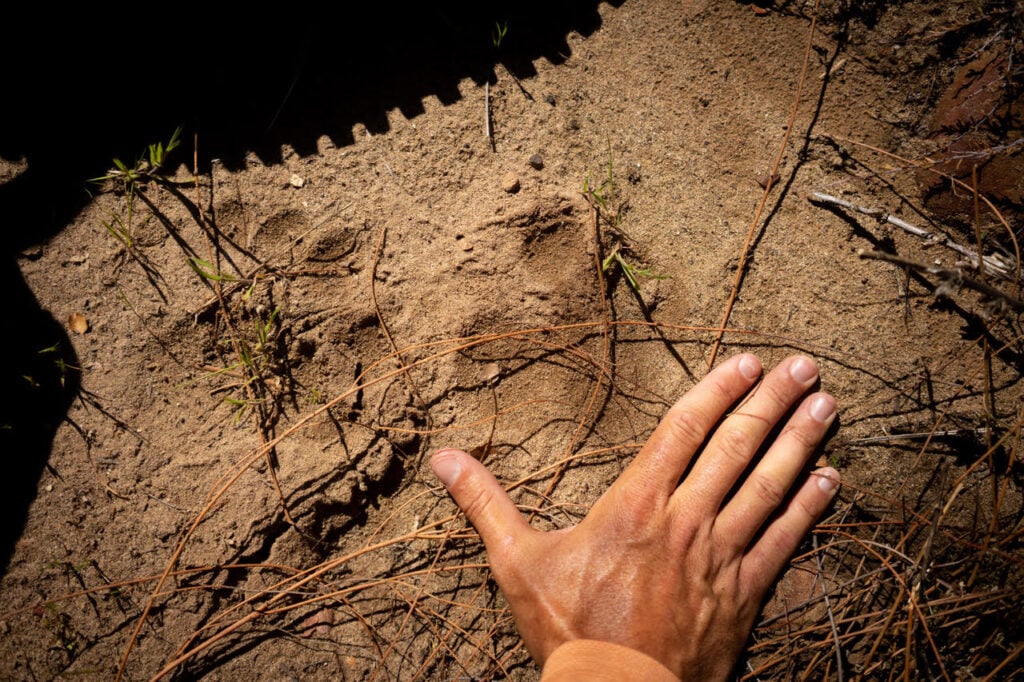
When wildfires destroy trailheads, campgrounds, and access points, the economic lifeblood of these communities is severed. A 2022 analysis suggests that the loss of access to public lands can lead to a significant decline in local tax revenue and a subsequent degradation of community identity. Furthermore, the neglect of trails leads to environmental hazards. An unmaintained trail often becomes a conduit for uncontrolled water runoff, leading to deep gully erosion that deposits sediment into watersheds, harming fish populations and degrading water quality.
The Origins project highlights that stewardship is a form of economic protection. By investing in the "work of hands"—the manual clearing of corridors and the reconstruction of tread—volunteers and advocates are essentially performing the maintenance that the federal government can no longer afford, thereby stabilizing the local economies that depend on those trails.
Case Studies in Restoration: Mount Lola and the Southern California Backcountry
Two primary case studies illustrate the diverse challenges faced by the Origins project. On the flanks of Mount Lola, north of Truckee, California, the project focused on a loop trail originally expanded by the Civilian Conservation Corps (CCC) in the 1930s. The CCC was part of a New Deal-era push to build public infrastructure, and the Mount Lola loop was a flagship project of that era. Decades of neglect had allowed lodgepole pine and brush to swallow the trail’s bench cuts and crib walls. The restoration of this loop served as a symbolic call to action, reminding the modern outdoor community of the era when the United States made massive public investments in its wild spaces.
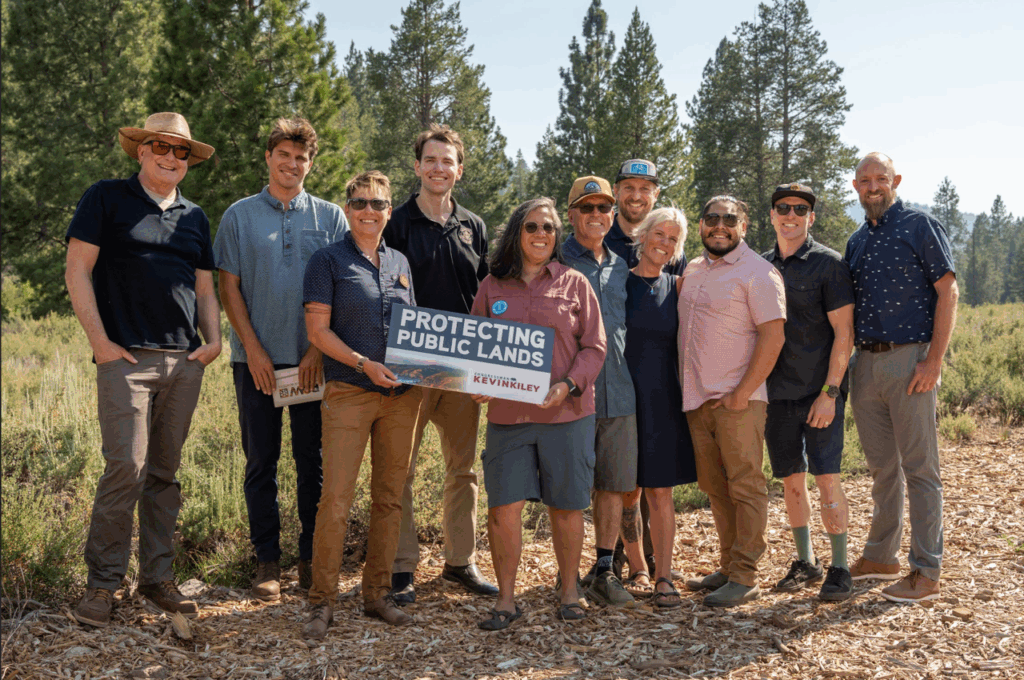
In Southern California, the work took on a different character. In the watersheds of Ventura and Santa Barbara counties, the Zaca, Reyes, and Thomas Fires had decimated the chaparral landscape. The trails here were originally Indigenous trading routes connecting coastal Chumash villages with inland valleys. Restoring these paths required grueling labor, including chainsawing hundreds of downed oaks and reshaping tread in steep, unstable terrain. This work was performed in collaboration with local trail groups, emphasizing the project’s goal of fostering a "culture of care" among those who use the land.
Broader Implications and the Role of the Outdoor Industry
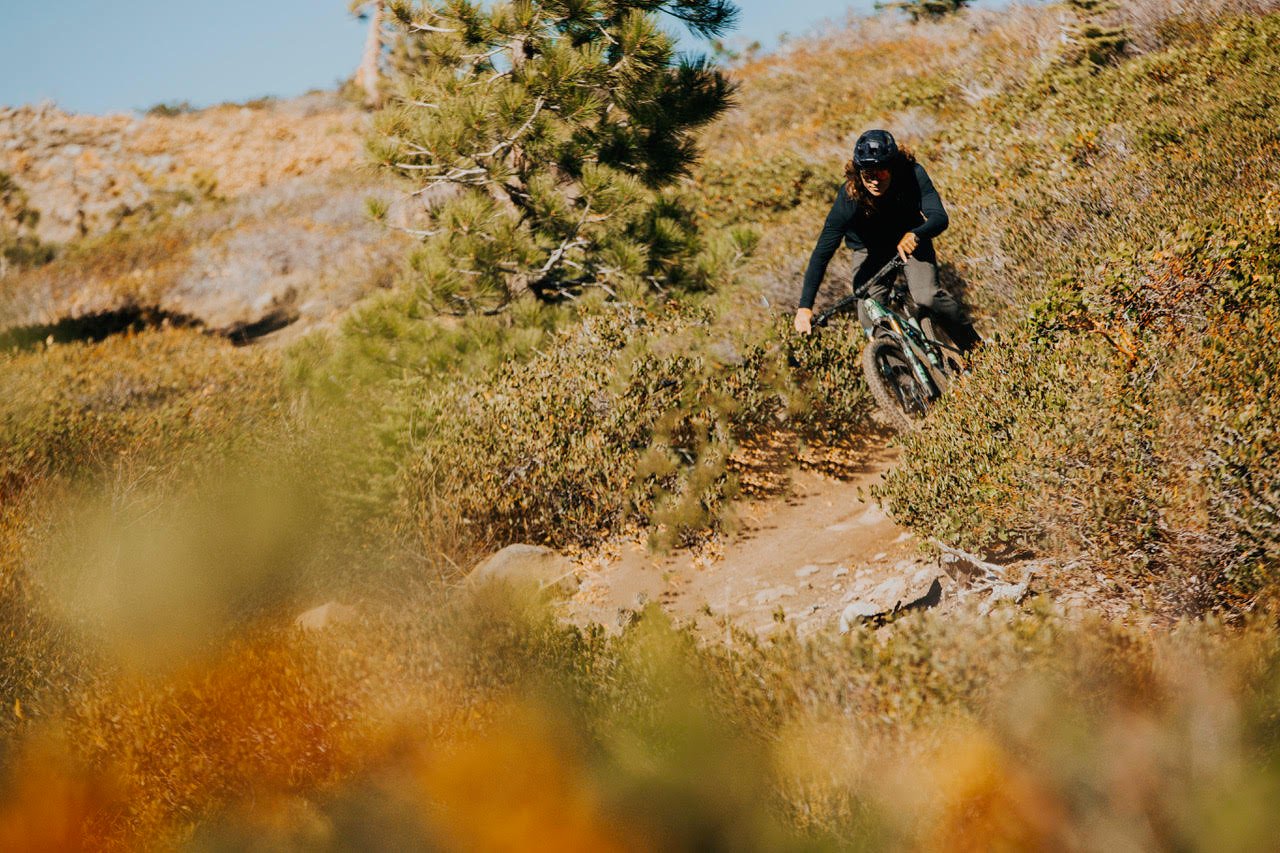
The Origins project serves as a critique of the modern outdoor industry’s relationship with the environment. For decades, marketing in the outdoor sector has focused on trails as "backdrops for personal achievement"—venues for mountain biking, trail running, or peak bagging. However, the project argues that this consumerist approach is unsustainable if the industry does not simultaneously advocate for the protection and restoration of the infrastructure it relies upon.
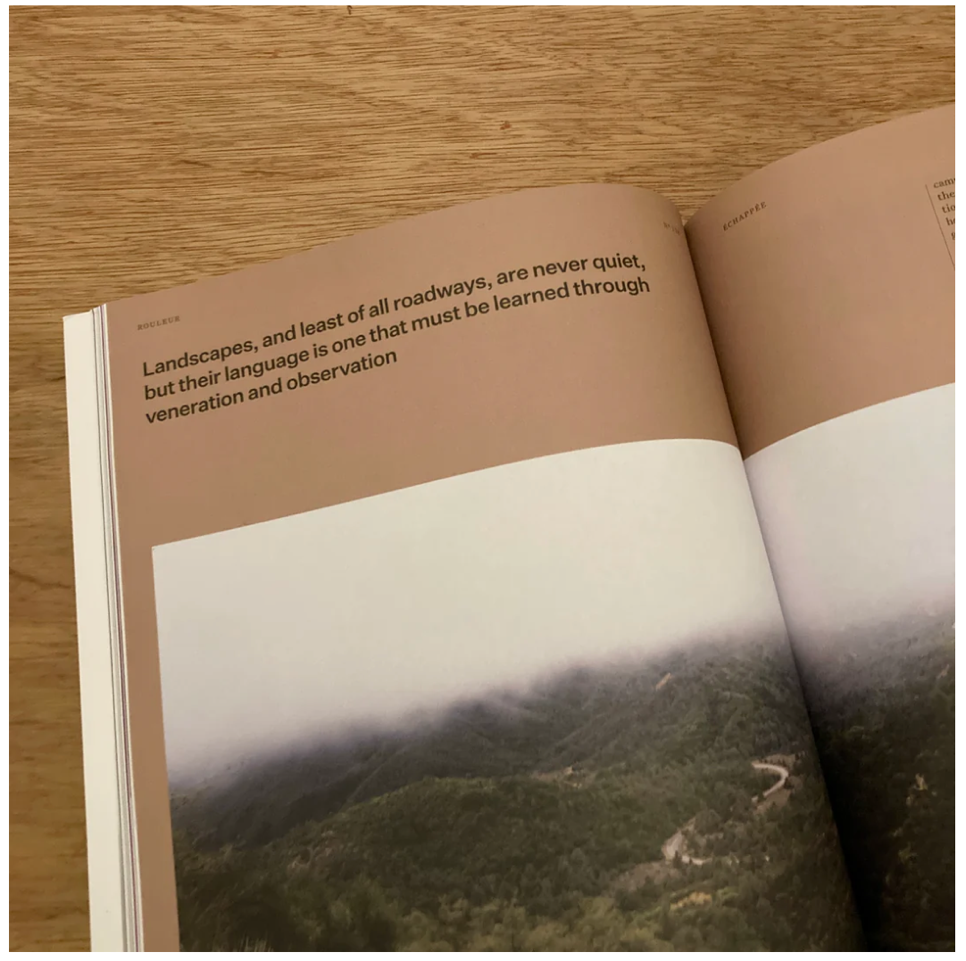
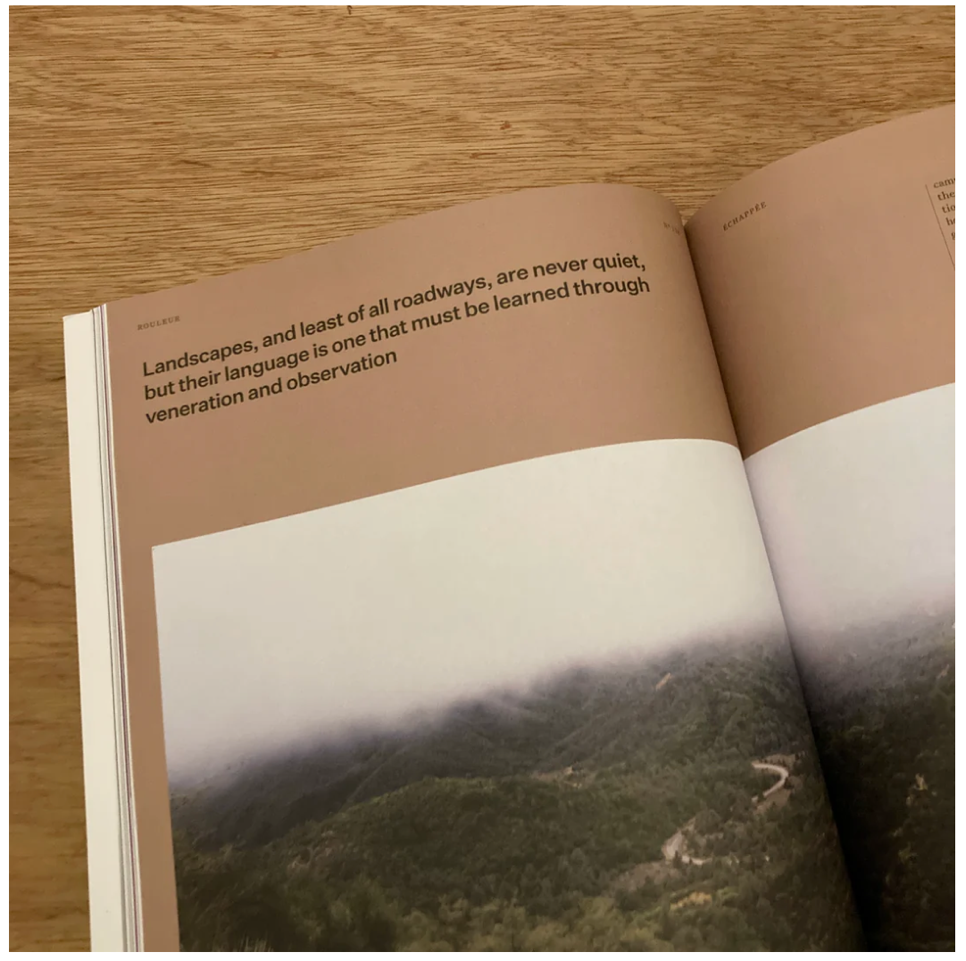
The project’s findings have been disseminated through various media outlets, including Rouleur Magazine, Freehub Magazine, and Adventure Journal, reaching a wide audience of outdoor enthusiasts. These narratives have helped shift the conversation from "recreation" to "stewardship." The culmination of this work is the forthcoming book Trail Work, scheduled for publication by Heyday in May 2026. This volume will provide a comprehensive look at how trails embody the human relationship with the land and how their loss is a direct reflection of the accelerating pressures of the climate crisis.
Conclusion: A Call for Resilient Stewardship
The work of the Origins project suggests that the preservation of trails requires a multi-faceted approach involving policy change, community engagement, and climate advocacy. To prevent the continued erasure of these historical and recreational corridors, stakeholders must push for adequate funding for land management agencies like the USFS and the Bureau of Land Management (BLM). This includes supporting legislation like the Great American Outdoors Act, which seeks to address the maintenance backlog on public lands.
Furthermore, the project emphasizes that trail stewardship is inextricably linked to climate action. As long as the climate continues to warm, the frequency of trail-destroying wildfires and floods will increase. Therefore, advocating for renewable energy and resilient infrastructure is as much a part of "trail work" as wielding a Pulaski or a McLeod.
The Origins project demonstrates that while wildfire and erosion may physically remove a trail from the ground, they do not have to remove it from the collective consciousness. Through the intentional act of documenting and rebuilding, the project seeks to preserve the meaning of these paths for future generations, ensuring that the stories written into the land are not lost to the flames. The ongoing efforts of Dillon Osleger and the Protect Our Winters (POW) community serve as a model for how outdoor athletes and scientists can transition from being users of the land to being its most dedicated protectors.