

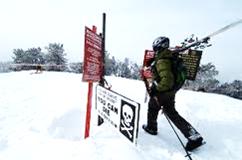
The allure of untamed powder and expansive, open terrain beckons many skiers and snowboarders beyond the meticulously groomed slopes and avalanche-controlled boundaries of established ski resorts. This phenomenon, often termed "sidecountry" or "backcountry access" skiing, presents a duality: an incredible recreational resource offering unparalleled freedom, yet an environment fraught with inherent and significant risks. As ski areas across the United States are frequently situated on or adjacent to easily accessible public lands, the line between resort skiing and uncontrolled wilderness can blur, leaving many participants venturing into territories where their safety is entirely their own responsibility. Doug, in his article "Sidecountry: Rated R," highlights a critical concern for parents and guardians: the unknown activities of young skiers who may leave the controlled environment of a resort for what he describes as "R-rated terrain." This suggests a departure from the supervised, safety-conscious atmosphere of a ski resort into a realm where the stakes are dramatically higher and the consequences of misjudgment can be severe.
The Growing Popularity of Sidecountry Access
The increasing accessibility of public lands bordering ski resorts has fueled a surge in sidecountry exploration. Data from the National Ski Areas Association (NSAA) indicates a consistent upward trend in overall skier visits over the past decade, with a notable segment of this growth attributed to riders seeking experiences beyond the traditional resort offerings. While precise figures for sidecountry usage are difficult to quantify due to its unofficial nature, anecdotal evidence from ski patrol professionals, backcountry guide services, and equipment manufacturers points to a significant and growing demographic. This expansion is facilitated by several factors: the availability of affordable backcountry touring equipment, the proliferation of online information and educational resources regarding avalanche safety, and the aspirational allure of conquering challenging, natural terrain.
However, this growing popularity comes with a stark reality: the absence of resort-based avalanche control and rescue services. Within the boundaries of a ski resort, dedicated ski patrol teams meticulously assess snowpack stability, conduct controlled avalanches to mitigate risk, and are equipped to respond swiftly to any incidents. In the sidecountry, these essential safety nets are non-existent. The responsibility for avalanche mitigation, hazard assessment, and any subsequent rescue efforts falls squarely on the shoulders of the individuals venturing into these areas. This places an immense burden on recreational users, who may lack the comprehensive training, experience, and equipment necessary to navigate such hazardous environments safely.
Understanding the "R-Rated Terrain"
The term "R-rated terrain," as used by Doug, is a potent metaphor for the increased risks associated with sidecountry skiing. It signifies a departure from the family-friendly, controlled environment of a ski resort into a domain characterized by:
- Uncontrolled Avalanche Danger: The most significant risk is the inherent unpredictability of snowpack in uncontrolled areas. Without expert assessment and mitigation, natural avalanches can be triggered by weather events, temperature fluctuations, or even the passage of skiers. The U.S. Forest Service Avalanche Center network reports thousands of avalanche incidents annually, with a significant portion occurring in backcountry areas.
- Remoteness and Inaccessibility: Sidecountry areas are often remote, meaning that even if a distress call is made, rescue can be delayed due to difficult terrain, limited visibility, and the time required for specialized rescue teams to reach the scene.
- Lack of Patrolling and Medical Services: Unlike ski resorts, where trained medical personnel and ski patrollers are readily available, sidecountry users are entirely on their own in the event of an injury. This can lead to critical delays in medical attention.
- Variable Snow Conditions: While often sought for their fresh powder, sidecountry areas can present a complex array of snow conditions, including icy patches, deep unconsolidated snow, and hidden obstacles beneath the snow surface, all of which can contribute to accidents.
The Parental Perspective: An Unseen Risk
Doug’s poignant question, "after a parent waves goodbye in the ski area parking lot do they know what the kids are doing? Are they leaving the ski area for R-rated terrain?" underscores a critical gap in parental awareness. Many parents believe their children are safely enjoying the resort’s amenities, unaware that they might be venturing through gates or unmarked boundaries into potentially perilous backcountry. This lack of visibility is particularly concerning for younger, less experienced skiers who may be influenced by peers or the desire for adventure, without fully comprehending the gravity of their decisions.
The Children’s Ski Safety Alliance (CSSA), a hypothetical organization dedicated to promoting safety in skiing, might express concern over this trend. "We advocate for open communication between parents and children about the boundaries of safe skiing," a CSSA spokesperson could state. "It’s crucial for young people to understand that ‘fun’ doesn’t have to mean ‘reckless.’ The excitement of exploring new terrain should always be balanced with a thorough understanding of the risks and the necessary precautions."
Chronology of a Potential Sidecountry Incident
To illustrate the distinct difference in response and consequence, consider a hypothetical scenario:
- 10:00 AM: A group of teenagers, ostensibly heading for resort runs, find an unmarked access point into a backcountry area adjacent to the resort. They are equipped with basic ski gear but lack specialized avalanche safety equipment like transceivers, probes, and shovels, or have minimal training in their use.
- 11:30 AM: While traversing a slope, the group inadvertently triggers a shallow avalanche. One member is caught and buried.
- Resort Scenario: If this incident occurred within resort boundaries, a call to ski patrol would initiate an immediate response. Trained patrollers, equipped with specialized gear and knowledge, would be on the scene within minutes. Avalanche mitigation efforts would have already been in place, significantly reducing the likelihood of such an event.
- Sidecountry Scenario: In the sidecountry, the remaining group members must rely on their limited knowledge and potentially inadequate equipment to locate their buried companion. The time it takes to organize a search, locate the individual, and then potentially hike out or wait for external rescue can be agonizingly long. The chances of survival for a fully buried avalanche victim decrease dramatically with every minute of burial. According to the International Snow Science Workshop, survival rates drop significantly after 15-18 minutes.
Supporting Data and Analysis
The statistics surrounding avalanche fatalities paint a sobering picture. The Colorado Avalanche Information Center (CAVC), one of the most active in the U.S., consistently reports that the majority of avalanche fatalities are a result of human-triggered avalanches, and a significant percentage occur in backcountry areas. Analysis of these incidents often reveals a common thread: a lack of proper training, insufficient equipment, and a misjudgment of the prevailing avalanche conditions.
A 2022 report by the American Avalanche Association (AAA) highlighted that while avalanche education is increasing, the number of people venturing into avalanche terrain is growing at a faster rate. This disparity creates a widening gap in safety, as more individuals are exposed to risk without adequate preparation. The report also noted that a substantial number of avalanche victims were with a group, emphasizing that even with companions, the lack of collective expertise and preparedness can lead to tragedy.
Official Responses and Recommendations
Organizations like the National Avalanche Center (NAC) and various regional avalanche centers work tirelessly to educate the public about avalanche risks. Their recommendations are consistent and crucial for anyone considering sidecountry access:
- Obtain Avalanche Education: Taking an AIARE (American Institute for Avalanche Research and Education) Level 1 course is the minimum recommended training for anyone venturing into avalanche terrain. This course teaches participants how to recognize avalanche hazards, understand snowpack layers, and make informed decisions.
- Carry Essential Safety Gear: Always carry and know how to use an avalanche transceiver, probe, and shovel. These are not optional items for backcountry travel.
- Check Avalanche Forecasts: Before heading out, always consult the local avalanche forecast. These forecasts provide critical information about current snowpack stability and expected conditions.
- Travel with a Partner: Never ski or ride alone in avalanche terrain. Ensure that all members of your group are trained and equipped.
- Know Your Limits: Be honest about your skill level and experience. Do not attempt terrain that is beyond your capabilities or understanding.
- Understand Resort Boundaries: Be aware of where resort boundaries are clearly marked and respected. Unmarked gates or areas should be considered the start of uncontrolled territory.
Broader Impact and Implications
The trend towards sidecountry skiing has implications beyond individual safety. For ski resorts, the proximity of uncontrolled terrain can create liability concerns, as incidents occurring just beyond their boundaries may still draw attention or perceived responsibility. Furthermore, increased activity in backcountry areas can impact wildlife, vegetation, and the overall natural environment, necessitating responsible land management practices.
The "R-rated terrain" of the sidecountry offers an undeniable thrill and a sense of raw adventure. However, this freedom comes at a price. The inherent risks are substantial, and the consequences of underestimation or unpreparedness can be dire. As Doug’s observation suggests, the gap between parental oversight and the reality of youthful exploration into these hazardous zones represents a critical area for increased awareness and communication. Ultimately, the responsibility for navigating these beautiful yet dangerous landscapes rests with each individual, demanding a commitment to education, preparedness, and a profound respect for the power of nature. The allure of the sidecountry is undeniable, but its true enjoyment is inextricably linked to a thorough understanding and mitigation of its inherent dangers.