

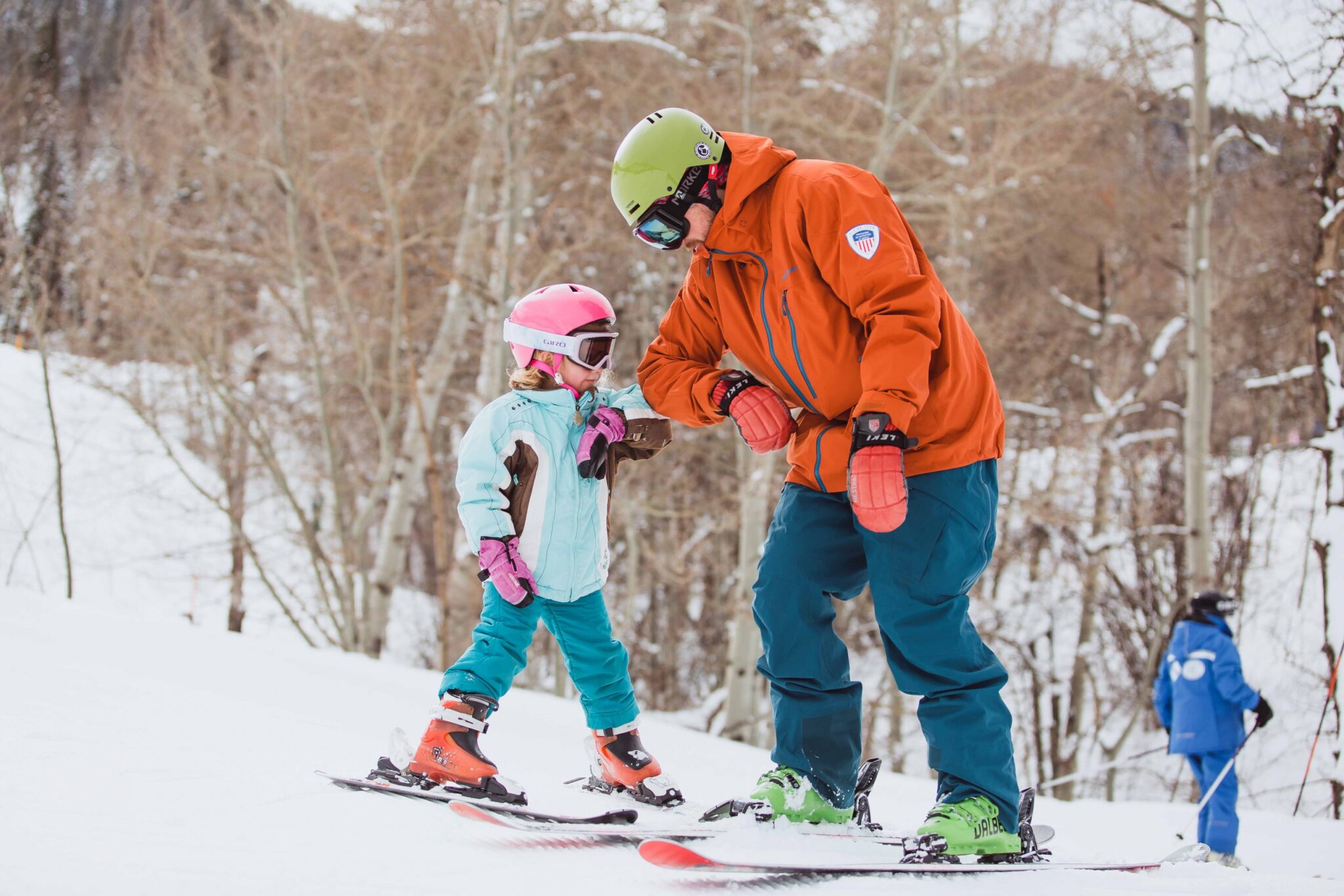
The Evolution of Snowsports Education: Beyond Technical Prowess
For decades, snowsports instruction predominantly focused on technical mastery—the mechanics of turning, carving, and navigating diverse terrain. While undeniably crucial, a growing body of research in educational psychology and human development has demonstrated that the learning process is deeply intertwined with interpersonal dynamics. Recognizing this, PSIA-AASI has progressively integrated a more holistic approach into its educational framework. The current emphasis on People Skills is not a radical departure but rather a formalized articulation of principles that have long been implicitly understood by master educators. Dave Schuiling, PSIA-AASI Director of Education and Credentialing, notes that these skills, sometimes casually referred to as Trust, Communication, Me, and You, represent "not a new framework or model. It’s just a simple way to remember what already exists." This statement suggests an ongoing refinement and spotlighting of existing best practices rather than a sudden shift.
This evolution reflects a broader trend in professional development across various sectors, where "soft skills" or "power skills" are increasingly recognized as essential for success. In the dynamic, often intimidating environment of a ski resort, where students may contend with physical challenges, fear of injury, and performance anxiety, an instructor’s ability to connect on a human level becomes paramount. The formalization of these People Skills within the PSIA-AASI curriculum underscores a commitment to producing not just technically proficient instructors, but also highly effective and empathetic educators capable of fostering profound learning experiences.
The Four Pillars of Connection: A Deeper Dive
The PSIA-AASI framework posits that these People Skills are not innate personality traits but rather measurable behaviors that can be learned, practiced, and refined through conscious effort. This distinction is crucial, transforming them from elusive qualities into tangible professional competencies.
1. Trust: The Foundation of Psychological Safety
At the apex of the People Skills framework is Trust, which PSIA-AASI identifies as the bedrock of any successful learning environment. When a student feels psychologically unsafe—fearful of judgment, embarrassment, or failure—their capacity for learning diminishes significantly, sometimes ceasing altogether. This concept aligns directly with the extensive research on psychological safety conducted by Harvard Business School professor Amy Edmondson. Her work highlights that individuals in psychologically safe environments are more likely to take risks, ask questions, admit mistakes, and experiment with new approaches, all of which are critical for skill acquisition, particularly in a physically demanding activity like snowsports.
In the context of a ski or snowboard lesson, building trust manifests in several observable behaviors. Instructors must consistently demonstrate reliability, transparency, and a genuine concern for the student’s well-being and progress. This means actively listening to student concerns, validating their emotions even if they seem irrational, and creating an atmosphere where mistakes are viewed as opportunities for learning rather than failures. For instance, an instructor who consistently checks in on a student’s comfort level, acknowledges their apprehension on a steeper slope, and provides clear, consistent feedback without punitive undertones, systematically builds trust. Post-lesson reflection questions like, "Did my students take risks today?" or "Did they push boundaries and work with me through the learning struggle?" serve as critical indicators of whether trust has been successfully established. Data from educational psychology consistently shows that learners in high-trust environments exhibit higher engagement, faster skill acquisition, and greater retention rates, making this pillar indispensable.
2. Communication: Fostering Dialogue and Ownership
Beyond simply conveying information, effective Communication in snowsports instruction is defined by PSIA-AASI as a dialogue, not a monologue. Learning, particularly the acquisition of complex motor skills, is not a passive transfer of facts but an active construction of knowledge. This principle resonates with the theories of psychologist Lev Vygotsky, who emphasized the social nature of learning. Vygotsky’s sociocultural theory posits that knowledge is built collaboratively through interaction, meaning students learn more effectively when they are active participants in the conversation, articulating their experiences and insights.
Practically, this means instructors should prioritize open-ended questions over declarative statements. Instead of dictating, "Here’s what you need to do," an instructor might ask, "What feedback were you getting from your ski(s)/board?" or "What do you think is happening there?" This approach encourages students to analyze their own movements, connect sensations with outcomes, and verbalize their understanding. When students articulate their experiences and co-create solutions, their retention of new skills significantly increases, and they develop a greater sense of ownership over their learning journey. Research indicates that active recall and self-explanation, both fostered by this dialogic approach, can boost learning efficacy by as much as 30-50% compared to passive listening. The challenge for instructors lies in speaking less and listening more, allowing students the space to process and contribute, thereby transforming the lesson into a truly collaborative endeavor.
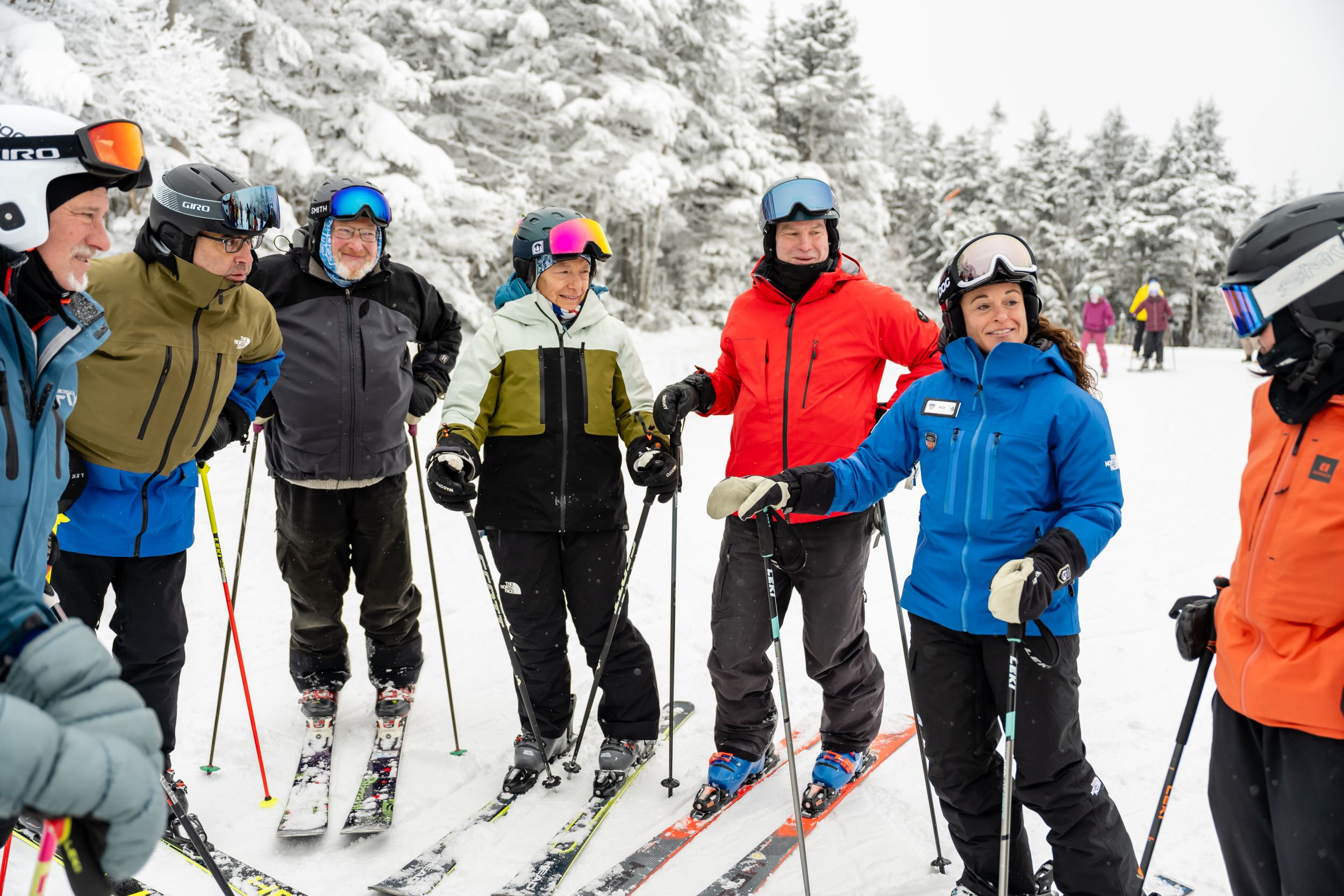
3. Managing "Me": Emotional Regulation and Instructor Presence
Perhaps the most overlooked, yet profoundly impactful, professional skill is the ability to manage one’s own emotional state, or "Managing Me." As described by psychologist and author Daniel Goleman in his foundational work on emotional intelligence, self-awareness and self-regulation are critical leadership competencies. Snowsports instructors are, by definition, leaders in their learning environment, and their emotional state invariably sets the climate for the lesson. Students are highly attuned to an instructor’s non-verbal cues and energy. If an instructor appears rushed, frustrated, or anxious, students will often mirror these emotions, leading to tension, decreased performance, and a less enjoyable experience. Conversely, a calm, composed instructor can create a reassuring and productive atmosphere.
Leadership coach Todd Musselman’s adage, "No one ever got a feeling wrong," encapsulates a vital aspect of this skill: validating emotions without necessarily agreeing with their logical premise. If a student expresses, "This feels terrifying," dismissing their fear with a logical "You’re safe" might be factually correct but invalidates their emotional reality. A more effective response, such as, "From here, it does look steep. I can see why that feels intimidating," acknowledges their feeling, regulates their nervous system, and builds a stronger connection, ultimately increasing their coachability. Instructors can cultivate this skill through practices like intentional pauses, deep breathing, and self-reflection, improving self-awareness and enabling them to respond thoughtfully rather than react impulsively. The ability to regulate one’s emotions and project a steady, supportive presence is a powerful tool that directly influences student confidence and openness to learning.
4. Understanding "You": Motivation and Attunement
Once instructors master self-management, they are better equipped to truly tune into and understand their students, addressing the "Understanding You" pillar. This skill draws heavily from Self-Determination Theory (SDT), developed by psychologists Edward Deci and Richard Ryan. SDT posits that individuals are most intrinsically motivated when three core psychological needs are met: autonomy (feeling in control of their choices), competence (feeling effective and capable), and relatedness (feeling connected and understood).
In snowsports instruction, recognizing and addressing these needs is crucial. Students are more engaged when they feel they have a say in their learning path (autonomy), experience incremental successes that build their skill (competence), and feel a genuine connection with their instructor (relatedness). An instructor who actively seeks to understand a student’s goals, fears, and preferred learning style—without immediately attempting to "fix" them—creates an environment where these needs can flourish. This involves asking probing questions, observing subtle cues, and reflecting on the student’s perspective before offering solutions. For example, instead of immediately correcting a perceived flaw, an instructor might simply ask, "Tell me more about what you just experienced." This deep listening fosters understanding, builds rapport, and makes the student more receptive to coaching. When students feel genuinely understood, their intrinsic motivation soars, leading to more sustained effort and deeper learning.
Implementing and Measuring People Skills in Practice
PSIA-AASI emphasizes that if People Skills truly matter, they must be observable and measurable. This necessitates integrating them into instructor training clinics, peer observations, and self-reflection exercises. The organization provides clear guidelines for assessing these fundamentals:
- Trust: Evidenced by students taking risks, asking questions, admitting mistakes, and demonstrating comfort with the instructor.
- Communication: Seen in active student participation, open-ended questions from the instructor, and students articulating their own experiences.
- Managing Self: Observed through the instructor’s calm demeanor, patience, ability to validate student emotions, and thoughtful responses.
- Understanding Others: Manifests in the instructor’s attentiveness to student goals, fears, and energy levels, and their ability to tailor instruction accordingly.
This structured approach ensures that People Skills are not relegated to abstract concepts but are treated with the same rigor as technical and teaching skills. The "Learning Connection," a broader PSIA-AASI framework, explicitly links these three domains—technical, teaching, and people skills—to create a comprehensive model for effective instruction. Technical skills inform the understanding of movement and equipment. Teaching skills bridge the gap between instructor knowledge and student comprehension, building new abilities. Crucially, People Skills forge the human connection, unlocking a myriad of possibilities for enhanced learning by creating a supportive, engaging, and motivating environment.
Broader Implications and the Future of Snowsports Education
The intentional cultivation of People Skills by snowsports instructors has far-reaching implications. For students, it translates to more enjoyable, effective, and memorable lessons, increasing the likelihood of continued participation in snowsports. They gain not just technical proficiency but also a sense of accomplishment, confidence, and positive human interaction. For instructors, this refined focus elevates their professional standing, providing them with a comprehensive skill set that goes beyond mere demonstration. It fosters greater job satisfaction, improved teaching efficacy, and clearer pathways for career advancement within the industry. For the snowsports industry as a whole, a workforce of highly skilled, emotionally intelligent instructors contributes to higher customer satisfaction, stronger retention rates, and ultimately, growth in participation, securing the future of the sport.
This initiative positions PSIA-AASI at the forefront of educational innovation in outdoor recreation, drawing parallels with leading practices in sports coaching, corporate training, and educational leadership. The most effective instructors are not just technically accurate; they are intentional about connection, adept at noticing emotions, skilled in validation, adaptive in their approach, and reflective in their practice. They treat People Skills with the same dedication as movement skills, embracing repetition, seeking feedback, and maintaining an insatiable curiosity for human interaction. The message is clear: authentic connection on the slopes is not accidental; it is purposefully trained, meticulously practiced, and fundamentally transforms the learning experience.