

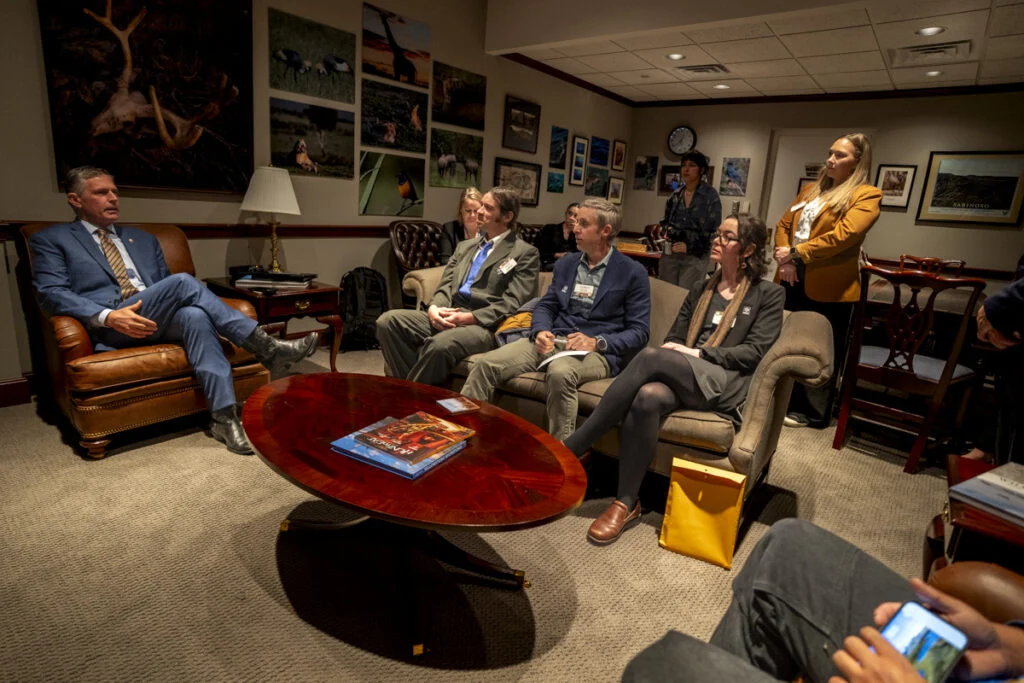
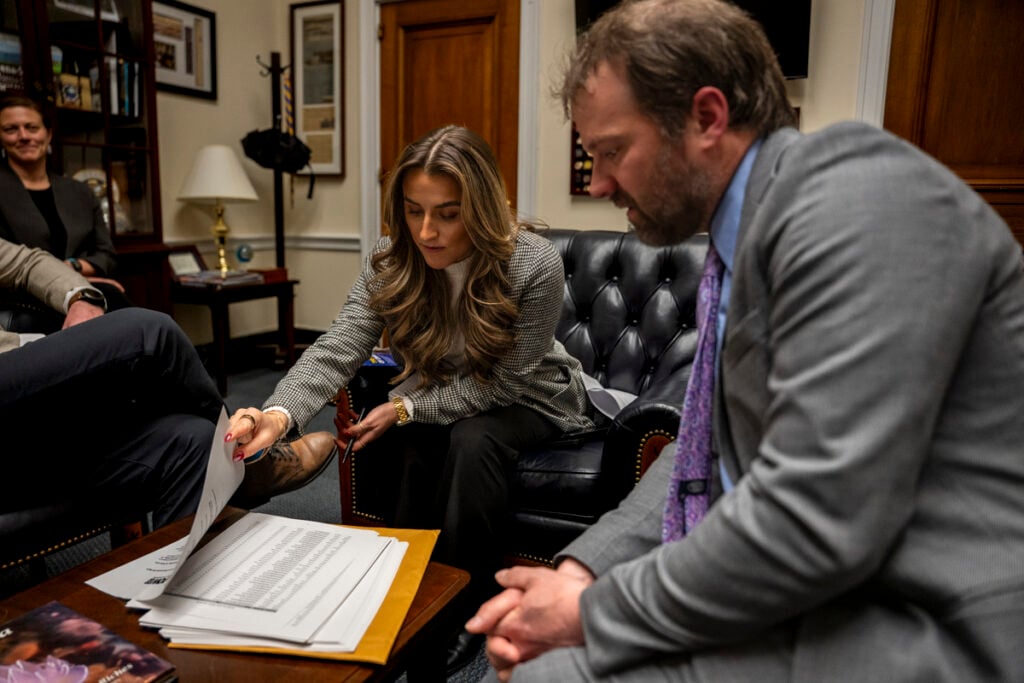
In a direct challenge to the federal government’s renewed push for fossil fuel extraction in the northernmost reaches of the United States, a coalition of climate advocates, professional athletes, and Indigenous leaders descended upon Washington, D.C., last week to demand permanent protections for the Arctic. Led by the advocacy group Protect Our Winters (POW) and the Alaskan Wilderness League (AWL), the delegation hand-delivered a comprehensive 74-page petition to lawmakers on Capitol Hill. The document, which contains the signatures of 6,000 constituents from across the so-called "Outdoor State," serves as a formal protest against new legislation designed to streamline oil and gas leasing within the Arctic National Wildlife Refuge (ANWR) and the National Petroleum Reserve in Alaska (NPRA).
The timing of the "fly-in" advocacy event was critical. As the delegation moved through the halls of Congress, the Trump administration was moving to finalize and sign legislation that would ease regulatory hurdles for energy companies seeking to tap into the Arctic’s vast, yet environmentally sensitive, oil reserves. The delivery of the petition marks a significant escalation in the strategy of the "Outdoor State"—a demographic of outdoor enthusiasts, athletes, and business owners who argue that the preservation of public lands is an economic and environmental necessity.
A Strategic Coalition on the Hill
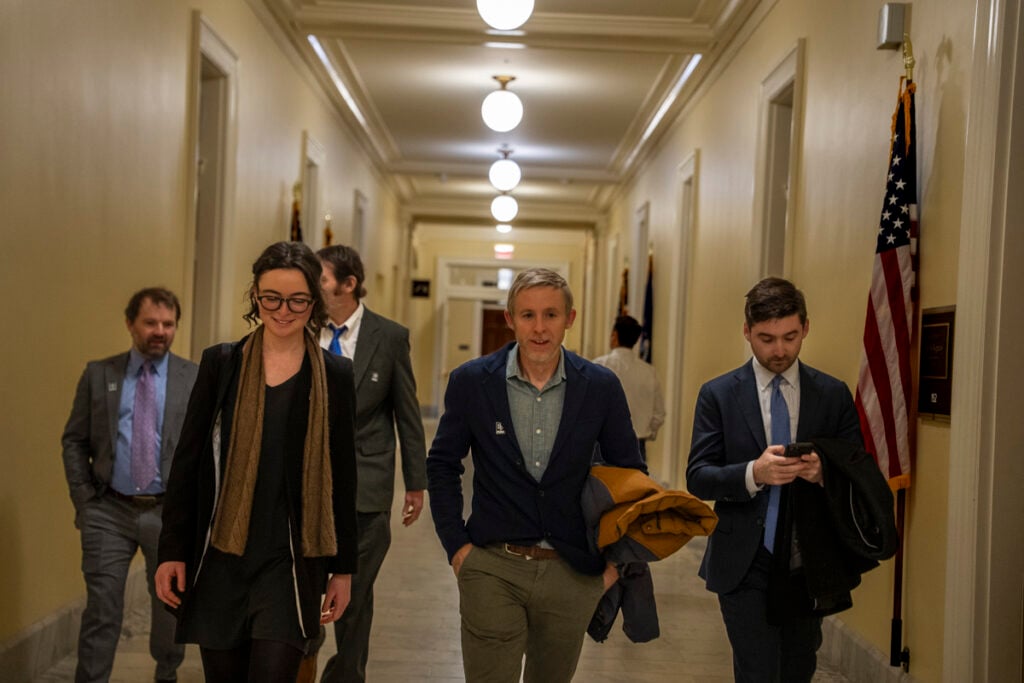
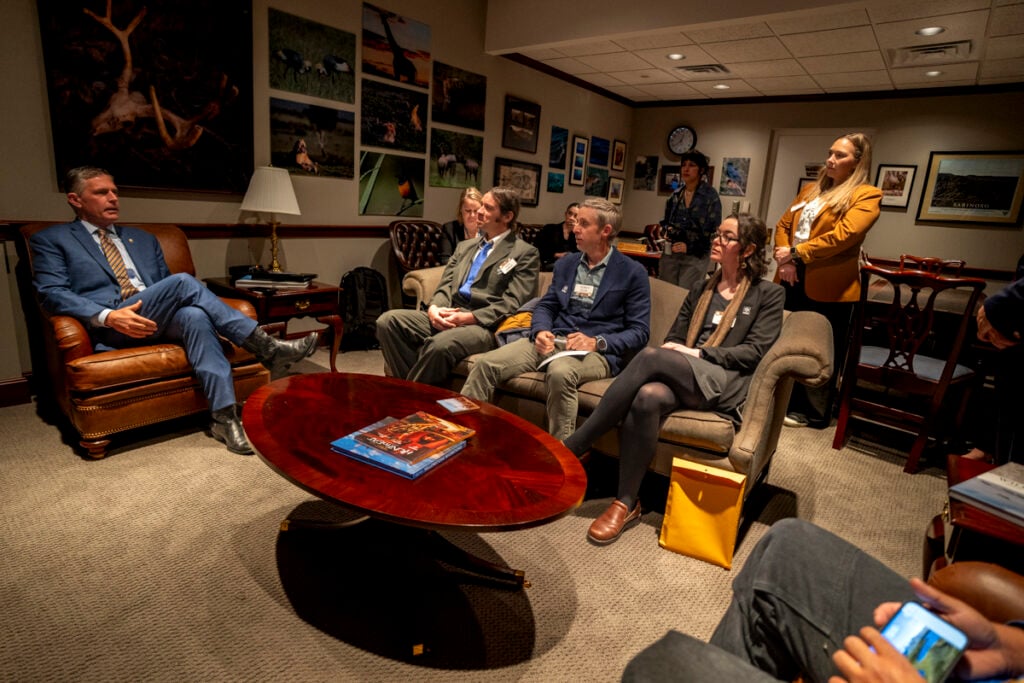
The two-day legislative blitz was organized as a joint effort between POW, the Alaskan Wilderness League, and the League of Conservation Voters (LCV). By bringing together a diverse array of voices, the coalition sought to present a multifaceted argument for Arctic protection that transcended traditional environmental rhetoric. The delegation included world-renowned professional climbers like Tommy Caldwell, professional skiers, scientists, filmmakers, and, most crucially, Indigenous voices from Alaska whose ancestral lands are directly impacted by drilling proposals.
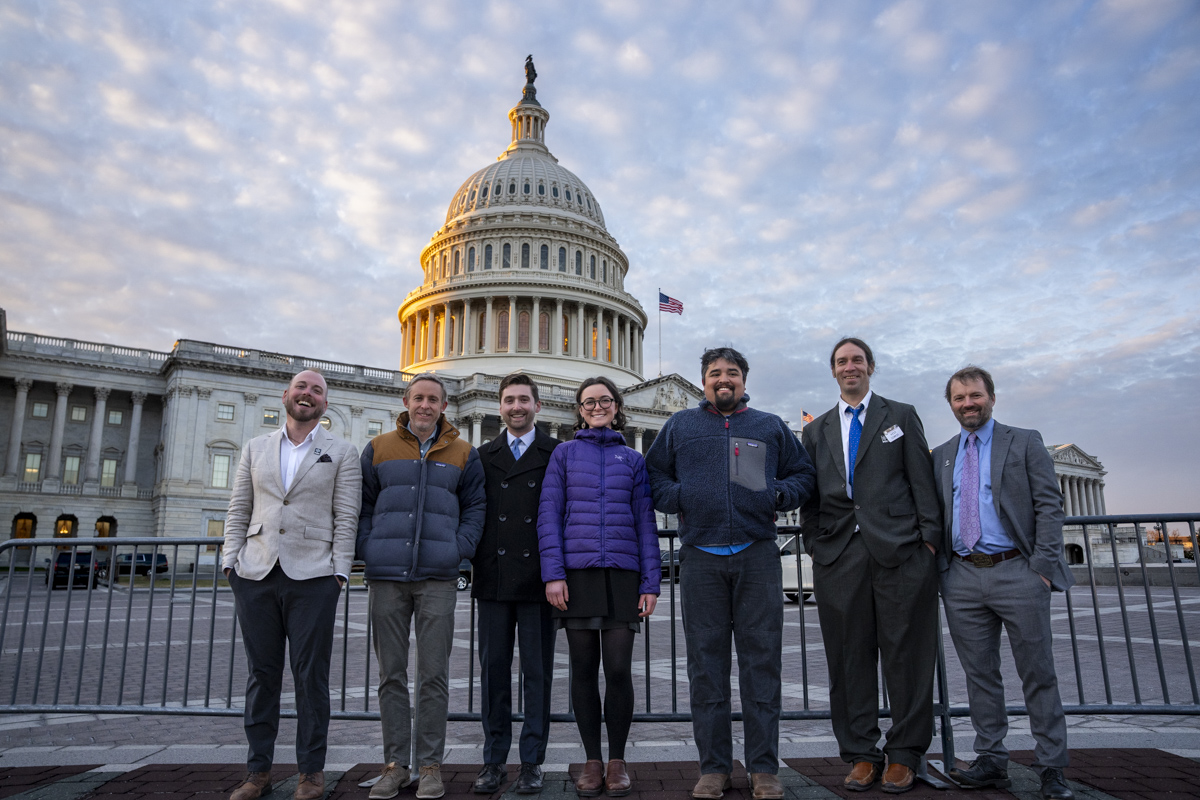
Over the course of dozens of meetings with key Senate and House offices, the coalition focused on a four-pronged objective: delivering the 6,000-signature petition, demonstrating the unified political power of the outdoor recreation industry, pushing back against specific leasing proposals in the Arctic Refuge and NPRA, and advancing the Energizing Our Communities Act (EOCA). The EOCA represents the "proactive" side of the coalition’s agenda, proposing a bipartisan framework for community-level clean energy development and grid resilience.
The presence of high-profile athletes like Caldwell and creative professionals like photographer Ming T. Poon was intended to cut through the "policy noise" of Washington. By grounding the conversation in lived experience—specifically the visible effects of climate change on mountain and Arctic ecosystems—the group aimed to make the abstract concept of Arctic drilling tangible for policymakers.
The Legislative Context: A Shifting Arctic Policy
The conflict on Capitol Hill centers on the 1.5-million-acre Coastal Plain of the Arctic National Wildlife Refuge, often referred to as the "1002 Area." While the refuge was established decades ago, the 1002 Area has been the subject of a bitter political tug-of-war since the 1980s. Proponents of drilling argue that the region holds billions of barrels of oil that could bolster national energy security and provide revenue for the state of Alaska. Opponents, however, maintain that the region is a "biological heart" for caribou, polar bears, and migratory birds, and that its development would be a "carbon bomb" for the global climate.
The current administration’s recent legislative actions aim to fulfill mandates established in the 2017 Tax Cuts and Jobs Act, which required the federal government to hold two lease sales in the Arctic Refuge by 2024. While the first sale in 2021 saw tepid interest from major oil companies, the current administration has sought to revitalize the process by removing "bureaucratic roadblocks" and easing environmental review requirements.
Last Friday, President Trump signed new legislation specifically tailored to accelerate drilling and mining operations in Arctic Alaska. The legislation is designed to shorten the permitting process and limit the ability of environmental groups to stall projects through litigation. In response, POW and its partners have declared a shift into "Phase Two" of their campaign, which will likely involve a combination of legal challenges, market-based pressure on financial institutions, and continued grassroots mobilization.
Economic and Environmental Data: The Case Against Drilling
The 74-page petition delivered by the coalition argues that Arctic drilling is not only an environmental hazard but also a "fiscally risky" investment. To support this claim, the coalition pointed to several key data points and market trends:
- Market Volatility and Extraction Costs: The Arctic is one of the most expensive places in the world to explore for and produce oil. High operational costs, coupled with the volatility of global oil prices, make Arctic projects less competitive than shale plays in the lower 48 states.
- Financial Industry Retreat: A growing number of major global banks and insurance companies have implemented policies that prohibit the financing or underwriting of oil and gas projects in the Arctic. This includes several of the largest U.S. banks, which cite both environmental risks and the long-term shift toward a low-carbon economy as primary reasons for their withdrawal.
- Climate Goals: Scientists estimate that the Arctic is warming nearly four times faster than the rest of the planet. The petition highlights that the disturbance of carbon-rich permafrost in the region could release significant amounts of methane and carbon dioxide, further accelerating global warming and undermining U.S. commitments to international climate accords.
- The Outdoor Economy: The "Outdoor State" represents a massive economic engine. According to the Bureau of Economic Analysis (BEA), the outdoor recreation economy accounts for approximately 2.2% of the U.S. GDP, generating over $1 trillion in economic output and supporting nearly 5 million jobs. Advocates argue that the long-term value of intact public lands far outweighs the short-term gains of resource extraction.
The Energizing Our Communities Act (EOCA)
A significant portion of the coalition’s time on the Hill was spent advocating for the Energizing Our Communities Act. Unlike the defensive battle over the Arctic Refuge, the EOCA is a forward-looking piece of legislation designed to provide a "practical, bipartisan path" toward a clean-energy future.
The act focuses on incentivizing the development of renewable energy infrastructure at the community level, particularly in rural and transition-dependent areas. By providing grants and technical assistance for grid modernization and local clean energy projects, the EOCA seeks to ensure that the transition away from fossil fuels does not leave traditional energy-producing communities behind. Coalition members noted that the EOCA found resonance among lawmakers from both parties, as it emphasizes energy independence, local job creation, and grid reliability—issues that are high priorities regardless of political affiliation.
Indigenous Sovereignty and Lived Experience
Central to the coalition’s message was the concept of Indigenous sovereignty. The Gwich’in people of northeast Alaska and northwest Canada refer to the Coastal Plain of the Arctic Refuge as "Iizhik Gwats’an Gwandaii Goodlit" (The Sacred Place Where Life Begins). Their culture and food security are inextricably linked to the Porcupine Caribou Herd, which uses the Coastal Plain as a calving ground.
Indigenous representatives in the delegation shared personal stories of how climate change and industrial encroachment are already altering their way of life. They argued that any decision regarding the Arctic must respect the rights and voices of the people who have inhabited the land for millennia. The petition specifically mentions that drilling in these areas is "out of step" with contemporary standards of Indigenous rights and environmental justice.
Official Responses and Broader Implications
While many Democratic offices, such as those of Senator Martin Heinrich and Representative Jared Huffman, expressed strong support for the coalition’s goals, the response from proponents of the new drilling legislation remained steadfast. Supporters of the administration’s policy argue that the Arctic’s resources are essential for maintaining a stable energy supply and that modern technology allows for "responsible" development with a minimal surface footprint.
However, the delivery of 6,000 signatures from the outdoor community indicates a growing political infrastructure capable of challenging these narratives. "Policy is the only thing that has the chance to fix our climate and save our public lands," noted Tommy Caldwell during the trip. His sentiment reflects a broader shift within the professional athlete community toward active political engagement.
The implications of this advocacy extend beyond the borders of Alaska. The battle over the Arctic Refuge is often viewed as a bellwether for the future of U.S. public lands policy. A victory for proponents of drilling could signal a broader opening of protected lands to extractive industries, while a successful defense by the coalition could reinforce the legal and political frameworks that protect national monuments and wilderness areas.
Conclusion and Future Outlook
As the coalition returns from Washington, the focus shifts to the implementation of "Phase Two." With the Trump administration’s signature on the new Arctic legislation, the path to drilling has been cleared at the executive level, but the battle is far from over in the courts or the court of public opinion.
Protect Our Winters and the Alaskan Wilderness League have indicated that they will continue to escalate pressure on the Congressional delegation and the financial sector. The coalition’s strategic use of "lived experience" and economic data suggests that the next phase of the campaign will be as much about the "bottom line" as it is about biodiversity.
The Arctic story, as told by the people who know it best, has created a "vibrant counter-balance" to the current political momentum. As 2025 draws to a close, the "Outdoor State" appears energized and strategically aligned, preparing for a protracted struggle to ensure that the 74 pages of signatures delivered to the Hill result in permanent, enforceable protections for one of the world’s last great wilderness areas.
