

In a series of rapid administrative actions coordinated across multiple federal agencies, the executive branch has initiated a sweeping reversal of United States energy and environmental policy. These measures, implemented primarily during the recent winter transition period, target established renewable energy projects, foundational scientific institutions, and long-standing offshore conservation protocols. The administration has characterized these moves as essential for national security and grid reliability, while critics, economists, and scientific organizations argue they represent an unprecedented expansion of federal power that could destabilize the energy market and undermine the nation’s ability to forecast and respond to extreme weather events.
Immediate Cessation of Major Offshore Wind Infrastructure
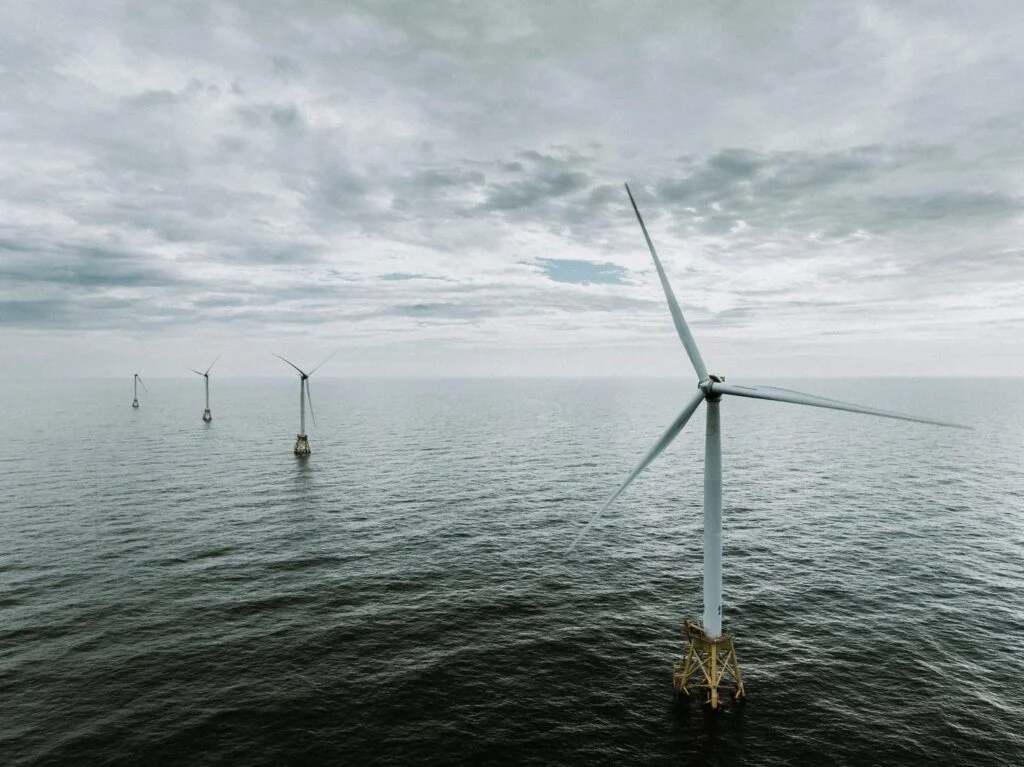
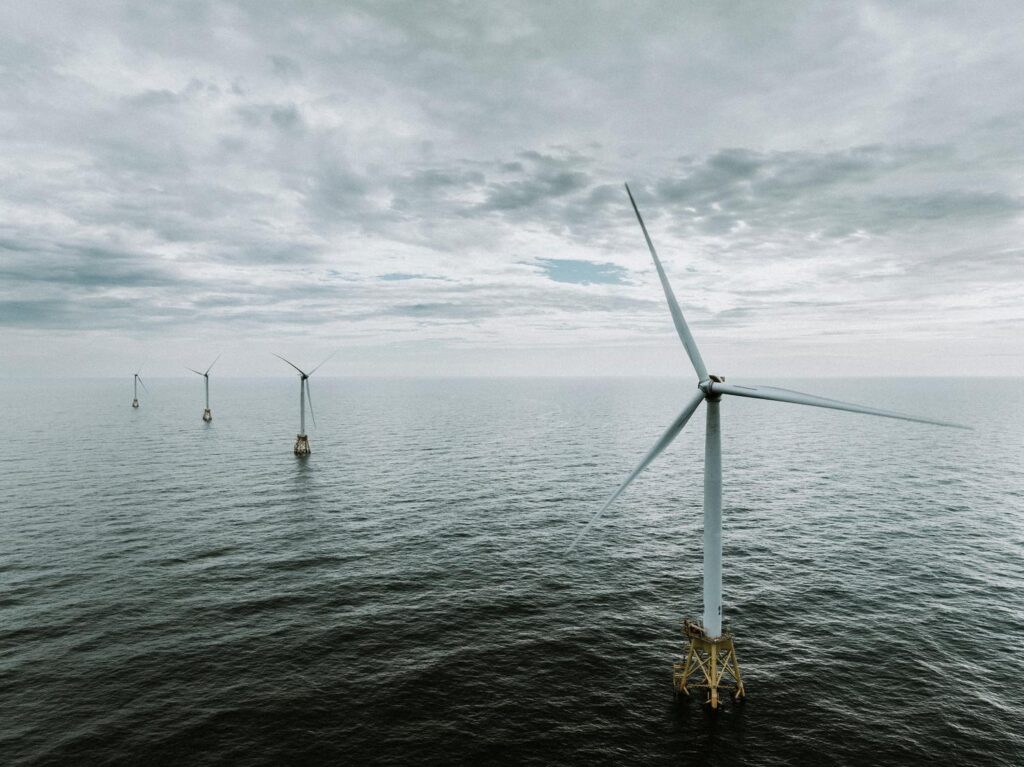
The Department of the Interior has issued directives to halt five major offshore wind projects that were already in various stages of construction. These projects—Vineyard Wind, Revolution Wind, Coastal Virginia Offshore Wind, Sunrise Wind, and Empire Wind—represent the vanguard of the American offshore wind industry. Collectively, these installations were projected to provide over 5 gigawatts of clean energy to the Eastern Seaboard, enough to power millions of homes and support thousands of specialized maritime and construction jobs.
The administration’s justification for the stoppage rests on "national security" claims, which remain largely classified. By invoking security concerns, the Department has bypassed traditional judicial review and administrative appeal processes that typically govern the suspension of fully permitted infrastructure projects. Industry analysts note that halting projects mid-build is historically rare due to the massive capital investments already deployed. For instance, Vineyard Wind, located off the coast of Massachusetts, had already begun delivering power to the grid.
The economic implications of these halts are significant. Investors in the renewable sector now face a landscape of heightened regulatory risk, where "fully permitted" status no longer guarantees the right to complete construction. This uncertainty threatens to drive up the cost of capital for future energy projects and may deter international investment in the U.S. energy transition. Furthermore, the sudden stoppage leaves supply chains in limbo, affecting domestic manufacturing facilities in states like New Jersey and Virginia that were established specifically to service these offshore sites.

Proposed Dissolution of the National Center for Atmospheric Research
In a move that has sent shockwaves through the global scientific community, the administration has proposed the potential shutdown of the National Center for Atmospheric Research (NCAR). Headquartered in Boulder, Colorado, NCAR is a federally funded research and development center managed by the University Corporation for Atmospheric Research (UCAR) under sponsorship from the National Science Foundation.
Since its founding in 1960, NCAR has served as the backbone of American climate and atmospheric science. The institution maintains the Community Earth System Model (CESM), one of the world’s most sophisticated tools for predicting long-term climate trends, and operates the "Derecho" supercomputer, which provides the processing power necessary for complex weather simulations.
The proposed closure would disrupt critical data streams used by a wide array of stakeholders. State and local governments rely on NCAR’s wildfire modeling to plan evacuation routes and manage forest health. The agricultural sector utilizes its long-term precipitation forecasts for crop planning, while the insurance and aviation industries depend on its research to assess risk and ensure flight safety. Critics of the proposal argue that dismantling NCAR would not merely be a budgetary measure but a strategic removal of the scientific foundation required for national disaster preparedness.
Expansion of Offshore Oil and Gas Leasing to 1.27 Billion Acres
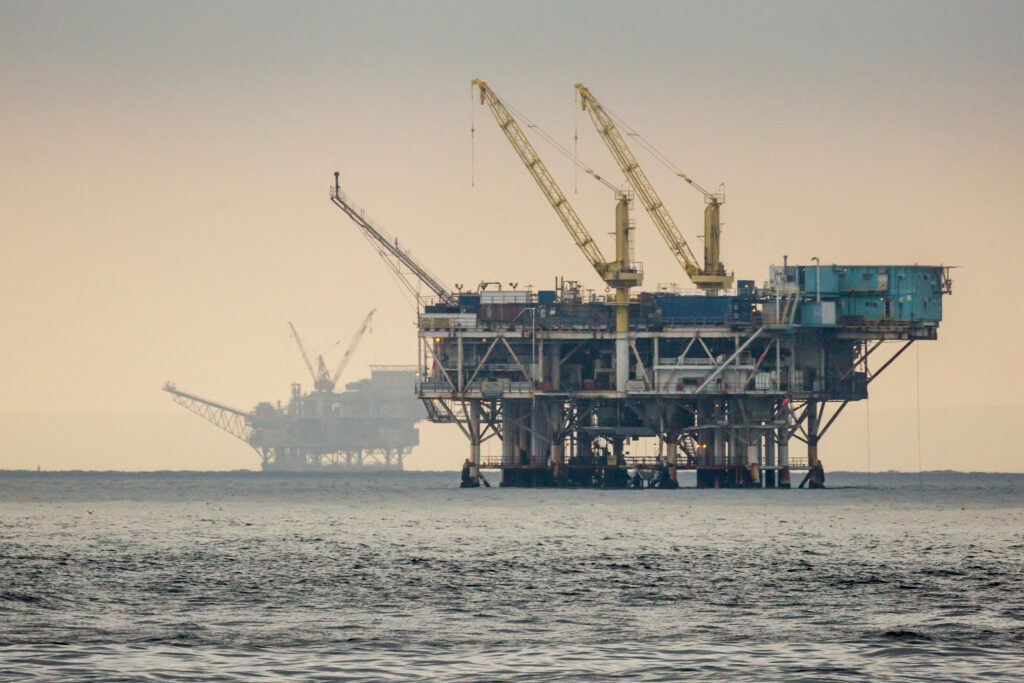
Simultaneous with the restrictions on offshore wind, the administration has unveiled a proposal to open 1.27 billion acres of the U.S. Outer Continental Shelf (OCS) to oil and gas exploration. This proposal encompasses nearly all federal waters, including sensitive regions along the Atlantic and Pacific coasts, the Gulf of Mexico, and the Arctic.
This move represents a total departure from the previous five-year leasing program, which had restricted new drilling primarily to the Western and Central Gulf of Mexico. The new plan seeks to maximize fossil fuel extraction, with the administration citing a need for "energy dominance" and lower fuel prices. However, the proposal has met with immediate resistance from a coalition of coastal governors, tourism boards, and environmental organizations.
Opponents highlight the environmental risks associated with drilling in the Arctic and off the coasts of Florida and California, where local economies are heavily dependent on tourism, fishing, and outdoor recreation. Beyond the immediate risk of oil spills, the long-term impact of opening such vast tracts to extraction includes a projected increase in national greenhouse gas emissions. Oceanographers also warn that increased industrial activity in these waters could disrupt marine ecosystems that regulate the global carbon cycle and influence weather patterns across the continental United States.
Federal Intervention in the Colorado Energy Market
The Department of Energy (DOE) has utilized emergency powers under Section 202(c) of the Federal Power Act to force the continued operation of the Craig Generating Station Unit 1 in northwestern Colorado. The coal-fired unit, which is nearly 50 years old, was scheduled for permanent retirement on December 31, 2025, as part of a state-approved transition toward cleaner energy sources.
The DOE order came just 24 hours before the scheduled decommissioning, despite the fact that the unit had been offline for several weeks due to significant mechanical failures. The administration justified the intervention as a measure to ensure grid reliability during the winter months. However, the operator of the plant, Tri-State Generation and Transmission Association, as well as Colorado state officials, have questioned the necessity of the order, noting that existing reserves and alternative power sources were sufficient to meet demand.
The forced operation of an uneconomic and mechanically compromised coal plant carries direct costs for ratepayers. Keeping such facilities online often requires expensive emergency repairs and the procurement of fuel at spot-market prices, costs that are typically passed on to consumers. Furthermore, the decision overrides years of utility planning and state-level regulatory oversight, setting a precedent for federal intervention in local energy markets that could complicate the transition to more cost-effective renewable energy portfolios.
Chronology of Administrative Actions
The timeline of these events illustrates a rapid and multi-pronged approach to policy shifting:

- Late December: The Department of Energy issues the emergency order for Craig Generating Station Unit 1, citing potential grid instability.
- Early January: The Department of the Interior announces the immediate suspension of five offshore wind projects, citing classified national security reviews.
- Mid-January: A draft budget proposal is leaked, suggesting the total defunding and eventual closure of NCAR and its related atmospheric programs.
- Late January: The Bureau of Ocean Energy Management (BOEM) publishes the 1.27 billion-acre offshore drilling proposal in the Federal Register, initiating a 60-day public comment period.
Economic and Environmental Analysis of the Policy Shift
The shift in policy represents a fundamental realignment of the American energy landscape. By prioritizing traditional fossil fuel extraction and extending the life of aging coal infrastructure, the administration is moving against global market trends that have seen renewable energy costs plummet over the last decade.
From a scientific perspective, the simultaneous attack on climate research (NCAR) and the expansion of carbon-intensive activities (offshore drilling and coal retention) creates a "data vacuum." Without the modeling capabilities of NCAR, the long-term impacts of the 1.27 billion-acre drilling plan will be harder to quantify, potentially shielding the administration from legal challenges based on environmental impact assessments.
The impact on the outdoor recreation economy—an industry that contributes over $1 trillion to the U.S. GDP—is also of concern to analysts. Shorter winters, reduced snowpack, and increased wildfire activity directly threaten the viability of ski resorts, guiding services, and rural communities that rely on seasonal tourism. The decommissioning of NCAR’s snowpack projection models would leave these businesses without the data necessary to adapt to changing conditions.
Stakeholder Responses and Legal Outlook
The administration’s actions have prompted a wave of responses from various sectors. Legal experts anticipate a flurry of litigation, particularly regarding the "national security" justification used to halt offshore wind. While the executive branch has broad authority over security matters, the use of this authority to void existing commercial permits is likely to be tested in federal court.
State leaders in Colorado and along the Atlantic coast have expressed concern over the infringement on state-level energy planning. "Forcing an obsolete coal plant to stay online doesn’t help our grid; it just raises prices for our citizens," one state regulator noted. Meanwhile, scientific advocacy groups like the Surfrider Foundation and Protect Our Winters (POW) are mobilizing public comment campaigns and building coalitions between coastal and inland communities to oppose the drilling expansion.
As the public comment periods for these proposals begin, the debate over the future of American energy and science is intensifying. The outcome of these policy shifts will likely determine the trajectory of the U.S. economy, its scientific leadership, and its environmental resilience for decades to come. The 2026 midterm elections are already being framed by some analysts as a referendum on this dramatic pivot in federal governance.
