

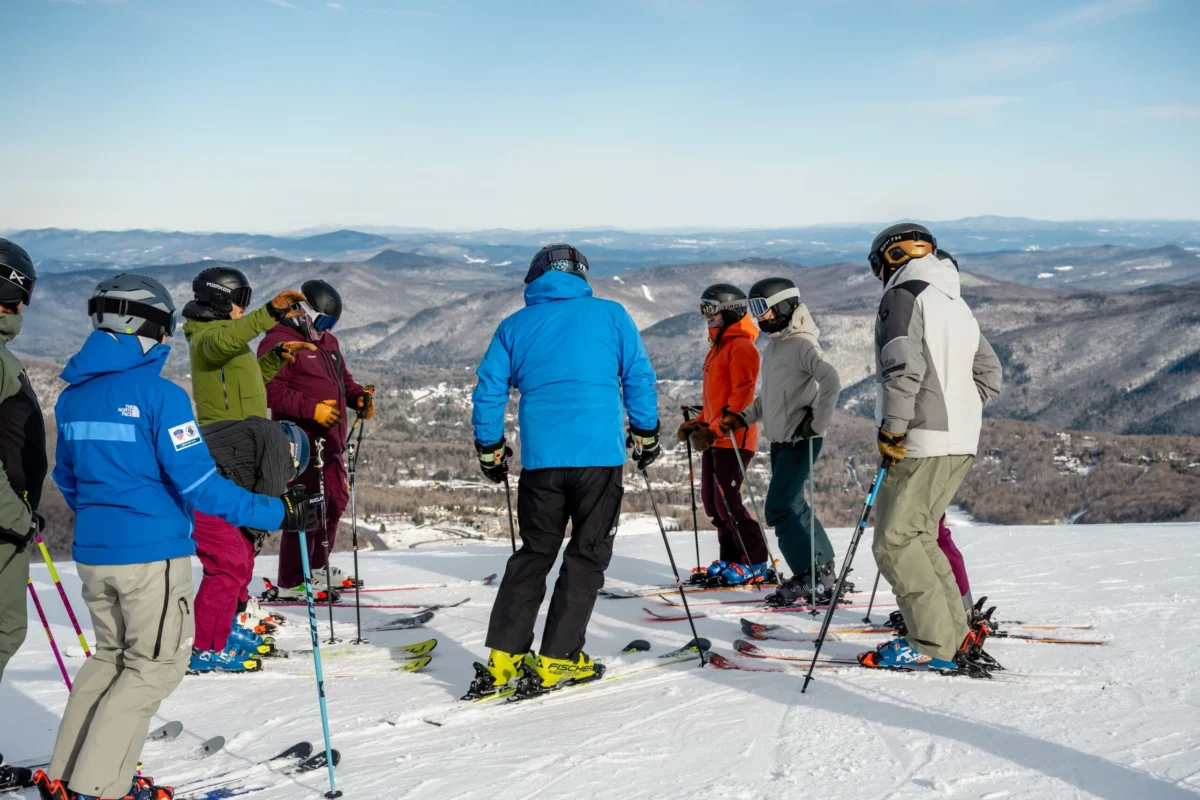
The fundamental skills underpinning exceptional snowsports instruction remain constant, yet the methodology for cultivating, assessing, and credentialing these skills has undergone a transformative evolution within the Professional Ski Instructors of America and American Association of Snowboard Instructors (PSIA-AASI). Over the past several years, PSIA-AASI has embarked on a comprehensive journey of national strategic alignment, meticulously weaving together education, professional development, and credentialing to forge a more consistent and impactful experience for its vast network of members across the United States. This initiative underscores a singular, unwavering principle: certification must authentically recognize and validate the comprehensive skills that distinguish truly great instructors in their daily practice.
Background: PSIA-AASI and the Imperative for Alignment
PSIA-AASI stands as the preeminent organization dedicated to snowsports instruction in the United States, representing over 32,000 professional ski and snowboard instructors. Its mission extends beyond mere certification; it aims to foster a culture of continuous learning, enhance the guest experience, and elevate the professionalism of the snowsports industry. Historically, while regional divisions maintained high standards, variations in educational delivery, assessment tools, and resource availability could sometimes lead to inconsistencies. This presented challenges for instructors moving between regions, for snowsports schools seeking uniform quality, and potentially for guests expecting a standardized level of instruction.
Recognizing these complexities, the strategic alignment initiative was conceived not as a superficial overhaul, but as a deep structural integration. The goal was to unify the organization’s approach while preserving the flexibility needed to address diverse regional conditions and evolving snowsports trends. This monumental undertaking involved extensive collaboration among division leaders, educational staff, and experienced examiners, all committed to articulating a shared vision for instructor excellence. The result is a system characterized by common standards, unified assessment tools, nationally aligned educational resources, and shared professional development opportunities, collectively designed to ensure a more cohesive and universally understood pathway for instructor growth and credentialing.
The Foundation of Great Instruction: The Learning Connection
Central to PSIA-AASI’s philosophy is The Learning Connection, a framework that precisely defines the core competencies of outstanding snowsports instruction through three interconnected and equally vital areas: People Skills, Teaching Skills, and Technical Skills. These are not isolated categories but rather synergistic professional competencies that collectively create profound and meaningful learning experiences for guests and colleagues alike. They serve as the bedrock for all education, professional development, and credentialing activities throughout the PSIA-AASI system, providing a clear roadmap for what exemplary instruction entails.
People Skills: Cultivating Trust and Connection
The essence of effective instruction often begins long before a single turn is demonstrated or a concept explained. People Skills form the cornerstone, focusing on the instructor’s ability to build genuine relationships based on trust, empathy, and mutual respect. This encompasses engaging in meaningful two-way communication, active listening to understand individual learner needs and motivations, and adeptly managing one’s own emotions and actions while recognizing and responding to the emotional states of others.
In a practical snowsports setting, People Skills manifest in an instructor’s capacity to put a nervous beginner at ease, to motivate a frustrated intermediate, or to challenge an advanced rider in a supportive manner. It involves creating a safe psychological space where learners feel comfortable experimenting, taking risks, asking questions, and embracing challenges without fear of judgment. Industry research consistently highlights that guest satisfaction and repeat business are profoundly influenced by the interpersonal connection forged with an instructor. When learners trust their instructor, they become more open to feedback, more engaged in the learning process, and ultimately, more receptive to skill acquisition. This trust is the fertile ground upon which all subsequent learning thrives.
Teaching Skills: Facilitating Growth and Discovery
Once trust is established, Teaching Skills come to the forefront, enabling instructors to craft an environment where genuine growth and discovery can occur. Great instructors are not merely deliverers of information; they are collaborators who partner with learners to establish meaningful, personalized goals. They exhibit remarkable adaptability, modifying their approach and content to meet changing needs and conditions, whether it’s adjusting for varying snow conditions, student energy levels, or unexpected learning plateaus.
Effective Teaching Skills also involve the judicious management of information and experiences, ensuring that lessons are structured logically, progressions are appropriate, and feedback is constructive and timely. Crucially, these instructors encourage exploration and self-discovery, empowering learners to find their own solutions with guidance, rather than simply replicating prescribed movements. Facilitating reflection – prompting students to consider what they’ve learned, how they felt, and what they might try next – solidifies understanding and fosters independent learning. This collaborative approach recognizes that learning is not a passive reception but an active co-creation between instructor and student.
Technical Skills: Precision, Understanding, and Application
Completing The Learning Connection triad are Technical Skills, which provide instructors with the deep understanding and performance proficiency necessary to accurately assess needs, communicate complex concepts clearly, and guide development with precision. This domain encompasses a comprehensive grasp of snowsports mechanics, movement analysis, equipment knowledge, and the ability to demonstrate correct technique effectively across various terrains and conditions.
Technical expertise empowers instructors to confidently diagnose movement patterns, articulate the "why" behind specific techniques, and offer targeted, actionable advice. It’s the ability to translate complex biomechanical principles into simple, understandable cues for a beginner, or to provide nuanced adjustments for an expert. This mastery ensures that the guidance provided is not only accurate but also tailored to the individual’s physical capabilities and learning style. With strong Technical Skills, instructors possess the essential tools to support learning with confidence, accuracy, and a clear sense of purpose, ensuring safety and optimizing the learning trajectory.
The Shift in Assessment Philosophy: From Performance to Authentic Demonstration
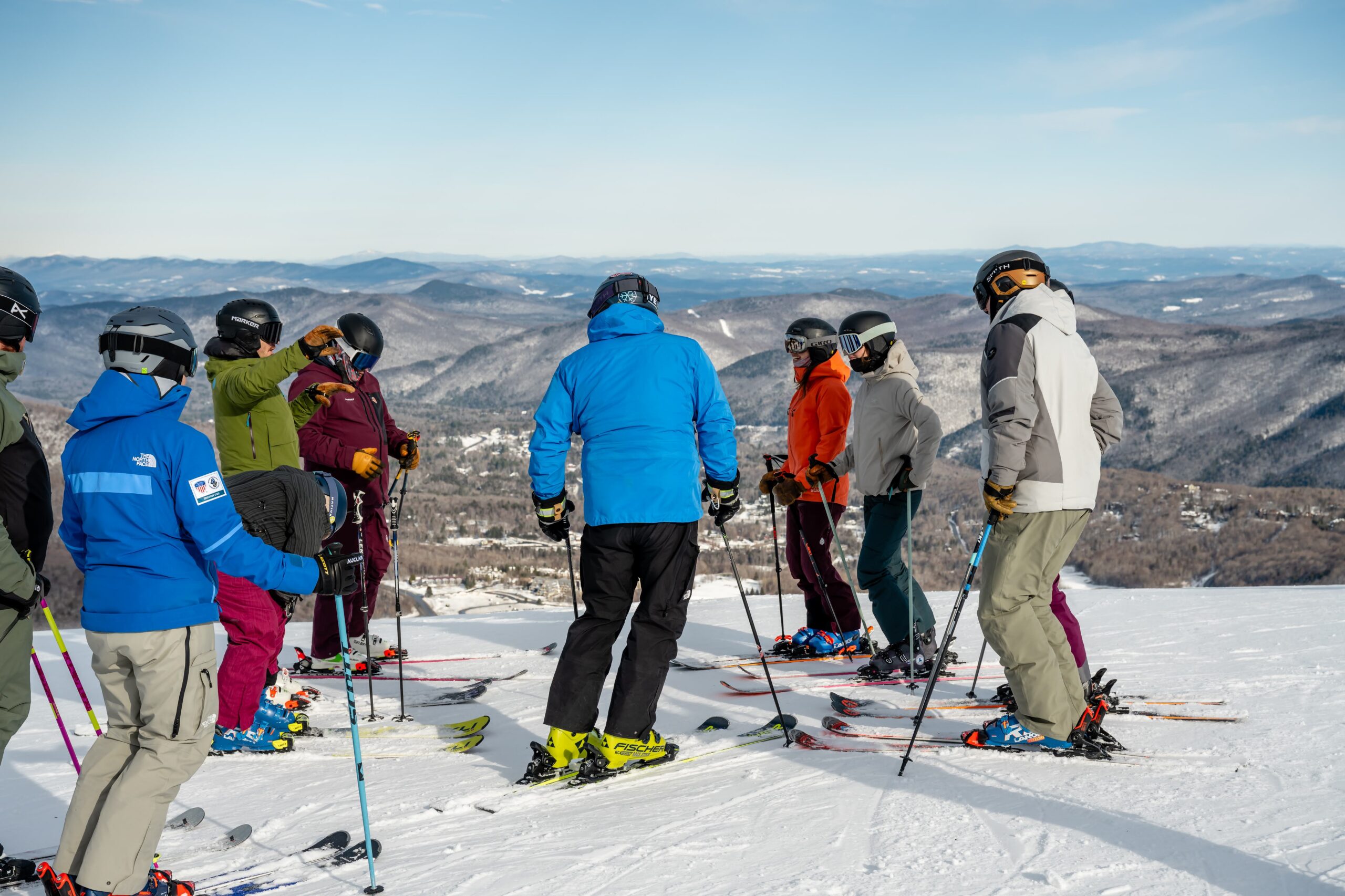
A pivotal aspect of PSIA-AASI’s strategic alignment is the reimagining of the assessment process. The philosophy has evolved away from viewing an assessment as a performance staged for an examiner, and towards seeing it as an authentic opportunity to demonstrate teaching, coaching, and technical application in a real-world environment. The objective is not to gauge a candidate’s ability to perform a rehearsed progression or memorize a specific approach, but rather to understand how effectively they build relationships, facilitate learning, and apply technical understanding to meet the diverse needs of their students.
This shift fundamentally alters the instructor’s preparation mindset. Instead of "cramming" for a test, the most effective preparation becomes the daily work itself: creating exceptional learning experiences, building rapport with guests, solving on-the-spot challenges, and continually refining professional skills through consistent practice. Examiners, under this revised paradigm, act less as judges and more as observers and facilitators, creating scenarios that allow candidates to showcase their natural abilities and problem-solving skills in dynamic teaching situations. This approach ensures that credentials genuinely reflect an instructor’s real-world competence and their consistent ability to meet the standards associated with a particular level of professional practice.
The Instructor Pathway: A Journey of Lifelong Growth
The PSIA-AASI strategic alignment emphasizes a continuous pathway for professional growth, where credentialing is a significant milestone within a broader journey, not the ultimate destination. This journey typically begins with learning, often sparked by a clinic, an e-learning course, a training session, mentorship, or a novel teaching experience. This initial learning ignites curiosity, prompting instructors to ask deeper questions, seek greater understanding, and explore new possibilities in their craft.
As understanding deepens, curiosity often blossoms into passion, which then fuels development. Instructors actively seek opportunities to refine their skiing or riding, enhance their teaching methodologies, sharpen their movement analysis skills, improve communication, and cultivate leadership qualities. This deliberate pursuit of growth involves seeking constructive feedback, engaging in self-reflection on experiences, and consistently challenging oneself to expand knowledge and effectiveness.
Over time, this personal development evolves into professional development – a deliberate, career-long commitment to becoming more capable, adaptable, and effective in creating impactful experiences for guests. It transcends the mere accumulation of continuing education credits or preparation for an assessment. Instead, it embodies the recognition that true expertise is not a fixed state but an ongoing process of refinement and learning. Within this context, a certification assessment serves as a valuable validation point, capturing a moment in time to confirm the knowledge, skills, and behaviors developed through extensive experience, education, and professional growth. The credential acknowledges consistent demonstration of professional practice, yet the true goal remains the continuous journey of becoming the kind of instructor who naturally earns it.
The Ripple Effect: Impact on Instructors, Schools, and the Industry
The strategic alignment and its emphasis on The Learning Connection framework generate significant positive implications across the entire snowsports ecosystem.
For Instructors: The clarified pathway provides a more transparent and understandable career progression, fostering a stronger sense of professional identity. The consistent national standards mean that skills developed and credentials earned are recognized and valued across all regions, enhancing mobility and marketability. The focus on holistic development ensures instructors are well-rounded professionals, not just technically proficient skiers or riders, which enriches their personal and professional lives. Industry data suggests that clear career paths and opportunities for professional growth are key drivers for instructor retention, a critical factor for many snowsports schools facing staffing challenges.
For Snowsports Schools: The national alignment offers a reliable benchmark for instructor quality, simplifying recruitment and training. Schools can have greater confidence that a PSIA-AASI certified instructor from any region will possess a consistent set of high-level skills, reducing the need for extensive internal re-training on fundamental principles. This consistency contributes directly to higher guest satisfaction rates, as visitors receive a more uniform and high-quality instructional experience regardless of where they learn. Enhanced instructor quality also supports increased return visits and positive word-of-mouth, which are vital for business growth in the competitive leisure industry. Snowsports school directors often cite the value of certified staff in enhancing their school’s reputation and operational efficiency.
For the Snowsports Industry: By elevating the professionalism and consistency of snowsports instruction, PSIA-AASI’s initiative contributes significantly to the overall growth and sustainability of the sport. High-quality instruction makes snowsports more accessible and enjoyable for newcomers, encouraging greater participation and retention. It also enhances safety standards across resorts by ensuring instructors are equipped with the best teaching and technical practices. This unified approach projects a stronger, more professional image for snowsports instruction, attracting new talent to the profession and reinforcing the value of investing in quality learning experiences. Ultimately, a robust and respected instructional corps is a key driver for the long-term health and vitality of the entire snowsports industry, fostering a love for the mountains and a lifelong engagement with the sport.
The Reason Behind Strategic Alignment: A Shared Vision of Impact
The strategic alignment was never about bureaucratic standardization or homogenizing every aspect of instruction. Its profound purpose was to cultivate a shared understanding of what truly great instruction embodies. The established standards articulate this vision, education nurtures its development, professional development strengthens and refines it, and assessments validate its consistent application.
The progression is elegant in its simplicity and powerful in its effect: Learning ignites curiosity, which evolves into passion. This passion, in turn, drives purposeful growth, leading to robust professional development. This development prepares instructors to earn credentials that formally recognize their profound ability to build trust, inspire learning, and create a lasting, positive impact on individuals’ lives.
These interconnected elements collectively forge a credentialing system that authentically mirrors the real-world demands and rewards of professional snowsports instruction. This system significantly enhances the intrinsic value of PSIA-AASI credentials for its dedicated members, for the snowsports schools that employ them, and most importantly, for the countless guests whose lives are enriched by the joy and mastery of snowsports. Ultimately, certification transcends the act of merely passing an assessment; it represents the profound journey of developing the knowledge, skills, and behaviors that empower individuals to learn, grow, and return to the mountain for more, time and again.
