

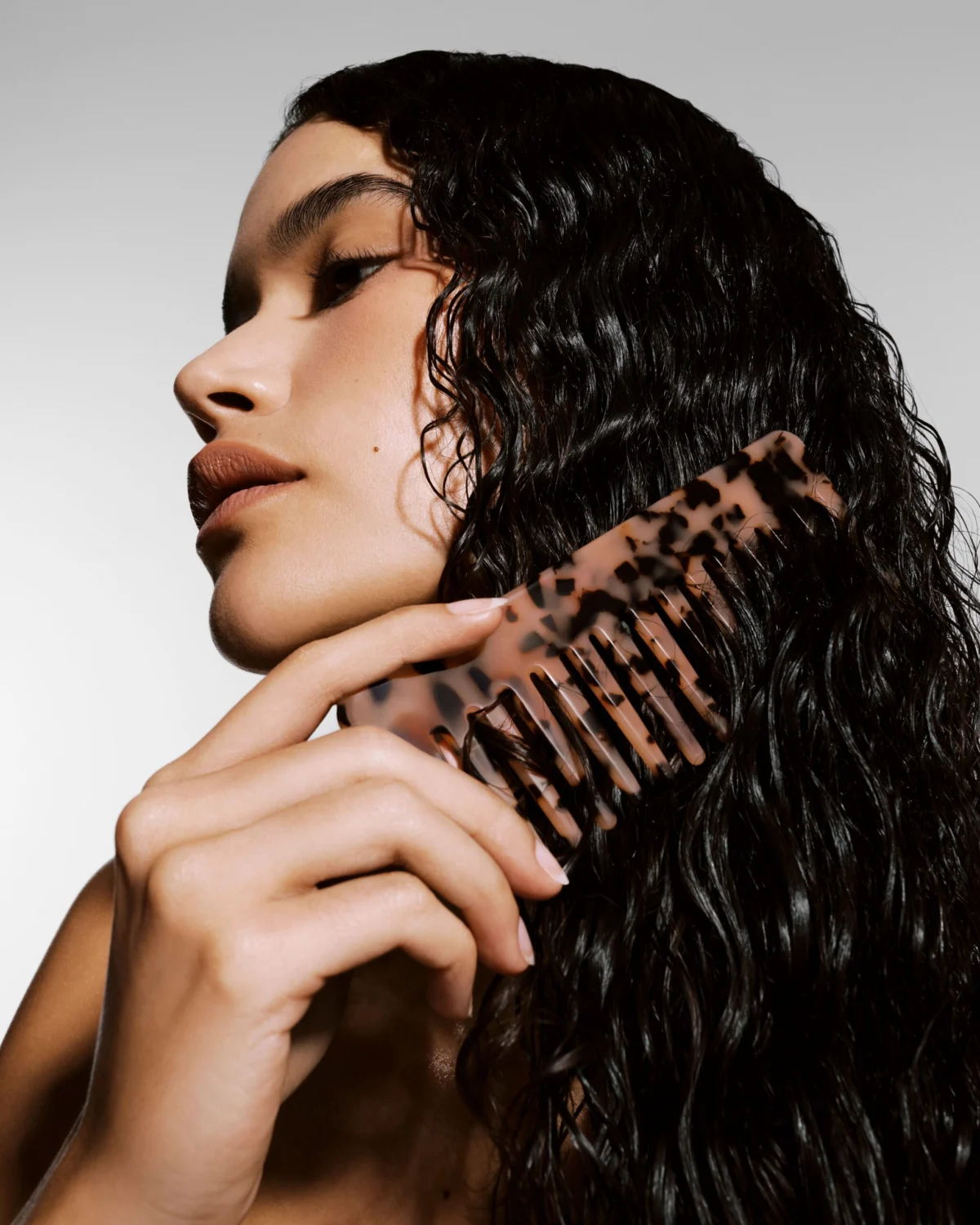
For generations, the familiar mantra of "lather, rinse, and repeat" has governed our hair-washing routines. However, a growing movement is challenging this conventional wisdom, introducing a simple yet profound shift in the order of operations: reverse hair washing. This method, which involves applying conditioner before shampoo, is emerging as more than just a fleeting trend; it promises to unlock unprecedented levels of hair hydration, smoothness, and volume.
The science behind this seemingly counterintuitive approach is grounded in how hair care products interact with the hair cuticle. Board-certified dermatologist Sandra Oska, MD, explains the primary benefits: "Reverse hair washing is about maintaining hair’s hydration and smoothness while preserving root volume. It allows you to reap the detangling and conditioning benefits without the potential for product buildup that can weigh hair down."
Understanding the Mechanics: How Reverse Washing Works
Dr. Oska elaborates on the underlying principle, describing how conditioners create a temporary lipid barrier. This barrier effectively "patches up porous areas of the cuticle, helping to shield the vulnerable hair shaft from the stripping action of surfactants in shampoos." Subsequently, when shampoo is applied, it can then effectively cleanse away any residual conditioner or impurities without harshness. This ensures that the hair is cleansed thoroughly without sacrificing the softness and manageability imparted by the conditioner.
Cosmetic dermatologist Dmitriy Schwarzburg, MD, concurs, noting that reverse hair washing is particularly advantageous for individuals with fine hair or strands prone to becoming weighed down. "It provides sufficient conditioning without compromising the hair’s body," he states. Conversely, he advises that those with very coarse, thick, or highly textured hair, which often requires more sustained moisture, might not experience the same pronounced benefits and may prefer the traditional shampoo-first approach.
The efficacy of reverse hair washing has also drawn comparisons to pre-shampoo treatments, such as hair oiling. Celebrity hairstylist Kee Taylor clarifies the distinction: "While conditioner is designed to soften the cuticle, improve manageability, and reduce friction during handling, hair oils are typically used as a protective treatment before cleansing to minimize moisture loss." This highlights that while both methods aim to improve hair health, they do so through different mechanisms and at different stages of the washing process.
Tailoring Your Routine: Is Reverse Washing Right for You?
Crucially, reverse hair washing is not a one-size-fits-all solution. "Knowing your hair really matters," emphasizes Taylor. "Healthy hair isn’t about following every trend; it’s about understanding what your hair actually needs." Factors such as porosity, density, and texture play a significant role in determining whether this method will be beneficial.
Taylor suggests that individuals with thin, easily weighed-down hair, as well as those with wavy or looser curl patterns, are likely to see positive results. The initial conditioning step can significantly minimize tangles and create a smoother surface for shampooing. However, the ultimate decision should be guided by an understanding of one’s unique hair type.
The Reverse Hair Washing Method: A Step-by-Step Guide
For those whose hair types align with the benefits of reverse washing, the process is remarkably straightforward:
Step One: Begin with Conditioner
The initial step involves applying conditioner to damp hair. Taylor recommends focusing the application from the mid-lengths to the ends of the hair, avoiding the scalp to prevent any potential for greasiness or volume reduction at the roots. "You don’t need to let it sit for 20 minutes—just two to five minutes is plenty of time for most hair types," she advises. This brief period allows the conditioner to work its magic, detangling and softening the hair shaft.
Expert-Recommended Conditioners for the First Step:
- For Curly Textures: Taylor specifically recommends Ouidad’s Climate Control Conditioner for its ability to manage frizz and enhance curl definition.
- Clean Beauty Favorite: RÅz Hair’s Foundation Conditioner is a lauded option for its clean ingredients and nourishing properties.
- Shine and Luster: Celebrity hairstylist Cervando Maldonado has endorsed Oribe’s Gold Lust Conditioner for its exceptional ability to impart shine and luster, making it a luxurious choice for the initial conditioning phase.
Step Two: Shampoo for a Deep Cleanse
Following the conditioner application, it’s time to shampoo. Taylor’s guidance here is to concentrate the shampoo on the scalp and roots. "As you rinse, the shampoo naturally cleanses the rest of your hair, so there’s no need to scrub the ends aggressively," she explains. The key is to use a shampoo that effectively cleanses without stripping the hair’s natural moisture, thus preserving the benefits of the initial conditioning.
Recommended Shampoos for the Cleansing Step:
- Hydration and Slip: Cécred’s Hydrating Shampoo is highlighted for its hyaluronic acid-infused formula, which provides excellent slip and gently cleanses while maintaining softness and shine.
- Nourishing and Strengthening: Davines’ OI Shampoo, enriched with roucou oil, is a popular choice for its nourishing qualities.
- Strength and Resilience: Pureology’s Strength Cure Shampoo is frequently recommended for its ability to fortify and protect hair.
- For Fine Hair: R+Co Bleu’s Essential Shampoo is a well-regarded option for those with finer hair textures, offering effective cleansing without compromising volume.
Step Three: Optional Deep Conditioning for Enhanced Repair
While not an essential part of the reverse washing technique, an optional deep conditioning step can further benefit hair, particularly if it is prone to brittleness or damage. This step can be integrated after shampooing, providing an additional boost of hydration and repair.
Standout Deep Conditioning Treatments:
- Protein-Rich Repair: Unove’s Deep Damage Treatment Ex is a potent formula designed to restore and strengthen damaged hair.
- Argan Oil Infusion: Mise En Scène’s Argan Capsule Repair Hair Mask is celebrated for its ability to deliver intense moisture and repair through the power of argan oil.
- Intense Hydration: Vegamour’s HYDR-8 Deep Moisture Repair Mask utilizes keratin peptides to provide deep, lasting hydration.
- Honey and Ceramide Blend: Gisou’s Honey Gloss Ceramide Therapy Hair Mask offers a luxurious blend of honey and ceramides for enhanced shine and hair health.
Step Four: Gentle Post-Wash Care
The journey to healthier hair extends beyond the shower. Treating wet hair with care is paramount to preventing breakage and preserving moisture.
Essential Gentle Hair Tools:
- Microfiber Towels: Swapping traditional terry cloth towels for microfiber hair towels, like the DevaCurl Microfiber Anti-Frizz Towel, is a crucial step. These towels are gentler on wet hair, reducing friction, breakage, and promoting moisture retention.
- Silk Accessories: Opting for silk scrunchies (such as Slip’s Slipsilk Large Scrunchies), pillowcases, and bonnets minimizes friction during sleep, thereby protecting against breakage and preserving hair’s natural texture.
- Detangling Brushes: A quality detangling brush, like the Tangle Teezer Ultimate Detangler Curly Hair Brush, is essential for gently working through knots without causing undue stress or damage to the hair strands.
The Evolving Landscape of Haircare
The emergence and popularization of reverse hair washing can be seen as part of a broader shift in consumer engagement with haircare. Previously, routines were largely dictated by tradition and marketing. Today, there is a greater emphasis on understanding individual hair needs, ingredient efficacy, and the science behind product performance. This trend reflects a more informed and personalized approach to beauty, where consumers are actively seeking methods that deliver tangible, visible results.
The insights provided by dermatologists and hairstylists underscore the scientific validity of reverse washing, moving it beyond a mere fad. By strategically altering the order of product application, individuals can effectively manage common hair concerns like dryness, lack of volume, and product buildup. As more people experiment with this technique, the conversation around conventional haircare is likely to continue evolving, paving the way for innovative and effective routines tailored to the diverse needs of modern hair. The pursuit of lustrous, healthy hair is no longer confined to a single, rigid formula, but rather a dynamic exploration of personalized care.
