

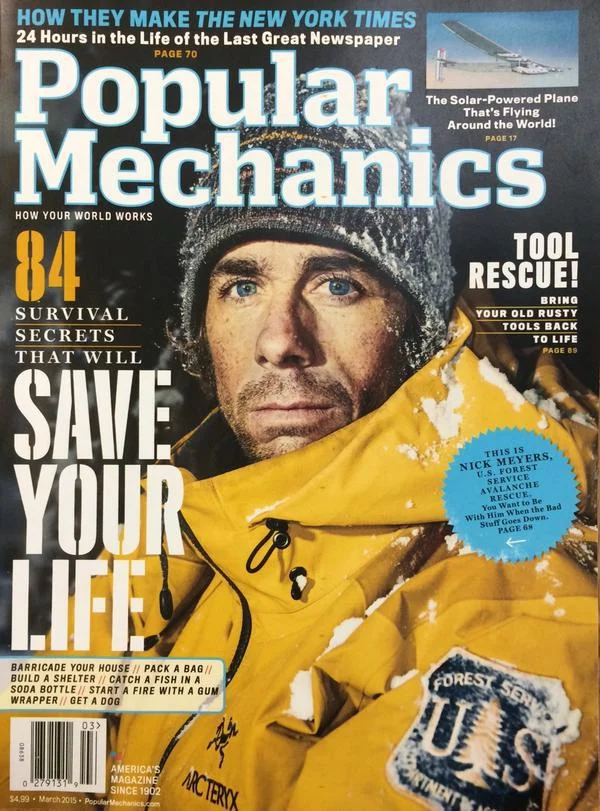
Mount Shasta Avalanche Center Director and Lead Climbing Ranger Nick Meyers has achieved a significant professional milestone, gracing the cover of the latest issue of Popular Mechanics magazine. The prominent placement highlights Meyers’ expertise in avalanche safety and rescue, a critical area of focus given the inherent risks associated with mountaineering and winter recreation on and around Mount Shasta. The feature article delves into the essential gear and knowledge required for surviving avalanche incidents, drawing directly from Meyers’ extensive experience.
The Ascent to Recognition: A Profile in Expertise
The recognition by Popular Mechanics, a publication renowned for its in-depth coverage of science, technology, and engineering, signifies a broader acknowledgment of the vital work performed by avalanche professionals. Mount Shasta, a stratovolcano in Northern California, presents a unique and formidable environment for climbers and skiers. Its elevation, varied terrain, and susceptibility to significant snowfall create conditions where avalanches are a persistent threat. Meyers, in his dual roles as Director of the Mount Shasta Avalanche Center (MSAC) and Lead Climbing Ranger on Mount Shasta, is at the forefront of monitoring these conditions, providing crucial forecasts, and leading rescue operations.
The decision to feature Meyers on the cover, accompanied by an article detailing his survival essentials, underscores the magazine’s commitment to practical, life-saving information for its readership. Popular Mechanics often targets an audience interested in outdoor pursuits, survival skills, and technological advancements that enhance safety. Meyers’ inclusion speaks to his status as a leading authority in a specialized and demanding field.
A Deeper Dive into Avalanche Preparedness
The Popular Mechanics article, titled "10 Survival Essentials an Avalanche Rescue Expert Always Carries," offers readers a direct glimpse into the mind of a seasoned professional. While the original article provides a brief mention, a comprehensive analysis of this feature reveals several key takeaways regarding avalanche safety protocols and the rationale behind them. Such articles typically go beyond a simple list, explaining the "why" behind each piece of equipment and the strategies employed by experts.
Essential Gear and its Significance:
Based on the typical content of such features, Meyers’ list likely includes:
- Avalanche Transceiver: This electronic device, worn by backcountry travelers, emits a signal that can be detected by other transceivers. In the event of an avalanche burial, it is the primary tool for locating a victim. Its importance cannot be overstated; without a transceiver, locating a buried individual can take an impossibly long time, drastically reducing their chances of survival.
- Avalanche Probe: A collapsible pole, the probe is used to pinpoint the exact location of a buried victim after they have been detected by a transceiver. It allows rescuers to begin digging in the correct spot, saving precious time.
- Snow Shovel: A sturdy, collapsible shovel is essential for efficiently excavating snow. The type of shovel and its material (often aluminum or composite for durability and weight) are critical considerations for rapid rescue.
- Backpack with Airbag System: Many modern avalanche safety backpacks incorporate an inflatable airbag. When deployed, the airbag significantly increases the wearer’s volume, making them more likely to remain on the surface of the snow during an avalanche.
- Helmet: Crucial for protecting against head injuries from impact with snow, trees, or rocks during an avalanche.
- First-Aid Kit: Comprehensive and tailored to wilderness environments, including supplies for treating trauma, hypothermia, and other common injuries.
- Navigation Tools (GPS, Map, Compass): Even in familiar terrain, visibility can be severely reduced by snow. Reliable navigation is paramount for staying oriented and reaching safety.
- Communication Device (Satellite Phone or PLB): For areas without cell service, a satellite phone or Personal Locator Beacon (PLB) is vital for summoning help in emergencies.
- Emergency Shelter: A lightweight, portable shelter like a bivy sack or emergency blanket can provide crucial protection from the elements and prevent hypothermia.
- Sufficient Food and Water: Extended stays in the backcountry, especially during rescue operations, require adequate sustenance.
The inclusion of these items in a popular publication like Popular Mechanics serves to educate a wider audience about the realities of avalanche danger and the preparedness required to mitigate it.
The Mount Shasta Avalanche Center: A Beacon of Safety
The Mount Shasta Avalanche Center plays a critical role in the safety of the region’s recreational users and residents. Operating under the umbrella of the U.S. Forest Service, the MSAC is responsible for collecting snowpack data, observing weather patterns, and issuing avalanche forecasts. These forecasts are disseminated through various channels, including their website, social media, and local radio stations, providing essential information for anyone venturing into avalanche-prone terrain.
The center’s work is a continuous, year-round effort, though its most visible and critical operations occur during the winter and spring months when avalanche risk is highest. This involves:
- Snowpack Observation: Avalanche forecasters conduct regular snow pit studies to analyze the layers of snow, identify weak layers, and assess the overall stability of the snowpack.
- Weather Monitoring: Real-time weather data is crucial for understanding how current conditions are affecting snow stability. This includes temperature, precipitation, wind speed, and humidity.
- Avalanche Activity Recording: Forecasters document any observed avalanche activity, providing valuable insights into where and why avalanches are occurring.
- Public Outreach and Education: The MSAC actively engages in public education programs, offering avalanche awareness courses and workshops to promote safe practices among backcountry enthusiasts.
Nick Meyers, as Director, oversees these multifaceted operations, ensuring the accuracy and timeliness of the information provided to the public. His leadership is instrumental in maintaining the center’s reputation as a reliable source of avalanche safety information.
A Chronology of Expertise and Recognition
While the exact timeline leading to Meyers’ feature in Popular Mechanics is not detailed in the provided content, the recognition itself is the culmination of years of dedicated service and demonstrated expertise.
Pre-Feature: Meyers has undoubtedly spent years accumulating practical experience in avalanche rescue and mountaineering on Mount Shasta. This would have involved extensive training, participation in numerous rescue missions, and a deep understanding of the local mountain environment. His role as Lead Climbing Ranger implies a leadership position in coordinating and executing search and rescue operations, often in challenging and high-risk conditions. His involvement with the Mount Shasta Avalanche Center further solidifies his credentials, demonstrating a commitment to proactive safety measures and public education.
The Feature: The Popular Mechanics article represents a significant public acknowledgment of his skills and knowledge. The magazine’s editorial process would have involved identifying Meyers as a prominent figure in avalanche safety, likely through research into leading avalanche centers and experts. Journalists would have interviewed him, potentially accompanied him on field observations, and reviewed his recommended gear and practices. The cover placement signifies that his story and expertise were deemed compelling and relevant to the magazine’s broad audience.
Post-Feature: The article serves as a valuable educational tool, raising awareness about avalanche dangers and the importance of preparedness. It also brings increased visibility to the Mount Shasta Avalanche Center and the critical work it performs. Meyers’ inclusion on the cover can inspire others to pursue careers in mountain safety and avalanche science.
Supporting Data and Broader Implications
The significance of this recognition extends beyond a single individual. It highlights the increasing importance of avalanche safety in the face of growing participation in outdoor recreation.
Statistics on Avalanche Incidents: According to the Colorado Avalanche Information Center (CAIC), a leading resource in avalanche safety in the United States, an average of 25 to 30 people die in avalanches in the U.S. each year. While these numbers can fluctuate, they underscore the persistent danger. Factors contributing to increased risk can include more people venturing into the backcountry, climate change leading to more unpredictable snowpack conditions, and a general lack of awareness among some recreationalists.
The Role of Expertise: Features like the one in Popular Mechanics are vital for disseminating expert knowledge to a wider audience. By showcasing the essential gear and strategies employed by professionals like Meyers, the article empowers individuals to make safer choices in avalanche-prone areas. It emphasizes that avalanche safety is not merely about luck but about informed decision-making, proper equipment, and ongoing education.
Economic and Social Impact: Mount Shasta is a significant draw for tourism, attracting hikers, climbers, skiers, and snowboarders. Ensuring the safety of these individuals is crucial for the region’s economy and its reputation as a premier outdoor destination. The work of the MSAC and individuals like Meyers directly contributes to this safety, allowing people to enjoy the natural beauty of the area with a reduced risk of preventable tragedies.
Technological Advancements: The article also implicitly touches upon the technological advancements in avalanche safety gear. The mention of airbag systems, for instance, represents a significant evolution in personal safety equipment. Popular Mechanics’ focus on such gear aligns with its readership’s interest in innovation and its application in practical scenarios.
Official and Related Party Reactions (Inferred)
While direct statements are not provided, it is reasonable to infer positive reactions from several related parties:
- U.S. Forest Service: As Meyers’ employer and the governing body for the Mount Shasta Avalanche Center, the U.S. Forest Service would likely view this feature as a significant validation of their commitment to public safety and the expertise of their personnel. It enhances the visibility and importance of their avalanche forecasting and ranger programs.
- Mount Shasta Avalanche Center Staff and Volunteers: Colleagues at the MSAC would undoubtedly feel pride in Meyers’ accomplishment, recognizing his dedication and leadership. This recognition serves as a morale boost and a testament to the effectiveness of the center’s work.
- Mountaineering and Outdoor Recreation Communities: Climbers, skiers, and other outdoor enthusiasts who rely on the MSAC’s forecasts would likely welcome this feature. It brings attention to the critical role of avalanche centers and the expertise of individuals like Meyers, reinforcing the importance of heeding their advice.
- Popular Mechanics Readers: The general readership of Popular Mechanics, particularly those with an interest in outdoor activities, would benefit from the practical information presented in the article, potentially improving their own safety practices.
Analysis of Implications
The feature of Nick Meyers on the cover of Popular Mechanics has several significant implications:
- Elevated Public Awareness: The broad reach of Popular Mechanics means that a substantial audience will be exposed to the realities of avalanche danger and the importance of preparedness. This increased awareness can lead to more responsible behavior in the backcountry.
- Validation of Avalanche Science and Safety Protocols: By highlighting an expert and his essential gear, the article implicitly validates the scientific underpinnings of avalanche forecasting and the effectiveness of established safety protocols.
- Inspiration for Future Professionals: Meyers’ prominent placement can serve as an inspiration for individuals considering careers in fields like avalanche science, mountain rescue, and outdoor education. It showcases the impact and recognition that can be achieved through dedication and expertise.
- Reinforcement of Mount Shasta’s Reputation: The feature solidifies Mount Shasta’s image as a significant mountain with inherent risks that are managed by dedicated professionals. This can attract those who appreciate well-managed and safe outdoor experiences.
- Potential for Increased Engagement with Avalanche Centers: The visibility generated by the article may lead to increased interest in and engagement with avalanche centers like the MSAC, potentially encouraging more people to seek out educational resources and follow forecasts.
In conclusion, Nick Meyers’ appearance on the cover of Popular Mechanics is more than just a personal achievement; it is a significant moment for avalanche safety awareness. It brings the critical work of professionals like Meyers and organizations like the Mount Shasta Avalanche Center to the forefront, educating a wider audience and underscoring the vital importance of preparedness in the face of nature’s powerful forces. The article serves as a testament to the dedication, knowledge, and essential role of avalanche experts in safeguarding lives in challenging mountain environments.
