

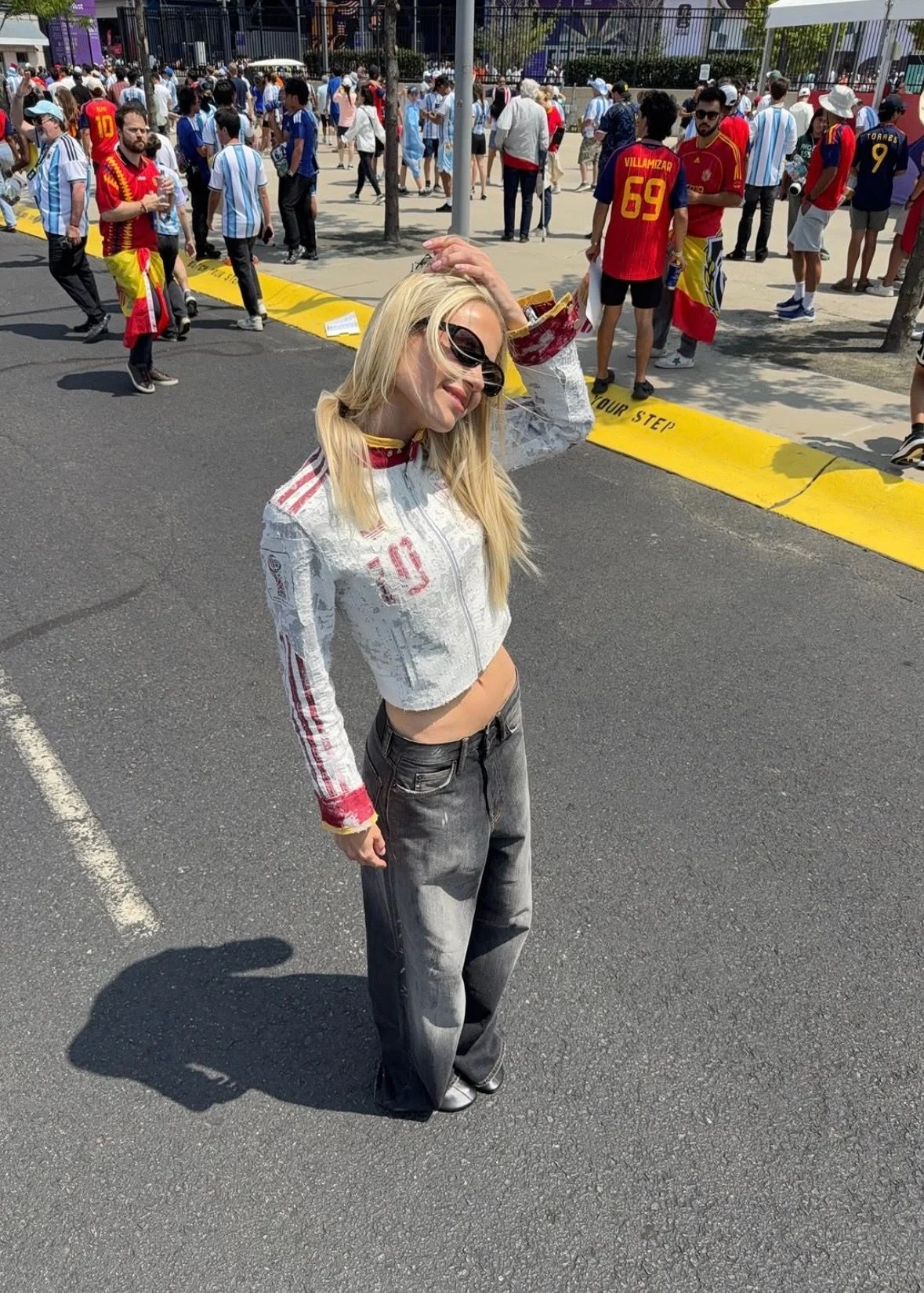
The sartorial landscape of summer sports events has undergone a seismic shift, propelled by a confluence of celebrity influence, evolving fan culture, and a burgeoning appreciation for personalized fashion. What began with a single, carefully chosen outfit by global superstar Taylor Swift has blossomed into a full-fledged trend, transforming game days from mere sporting spectacles into curated fashion moments. Swift’s appearance at the NBA finals, sporting a handcrafted "Stevie Knicks" T-shirt, served as an unexpected catalyst, sparking a widespread fascination with customized, hopespun apparel that resonated throughout the summer and shows no signs of abating.
The Genesis of a Trend: From Courtside to the World Stage
The initial spark ignited by Taylor Swift’s unique fan attire quickly found fertile ground. Her embrace of personalized, team-spirited clothing resonated with a public increasingly eager to express individuality within established fandoms. This sentiment was amplified during the FIFA World Cup, a month-long global spectacle that provided a significant platform for the wives and girlfriends (WAGs) of participating players to showcase their own interpretations of game day style. These influential figures embraced a diverse range of bespoke creations, from intricately embroidered denim to playful, team-themed bustiers, demonstrating that support for their partners could be both spirited and fashion-forward.
The trend, however, transcended the exclusive circles of players’ partners and courtside VIPs. Across New York City and beyond, during both the NBA Finals and the World Cup, a broader spectrum of fans began to appear in handcrafted shirts. These pieces, often meticulously embroidered or hand-painted by local artists, represented a conscious departure from mass-produced merchandise. This grassroots adoption signaled a deeper desire for unique expressions of team loyalty, moving beyond generic logos to embrace artisanal craftsmanship and individual artistic interpretations. The engagement with local artists, in particular, highlighted a growing appreciation for supporting small businesses and the creative community while simultaneously celebrating athletic endeavors.

A Summer of Intertwined Fandom and Fashion
The synergy between major sporting events and the fashion world reached new heights throughout the summer. The World Cup and the NBA Finals, both held during peak summer months and with significant New York City presence, became unintended runways for this emerging trend. This period saw the deliberate fusion of athletic support and high fashion, pushing the boundaries of what constitutes appropriate game day attire.
Beyond the immediate spotlight of these events, the influence of sport-inspired fashion has infiltrated everyday style more broadly. Brands are increasingly recognizing the demand for sophisticated, sport-inflected pieces. Companies such as Cossa New York, Corteiz, and Algoritmo Studios are at the forefront, reinterpreting traditional sports apparel with more avant-garde cuts, intricate embellishments, and thoughtful ruching. This move towards elevated sportswear signifies a maturing market that values both athletic heritage and contemporary design sensibilities.
Furthermore, the landscape of collaborations between established fashion houses and athletic brands has exploded. High-profile partnerships like Willy Chavarria x Adidas and Jacquemus x Nike x France exemplify this trend, bringing a designer’s vision to iconic sportswear. These collaborations serve not only to generate buzz but also to legitimize the integration of athletic wear into mainstream fashion, blurring the lines between athletic performance and everyday luxury.
The "WAG" Influence: Redefining Game Day Presence
Kristin Juszczyk, spouse of NFL 49ers player Kyle Juszczyk, has emerged as a prominent figure in this movement. Her own line, Off Season, launched last year after gaining viral traction for her creatively reimagined jerseys, puffers, corsets, and dresses. Juszczyk’s designs, initially crafted for herself and fellow NFL WAGs, quickly garnered attention, notably through Taylor Swift’s adoption of her creations. Juszczyk articulated a significant shift in fan apparel philosophy: "It used to feel like your only option was throwing on a jersey, but now people want to show up to a game looking like themselves. This summer really reinforced that. Between the World Cup and the NBA Finals in New York, it felt like sports and fashion were completely intertwined."

Juszczyk’s prediction underscores a fundamental evolution in fan culture. The distinction between a dedicated "game day outfit" and everyday wardrobe staples is rapidly dissolving. This merging signifies a desire to integrate personal style seamlessly with the passion of supporting a team or athlete. The ability to express one’s identity while demonstrating allegiance to a sports entity is now paramount.
Authenticity and Individuality: The Player’s Partner Perspective
The desire for authentic self-expression extends to the partners of athletes themselves, who often find themselves in the public eye during major tournaments. Laura Abla Schmitt, a German model and partner of Spanish midfielder Dani Olmo, spoke about her approach to dressing during the World Cup. She emphasized her goal of creating looks that felt "authentic to [her] rather than just [soccer]-related." This personal philosophy guided her sartorial choices, which were both supportive and distinctly individual.
Schmitt’s World Cup wardrobe included a T-shirt featuring a childhood photograph of Olmo playing soccer, paired with a spliced skirt by Berlin-based designer Laura Gerte. For another occasion, she opted for a top that read "My Roommate’s a 10" – a playful nod to Olmo’s jersey number. She also sported a distressed jacket inspired by his official jersey, elevated by touches of vintage Chanel. These ensembles demonstrated a sophisticated understanding of personal branding and a creative approach to fan attire, blending personal history with high fashion.
The Legacy of Style Icons: Beckham and Bundchen as Precedents
The current trend of personalized game day fashion can be seen as a modern echo of iconic WAGs from previous eras, such as Victoria Beckham and Gisele Bündchen. Morena Verovic, Schmitt’s stylist, noted that these past style leaders shaped their public images through fashion that was deeply personal. "What connected [them and our other style references] was not one specific aesthetic, but the confidence, individuality, and sense of identity they represented," Verovic explained.

In the early 2000s, Victoria Beckham, then a global pop culture icon, epitomized a high-octane, glamorous WAG persona. Her signature look often involved form-fitting tank tops, short shorts, a perfectly coiffed blowout, and oversized sunglasses – an ensemble befitting a pop star. Today, as a respected fashion designer, Beckham’s style has evolved towards sleek, minimalist separates, demonstrating a continuous reinvention of her public image through fashion.
Gisele Bündchen, during her time as the partner of NFL quarterback Tom Brady, cultivated an effortlessly chic "model-off-duty" aesthetic. Her game day appearances typically featured skinny jeans, basic t-shirts, and unbuttoned shirts, projecting an image of understated elegance and relatable motherhood. Both Beckham and Bündchen, through their distinct yet highly personal style choices, set precedents for how women connected to athletes could leverage fashion to define their public personas.
Standing Out: The Power of Personalized Touches
The drive to stand out in a sea of identical team merchandise is a significant motivator for embracing custom apparel. Claudia Rodriguez, wife of Spanish player Marc Cucurella, highlighted this sentiment. She opted for custom bedazzled jeans adorned with soccer ball charms and shorts emblazoned with Cucurella’s name and number, designed by Madrid-based designer Carolina De La Cruz. Complementing these pieces, she carried a red Marc Jacobs bag, custom-painted with "España" (Spain), throughout the tournament. These personalized touches not only showcased her support but also made a distinct fashion statement.
Artisanal Craftsmanship and Growing Demand
The demand for unique, sport-specific custom apparel is being met by a growing number of talented designers. Antonia Bronze, a London-based designer specializing in custom team-centric leather jackets, has witnessed this surge firsthand. Her creations, including a viral jacket worn by Tolami Benson to the Euros, have gained significant traction among WAGs, players, boxers, and Formula 1 drivers. Bronze has had to turn away numerous requests due to overwhelming demand, a clear indicator of the trend’s momentum.

Bronze believes that the appetite for bespoke sportswear will continue to expand. "There’s so many teams out there, there’s so many different types of sports. There’s so many women attending games now and they are really excited about their outfits," Bronze observed. She added, "[Dressing up] has become part of sports culture." This sentiment suggests that fashion is no longer a peripheral element of sports fandom but an integral component, enriching the overall experience for attendees and participants alike.
Broader Implications and Future Outlook
The rise of bespoke game day fashion signifies a broader cultural shift. It reflects an increased emphasis on individuality and self-expression in all aspects of life, including leisure activities and fan engagement. The integration of fashion and sports is likely to continue, fostering new avenues for creativity and commerce.
The trend also has economic implications, supporting local artisans and independent designers. As brands and athletes increasingly recognize the value of unique, personalized merchandise, opportunities for collaboration and innovation will undoubtedly multiply. The future of game day attire appears to be one where personal style and team spirit are not mutually exclusive but rather harmoniously intertwined, creating a more dynamic and engaging experience for all involved. The era of mass-produced jerseys is giving way to a more personalized, expressive, and fashion-forward approach to celebrating athletic passion.
