

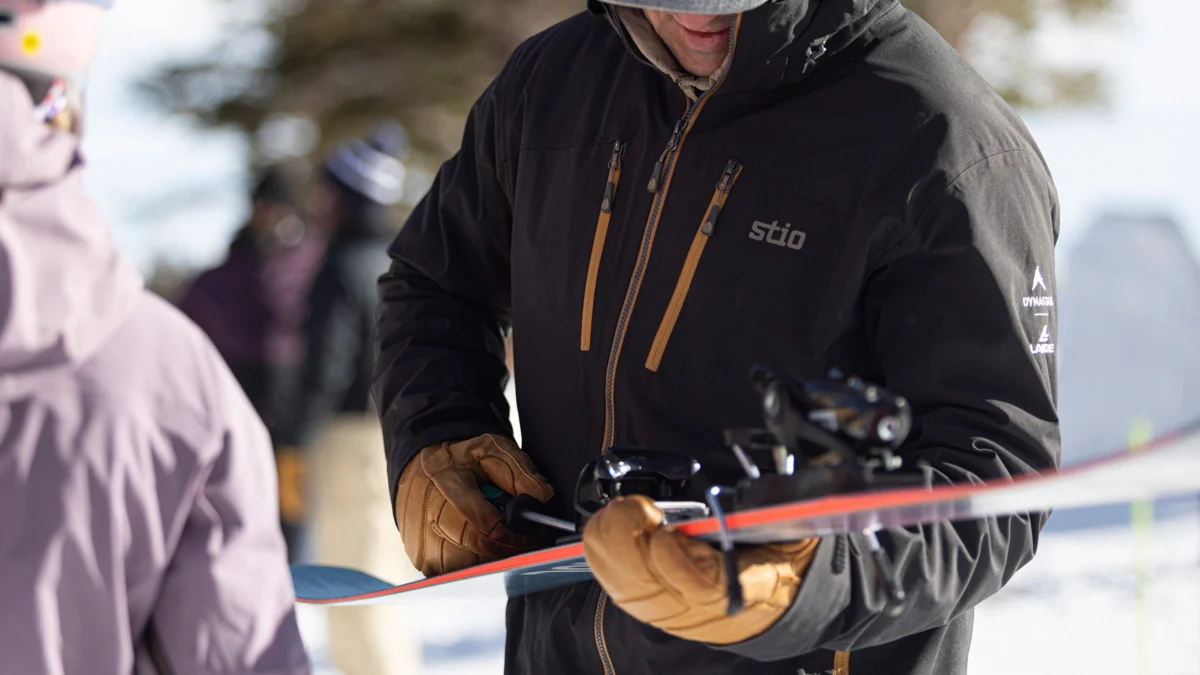
The Wolverine Lobster is constructed with a burly goatskin leather exterior and 60 grams of Greenloft synthetic insulation, a combination designed to withstand the abrasive environments of backcountry ridge hiking and the repetitive mechanical stresses of adjusting ski bindings and handling equipment. As of mid-October 2026, the glove has maintained a high rating among professional testers, particularly for its ability to facilitate complex tasks—such as buckling boots or operating zippers—without requiring the wearer to expose their hands to the elements.
Technical Specifications and Material Engineering
The efficacy of the Wolverine Lobster is rooted in its material composition and ergonomic design. The shell is crafted from premium goatskin leather, a material favored in the outdoor industry for its superior strength-to-weight ratio and natural water resistance. Unlike cowhide, which can become stiff and brittle when subjected to repeated wetting and drying cycles, goatskin remains supple, allowing for a higher degree of movement in the digits.
Beneath the leather shell lies 60 grams of Greenloft insulation. This specific weight is considered the "gold standard" for active alpine use; it provides sufficient loft to trap body heat during periods of inactivity, such as riding a chairlift in sub-freezing temperatures, while remaining breathable enough to prevent "hot-boxing"—a common issue where excessive heat leads to perspiration, which eventually cools and causes the hands to freeze. The interior is lined with a brushed tricot polyester, which serves a dual purpose: it provides a soft tactile experience against the skin and acts as a moisture-wicking layer to pull sweat away from the hand.
In laboratory testing, the Wolverine Lobster achieved a Lab Waterproof Score of 4. This metric indicates a high level of resistance to moisture penetration, even in "wet" snow conditions often found in maritime climates like the Pacific Northwest. The inclusion of a waterproof lining ensures that while the leather exterior may eventually saturate in extreme conditions, the internal environment remains dry.
The Evolution of the "Lobster" Design
The "lobster" or three-finger design is not a new concept in cold-weather athletics, but its refinement by Flylow represents a significant evolution in ski-specific handwear. Historically used by deep-sea divers and winter cyclists, the three-finger configuration groups the pinky, ring, and middle fingers together in a single compartment, while keeping the index finger and thumb separate.
This design leverages the physiological principle of communal heat. By grouping three fingers together, the surface area exposed to the cold is reduced, and the fingers share radiant heat, much like a traditional mitten. However, by isolating the index finger, the glove retains the "pincer" grip necessary for fine motor tasks. For the "hard charger"—a term used to describe aggressive, high-energy skiers—this means the ability to adjust goggle straps, clear snow from bindings, and manipulate pole straps is preserved without compromising the warmth required for long days in the alpine.
Chronology of Flylow Gear Development
Flylow, an independent mountain apparel company founded in 2005, has built its reputation on the "toughness" of its products. The company’s origins are rooted in the dissatisfaction of its founders with the durability of existing ski pants and gloves, which frequently tore during "telemark" skiing and backcountry exploration.
The development of the Wolverine series represents a decade of iterative testing.
- 2015-2018: Flylow focused on the "Work Glove" aesthetic, popularizing the use of treated leather gloves for resort skiing.
- 2019-2022: The company began integrating more sophisticated synthetic insulations and waterproof membranes to cater to the growing backcountry and "sidecountry" market.
- 2023-2025: The introduction of the Wolverine Lobster marked a shift toward high-performance ergonomics, moving away from the "boxy" feel of traditional work gloves toward a more articulated, athletic fit.
- October 2026: The current iteration of the Wolverine Lobster is recognized as a pinnacle of this evolution, balancing the ruggedness of a work glove with the technical precision of a mountaineering tool.
Market Analysis and Economic Context
The current 40 percent discount on the Wolverine Lobster comes at a pivotal time for the outdoor retail sector. As the 2026-2027 ski season approaches, consumers are facing increased prices for lift tickets and season passes, leading to a more discerning approach to gear acquisition.
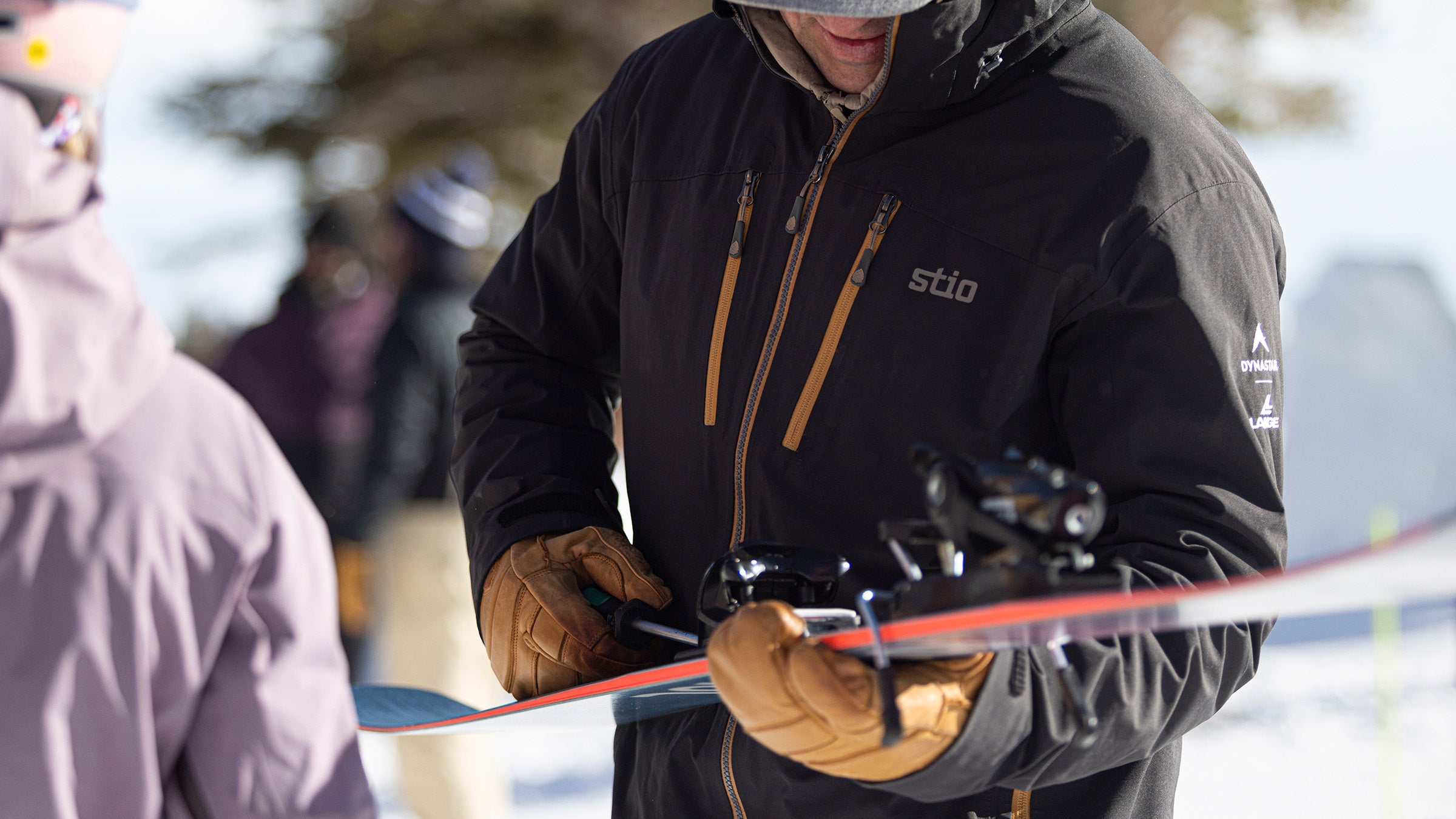
Industry analysts suggest that the discount is a strategic move to capture market share from established legacy brands. While premium gloves from competitors often retail in the $150 to $200 range, the discounted Wolverine Lobster provides a high-performance alternative at a significantly lower price point. This pricing strategy is particularly effective for "unisex" products, as it allows retailers to maintain a streamlined inventory while appealing to a broad demographic of skiers.
Furthermore, the longevity of leather-based gear provides a "cost-per-wear" advantage that synthetic-only gloves cannot match. With proper maintenance—such as the application of leather wax or waterproofing treatments—a goatskin glove like the Wolverine can last several seasons, whereas many nylon-shell gloves suffer from membrane delamination or fabric tears within one or two years of heavy use.
Expert Reactions and Field Performance
Feedback from the professional skiing community has been overwhelmingly positive, particularly regarding the glove’s "wicking" capabilities and its "slim" profile. The use of a neoprene cuff is a frequently cited highlight; unlike bulky gauntlet-style cuffs that can interfere with jacket sleeves, the neoprene cuff fits snugly under the wrist of a shell jacket. This creates a seamless weather seal that prevents snow from entering the glove during falls or when skiing in deep powder.
"The dexterity is the standout feature," noted one lead gear tester. "Usually, with a glove this warm, you’re fumbling to get your phone out or zip up your vents. With the Wolverine, you never feel like you’re wearing oven mitts. You have the precision of a glove with the thermal security of a mitten."
The "Lab Waterproof Score of 4" has also been validated by field testers who reported that the gloves remained dry even during "Sierrra Cement" conditions—heavy, wet snowfalls that typically saturate standard leather gear. The integration of the waterproof membrane behind the goatskin provides a secondary barrier that is essential for ridge hikers who may be frequently placing their hands in the snow for balance.
Broader Implications for the Outdoor Industry
The success and popularity of the Flylow Wolverine Lobster reflect a broader trend in the outdoor industry: the demand for "multi-mission" gear. Modern consumers are less interested in specialized equipment that only serves one purpose and are instead gravitating toward versatile items that perform across a range of activities and temperatures.
The Wolverine’s ability to serve "cold hands" (low-intensity resort skiing) and "ridge hikers" (high-intensity backcountry movement) suggests that the future of alpine design lies in hybridity. By blending the best attributes of disparate designs—mitten warmth, glove dexterity, and work-wear durability—Flylow has created a product that addresses the reality of the mountain environment, where conditions can shift from blistering winds on a ridge to sweaty climbs in a sheltered basin within minutes.
As the industry moves toward more sustainable manufacturing, the use of "Greenloft" insulation also signals a shift. Recycled synthetic fills are becoming the standard, proving that high-performance thermal barriers do not have to rely on virgin plastics or animal-derived down to be effective in extreme cold.
In conclusion, the Flylow Wolverine Lobster Glove stands as a benchmark for contemporary ski accessory design. Its current availability at a 40 percent discount offers a rare opportunity for skiers to acquire professional-grade equipment that does not compromise on warmth, durability, or functionality. As the 2026 season gets underway, this "rare ski glove" is likely to remain a staple on the hands of those who demand the most from their gear in the harshest environments.
