

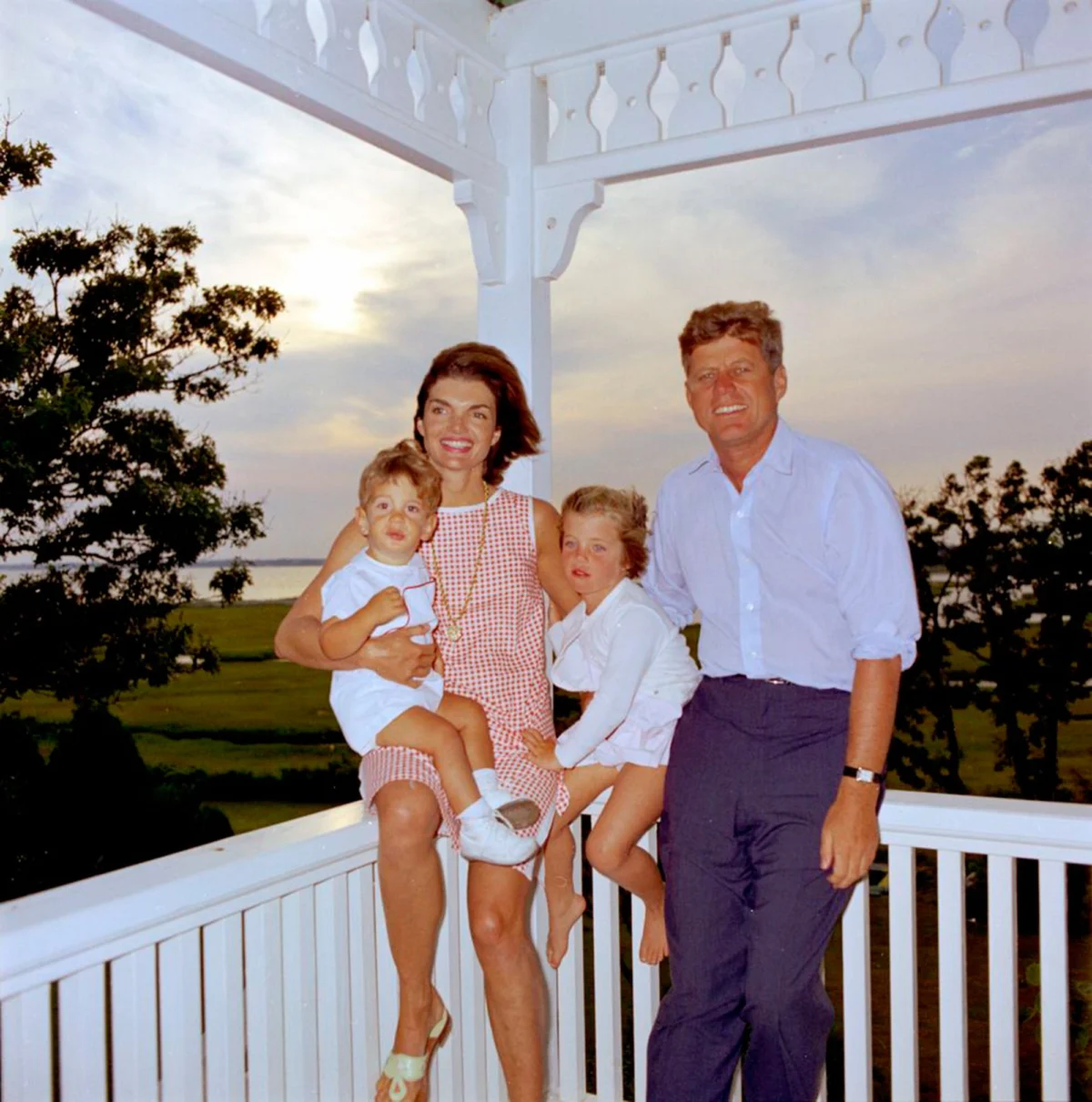
As the summer season reaches its zenith, marked by the joyous reunions of families at barbecues, weddings, and celebratory gatherings, the spotlight inevitably turns to one of America’s most storied families: the Kennedys. For generations, this political dynasty has captivated the public imagination, both domestically and internationally, drawing attention not only to their significant political endeavors but also to the intimate details of their personal lives and their cherished leisure pursuits. The Kennedys are renowned for their grand family assemblies, particularly during holiday periods and the sun-drenched months of summer. Among these traditions, their legendary Fourth of July celebrations at the Kennedy Compound in Hyannis Port, Massachusetts, stand out as a particularly iconic fixture. These gatherings have often been graced by the presence of notable figures; for instance, in 2012, reports indicated that global music sensation Taylor Swift was in attendance at the family’s Independence Day festivities, underscoring the compound’s magnetic pull.

A Symbol of American Optimism: The "Summer White House"
During the presidency of John F. Kennedy, the sprawling estate was affectionately dubbed the "Summer White House." This designation was more than mere nomenclature; it reflected the compound’s role as a crucial locus for both official business and personal respite for the President and his family. Comprising three distinct residences situated along the picturesque waterfront, the compound has recently experienced a resurgence of public interest, notably featured in the FX television series Love Story earlier this year. This renewed attention has cast a fresh light on a retreat that continues to symbolize the era of Camelot, a period often associated with youthful vigor, intellectualism, and a sense of boundless optimism in American public life.

The photographs capturing scenes of the Kennedy family’s vacations offer a visual narrative of their enduring connection to the sea and the outdoor life. From the graceful art of sailing, a pastime deeply ingrained in the Kennedy heritage, to the spirited engagement in golf, these images depict moments of relaxation, camaraderie, and the continuation of long-held family traditions. The compound itself, a collection of properties that has evolved over decades, represents not just a physical location but a repository of memories and a testament to the family’s enduring influence.

The Genesis and Evolution of the Hyannis Port Estate
The history of the Kennedy Compound in Hyannis Port is intrinsically linked to the ambitions and successes of Joseph P. Kennedy Sr. and his wife, Rose Fitzgerald Kennedy. Their acquisition of the first property, the main house at 83 Steps Beach Road, began in 1927. This initial purchase marked the genesis of what would become a sprawling family estate, strategically located on the shores of Nantucket Sound. The compound’s development was a deliberate and long-term project, designed to foster a sense of togetherness and provide a private sanctuary for a rapidly growing family.

Over the ensuing decades, as the Kennedy family’s prominence grew, so did the compound. Additional properties were acquired, expanding the estate and accommodating the ever-increasing number of family members and guests. The compound became the backdrop for countless family milestones, from childhood summers filled with swimming and sailing to more formal gatherings and political strategizing sessions. The natural beauty of the Cape Cod setting, with its sandy beaches, maritime heritage, and relatively secluded atmosphere, provided an ideal environment for the Kennedys to connect with each other and with the values they held dear.

A Hub of Family Life and Public Fascination
The Kennedy family’s gatherings at Hyannis Port have always been more than just private retreats; they have become cultural touchstones, reflecting broader trends in American society and the enduring fascination with this prominent family. The sheer scale of the family, coupled with their high-profile status, meant that even their private moments often drew public attention. The Fourth of July celebrations, in particular, became legendary, transforming the tranquil shores of Hyannis Port into a temporary nexus of American power, influence, and celebrity.

The inclusion of prominent guests, such as Taylor Swift in 2012, further amplified the compound’s allure. These appearances, though often informal, served to reinforce the perception of the Kennedys as being at the center of American social and cultural life. The compound became a symbol of a certain American ideal – a blend of privilege, public service, and a seemingly effortless embrace of leisure and tradition. This perception, cultivated over decades, has cemented the Kennedy Compound’s status as a place of enduring historical and cultural significance.

The "Summer White House" in Context: Presidential Respite and Policy
The designation of the Hyannis Port compound as the "Summer White House" during John F. Kennedy’s presidency was not merely symbolic. The estate served as a functional hub for presidential activities. Kennedy, known for his rigorous schedule, often used the compound as a place to escape the pressures of Washington D.C. while remaining accessible to advisors and staff. This allowed for a unique blend of official duties and personal rejuvenation.

Historical accounts and presidential calendars reveal that crucial decisions and policy discussions took place at the compound. Kennedy would conduct meetings with cabinet members, foreign dignitaries, and military advisors from his Hyannis Port base. The relaxed atmosphere, contrasted with the formal setting of the White House, may have fostered a different dynamic in these discussions, potentially encouraging more candid exchanges and innovative thinking. The compound thus served as a vital operational center, demonstrating how even a personal retreat could be integrated into the machinery of presidential governance. This era solidified the compound’s image as a place where serious matters of state were intertwined with the fabric of family life, contributing to the mystique of the Kennedy presidency.

The Compound’s Enduring Legacy and Modern Relevance
The enduring fascination with the Kennedy Compound is a testament to the family’s lasting impact on American history and culture. The estate continues to be a gathering place for succeeding generations of Kennedys, maintaining a connection to their heritage. The recent media attention, including its portrayal in television series, highlights that the allure of the compound remains potent. It serves as a physical manifestation of the Kennedy legacy, a place where the echoes of past events and the vibrancy of present-day family life converge.

The compound’s significance extends beyond its immediate family. It represents a particular chapter in American history, embodying themes of ambition, public service, tragedy, and resilience. The images of family vacations, therefore, are not just snapshots of leisure; they are visual narratives that contribute to the ongoing public discourse about the Kennedy family and their place in the American consciousness. The compound stands as a symbol of a bygone era, yet its continued relevance speaks to the enduring power of the Kennedy story and its ability to captivate audiences across generations. The blend of historical gravitas and continued family activity ensures that the Kennedy Compound will remain a subject of interest for years to come, a tangible link to a significant period in American history and a powerful symbol of family legacy.
