

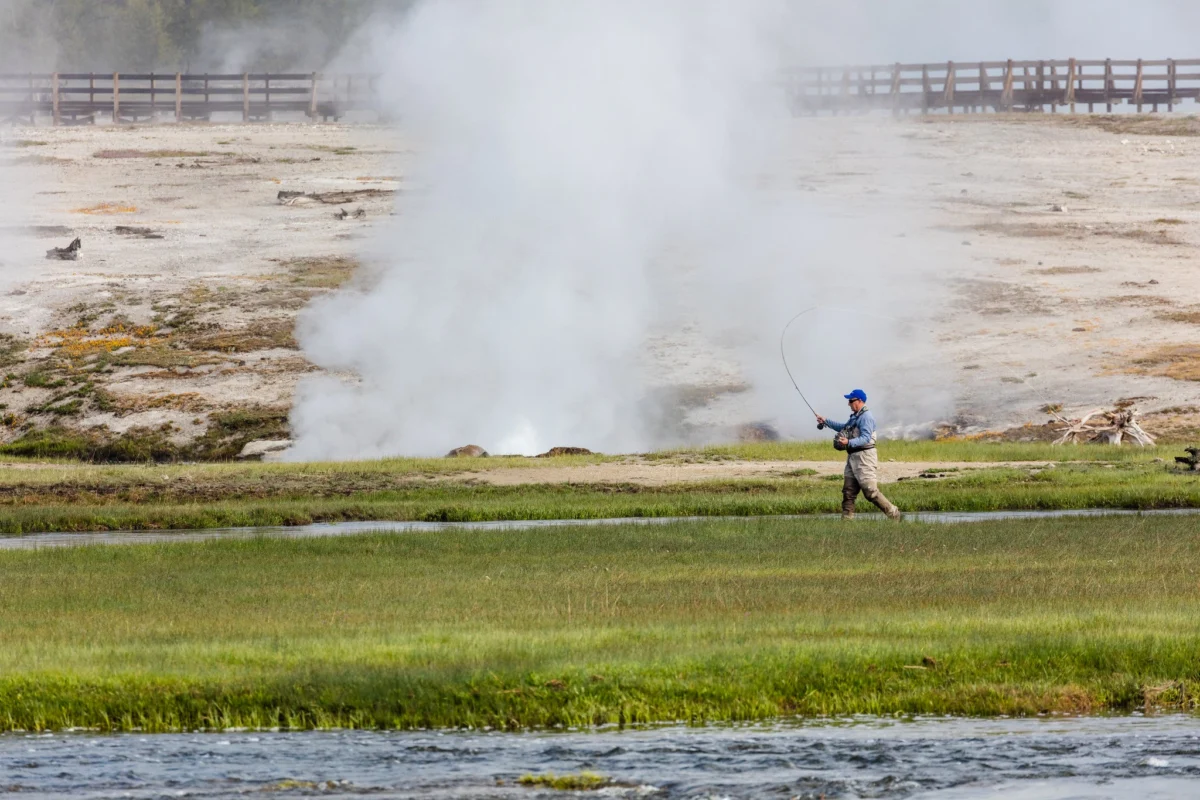
Yellowstone National Park, a global beacon of natural beauty and ecological significance, is facing an unprecedented challenge as extreme summer heat continues to strain its delicate aquatic ecosystems. In response to consistently soaring water temperatures and concerning reports of fish mortality, Yellowstone National Park has instituted mandatory daily fishing closures across all park rivers and streams, effective from July 29, 2026. This decisive measure, which prohibits fishing from 2 p.m. until sunrise, aims to protect the park’s vital native trout populations from the lethal impacts of elevated water temperatures and low stream flows.
The decision to implement these widespread afternoon closures underscores the severity of the current environmental conditions within the Greater Yellowstone Ecosystem. For weeks, park officials have been closely monitoring water temperatures, which have repeatedly breached the critical threshold of 68°F (20°C) – a temperature known to induce significant physiological stress in cold-water species like trout. With afternoon air temperatures frequently reaching 90°F, the combined heat stress on these aquatic environments has become untenable, creating conditions that are not only detrimental but potentially lethal to the park’s native fish.
Escalating Closures Reflecting Critical Conditions
This latest park-wide directive represents an escalation of previous conservation efforts initiated earlier in July. Prior to the current mandate, specific sections of key waterways, including the Firehole, Madison, and lower Gibbon rivers, had already been subjected to complete fishing closures. These earlier restrictions were a direct response to alarming temperature readings recorded on these particular rivers, which have frequently soared between 80°F and 86°F during peak daylight hours.
The decision to extend these closures to all park rivers and streams was precipitated by direct observations and reports from park staff and visitors. National Park Service (NPS) release explicitly stated, "Peak water temperatures have ranged from 80 to 86 degrees Fahrenheit during the day. Coupled with high air temperatures, these conditions are lethal to trout, and there have been reports of dead fish along the Firehole River." The confirmation of dead fish serves as a stark indicator of the immediate and severe threat to the health and survival of these aquatic populations. This grim evidence left park management with little alternative but to implement a more comprehensive and immediate protective measure.
Understanding the Ecological Impact on Native Trout
The physiological vulnerability of native trout species to elevated water temperatures is a well-documented phenomenon in aquatic ecology. Trout are ectothermic, meaning their body temperature is regulated by their environment. As water temperatures rise, their metabolic rates increase, requiring more oxygen to sustain bodily functions. However, warmer water holds less dissolved oxygen than cooler water. This creates a dangerous paradox: as their need for oxygen escalates, the available supply diminishes.
When water temperatures exceed their optimal range, trout experience significant physiological stress. This can manifest in several ways, including reduced swimming ability, decreased feeding, and increased susceptibility to disease and parasites. Prolonged exposure to temperatures above 80°F can be acutely lethal, leading to organ damage and ultimately death. Furthermore, the stress of handling a fish, even for experienced anglers, can be exacerbated in warm waters. The reduced oxygen levels make recovery difficult, and fish that are released may succumb later due to the cumulative stress.
The native trout species in Yellowstone, such as Yellowstone cutthroat trout and various subspecies of rainbow and brown trout, are particularly adapted to the cooler, oxygen-rich waters characteristic of the park’s high-altitude rivers and streams. These species play a crucial role in the park’s food web, serving as both predator and prey, and their decline can have cascading effects throughout the ecosystem, impacting everything from insect populations to larger predators like ospreys and otters.
Chronology of Escalating Conservation Measures
The current park-wide closures represent a culmination of monitoring and phased interventions by Yellowstone National Park authorities over the summer of 2026.
- Early July 2026: Initial concerns arise as consistently warm weather patterns lead to elevated water temperatures across several park waterways. Angling advisory statements are issued, urging anglers to exercise caution and practice catch-and-release techniques.
- Mid-July 2026: Specific sections of the Firehole, Madison, and lower Gibbon rivers begin to experience sustained temperatures exceeding the critical 68°F threshold. Park officials, in consultation with fisheries biologists, implement complete fishing closures for these affected areas to prevent further stress and mortality.
- Late July 2026 (July 29): Following continued observation of dangerously high temperatures (reaching 80-86°F in some areas) and confirmed reports of dead fish, park management makes the decision to institute mandatory daily fishing closures across all park rivers and streams. Fishing is prohibited from 2 p.m. to sunrise, allowing for a critical period of cooler water during early morning hours.
This timeline illustrates a reactive, yet increasingly urgent, approach to managing the ecological crisis. The progression from advisories to targeted closures, and finally to a comprehensive park-wide mandate, reflects the escalating severity of the heatwave and its impact on the park’s aquatic life.

Opportunities for Anglers Amidst Restrictions
While the new regulations significantly alter fishing opportunities within Yellowstone’s rivers and streams, anglers will still find limited avenues to engage in their pursuit. The park’s lakes, including the vast Yellowstone Lake, remain open for fishing from sunrise to sunset, in accordance with the established 2026 Fishing Regulations. These larger bodies of water, while not immune to temperature fluctuations, often exhibit more stable thermal profiles compared to smaller, faster-flowing rivers and streams.
For those who still wish to fish in moving water, early morning sessions present the only viable option. The period between sunrise and 2 p.m. offers a window of opportunity when water temperatures are at their lowest. This allows anglers to target fish under less stressful conditions, provided they adhere to strict conservation practices.
Angler Responsibility and Conservation Ethics
The enforcement of these closures carries an important message for anglers: conservation is paramount, especially when facing environmental challenges. When fish are caught in warm water, their physiological reserves are depleted, making their survival precarious even after release. Yellowstone National Park is emphasizing the need for ethical angling practices during the approved morning hours.
Key recommendations for anglers include:
- Landing Fish Quickly: Minimize the time a fish is out of the water. Fight the fish efficiently and avoid prolonging the struggle.
- Keeping Fish Wet: Whenever possible, keep the fish in the water while attempting to remove the hook or during any brief photo opportunities.
- Skipping Extended Photo Ops: In warm water conditions, prioritize the fish’s survival over lengthy photography sessions. Quick, safe releases are crucial.
- Using Appropriate Gear: Employ tackle that allows for quick and effective landings. Barbless hooks can also facilitate faster hook removal.
These practices are not merely suggestions but are vital components of responsible stewardship, ensuring that the privilege of fishing does not contribute to the decline of these treasured natural resources. The park administration is relying on the cooperation and understanding of the angling community to navigate this challenging period.
Broader Implications and Future Outlook
The mandatory fishing closures in Yellowstone National Park are a stark illustration of the far-reaching consequences of climate change on natural landscapes and wildlife. The heatwave affecting Yellowstone is not an isolated incident but part of a broader pattern of rising global temperatures that are impacting ecosystems worldwide.
The implications of this situation extend beyond recreational fishing. The health of Yellowstone’s trout populations is intrinsically linked to the overall health of the park’s aquatic ecosystems. A significant decline in trout numbers could disrupt food chains, affect nutrient cycling, and impact the populations of species that rely on them. Furthermore, the economic impact on local communities that depend on fishing tourism cannot be overlooked.
While the immediate focus is on mitigating the current crisis, the long-term outlook necessitates a broader conversation about climate adaptation and conservation strategies. This includes continued investment in scientific research to understand the resilience of native species, exploring habitat restoration techniques, and advocating for policies that address the root causes of climate change.
Park officials remain committed to monitoring water conditions and will lift the closures as soon as temperatures return to safe levels for aquatic life. However, the recurring nature of these extreme weather events suggests that such conservation measures may become more frequent in the future. The current situation serves as a potent reminder of the delicate balance of nature and the critical need for human intervention and responsible management to protect it. The ongoing commitment of both park authorities and the public will be essential in safeguarding the invaluable natural heritage of Yellowstone National Park for generations to come.
