

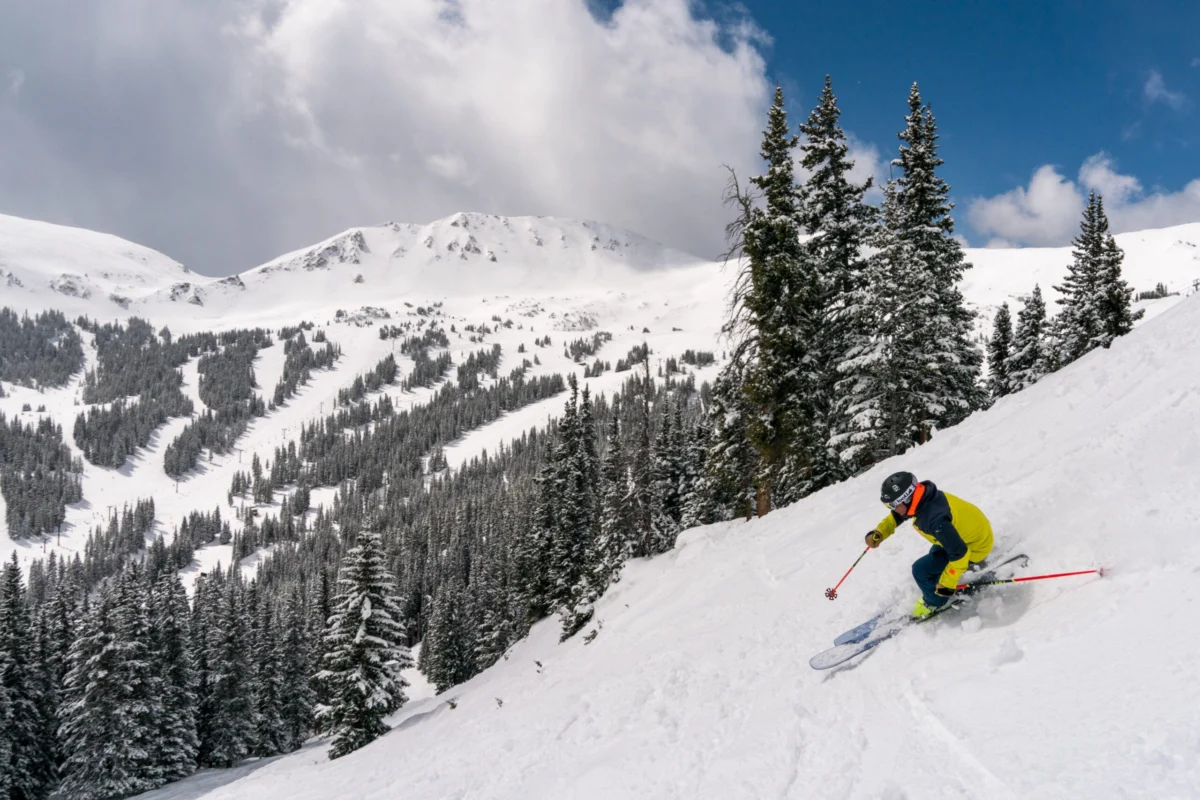
The thrill of exploring a new ski resort is often accompanied by a degree of uncertainty. A run designated as a beginner-friendly green might unexpectedly present a steep, icy pitch, or a seemingly moderate blue could plunge into a dense, challenging tree section. This inherent variability underscores a fundamental challenge in the world of snow sports: the absence of a universal standard for rating ski run difficulty. Each mountain independently assesses its terrain, leading to a situation where a blue run at one resort could be considered a black diamond at another. Furthermore, prevailing snow conditions—influenced by weather, grooming efforts, and skier traffic—can dramatically alter a run’s character, transforming a groomed cruiser into a treacherous ice rink overnight or a mogul field into an unskiable obstacle course.
This article delves into several such ski runs, identified by seasoned skiers and industry observers as consistently underestimating their true difficulty, thus potentially misleading unsuspecting participants. These designated trails, while appearing manageable on paper, often demand a higher level of skill and experience than their official markings suggest.
The Subjectivity of Ski Trail Ratings
The inconsistency in ski run difficulty ratings is a long-standing issue within the industry. Unlike standardized grading systems in other sports, ski resorts utilize their own internal metrics. This relativity means that a "blue" run at Aspen Snowmass, known for its generally challenging terrain, might feel significantly more demanding than a "blue" at a smaller, more beginner-focused resort. The visual representation on a trail map provides only a partial picture; the mountain’s topography, the prevailing snow conditions, and the specific characteristics of the run itself contribute significantly to its actual difficulty.
Factors such as gradient, width, presence of obstacles (trees, rocks), and snow surface conditions (powder, crud, ice, moguls) all play crucial roles. A freshly groomed run can quickly deteriorate after a freeze-thaw cycle, becoming hard-packed and icy. Conversely, a natural-snow run that has not been groomed can develop substantial moguls, drastically increasing its technical demands. This dynamic nature of snow sports means that a trail’s perceived difficulty can fluctuate even within a single day.
To provide a more comprehensive understanding of these challenging runs, we examine several specific examples that have garnered a reputation for exceeding their assigned difficulty ratings.
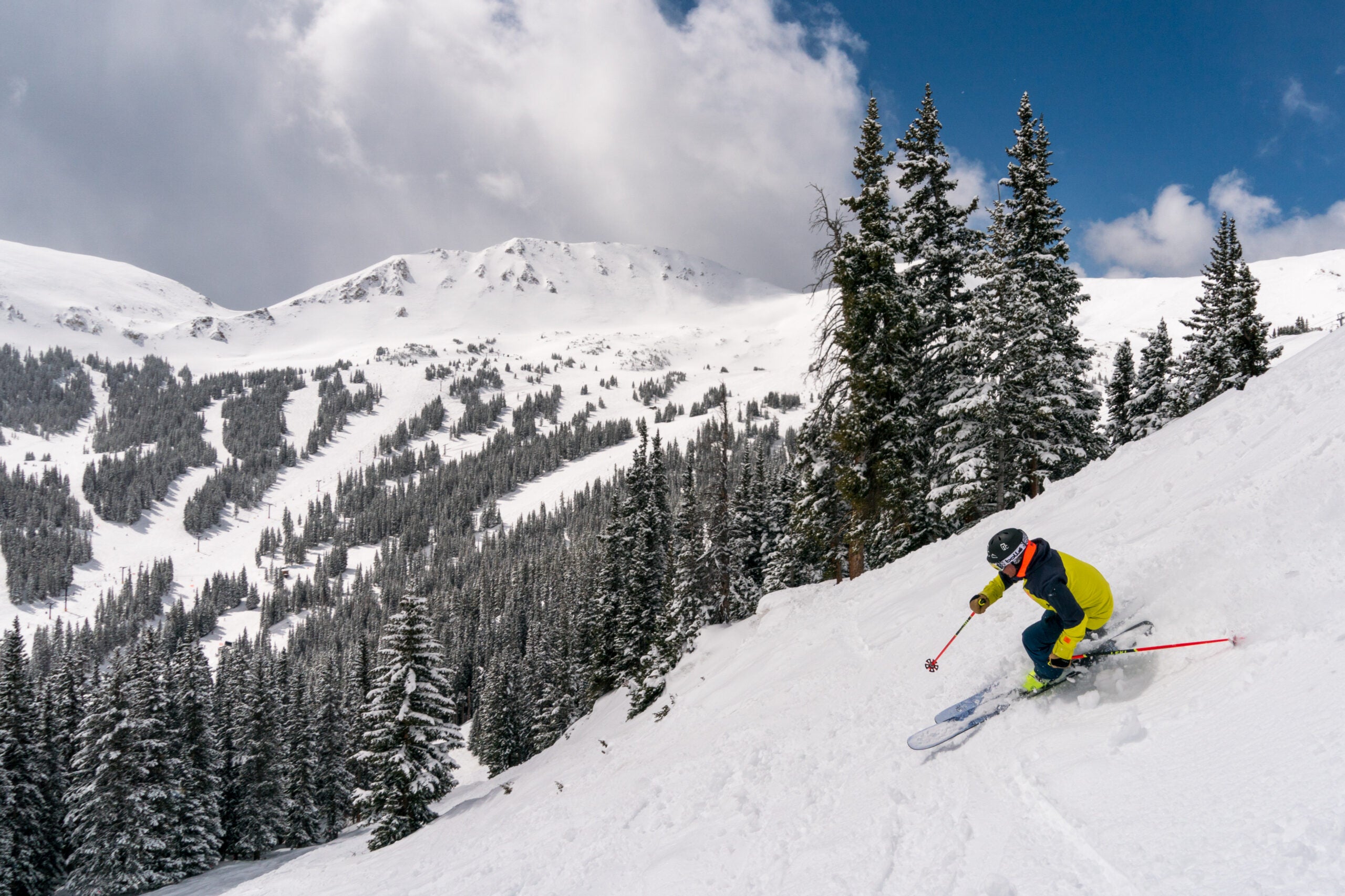
Paradise, Mad River Glen, Vermont: A Mandatory Challenge
Mad River Glen, a unique institution in the skiing landscape, operates with a philosophy that sets it apart from many modern resorts. Notably, it is one of the few remaining mountains that prohibits snowboarding, relies heavily on natural snowfall, and undertakes minimal grooming. Their trail difficulty system is intentionally straightforward: single greens, single blues, and single blacks. However, the run named "Paradise" is a prime example of a trail that consistently defies its single-black designation.
Many experienced skiers concur that "Paradise" warrants a double-black diamond rating due to a critical feature: a mandatory drop over a frozen waterfall. This element introduces a significant technical hurdle, requiring advanced aerial control and precise landing. The sheer drop and the potential for unpredictable snow coverage on the landing zone make it a formidable challenge, far exceeding what a standard single-black run typically entails.
Adding to the perceived underestimation at Mad River Glen, the adjacent run "Catamount," officially rated as a single blue, is frequently considered more difficult than many black diamond runs at other resorts. Skiers often report that "Catamount" skis more like a black than a blue, highlighting the resort’s distinctive approach to trail assessment. The proximity of these runs, both offering a more intense experience than their ratings suggest, contributes to Mad River Glen’s reputation among discerning skiers.
Seattle Ridge, Sun Valley, Idaho: Deceptive Green Terrain
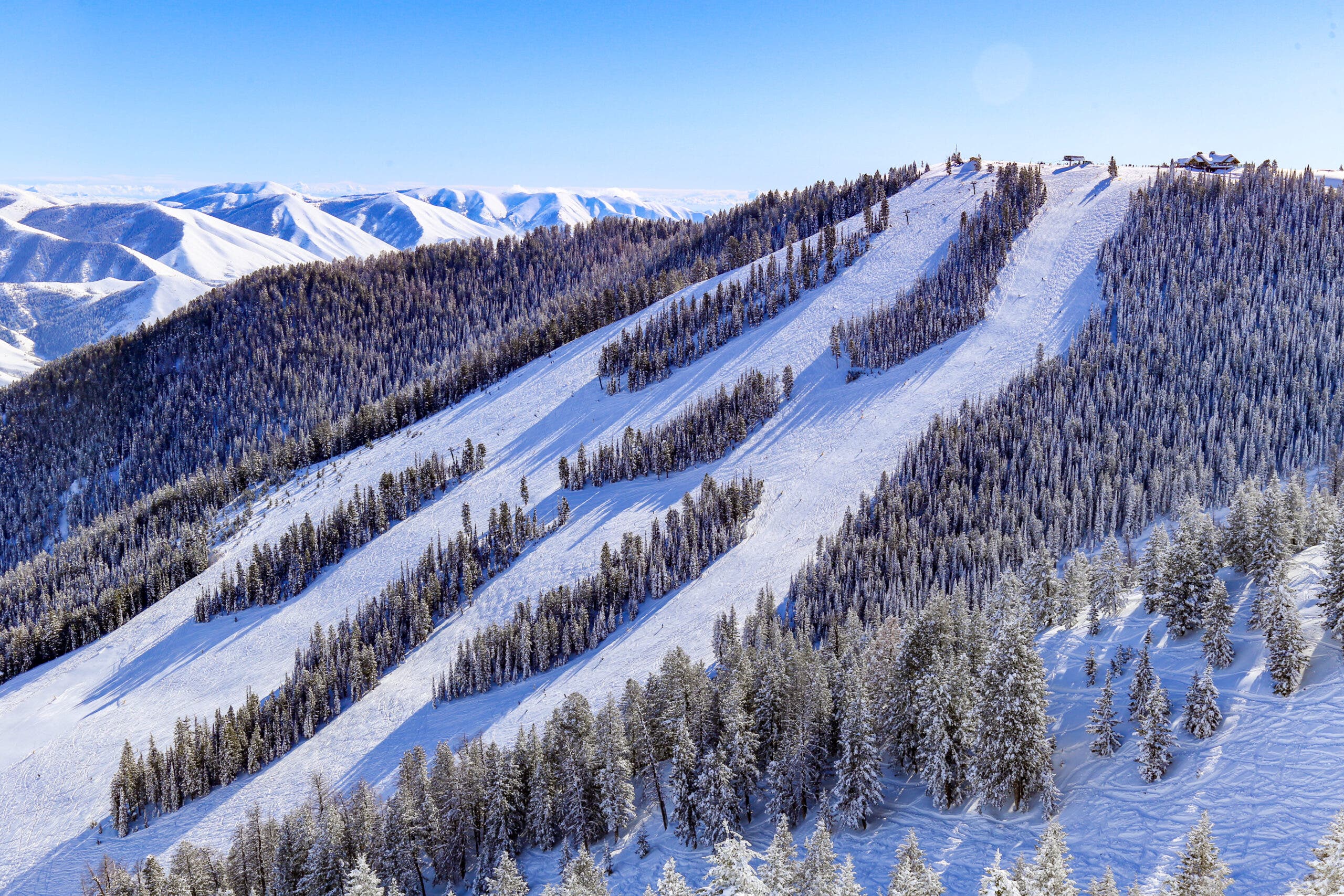
Sun Valley Resort in Idaho, renowned for its impeccably groomed slopes and luxurious amenities, also features terrain that can surprise even seasoned skiers. The entire area below the Seattle Ridge Lodge, situated on the southern face of Bald Mountain, presents a collective of runs that are officially marked as single greens. On paper, this appears to be an ideal zone for novice skiers to hone their skills.
However, the reality on the snow is quite different. The Seattle Ridge terrain is widely regarded by skiers as possessing gradients and characteristics that would typically classify them as blue runs, or even "double blues" in some assessments. This discrepancy between the official rating and the perceived difficulty can lead to overconfidence among less experienced skiers, potentially placing them in situations beyond their current abilities. The sustained steepness and open nature of these runs, while appealing on a sunny day, demand a level of control and endurance that goes beyond what a beginner might anticipate.
Trestle, Winter Park, Colorado: The Mogul Gauntlet
For many skiers, moguls represent a thrilling test of skill and endurance. However, even dedicated mogul enthusiasts find themselves challenged by "Trestle" at Winter Park Resort in Colorado. This single-black diamond run is accessed via a single blue or several double-black, extreme-rated runs, yet "Trestle" itself leans significantly towards the more challenging end of the spectrum.
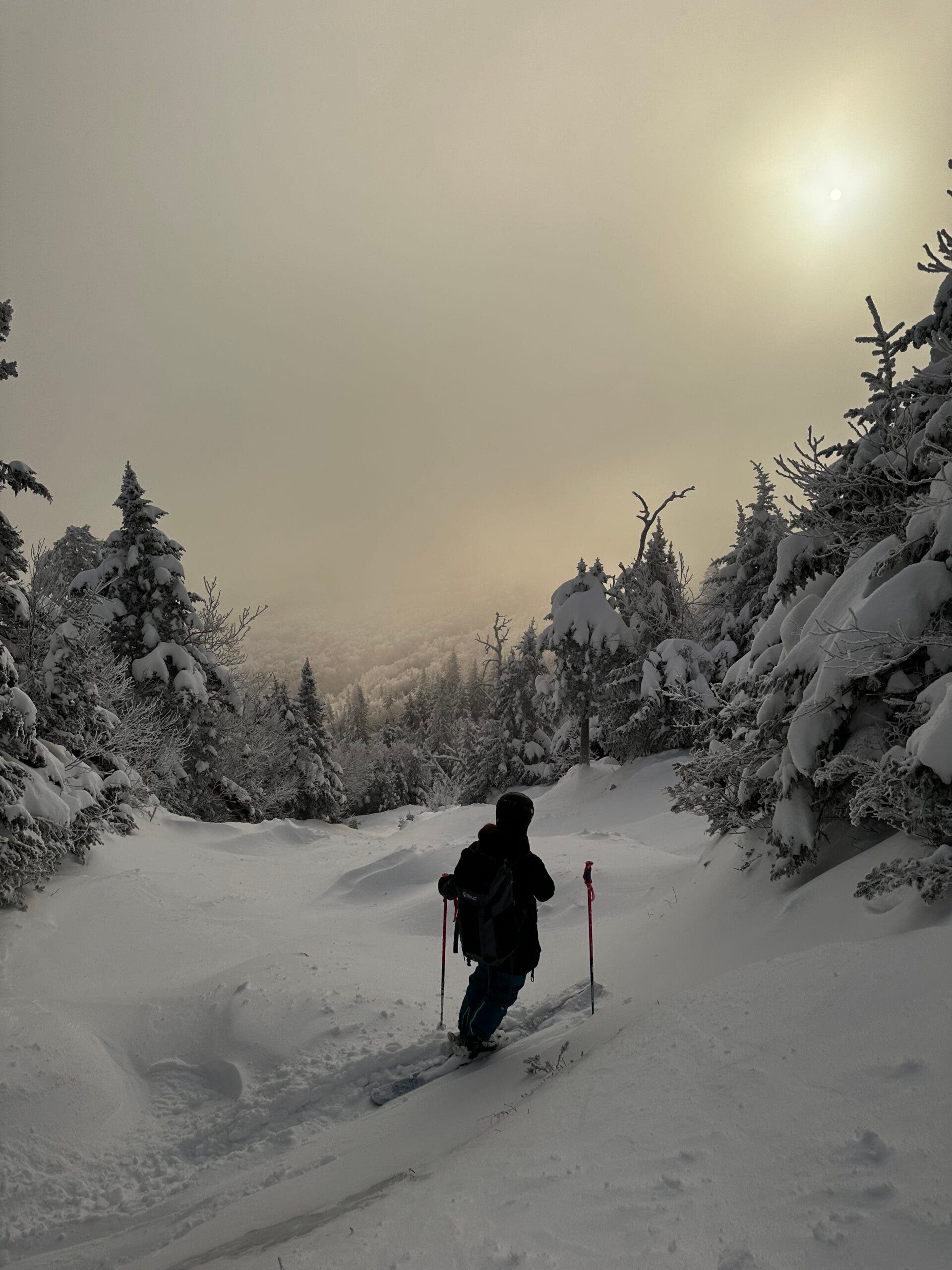
The primary reason for its notorious difficulty lies in the evolution of its moguls. Over time, and with consistent skier traffic, the bumps on "Trestle" can grow to an immense size, often described as "refrigerator-sized." These formidable moguls demand exceptional technique, stamina, and nerve to navigate successfully. The sheer scale and irregularity of the bumps can make the run almost unskiable for many, regardless of their experience level, pushing it well beyond the typical expectations for a single-black designation. The consistent development of these large bumps suggests that the resort’s grooming practices may not be sufficient to mitigate their growth, or that the run’s natural characteristics inherently lead to such formations.
Shakedown, Smugglers’ Notch, Vermont: A Treacherous Tree Run
Smugglers’ Notch, a resort in Vermont celebrated for its challenging terrain, boasts an impressive array of double-black-diamond runs and even the East Coast’s sole triple-black-diamond trail. Despite this reputation for steepness, the trail "Shakedown" appears to have been overlooked in the resort’s rigorous rating system. Officially classified as a single-black-diamond tree run, "Shakedown" presents a level of difficulty that many believe warrants a double-black rating.
The upper section of "Shakedown" features tight, unforgiving trees, demanding precise maneuvering and quick reflexes. Coupled with a significant drop and considerable length, these factors combine to create a run that is considerably more demanding than its single-black designation suggests. The density of the trees and the steep pitch create a technical challenge that requires advanced skiing abilities, including rapid edge control and the ability to navigate through narrow openings under pressure.
Scrub, Loveland, Colorado: The Steeper Side of Blue
"Scrub," a relatively short blue run located below Lift 4 at Loveland Ski Area in Colorado, has become the subject of considerable discussion among skiers regarding its true difficulty. The run is noticeably steeper than most of the ski area’s other blue runs and, in some sections, rivals the steepness of milder black diamond trails. This perceived disparity has led to speculation about the resort’s rating rationale.
One prevailing theory suggests that Loveland may have intentionally rated "Scrub" as a blue to provide a more accessible route back to the base of Lift 4. This lift serves several black diamond runs, and "Scrub" offers a more forgiving descent for skiers who may not wish to tackle the more challenging terrain funneling down to the base. While this approach might serve a logistical purpose for the resort, it can create a misleading impression for skiers who are unfamiliar with the area, potentially leading them to underestimate the run’s steepness and technical demands. The run’s consistent pitch and lack of flat sections contribute to its challenging nature, especially for those accustomed to mellower blue terrain.
Pushover, Sugarbush, Vermont: Beginner Run with a Bite
"Pushover" at Sugarbush Resort in Vermont serves as a primary thoroughfare for beginners and intermediates aiming to reach the resort’s Lincoln Peak Village. However, certain sections of this seemingly innocuous green run possess a steepness that can feel more akin to a blue trail, prompting some skiers to dismount and walk down the more challenging pitches.
Compounding its deceptive nature, "Pushover" is also prone to developing icy conditions. This characteristic can transform the run into a slick and unpredictable surface, significantly increasing the difficulty for less experienced skiers. The combination of steep pitches and icy patches creates a challenging environment that belies its beginner-friendly designation.
This tendency to become challenging under certain conditions is also observed on "Walt’s Trail" on the Mt. Ellen side of Sugarbush. When ungroomed, and with the underlying waterbars becoming exposed, "Walt’s Trail" can ski more like a blue run, further illustrating the variability of trail difficulty at the resort. The unpredictability of these runs underscores the importance of checking daily snow reports and exercising caution, regardless of the official rating.
The Broader Implications of Misleading Ratings
The instances highlighted above are not isolated incidents but rather symptomatic of a larger issue within the ski industry. While resorts aim to provide a clear system for skiers to navigate terrain, the inherent subjectivity and the dynamic nature of snow conditions often lead to discrepancies. For skiers, this can result in overestimation of their abilities, leading to potential accidents and injuries. For resorts, it can impact guest satisfaction and safety protocols.
The International Ski Federation (FIS) has explored standardized rating systems, but widespread adoption has been slow. Until such a universal system is implemented, skiers are advised to approach unfamiliar runs with a degree of caution, consult with local ski patrol or experienced individuals, and always prioritize safety over perceived difficulty. The allure of a challenging run is undeniable, but understanding its true nature, beyond the markings on a map, is paramount for an enjoyable and safe experience on the slopes. The reputation of these specific runs serves as a valuable reminder that on the mountain, experience and a healthy dose of respect for the terrain are often the most reliable guides.
