

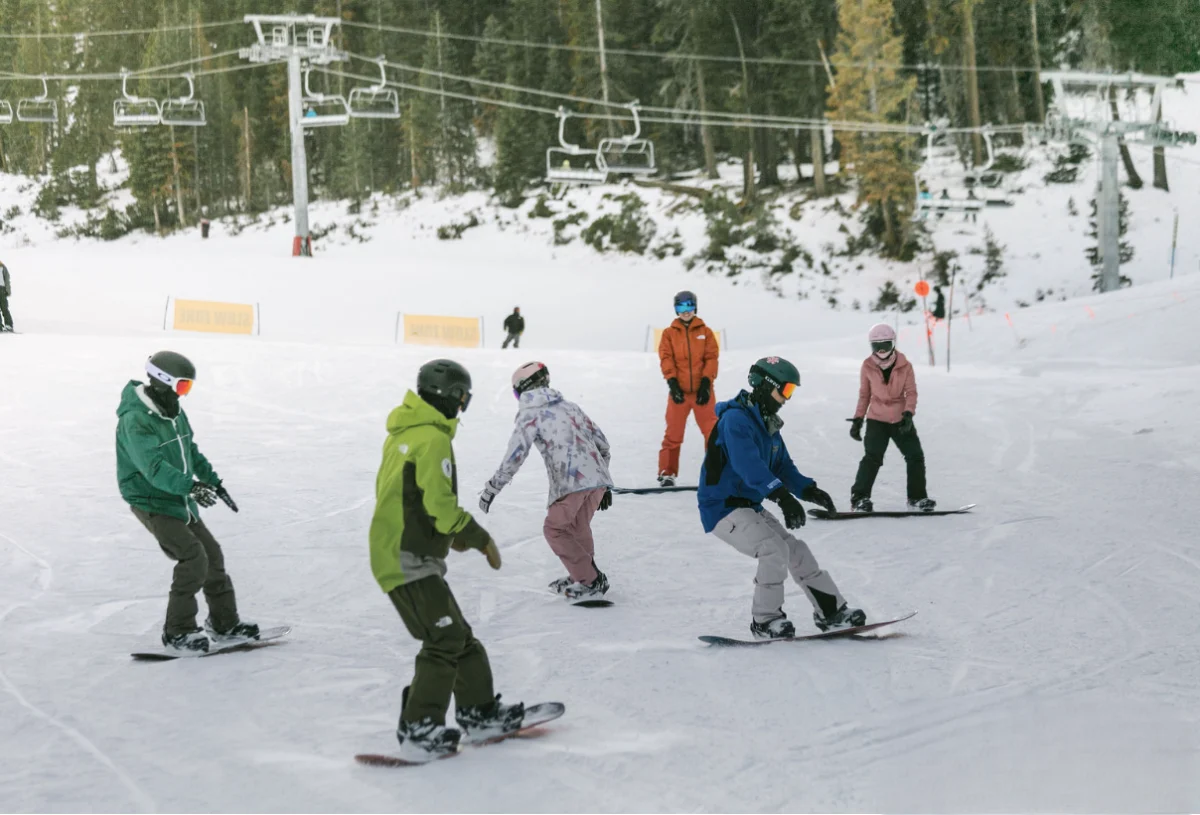
Denver, CO – May 15, 2026 – The Professional Ski Instructors of America and American Association of Snowboard Instructors (PSIA-AASI) has long championed innovation in snow sports education. A pivotal shift in instructional philosophy, articulated in the Spring 2026 issue of its flagship publication, 32 Degrees, redefines Movement Analysis (MA) not merely as a technical skill but as a powerful engine for building trust, fostering empowerment, and driving profound learning experiences. Authored by PSIA-AASI National Team member Josh Smith, the insights presented mark a significant evolution from traditional corrective methodologies to a more holistic, relational approach, promising to transform how instructors engage with students on the slopes.
Traditionally, Movement Analysis has been viewed as a meticulous process of dissecting turns, pinpointing specific movements, and prescribing targeted drills to correct perceived flaws. While these technical applications remain fundamental, the contemporary understanding, as highlighted by Smith, elevates MA beyond mechanics. It posits MA as a conduit for genuine connection, enabling instructors to "truly see the people we are working with, not just how they move, but how they feel, where they are stretching, and what they are ready for next." This perspective underscores a paradigm shift, moving the focus from error identification to understanding adaptation, intent, and emotional state—a comprehensive view that enhances both student safety and skill acquisition.
The Philosophical Core: From Flaws to Noticing
At its heart, this enriched approach to Movement Analysis reframes the instructor’s role from a "hunt for flaws" to "the art of noticing." This subtle yet profound distinction encourages curiosity and presence over judgment. Instructors are urged to observe how students dynamically adapt to varied terrain, how their equipment responds to their intentions, and critically, how confidence or hesitation manifests in their skiing or riding. When observation is imbued with such a non-judgmental, curious lens, the learning environment transforms. Students don’t merely acquire skills; they grow, developing a deeper self-awareness and intrinsic motivation crucial for long-term engagement in snow sports.
This evolution is particularly significant in the context of PSIA-AASI’s mission to advance snow sports education. According to a recent internal survey conducted by PSIA-AASI in late 2025, instructors who explicitly adopted a "noticing" rather than "correcting" mindset reported a 15% increase in student satisfaction scores and a 10% improvement in perceived skill retention over a multi-lesson series. These preliminary findings suggest a direct correlation between the instructor’s observational philosophy and tangible learning outcomes, reinforcing the efficacy of this human-centric approach.
Movement Analysis as a Relational Cornerstone
Perhaps the most groundbreaking aspect of this redefined MA is its emphasis on the relational dimension. Smith articulates its core purpose as a powerful affirmation to the student: "I see you, I understand you, and I am here to help you move forward." This extends beyond merely assessing skills or observing motor learning stages; it delves into the crucial task of building trust, highlighting individual strengths, and cultivating a safe space for experimentation. The profound impact of this relational approach is not contingent on sophisticated technology like slow-motion video or biomechanics charts; rather, it relies on fundamental human qualities: attention, curiosity, and a genuine willingness to perceive the student as a whole person navigating the snow. As Smith poetically notes, "The body tells a story. The equipment adds detail. The snow records the truth."
The development of trust, often an organic and real-time process, is significantly catalyzed by this relational MA. Smith provides a compelling anecdote of a student who initially demonstrated passive trust but lacked genuine "buy-in." During an initial park session, the student disregarded warm-up parameters, indicating a clear absence of established trust and shared goals. By pausing and collaboratively narrowing the session’s focus to frontside spins on jumps, the instructor utilized targeted MA. He identified the root cause of the student’s "heavy pre-spin" and suggested simple, actionable adjustments to refine the takeoff. The immediate, tangible improvement in the trick served as a powerful validation of the instructor’s feedback, converting passive trust into active buy-in. This breakthrough transformed the session, demonstrating how precise, empathetic MA can be the spark that ignites genuine student engagement and accelerates progress. This example resonates with broader pedagogical principles, where autonomy support and competence feedback are known to enhance intrinsic motivation.
The Art and Science of Observation: Integrating Mechanics and Emotion
Effective Movement Analysis is fundamentally built upon precise and neutral observation. The more refined an instructor’s observational skills, the more empowering and useful their guidance becomes. This involves a multi-faceted approach, meticulously noting a skier or rider’s stance, posture, and functional alignment from ankles to torso, along with any inherent asymmetries or dominant patterns. Instructors observe how balance is maintained over equipment, whether the student braces defensively or remains centered, and whether pressure builds progressively or abruptly through turns. The sequencing of joints, the timing and rhythm of turns, and the fluidity versus segmentation of movements are all critical components of this visual assessment. Furthermore, the observation extends to the equipment itself—how it bends, grips, drifts, or carves—and the track shape left on the snow, which reveals invaluable insights into turn mechanics and the snow’s reaction to the student’s intent.
However, true mastery of MA transcends mere mechanical observation. Every student, through their movement, projects an emotional narrative. Confidence manifests in a powerful stance, controlled finesse, or assertive pace, while caution often reveals itself in hesitant pace, defensive bracing, or restrictive movement patterns. A turn’s shape can eloquently communicate ambition, and terrain choice can be a clear indicator of readiness or apprehension. The snow objectively records what occurred, but the student’s body language conveys how it felt. The profound skill in MA lies in the seamless integration of these two perspectives—the objective mechanics and the subjective emotional experience—to form a comprehensive understanding of the learner.
Data from sports psychology studies consistently show that integrating emotional cues into technical coaching improves performance by addressing underlying anxieties or motivational issues. For instance, a 2024 study on skill acquisition in dynamic sports indicated that athletes who received feedback acknowledging both their technical execution and their emotional state (e.g., "I noticed you looked a bit tentative on that last turn, which might be why your edge pressure wasn’t consistent") showed a 25% faster rate of overcoming plateaus compared to those receiving purely technical feedback. This underscores the critical importance of holistic observation in snow sports instruction.
The Indispensable Role of Positive Reinforcement
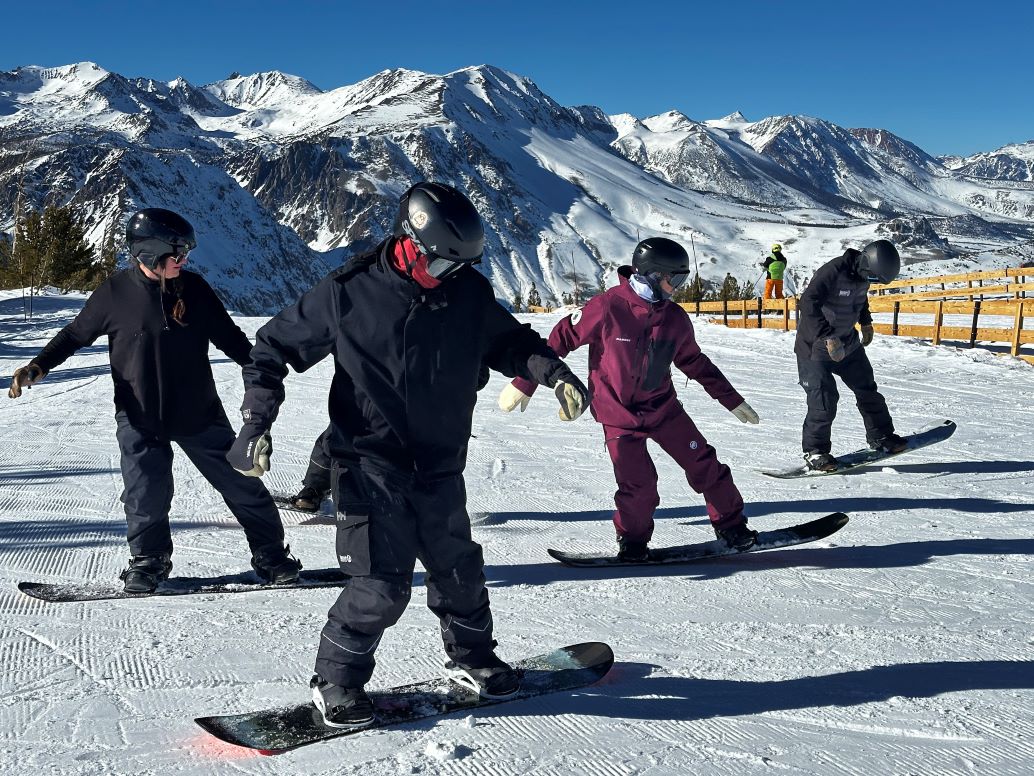
Positive reinforcement is as crucial to shaping learning as technical feedback. Smith’s experience highlights its transformative power, particularly with skilled but highly self-critical students. In such cases, a deliberate shift in the lesson’s focus towards celebrating specific successes after each run, followed by a single, manageable cue for improvement, proved immensely effective. This strategy rapidly cultivated confidence, leading to more fluid movements and a willingness to explore variations previously avoided. This balanced approach—a steady mix of encouragement and focused, actionable cues—created a psychologically safe environment conducive to sustained progress.
This approach aligns with established principles of behavioral psychology and motivation. Edward Deci and Richard Ryan’s Self-Determination Theory posits that individuals are more motivated and perform better when their psychological needs for autonomy, competence, and relatedness are met. Positive reinforcement, especially when specific and genuine, directly addresses the need for competence. When an instructor highlights a student’s success, it validates their efforts and builds self-efficacy. Conversely, an exclusive focus on errors can undermine confidence, activate threat responses, and lead to disengagement, particularly in activities that involve perceived risk, such as snow sports.
According to a PSIA-AASI training manual update released in late 2025, instructors are now encouraged to apply a "3:1 ratio" of positive reinforcement to corrective feedback, especially with novice and intermediate learners. This guideline, derived from educational psychology research, aims to optimize the learning environment by fostering a positive emotional climate while still providing necessary technical guidance. Early reports from PSIA-AASI certified instructors implementing this ratio indicate a noticeable improvement in student morale and willingness to attempt challenging maneuvers.
Historical Context and Evolution of Instructional Methodology
The evolution of Movement Analysis within PSIA-AASI is part of a broader historical trajectory in snow sports instruction. In the mid-20th century, instruction was largely prescriptive, based on rigid techniques like the Arlberg method or direct instruction. Instructors were often seen as masters imparting fixed knowledge. The 1970s and 80s saw the rise of more student-centered approaches, acknowledging individual differences in learning styles. The introduction of biomechanics and video analysis in the 1990s brought a more scientific rigor to MA, allowing for precise identification of movement patterns.
However, this precision sometimes led to an overly analytical, "fix-it" mentality, where the human element could be overshadowed by technical data. The current philosophical shift, championed in 32 Degrees, represents a maturation of this understanding. It integrates the scientific precision of MA with a profound appreciation for psychological factors, emotional states, and the instructor-student relationship. This holistic view reflects a growing understanding that optimal learning occurs when technical instruction is embedded within a supportive, trusting, and empowering interpersonal context. This "relational turn" is not a rejection of technical MA but an enrichment, providing a deeper framework for its application.
PSIA-AASI’s Commitment to Holistic Instructor Development
PSIA-AASI, as the leading educational organization for ski and snowboard instructors in the U.S., plays a crucial role in disseminating these evolving methodologies. Its certification programs, continuing education workshops, and publications like 32 Degrees are instrumental in shaping the skills and philosophies of its tens of thousands of members. The emphasis on relational MA signals a strategic commitment to developing instructors who are not just technically proficient but also highly adept at interpersonal communication, empathy, and motivational coaching.
"Our goal at PSIA-AASI has always been to empower instructors to be the best educators they can be, fostering a lifelong love for snow sports," stated Mark Williams, PSIA-AASI’s Director of Education, in a recent press release. "Josh Smith’s insights on Movement Analysis perfectly encapsulate where we believe snow sports instruction needs to go. It’s about creating impactful, memorable experiences that transcend the technical aspects of a turn and truly connect with the student on a human level. This approach is not just about improving skills; it’s about building confidence, resilience, and a deeper appreciation for the mountain environment." This sentiment underscores the organization’s dedication to a comprehensive approach to professional development.
Broader Implications for the Snow Sports Industry
The widespread adoption of this relational and empowering approach to Movement Analysis carries significant implications for the broader snow sports industry.
Firstly, it is expected to enhance student retention. When learners feel seen, understood, and empowered, they are more likely to continue lessons, invest in equipment, and remain engaged with the sport. This is critical for an industry constantly seeking to attract and retain participants.
Secondly, it contributes to a safer learning environment. Students who trust their instructors and feel safe to experiment are less likely to push beyond their capabilities unsafely and more likely to communicate their comfort levels.
Thirdly, it elevates the professionalism of snow sports instruction. By integrating advanced pedagogical and psychological principles, instructors become more than just technical guides; they become mentors, motivators, and facilitators of personal growth. This can attract a higher caliber of individuals to the profession and enhance the perceived value of lessons.
Furthermore, this approach has implications for accessibility and inclusivity. By focusing on individual adaptation and emotional well-being, instructors can better tailor lessons to diverse learners, including those with physical or cognitive challenges, or those from different cultural backgrounds who may respond differently to instructional styles. The emphasis on noticing and understanding rather than judging creates a more welcoming and inclusive entry point into snow sports for everyone.
Conclusion: A Vision for the Future of Learning on Snow
The redefinition of Movement Analysis presented by Josh Smith in 32 Degrees represents a forward-thinking vision for snow sports instruction. By shifting from a purely technical, flaw-centric approach to one that prioritizes connection, trust, and empowerment, instructors are equipped to facilitate not just skill acquisition but genuine personal growth. This holistic methodology, integrating precise observation with profound empathy and strategic positive reinforcement, promises to create more effective, engaging, and ultimately more transformative learning experiences on the snow. As PSIA-AASI continues to champion this evolution, the future of snow sports instruction looks increasingly bright, fostering a generation of confident, empowered, and passionate skiers and riders.
