

Published February 19, 2026 08:45 AM
As the cost of a day on the slopes continues its upward trajectory, skiers and snowboarders are increasingly seeking value without compromising on essential gear. The ski goggle market, traditionally dominated by high-priced, feature-rich models, is now offering compelling alternatives for budget-conscious consumers. A rigorous testing of 12 ski goggles priced under $100 has identified several models that deliver exceptional clarity, UV protection, and all-day comfort, often rivaling their more expensive counterparts. The Goodr Snow G has emerged as the top performer, impressing testers with its inclusion of premium features like a bonus lens, a magnetic lens-change system, and remarkably clear optics, all at an accessible price point.
The economic pressures facing winter sports enthusiasts are undeniable. For many, assembling a complete ski kit can represent a significant financial outlay. While premium ski goggles boast advanced anti-fog coatings, superior scratch resistance, and expansive fields of view, the performance gap between these high-end options and their more affordable counterparts has narrowed considerably. The current generation of budget ski goggles offers a level of quality and functionality that was once unimaginable at this price point. This report details the top-performing budget ski goggles under $100, demonstrating that clear vision and comfort on the mountain are attainable without breaking the bank.
Best Budget Ski Goggles Under $100: At a Glance
Our comprehensive evaluation focused on identifying goggles that excel in key areas: optical clarity, fit and comfort, durability, ventilation, and ease of lens interchangeability (where applicable). The following models represent the pinnacle of value in the sub-$100 category.
The Reviews
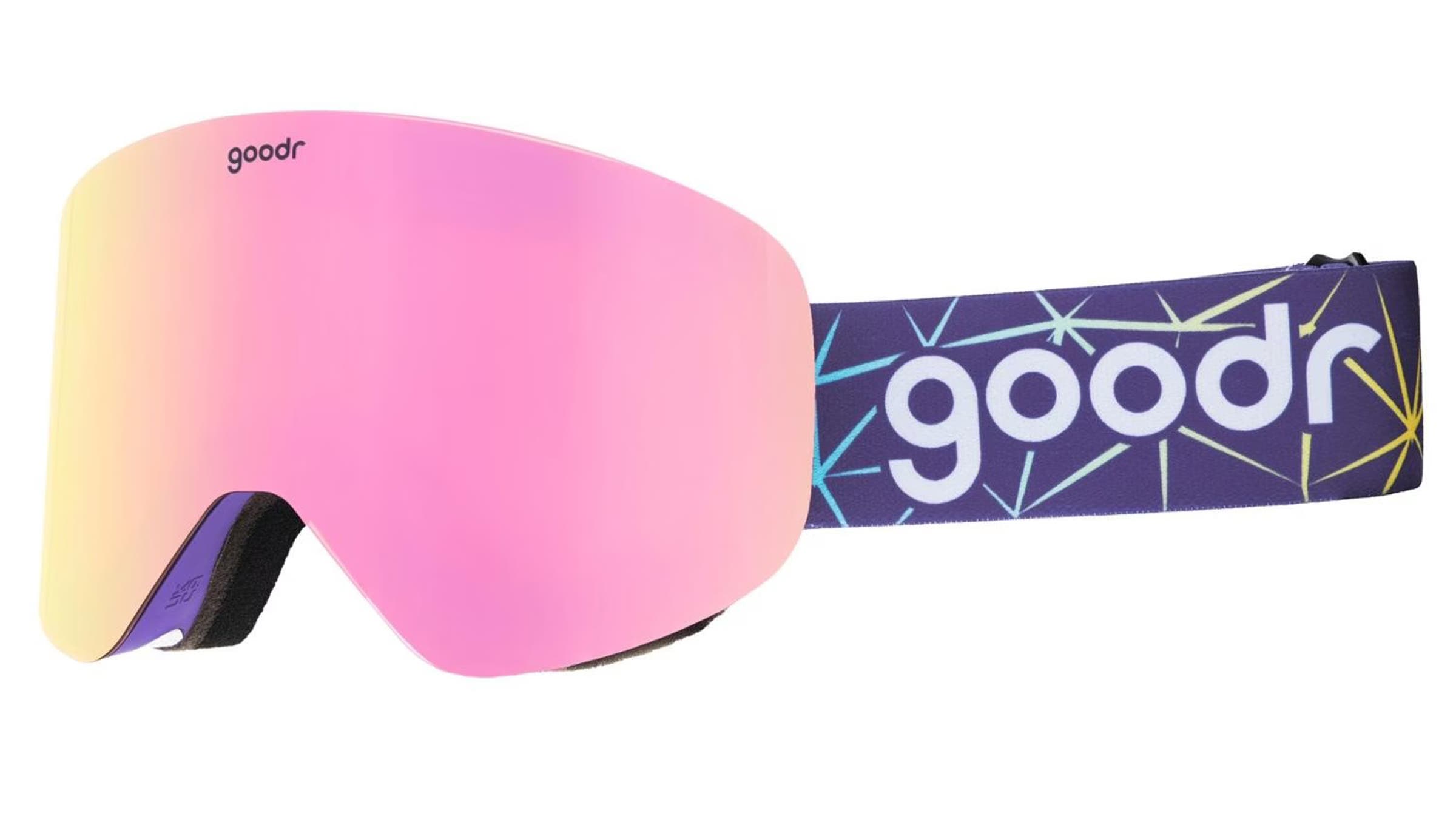
Best Overall: Goodr Snow G
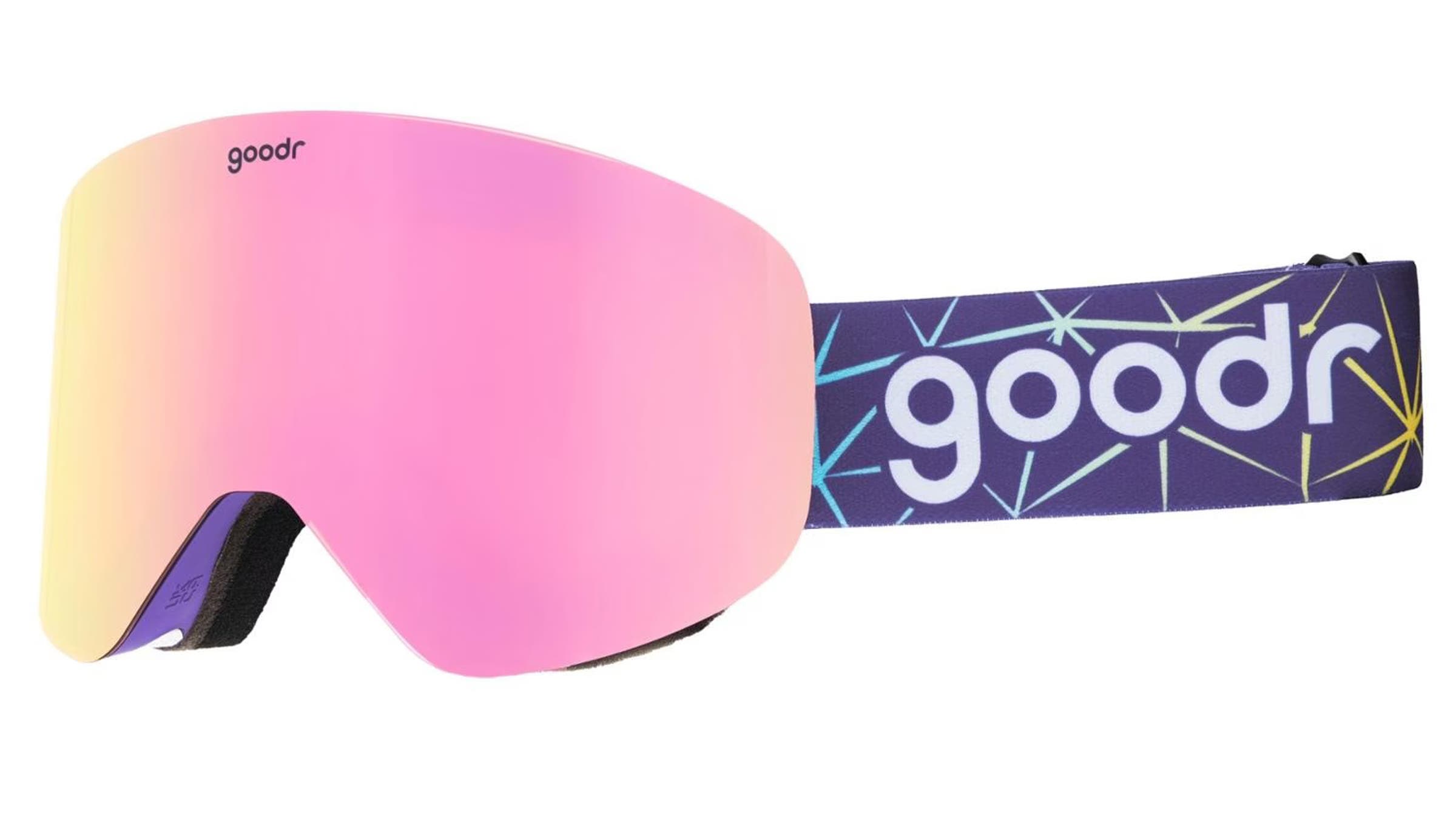
Fit: Medium
Lens Shape: Cylindrical
Pros:
- Magnetic lens swap system for quick and easy adjustments.
- Includes a bonus lens, offering versatility for varying light conditions.
- Comes with both soft and hard protective cases.
Cons:
- Testers with smaller facial structures found the fit to be slightly too large.
The Goodr Snow G has redefined expectations for budget ski goggles. The integration of a magnetic lens swap system, a feature typically found in much pricier models, is a standout element. Goodr, a brand known for delivering stylish and affordable eyewear, has successfully translated this philosophy to the ski goggle market. The Snow G goggles are available in three distinct colorways and lens tints, each with playful names like "Apres All Day," "Bunny Slope Dropout," and "Here for the Hot Toddies." However, the goggle’s true appeal lies in its exceptional optics and a competitive $75 price tag. Testers were consistently impressed by the clarity and contrast provided by the lenses, finding them to be on par with goggles costing significantly more. The inclusion of a grippy silicone strap further enhances the goggle’s appeal, ensuring it remains securely in place on a helmet throughout the day.
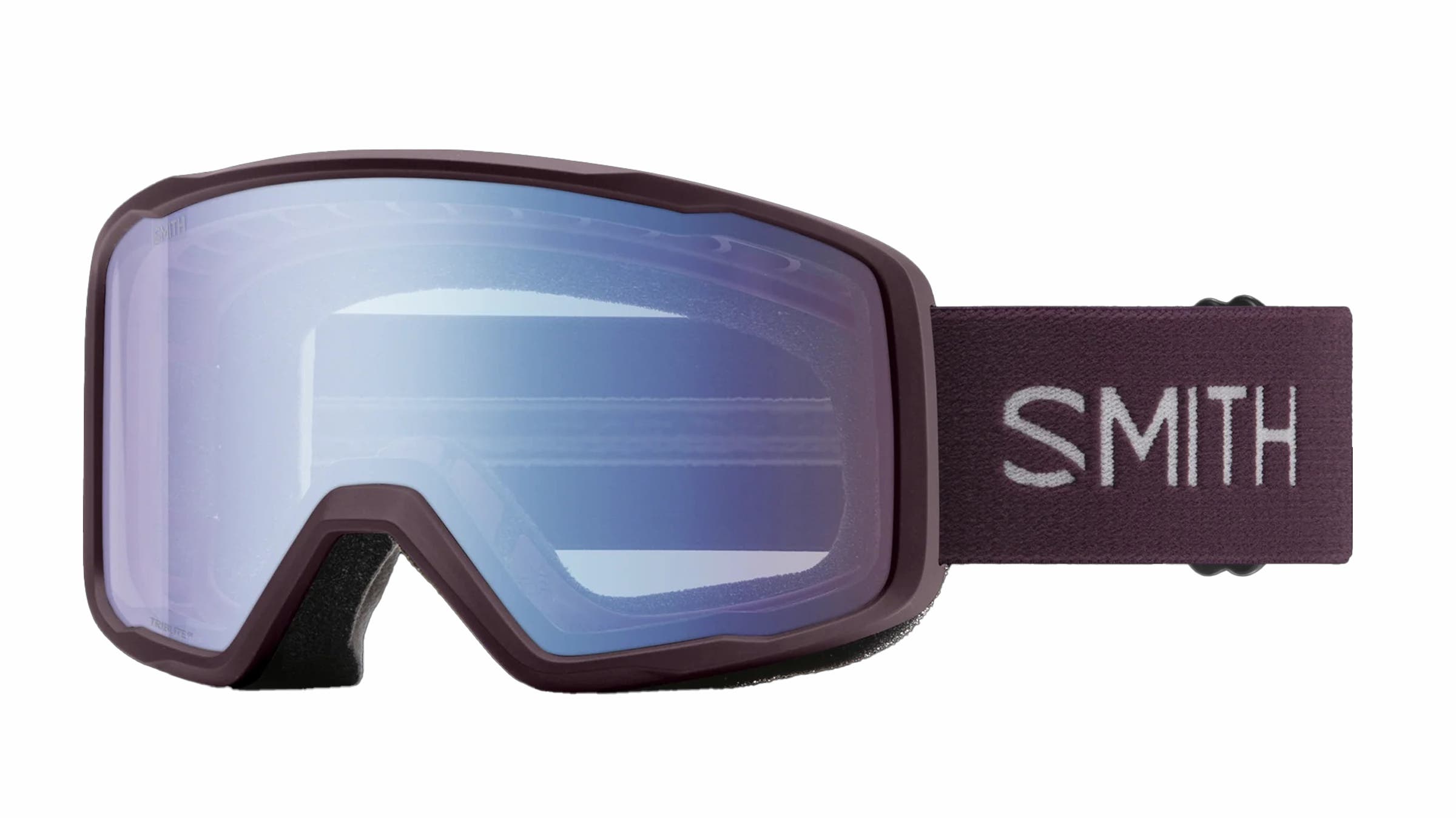
Best Value: Smith Tribute
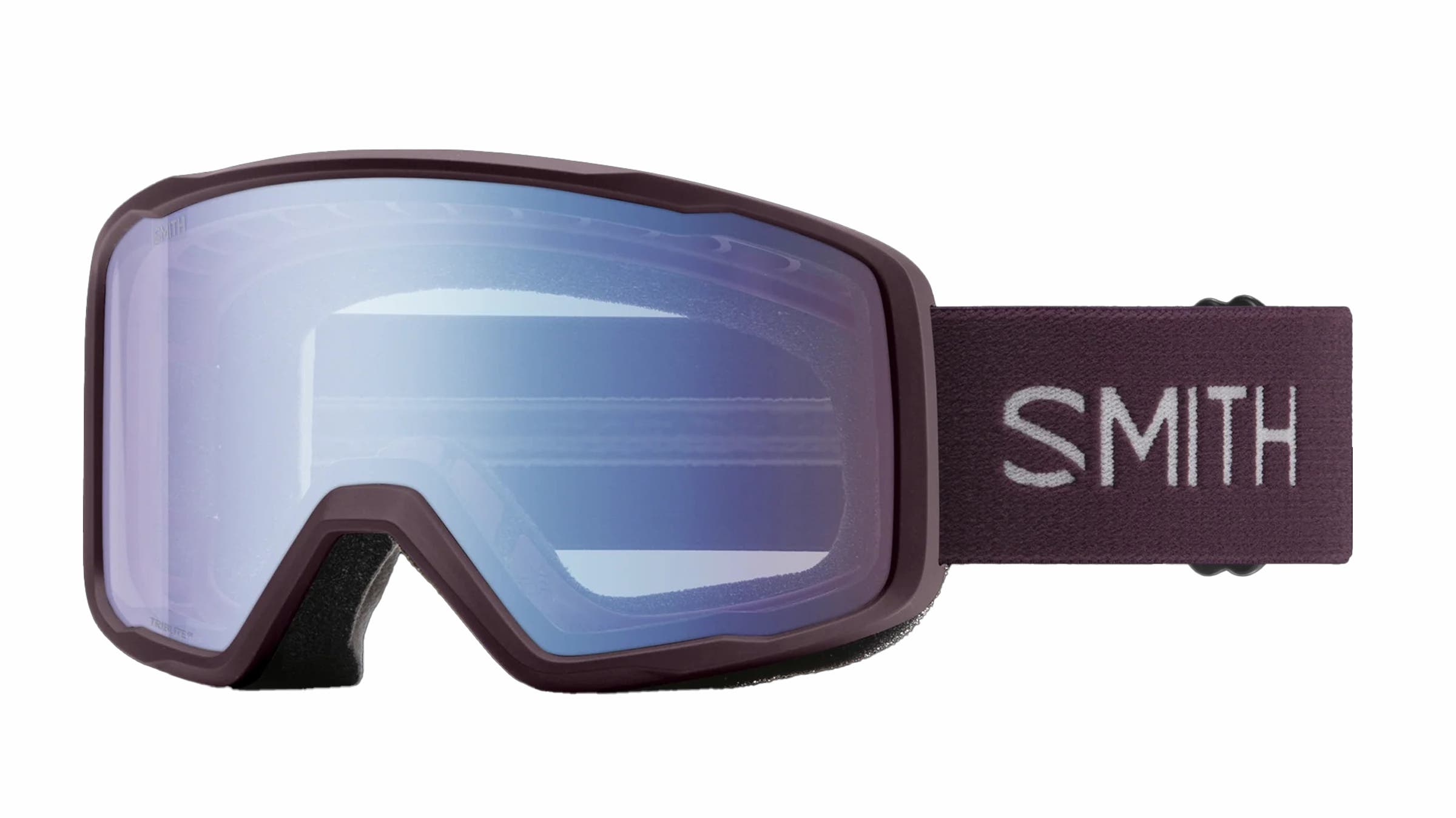
Fit: Small
Lens Shape: Cylindrical
Pros:
- Extremely affordable price point.
- Features a robust anti-fog treatment for clear vision.
- Lens is interchangeable, though an extra lens is not included.
Cons:
- The smaller frame size was found to be limiting for many testers.
The Smith Tribute goggles offer remarkable value, often costing less than a single meal at a popular ski resort. These low-profile goggles are best suited for individuals with smaller faces, yet they provide an expansive field of view. During testing at Jackson Hole Mountain Resort in Wyoming, the anti-fog treatment on the inner lens proved highly effective, maintaining crystal-clear vision through challenging storm conditions. The dual-layer face foam offered sustained comfort throughout a full day of skiing, and the silicone-backed strap ensured a secure, non-slip fit, even during dynamic maneuvers through moguls. While the Tribute does not come with a second lens, the lens is easily removable via buttons integrated into the frame, allowing for aftermarket swaps. For sunny conditions, the tested Red Sol-X Mirror lens was effective, but for variable or low-light situations, a more versatile option like the RC36 lens is recommended.
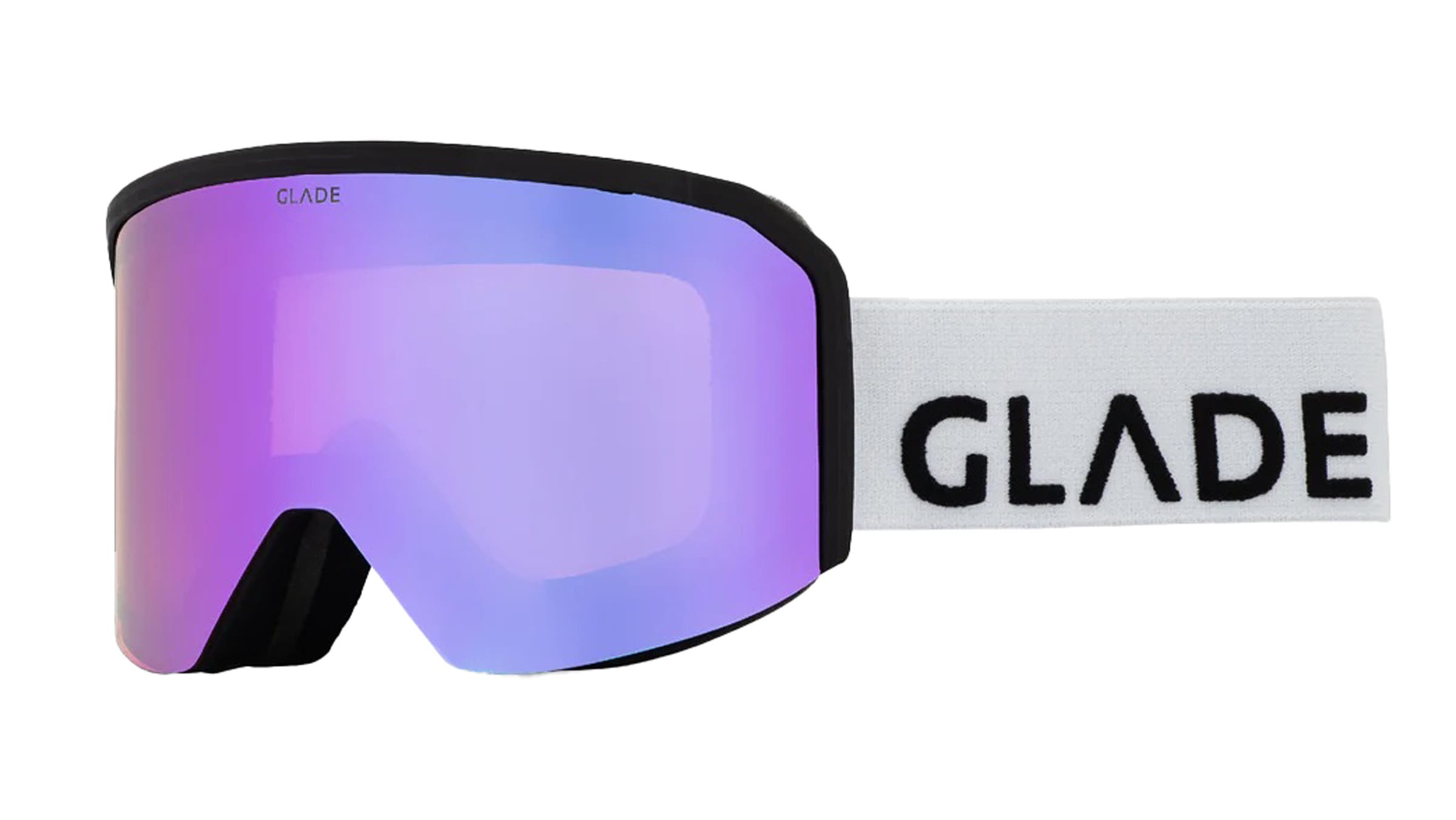
Most Versatile: Glade Mesa
Fit: Medium
Lens Shape: Cylindrical
Pros:
- Medium frame size offers a comfortable fit for a wide range of users.
- Interchangeable lens system provides excellent adaptability for various conditions.
Cons:
- Represents the higher end of the price spectrum within this category.
- Lens swapping requires a degree of manual dexterity.
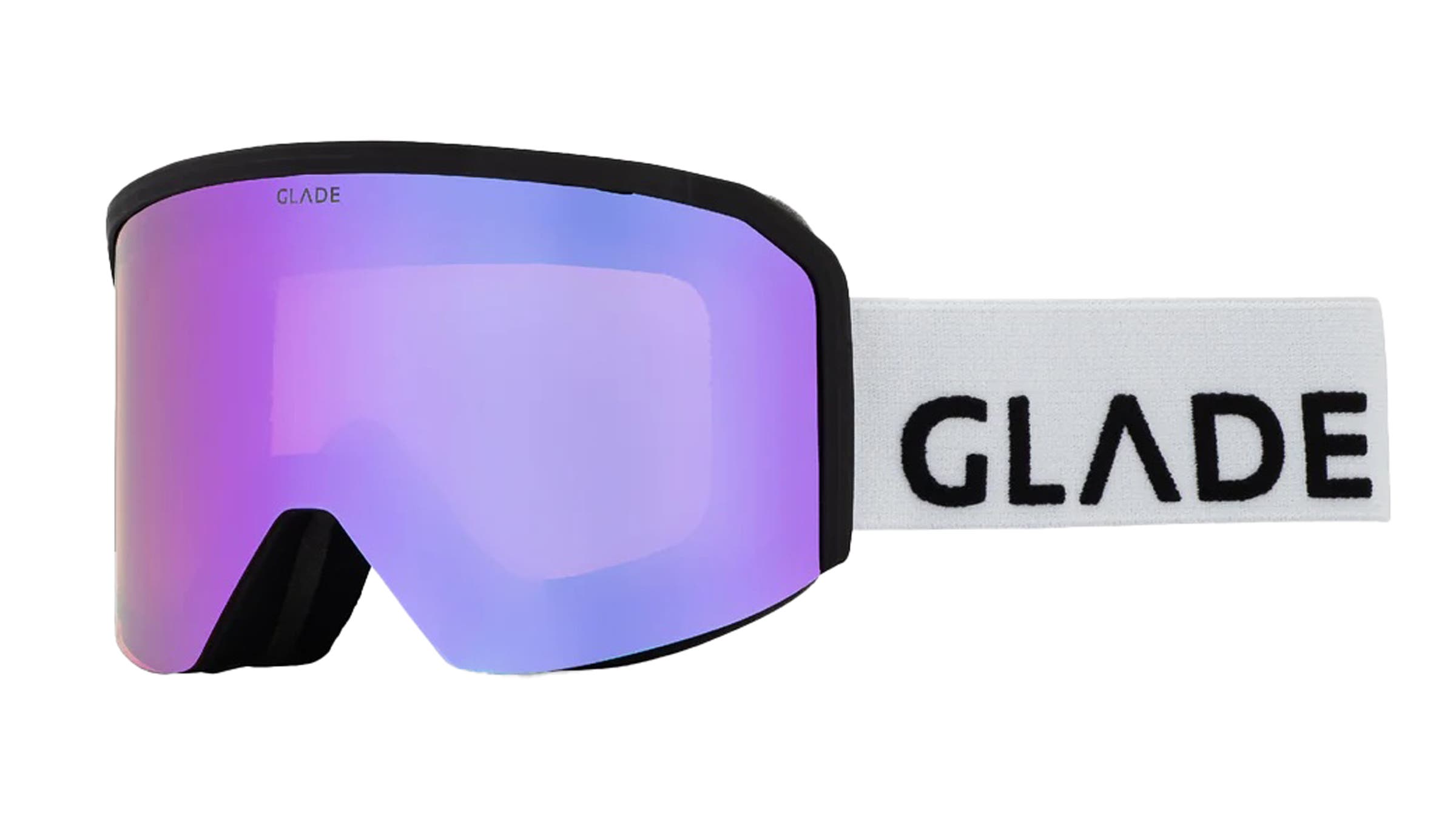
The Glade Mesa, priced just under the $100 mark, is a standout budget goggle that competes effectively with more expensive models. A significant advantage is the inclusion of a spare low-light lens, a feature rarely found in goggles priced below $100. The goggle’s active ventilation system proved instrumental in preventing fogging, even during warm gondola rides and in wet weather conditions. The medium sizing was found to be highly adaptable, accommodating both larger and smaller facial structures. While the button system for lens swapping is not as seamless as magnetic alternatives, it is a minor compromise given the goggle’s overall value. The Mesa is available in a diverse array of lens colors, allowing users to select tints optimized for their specific local climate and typical riding conditions.
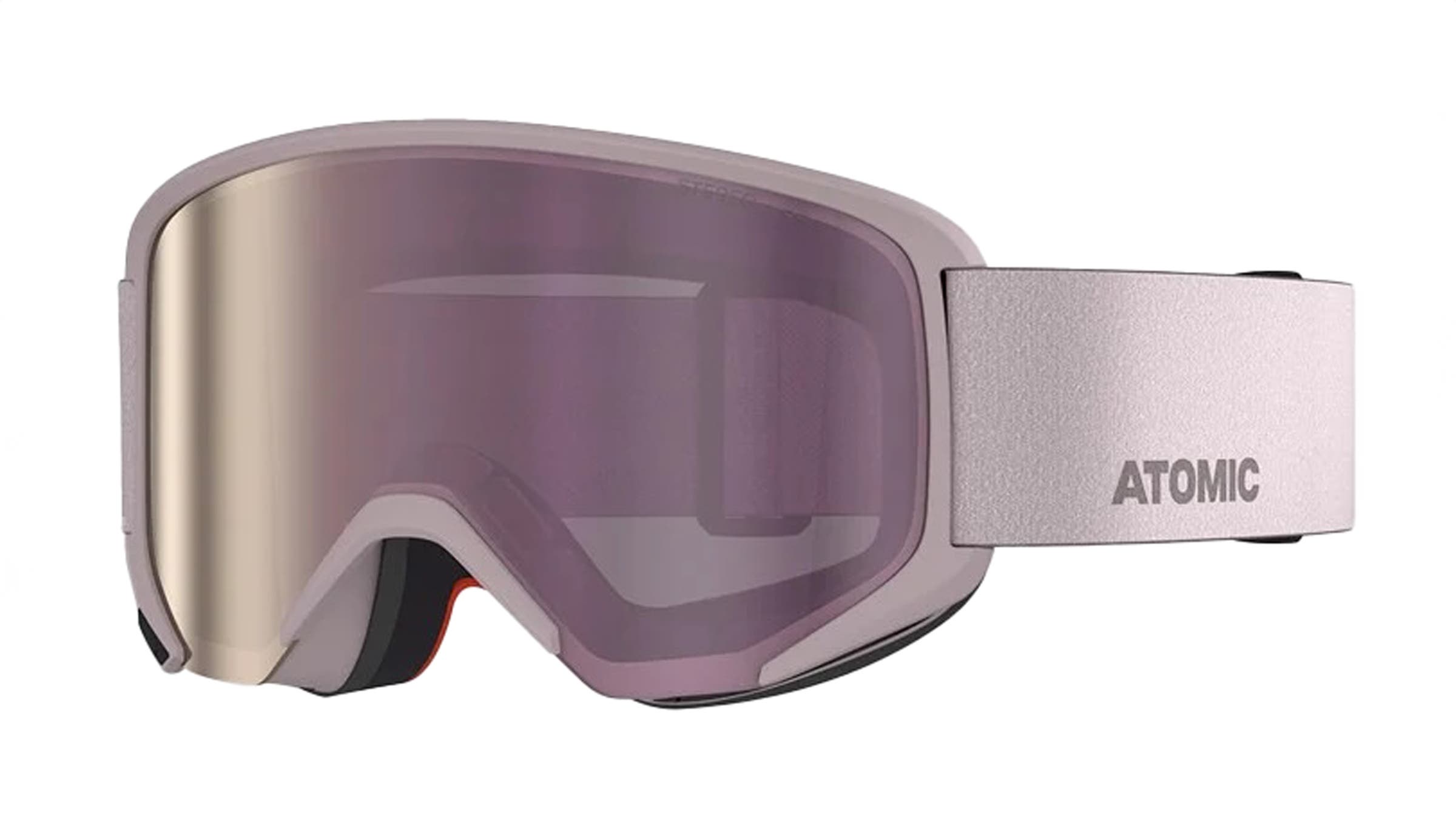
Best Single Lens: Atomic Savor M
Fit: Small/Medium
Lens Shape: Cylindrical
Pros:
- Effective venting system, particularly beneficial during stormy conditions.
- Comfortable face foam provides a pleasant feel against the skin.
Cons:
- The smaller frame may not provide an adequate fit for individuals with larger faces.
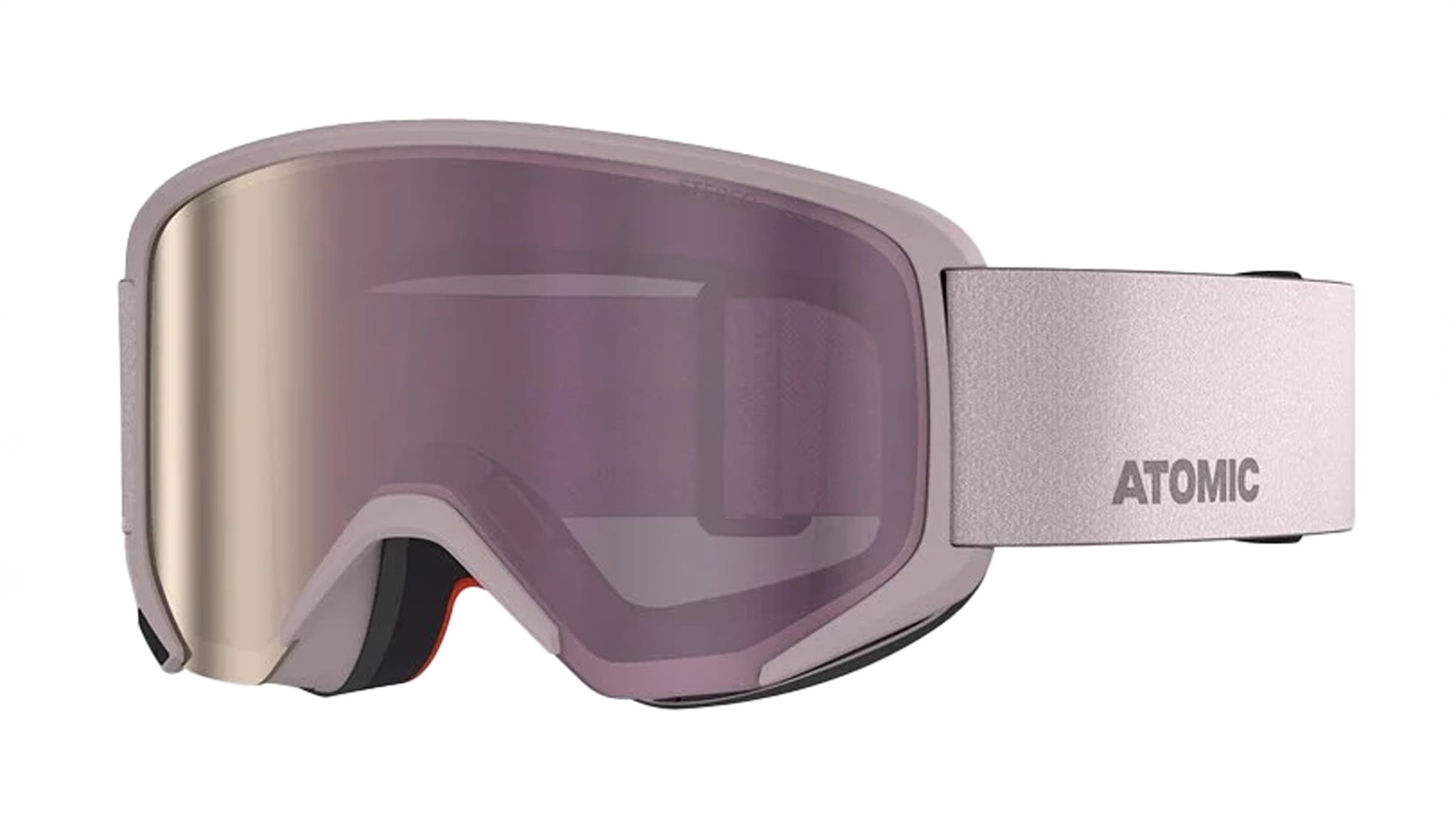
The Atomic Savor M, a scaled-down iteration of Scott’s popular Shield goggles, demonstrates impressive performance on the mountain. It offers a comfortable fit and a surprisingly wide field of view for its compact design. While not recommended for those with larger facial structures, the goggle’s cylindrical lenses maximize sightlines, contributing to strong overall visibility. The plush, two-layer face foam was a consistent point of praise among testers, ensuring comfort over extended periods. The thick, silicone-backed strap remained secure and integrated seamlessly with various helmet models. The tested AMP black chrome S3 lenses were ideal for bright, sunny days. For those seeking greater versatility, the S2 lens option is recommended for its ability to adapt to changing light conditions. With 18 available color and lens combinations, the Savor M offers considerable customization.
Best Field of View: Salomon S/View 3 ML
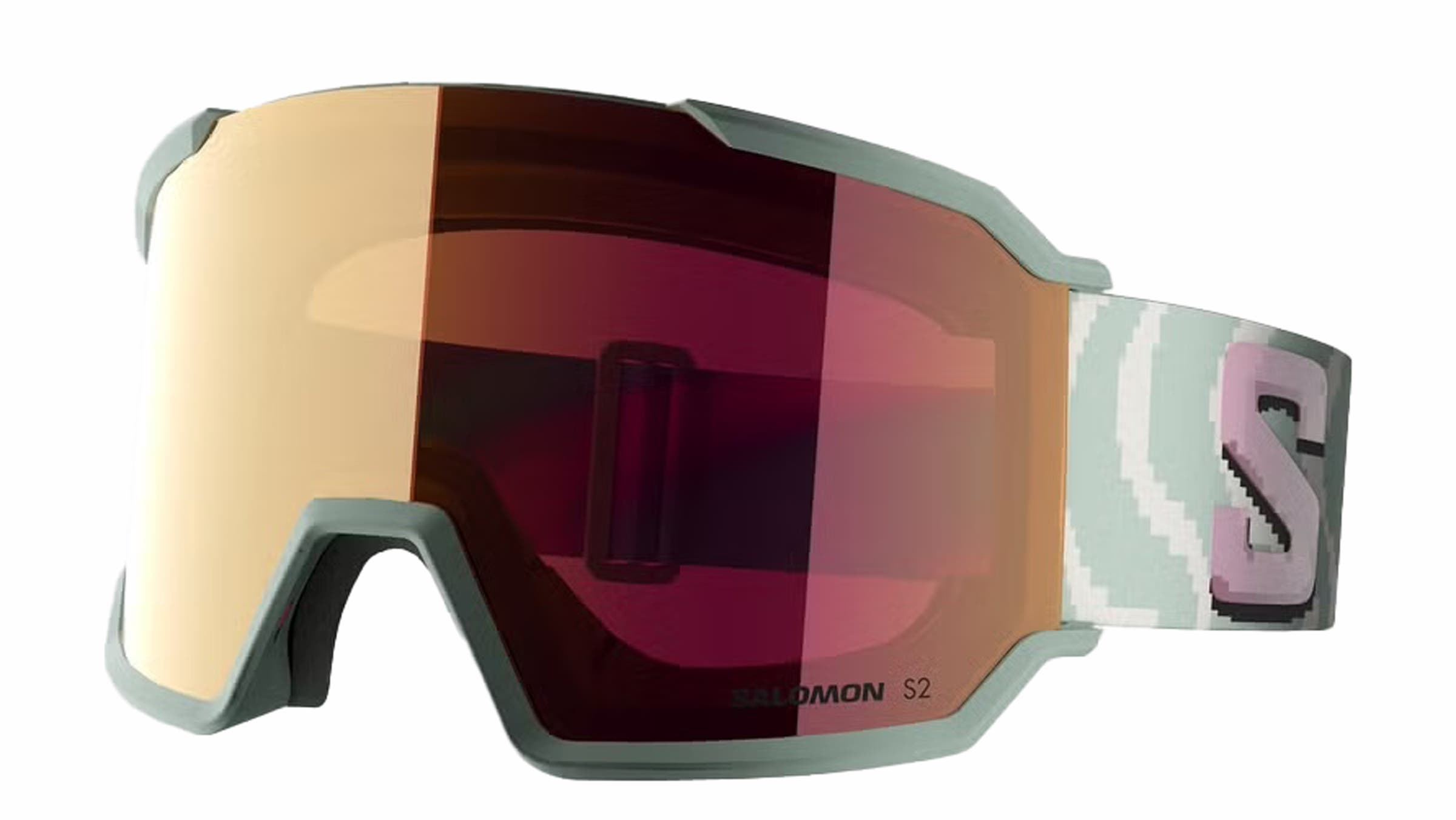
Fit: Medium
Lens Shape: Cylindrical
Pros:
- Provides an exceptionally large field of view for its price point.
- The medium frame is designed to accommodate most face shapes.
- Features a distinctive and stylish strap design.
Cons:
- The included lens may not be sufficiently dark for extremely bright, sunny conditions.
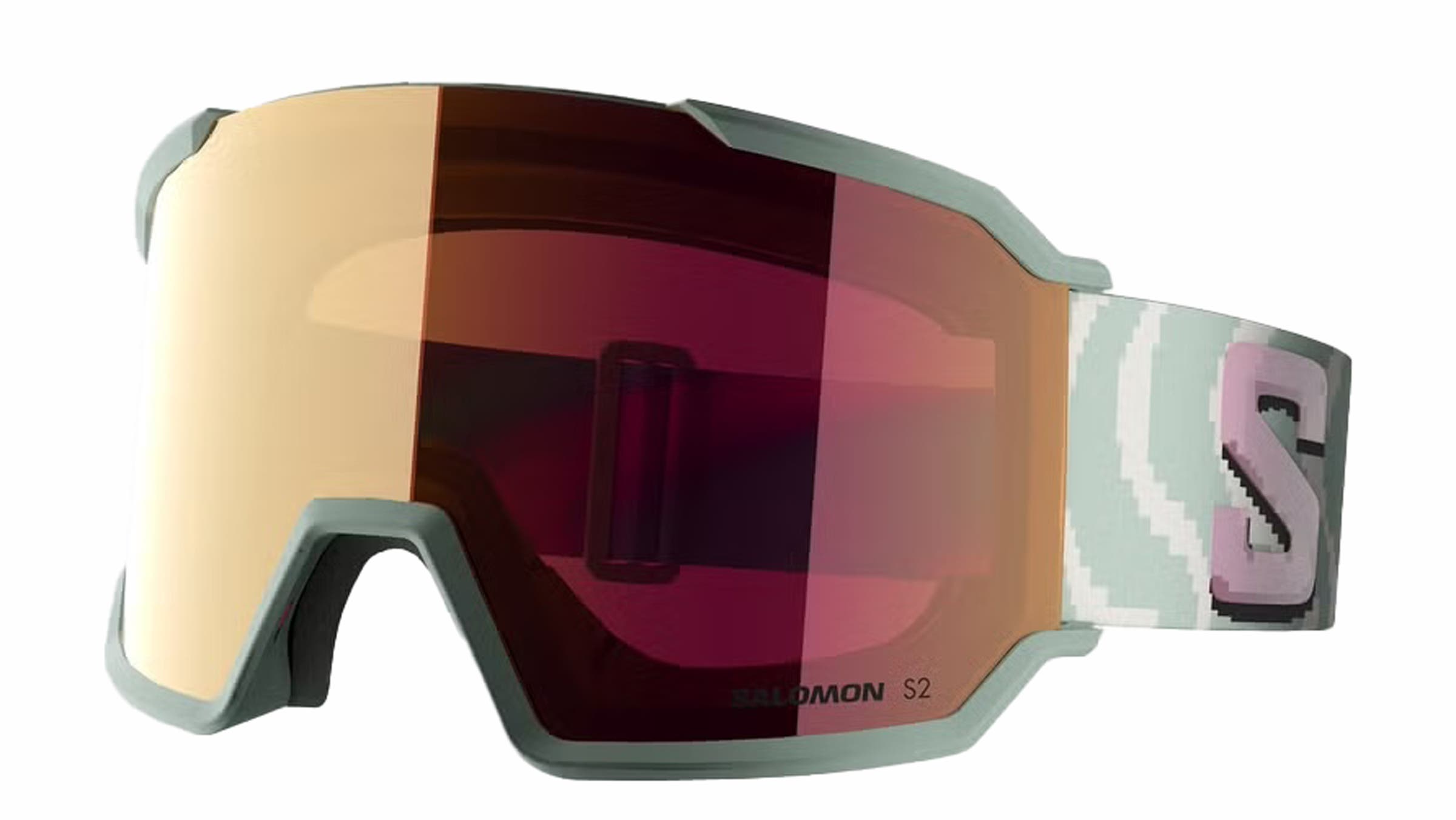
The Salomon S/View 3 ML goggles present a compelling case for budget-friendly eyewear, offering features that belie their sub-$100 price tag. Unlike many budget goggles that tend to have smaller frames and restricted fields of view, the S/View 3 ML utilizes a semi-frameless design that enhances its perceived width, offering a broader perspective than many medium-fit goggles in its class. The triple-layer face foam provided a snug and comfortable fit throughout the testing period, and the multi-layer lens delivered clear vision with effective fog resistance, even in inclement weather. The primary limitation noted was that the included lens lacked the tint necessary for optimal performance on exceptionally sunny, bluebird days.
Best for Small Faces: Scott Goggle Factor Pro
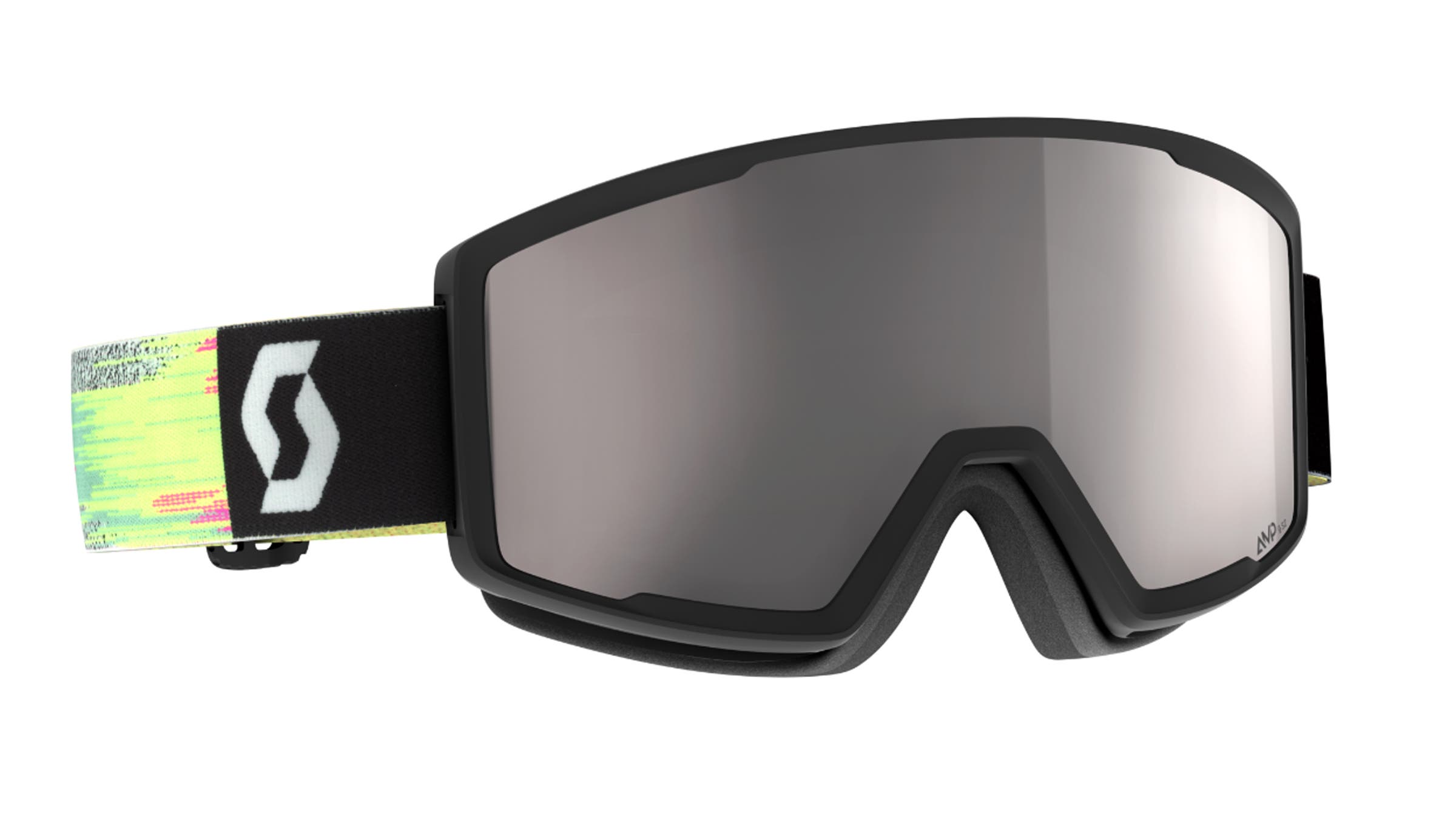
Fit: Small/Medium
Lens Shape: Cylindrical
Pros:
- Excellent venting capabilities, proving beneficial in stormy conditions.
- Face foam is designed for maximum comfort.
Cons:
- The compact frame may not be suitable for individuals with larger facial structures.
The Scott Goggle Factor Pro, a derivative of Scott’s well-regarded Shield goggles, performs admirably on the slopes, offering a comfortable fit and an impressive field of view. While its compact frame might not be ideal for those with larger faces, it still delivers strong visibility due to its cylindrical lenses that maximize sightlines. The plush two-layer face foam received high marks for comfort during prolonged use, and the robust, silicone-backed strap ensured a secure fit that integrated seamlessly with a variety of helmets. The tested AMP black chrome S3 lenses were perfectly suited for bluebird conditions, but the S2 lens is recommended for those seeking enhanced versatility across different light levels. The Factor Pro is available in a wide array of 18 color and lens options, providing ample choice for personalization.
Best for Women: Giro Moxie
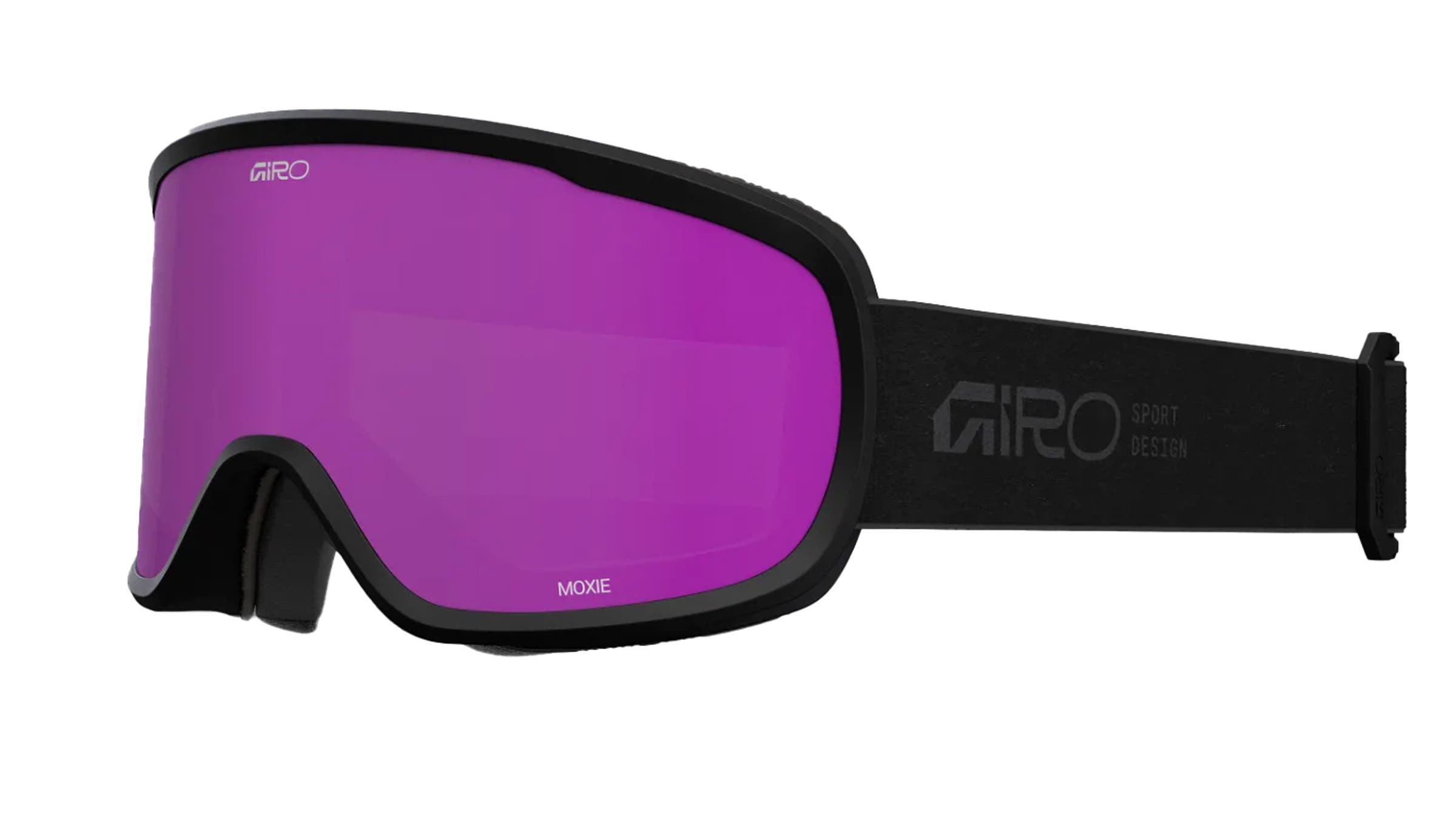
Fit: Small/Medium
Lens Shape: Spherical
Pros:
- Offers excellent peripheral vision despite its small frame.
- Includes a bonus lens and an easy-to-use swapping system.
Cons:
- The small frame size may not accommodate larger faces.
The Giro Moxie goggles are a strong contender for women or individuals with smaller facial structures, incorporating much of the advanced technology found in Giro’s premium goggle lines. This includes Giro’s Expansion View (EXV) Technology, which enhances peripheral vision by minimizing frame edges. A crucial anti-fog coating is also integrated, ensuring clear vision during inclement weather. While not a prerequisite, the over-the-glasses (OTG) design of the Moxie adds interior volume, making it suitable for skiers who wear prescription eyewear. For those who do not wear glasses, this extra space simply allows for improved airflow. The tested Amber S2 lens is well-suited for mixed sun and cloud conditions, and the goggle also comes with a bonus S1 low-light lens that can be easily swapped for night skiing or heavy snowfall.
How We Test Ski Goggles
The testing process for these budget ski goggles took place during an early season in the Teton mountain range, a region renowned for its diverse and rapidly changing weather conditions. This environment provided an ideal testing ground, exposing the goggles to everything from crisp, sunny bluebird days to significant snowstorms and unseasonable rain. We evaluated 12 different models at Jackson Hole Mountain Resort in Wyoming and on Teton Pass, meticulously tracking lens performance across a wide spectrum of temperatures.
Beyond optical performance, long-term comfort was a critical factor. Testers paid close attention to the feel of the face foam after hours of wear and assessed how seamlessly each goggle integrated with various helmet designs. For goggles featuring interchangeable lenses, the ease and speed of swapping lenses in mid-day conditions were also rigorously evaluated. This multi-faceted approach ensured that our recommendations reflect true on-mountain performance and user experience.
How to Choose the Right Ski Goggles
Frame Size and Fit
The paramount consideration when selecting ski goggles is fit. While advanced lens technology is beneficial, it becomes irrelevant if the goggles do not create a proper seal against the face, allowing for fog ingress and discomfort. When possible, trying goggles on in person is highly recommended to determine the best frame size – small, medium, or large – for your unique facial structure. Crucially, ensure that the chosen goggles are compatible with your ski helmet. A seamless integration between the helmet and goggles not only enhances comfort but also significantly reduces the likelihood of fogging.
Lens Shape
When shopping for ski goggles, users will typically encounter two primary lens shapes: spherical and cylindrical. Both are commonly found in the budget category and come with distinct advantages and disadvantages.
- Spherical lenses are designed with a curvature that mimics the shape of the human eye, offering a wider field of view and reducing optical distortion. This design often leads to a more panoramic perspective on the mountain.
- Cylindrical lenses are flatter and have a more uniform curvature. While they may offer a slightly more limited field of view compared to spherical lenses, they are often more affordable to produce and can still provide excellent optical clarity.
Lens Tint and Light Transmission
The tint of a ski goggle’s lens plays a crucial role in visual performance across different weather conditions. For budget ski goggles under $100, which often do not include interchangeable lenses, selecting the appropriate tint for your typical skiing environment is essential.
- Darker tints (e.g., grey, black, dark brown) are designed for bright, sunny days, reducing glare and eye strain by limiting the amount of visible light that reaches the eyes.
- Lighter tints (e.g., yellow, clear, light orange) are ideal for flat light, overcast skies, and stormy conditions. These tints enhance contrast, making it easier to discern terrain features in low visibility.
- Mid-range tints (e.g., rose, amber, red) offer a balance and can perform well in a variety of conditions, from partly cloudy to moderate sun. They are often considered versatile all-around choices for skiers who encounter mixed weather.
For those who ski in highly variable conditions, a versatile mid-range tint can be a prudent choice.
The Difference Between Budget and Expensive Ski Goggles
The most significant distinctions between budget and premium ski goggles typically lie in their lens technology and frame construction. While all reputable goggles, regardless of price, should offer full UV protection, more expensive models often incorporate advanced features that are less common in the sub-$100 category.
One of the primary differentiators is the availability of interchangeable lenses. High-end goggles frequently come with systems that allow for quick and easy lens swapping, enabling skiers to adapt to rapidly changing light conditions without needing multiple pairs of goggles. Similarly, photochromic lenses, which automatically adjust their tint based on UV exposure, are largely absent from budget offerings.
Budget goggles may also feature slightly smaller frames, which can result in a more restricted field of view compared to their premium counterparts. The durability of the lens materials and the sophistication of anti-scratch coatings can also vary. Less expensive lenses may be more susceptible to scratches if not handled with proper care. However, with diligent maintenance – such as storing goggles in their protective microfiber bags and handling them cautiously – most budget ski goggles can provide reliable performance for many seasons, offering substantial savings over time. The ongoing innovation in materials and manufacturing processes has democratized access to quality ski goggle technology, making a great day on the mountain more affordable than ever.
