

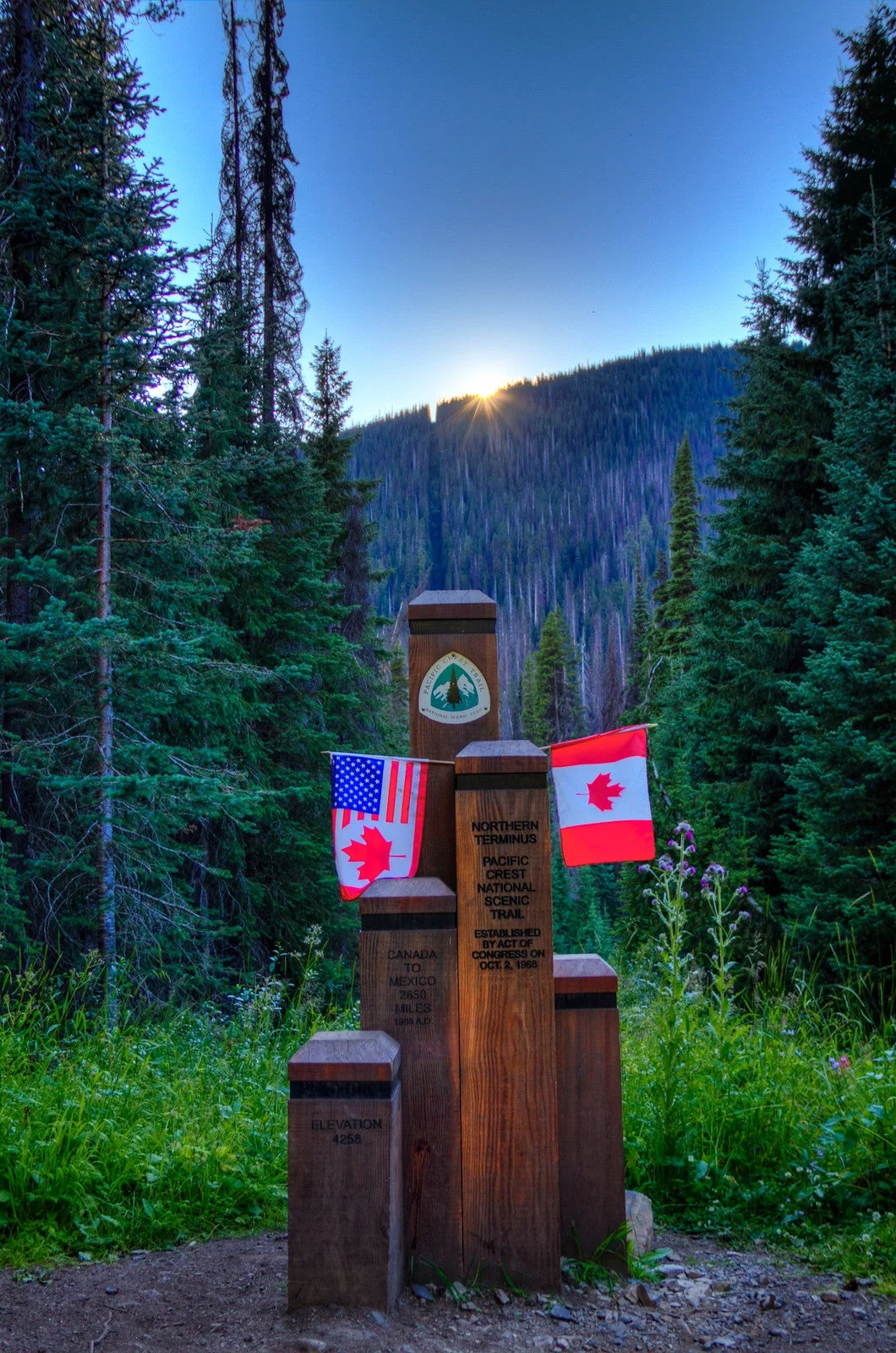
The iconic wooden monument marking the Canadian border, the ultimate goal for hundreds of northbound Pacific Crest Trail (PCT) thru-hikers, has become an unreachable sanctuary this season. A surge of wildfire activity in northern Washington has precipitated emergency closures along the final, critical stretch of the 2,650-mile trail, leaving thousands of miles of arduous trekking culminating in an unexpected and heartbreaking roadblock for many. Hikers who have dedicated months to conquering the demanding terrain are now mere miles from their finish line, only to be confronted by impassable fire zones.
The Ptarmigan Fire and Its Dire Impact on the Finish Line
The primary culprit behind this abrupt halt to the hiking season in the northernmost section of the PCT is the Ptarmigan Fire, a significant lightning-ignited blaze that has rapidly expanded within the Pasayten Wilderness. This perilous development has compelled both the Pacific Crest Trail Association (PCTA) and the U.S. Forest Service to issue immediate and stringent closure orders. The affected segment of the trail now encompasses the route from Methow Pass northward to the Canadian border. This closure has had cascading effects, impacting critical access points such as Harts Pass, which has necessitated evacuation orders.
Fire crews are actively engaged in a challenging operation, sweeping trailheads and remote backcountry areas to ensure that all hikers are safely removed from the path of danger. The conditions in the high-elevation wilderness are described as extremely hazardous, characterized by dense, pervasive smoke, a complete lack of containment on the Ptarmigan Fire, and unpredictable wind patterns that can exacerbate fire spread and create volatile conditions. These factors render the region unequivocally unsafe for any form of travel, including the dedicated efforts of thru-hikers.
The U.S. Forest Service, in its official pronouncements regarding the closure, has emphasized the paramount importance of public safety. The agency has cited the "unprecedented wildfire activity" and the "extreme fire behavior" observed in recent weeks as the driving forces behind these difficult decisions. The Pasayten Wilderness, known for its remote and rugged terrain, presents significant challenges for both fire suppression efforts and hiker evacuation, underscoring the necessity of proactive closures to prevent potential tragedies.

Wildfires Reshape the Entire 2,650-Mile Journey: A Season of Adaptation
The current shutdown in northern Washington is not an isolated incident but rather the latest chapter in a summer marked by widespread wildfire impacts across the entire PCT corridor. Throughout the warmer months, active fires in California, Oregon, and Washington have repeatedly forced hikers to deviate from their meticulously planned routes. These disruptions have necessitated constant adaptation, with backpackers facing a continuous barrage of air quality advisories, mandatory detour routes, and "highway skips" – extended periods of road walking or reliance on vehicle shuttles to bypass impassable or unsafe sections.
The nature of long-distance hiking inherently demands a high degree of flexibility and resilience. However, the persistent presence of wildfire smoke and the ever-shifting perimeters of active fires have introduced a new level of fatigue and uncertainty into the modern thru-hiking experience. What was once envisioned as a seamless immersion in wilderness for five months is increasingly becoming a complex logistical puzzle, requiring hikers to navigate a labyrinth of road walks, alternative transportation, and the emotional toll of unforeseen obstacles.
Data from the PCTA reveals a concerning trend. In recent years, wildfire closures have become a more frequent and extensive feature of the PCT hiking season. For instance, in 2020, a record-breaking wildfire season led to significant closures throughout Washington and Oregon, forcing many hikers to abandon their attempts. The current season, while still unfolding, is showing similar patterns, with wildfire activity beginning earlier and exhibiting greater intensity in many regions. This persistent environmental challenge is reshaping the very definition of a PCT thru-hike, transforming it from a linear journey through nature into an adaptive expedition through a dynamic and often hazardous landscape.
The economic implications for communities that rely on PCT hikers for tourism are also significant. Trail towns, which often depend on the influx of hikers for their businesses, are experiencing reduced foot traffic and revenue when trail sections are closed. This economic disruption adds another layer of complexity to the challenges posed by the wildfires.
A Heavy Blow to Hiker Spirits: The Emotional Toll of an Unfinished Journey
For the hikers currently on the trail, particularly those aiming to complete their journey in the current season, the closure at the northern terminus represents a profound disappointment. These individuals have invested immense physical and mental fortitude, enduring desert heat, navigating treacherous Sierra Nevada passes, and ascending steep Cascade ridges, all with the singular goal of reaching Monument 78. To be stopped just thirty miles shy of this ultimate achievement can leave many feeling a deep sense of being cheated of a proper, earned finish.

The act of pushing one’s physical and mental limits on such an epic undertaking fosters a profound connection to the land. The sweat, the challenges overcome, and the countless memories forged over thousands of miles create an indelible bond between the hiker and the wilderness. The inability to complete those final miles, while not negating the discipline, effort, and experiences gained, undeniably casts a shadow over the accomplishment. It is a stark reminder that nature, in its rawest form, ultimately dictates the terms of these journeys.
Social media platforms and online hiker forums are abuzz with expressions of frustration, sadness, and solidarity. Many hikers are sharing their stories of being turned back, their dreams of a celebratory photo at the border dashed. There is a palpable sense of shared experience among those facing this particular setback, with many offering support and encouragement to one another. The camaraderie forged on the trail often extends to these difficult moments, as hikers lean on each other for emotional resilience.
Some hikers are exploring alternative options, such as attempting to hike the trail in reverse from the Canadian border for a portion of the closed section, or planning to return in future years to complete the final miles. However, for many, the current attempt represents a unique window of opportunity, making such alternatives less than ideal.
Staying Safe in the Backcountry: Essential Protocols Amidst Fire Threats
In the face of deteriorating fire conditions in remote wilderness areas, safety must remain the absolute priority for all backcountry users. Hikers currently in or planning to enter northern Washington are urged to adhere strictly to all official warnings and guidance.
Key safety protocols include:

- Heeding All Official Closures and Advisories: Immediately cease travel on any trail segment marked as closed due to wildfire activity. This includes adhering to evacuation orders for areas like Harts Pass.
- Monitoring Fire Information: Stay informed about the latest fire updates from official sources such as the U.S. Forest Service, the PCTA, and local emergency management agencies. Websites like InciWeb and the National Interagency Fire Center are crucial resources.
- Assessing Air Quality: Pay close attention to air quality reports. Smoke from wildfires can pose significant health risks, particularly for individuals with respiratory conditions. If air quality is poor, consider postponing or altering travel plans.
- Evacuating Immediately When Necessary: If instructed to evacuate, do so without delay. Prioritize personal safety and follow the guidance of emergency personnel.
- Informing Others of Your Plans: Ensure that someone outside the wilderness has your itinerary and expected check-in times. This is crucial for search and rescue operations if needed.
- Being Prepared for Changes: Wildfire situations are dynamic and can change rapidly. Be prepared to adjust your plans at a moment’s notice based on evolving conditions.
- Understanding Trail Alternatives: Research potential detour routes or alternative transportation options in advance, but always confirm their safety and accessibility with official sources.
The PCTA, in collaboration with the Forest Service, is working to provide real-time updates and guidance to hikers. They emphasize that the decision to close trails is made with the utmost seriousness, prioritizing the safety of hikers, the protection of natural resources, and the well-being of the firefighters battling these blazes.
A Resilient Landscape and a Community’s Endurance
While the current situation is undoubtedly disheartening for many, it is important to remember the resilience of both the natural landscape and the PCT hiking community. The trail will undoubtedly recover from these fires, and the mountains will endure. The focus for hikers must now shift to celebrating the significant miles already completed, ensuring the safety of their trail companions, and demonstrating respect for the wilderness by honoring its closures.
The spirit of the Pacific Crest Trail is one of perseverance and connection. Even when the physical path is blocked, the journey’s lessons and the bonds formed remain. Hikers are encouraged to find solace in the experiences they have had and to look forward to future opportunities to complete their adventure. The PCT is more than just a trail; it is a testament to human endurance and the enduring allure of the wild, a spirit that will undoubtedly overcome these temporary, yet impactful, challenges. The shared experience of facing adversity on the trail, even when it means an unfinished journey, often forges bonds that last a lifetime, and this season’s wildfire challenges are proving to be no exception.
