

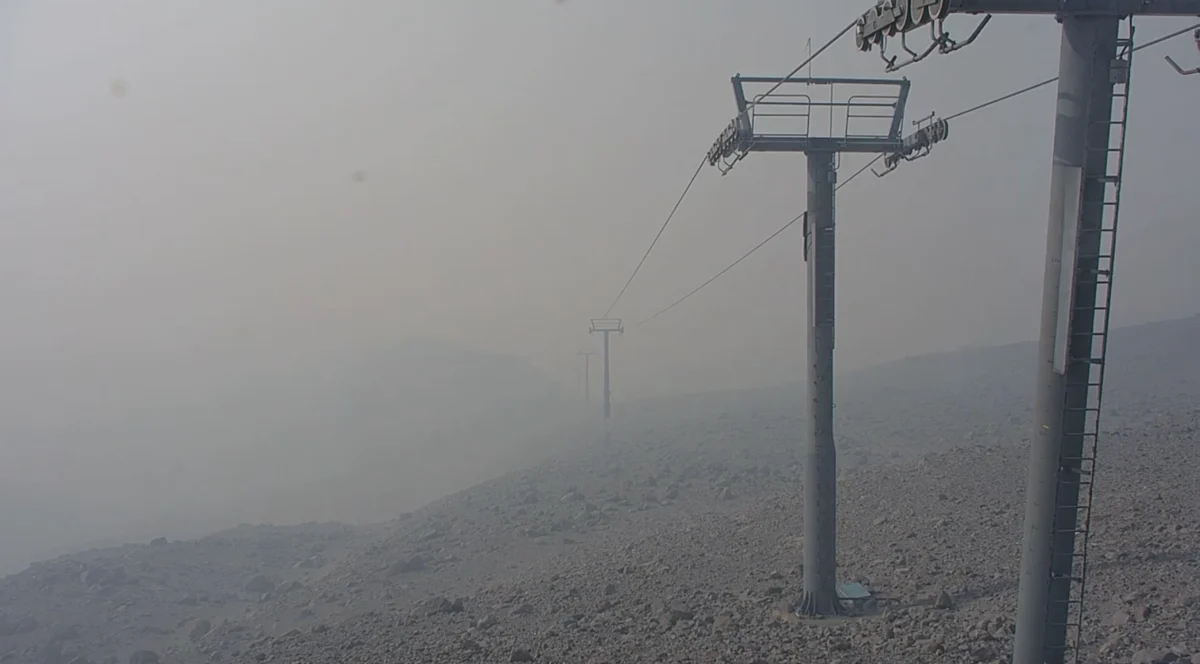
Wildfires burning intensely near Oregon’s majestic Mt. Hood have precipitated a critical emergency, leading to mandatory Level 3 "Go Now" evacuation orders for the prominent Mt. Hood Meadows ski resort and compelling the historic Timberline Lodge to suspend key operations due to severe smoke conditions. The Grasshopper Fire, ignited by lightning strikes in late July, has rapidly escalated, posing significant threats to both infrastructure and human safety in the beloved recreational corridor. The incident underscores the increasing vulnerability of the Pacific Northwest’s forested regions to wildfire events, particularly during prolonged periods of dry weather and strong winds that characterize the summer months.
Escalating Crisis: The Grasshopper Fire’s Advance
The genesis of the current crisis traces back to late July 2026, when a series of dry lightning storms swept across the rugged terrain east of Mt. Hood. One particular strike, in a remote and densely forested area, sparked what would soon be identified as the Grasshopper Fire. Initially monitored by fire crews, the blaze quickly gained momentum, fueled by parched vegetation and exacerbated by unseasonably strong easterly winds that pushed the fire’s front westward. By early August, the fire had grown substantially, estimated to encompass approximately 7,500 acres with only 15% containment, according to the Oregon Department of Forestry and the U.S. Forest Service Incident Management Team.
The rapid progression of the Grasshopper Fire towards critical infrastructure and populated zones triggered an immediate and coordinated response from multiple agencies. Firefighters from federal, state, and local departments converged on the area, deploying a mix of ground crews, aerial tankers, and helicopters. However, the challenging topography, dense fuel loads, and erratic wind patterns made containment efforts exceedingly difficult, forcing incident commanders to prioritize strategic defensive lines and the protection of lives and property.
Mandatory Evacuations at Mt. Hood Meadows
On the morning of August 6, 2026, as the Grasshopper Fire’s western flank intensified and began to threaten areas in closer proximity to the resort, the Hood River County Sheriff’s Office, in conjunction with other emergency services, issued Level 3 "Go Now" evacuation orders for the Elk Mountain zones. This critical designation signifies an immediate and urgent threat to life and property, requiring residents and visitors to leave the area without delay.
Mt. Hood Meadows, a premier ski and snowboard resort that transitions into a popular summer destination for hiking, scenic lift rides, and mountain biking, fell directly within this Level 3 zone. Resort management acted swiftly, immediately suspending all summer activities. Guests and non-essential personnel were instructed to evacuate the premises safely and efficiently. A spokesperson for Mt. Hood Meadows, Sarah Thompson, issued a statement, "The safety of our guests, staff, and the emergency personnel battling this fire is our absolute top priority. We have initiated a full evacuation of the resort and urge everyone to comply with the sheriff’s orders. It is crucial that the area remains clear to allow firefighters unimpeded access to establish defensive lines and continue their vital work." The resort also announced the temporary closure of its administrative offices and all on-mountain operations until further notice, emphasizing that any reopening would be contingent upon significant improvements in fire conditions and official clearance from authorities. The economic implications of such a closure, even temporary, are substantial for the resort and its hundreds of seasonal employees.
Timberline Lodge Grapples with Hazardous Smoke
While Timberline Lodge, another iconic Mt. Hood establishment renowned for its historic architecture and year-round skiing on the Palmer Snowfield, did not fall under direct evacuation orders, it has been severely impacted by the pervasive and hazardous smoke blanketing the region. As the Grasshopper Fire burned, strong air currents carried dense plumes of smoke across the Cascade Range, creating a significant deterioration in air quality.
Air Quality Index (AQI) readings in and around Government Camp and Timberline Lodge soared into the "Hazardous" category, frequently exceeding 300 micrograms per cubic meter for particulate matter (PM2.5). These levels pose severe health risks, particularly for vulnerable populations such as children, the elderly, and individuals with respiratory conditions. In response to these dangerous conditions, Timberline Lodge made the difficult decision to pause its outdoor operations. This included the popular bike park, scenic lift rides, and guided hiking tours.
"Our team has been closely monitoring the air quality, and with readings consistently in the hazardous range, we cannot, in good conscience, continue outdoor recreational activities," stated Mark Johnson, General Manager of Timberline Lodge. "The health and well-being of our guests and employees are paramount. While the lodge itself remains open for lodging and indoor dining, we advise guests to limit their outdoor exposure. We understand the disappointment for those planning to enjoy Mt. Hood’s summer offerings, but safety must come first." The suspension of these activities impacts a significant portion of Timberline’s summer revenue, which relies heavily on outdoor tourism. The lodge’s famous Palmer Snowfield, a training ground for Olympic athletes and a unique summer skiing destination, also saw operations affected by reduced visibility and safety concerns for lift operators and patrons.
Voices from the Front Lines and Management
The ongoing wildfire situation has elicited strong reactions and operational updates from various stakeholders. The U.S. Forest Service, managing the federal lands where the fire originated, provided a sobering assessment. "This is a highly dynamic fire," explained Incident Commander Captain Elena Rodriguez in a virtual press briefing. "The strong winds have been our biggest challenge, pushing the fire unpredictably. Our crews are working tirelessly, establishing fire breaks, conducting strategic backburns where safe, and protecting critical infrastructure. We’re prioritizing public and firefighter safety above all else." She emphasized the importance of public adherence to closure orders, stating that unauthorized entry into fire zones not only endangers individuals but also diverts critical resources from firefighting efforts.
Sheriff Alan Cooper of Hood River County underscored the gravity of the evacuation orders. "A Level 3 ‘Go Now’ means exactly that: leave immediately. These orders are not issued lightly; they reflect an imminent threat. We urge everyone in the affected Elk Mountain zones to comply without delay. Our deputies are assisting with evacuations and ensuring the safety of evacuated properties. We appreciate the community’s cooperation during this stressful time."

Resort management teams from both Mt. Hood Meadows and Timberline Lodge expressed their commitment to supporting emergency efforts and prioritizing safety. "This decision to halt operations and evacuate was made with heavy hearts but clear minds," said Thompson from Mt. Hood Meadows. "We are working hand-in-hand with the Forest Service and local authorities, providing any support we can, from access to facilities to logistical assistance. Our focus now is on the safety of everyone involved and preparing for a safe reopening when conditions allow."
Mt. Hood’s Summer Season in Peril: A Hub for Outdoor Enthusiasts
Mt. Hood is not merely a mountain; it is a vital recreational and cultural institution, particularly during the summer months. Known globally as the "North American summer Mecca" for freestyle skiers and snowboarders, its glaciers offer a unique opportunity for year-round training and recreation. Elite athletes, aspiring Olympians, and passionate enthusiasts flock to its slopes for glacier laps, park sessions, and specialized camps like High Cascade Snowboard Camp and Windells Academy, which are integral to the action sports community. The current closures and evacuations have brought this vibrant summer season to an abrupt halt, disrupting training schedules, tourism plans, and the livelihoods of many.
Beyond skiing and snowboarding, Mt. Hood’s extensive trail networks attract hikers, mountain bikers, and nature photographers from across the Pacific Northwest and beyond. The scenic beauty, diverse ecosystems, and challenging terrain make it a prime destination for outdoor adventure. The current fire activity, with its associated smoke and closures, has effectively grounded these activities, leaving trails deserted and outlooks obscured. This disruption impacts not only the individual recreationalists but also the numerous businesses that cater to them, from gear rental shops to guiding services.
Economic Ripple Effects and Community Concerns
The economic impact of the Grasshopper Fire and its associated closures extends far beyond the immediate confines of the resorts. The Mt. Hood Corridor, encompassing towns like Government Camp, Welches, and Zigzag, relies heavily on tourism revenue generated by both winter and summer visitors. Hotels, restaurants, retail shops, and local service providers experience a significant downturn in business when access is restricted and visitor numbers plummet. Seasonal workers, many of whom depend on the summer months for income, face uncertainty and potential job losses.
Local business owners voiced their anxieties. "This is a tough blow, coming right in the middle of our busiest season," remarked Maria Rodriguez, owner of a small cafe in Government Camp. "We understand the need for safety, but the economic ripple effect is immediate. We hope for a swift resolution and clear communication about when we can expect visitors to return." The cumulative effect of lost tourism dollars can have long-lasting consequences for these small, often family-owned businesses that form the backbone of the mountain community.
Furthermore, the threat of wildfire casts a shadow of anxiety over permanent residents. The memories of past devastating fires, such as the Eagle Creek Fire in the Columbia River Gorge in 2017, linger, reminding communities of the destructive power of these events and the potential for long-term ecological and community recovery challenges. The psychological toll of living under the constant threat of evacuation and breathing hazardous air should not be underestimated.
Understanding Wildfire Dynamics and Regional Context
The Grasshopper Fire is not an isolated incident but part of a broader trend of increasing wildfire frequency and intensity across Oregon and the Western United States. Years of drought, coupled with rising global temperatures attributed to climate change, have created ideal conditions for large, fast-moving fires. Forests, once resilient to natural fire cycles, are now often overgrown with dense underbrush due to decades of fire suppression policies, creating an abundance of "fuel load" that ignites easily and burns fiercely.
Oregon’s fire season typically peaks in late summer and early fall, driven by hot, dry weather and east winds. The current situation around Mt. Hood highlights the escalating challenge faced by fire management agencies. The incident management team for the Grasshopper Fire includes over 500 personnel, utilizing dozens of engines, hand crews, bulldozers, and multiple aircraft, underscoring the scale of resources required to combat modern wildfires. The cost of such operations runs into millions of dollars, funded by federal and state budgets. The state has also been investing in advanced fire detection technologies and community preparedness programs, but the sheer unpredictability and intensity of these fires often test the limits of these resources.
The Path Forward: Containment Efforts and Reopening Prospects
Firefighters continue their round-the-clock efforts to contain the active blazes across Oregon, including the Grasshopper Fire. Their strategies involve establishing containment lines, utilizing natural barriers, and conducting targeted burnout operations to remove fuel in the fire’s path. Weather patterns, particularly wind direction and potential for precipitation, remain critical factors that dictate the fire’s behavior and the effectiveness of suppression efforts.
Resort management teams are maintaining constant communication with incident command and local authorities, closely monitoring weather developments, containment progress, and air quality improvements. Future reopenings of Mt. Hood Meadows and the full resumption of outdoor activities at Timberline Lodge will depend entirely on several key conditions: a significant increase in fire containment, the lifting of evacuation orders by the Sheriff’s Office, a sustained improvement in air quality to safe levels, and a thorough safety assessment of the resort properties and surrounding areas. There is currently no firm timeline for a full return to normal operations, and officials emphasize that patience and continued vigilance are paramount.
Safety Advisory and Resources
For individuals planning to travel through the Mt. Hood Corridor or who have interests in the affected areas, it is imperative to exercise extreme caution and stay informed. Always consult official sources for the most up-to-date information. Check local Forest Service alerts and Watch Duty maps for real-time fire progression and closure information. The Hood River County Sheriff’s Office and the Oregon Department of Forestry websites also provide critical updates on evacuation levels and fire status. Always respect active closures and obey emergency personnel instructions to ensure personal safety and to avoid impeding the vital work of firefighters on the ground. The collective safety and recovery of the Mt. Hood community remain the highest priority during this challenging wildfire season.
