

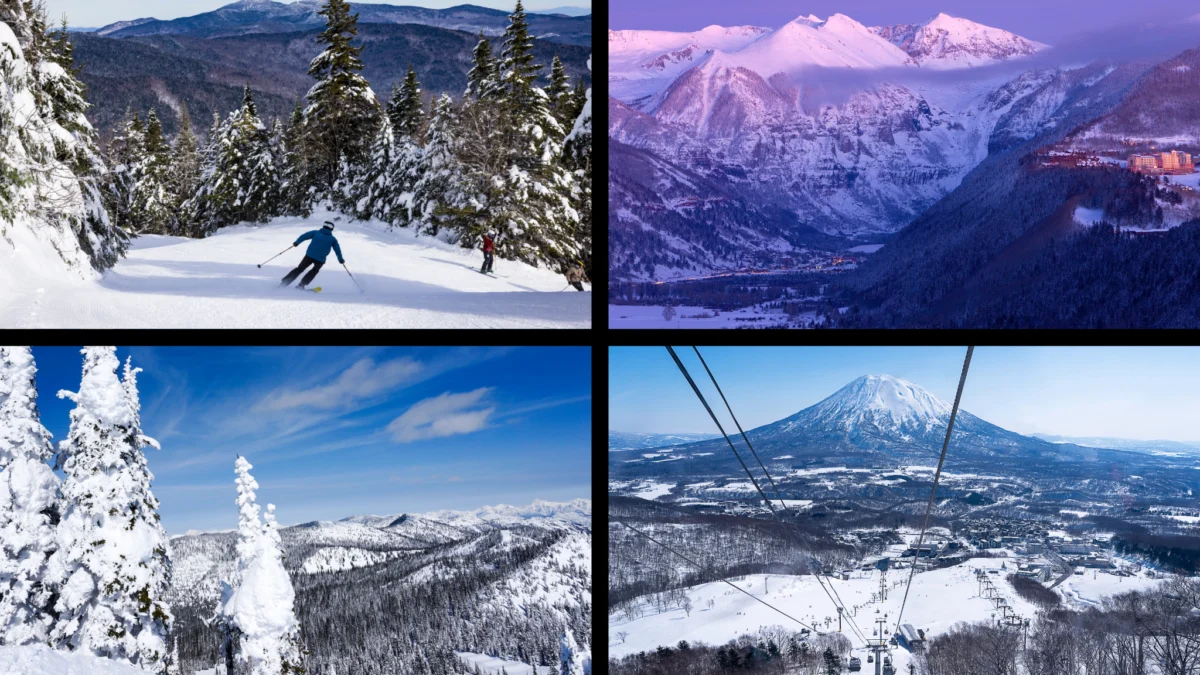
Every winter, the editorial team at SKI magazine dedicates months to meticulously researching and reporting on the latest developments across the global ski landscape. This extensive work encompasses everything from groundbreaking new lift installations and expansive terrain additions to meticulous powder forecasts, uncovering hidden gems, and profiling dream ski destinations. This immersive process naturally cultivates a burgeoning personal wishlist of slopes and experiences that the editors themselves are eager to explore. From the classic peaks of Colorado and the fiercely independent icons of the Northeast to the legendary deep powder of Japan and the adventurous cat skiing frontiers of the Caucasus Mountains, these are the highly anticipated trips the SKI editors are setting their sights on for the upcoming winter season, each chosen for its unique allure and compelling journey.
The annual cycle of a ski journalist is inherently intertwined with the evolution of the sport. As the winter approaches, the focus sharpens on what’s new, what’s improved, and what remains timeless in the world of snow sports. This involves tracking significant capital investments by resort operators, such as the introduction of high-speed quads or gondolas designed to enhance uphill capacity and improve access to challenging terrain. It also means monitoring environmental factors, including long-range weather predictions and snowpack analyses, which are crucial for forecasting the quality and duration of the ski season. Beyond the tangible infrastructure, ski editors delve into the cultural fabric of ski towns, observing shifts in dining scenes, accommodation options, and overall visitor experiences. This comprehensive approach ensures that the reported content is not only accurate but also provides valuable insights for the discerning skier planning their next adventure. The personal selections by the SKI editorial team serve as a curated reflection of these trends, showcasing a blend of renewed classics, emerging domestic favorites, and ambitious international expeditions that speak to the diverse passions within the skiing community.
Executive Editor Samantha Berman’s Dual Pursuit: Rediscovery and Exploration
Samantha Berman, Executive Editor of SKI, highlights a fascinating dichotomy in her winter plans: revisiting a world-renowned behemoth after a significant hiatus and venturing into a lesser-known Colorado gem. Both choices underscore the dynamic evolution of ski resorts and the enduring appeal of discovery.
Whistler Blackcomb, British Columbia: A Modern Reunion
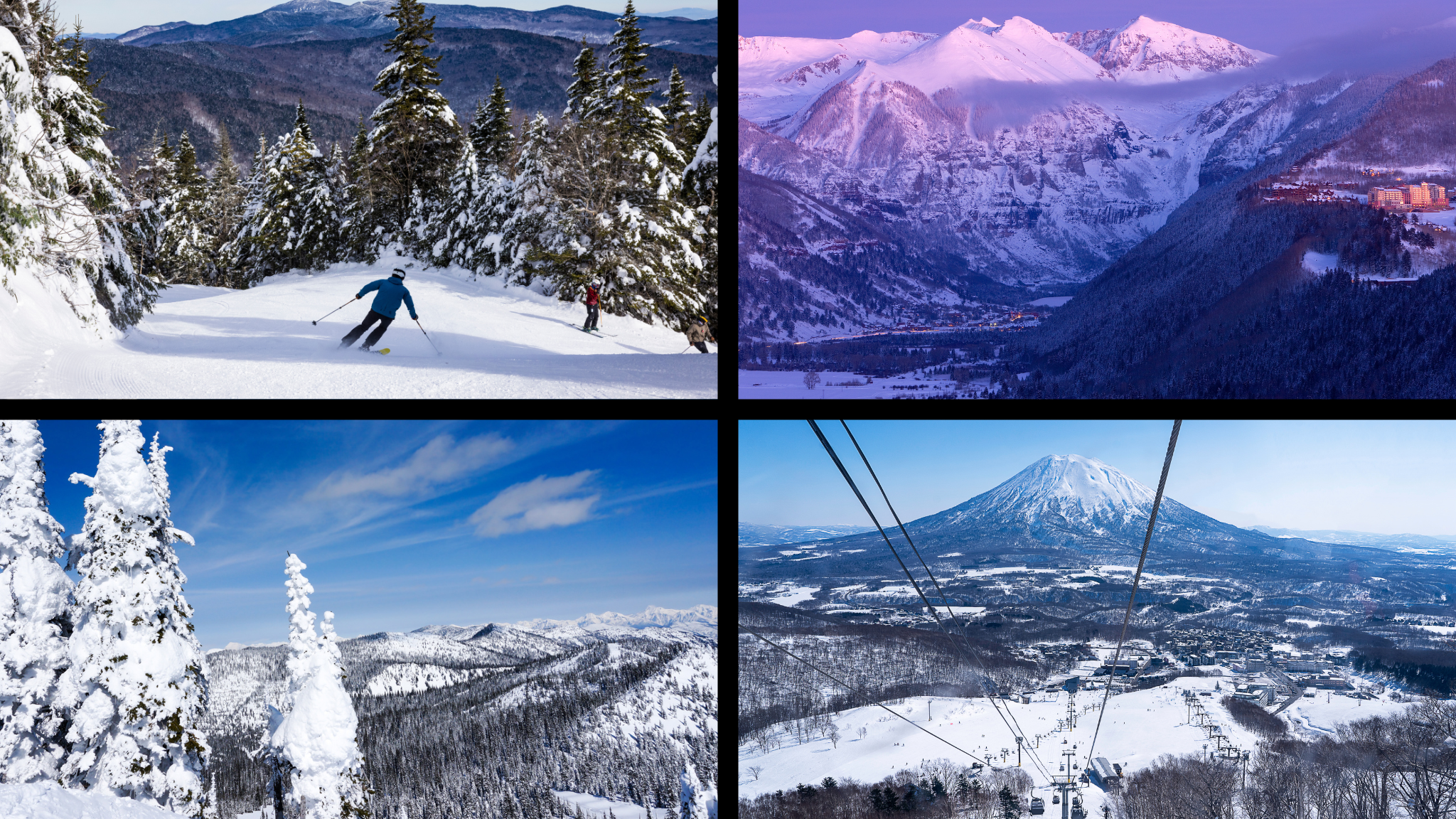
Berman’s planned return to Whistler Blackcomb marks a significant milestone, as it has been over two decades since her last visit to the sprawling British Columbia resort. In that time, Whistler Blackcomb has undergone transformative changes, rendering it, in her words, "an entirely new resort." The most compelling draw for her this winter is the inauguration of the new Showcase high-speed quad. This state-of-the-art lift is poised to dramatically reshape access to the revered Blackcomb Glacier, making one of the resort’s most iconic alpine zones even more accessible and appealing to a wider range of expert skiers. The Showcase Quad replaces older infrastructure, promising significantly reduced ride times and enhanced efficiency, allowing skiers to maximize their vertical descent in a region celebrated for its vast, challenging terrain and consistent snowfall.
Whistler Blackcomb, consistently ranked among the top ski resorts globally, is a testament to large-scale mountain operations. Since its merger in 1997 and subsequent acquisition by Vail Resorts in 2017, it has seen continuous investment in infrastructure and amenities. The resort boasts over 8,171 acres of skiable terrain, more than 200 marked runs, 16 alpine bowls, and three glaciers, serviced by 37 lifts, including the iconic Peak 2 Peak Gondola, which connects the two mountains. The addition of the Showcase Quad is part of a broader strategy to enhance skier flow and modernize key access points, particularly in high-demand areas like the Blackcomb Glacier, known for its deep powder stashes and challenging natural features.
Beyond the technical enhancements, Berman’s trip holds a profound personal dimension: introducing her three sons to Whistler Blackcomb for the first time. They have reached an age where they can truly appreciate and explore the resort’s seemingly endless terrain, vibrant pedestrian villages, and diverse on-mountain adventures. This family-centric perspective underscores Whistler’s reputation as a multifaceted destination catering to all ages and skill levels, from beginner zones and extensive intermediate cruising runs to world-class expert steeps and backcountry access. The opportunity to witness the resort through fresh eyes with her children provides the perfect justification for Berman to rediscover one of North America’s most iconic ski destinations, experiencing its evolution firsthand while creating new family memories.
Powderhorn, Colorado: Unveiling a Grand Mesa Secret
Also on Berman’s list for the upcoming season is Powderhorn, a resort that offers a stark contrast to the grand scale of Whistler Blackcomb. Situated on Colorado’s majestic Grand Mesa, Powderhorn is undergoing a significant upgrade with the installation of its first high-speed lift. This development marks a pivotal moment for the resort, promising to modernize its uphill capacity and enhance the overall skier experience. For Berman, who has never visited Powderhorn, the prospect of exploring a new ski area for the first time is deeply appealing, especially one of "skiing’s smaller, less traveled spots."
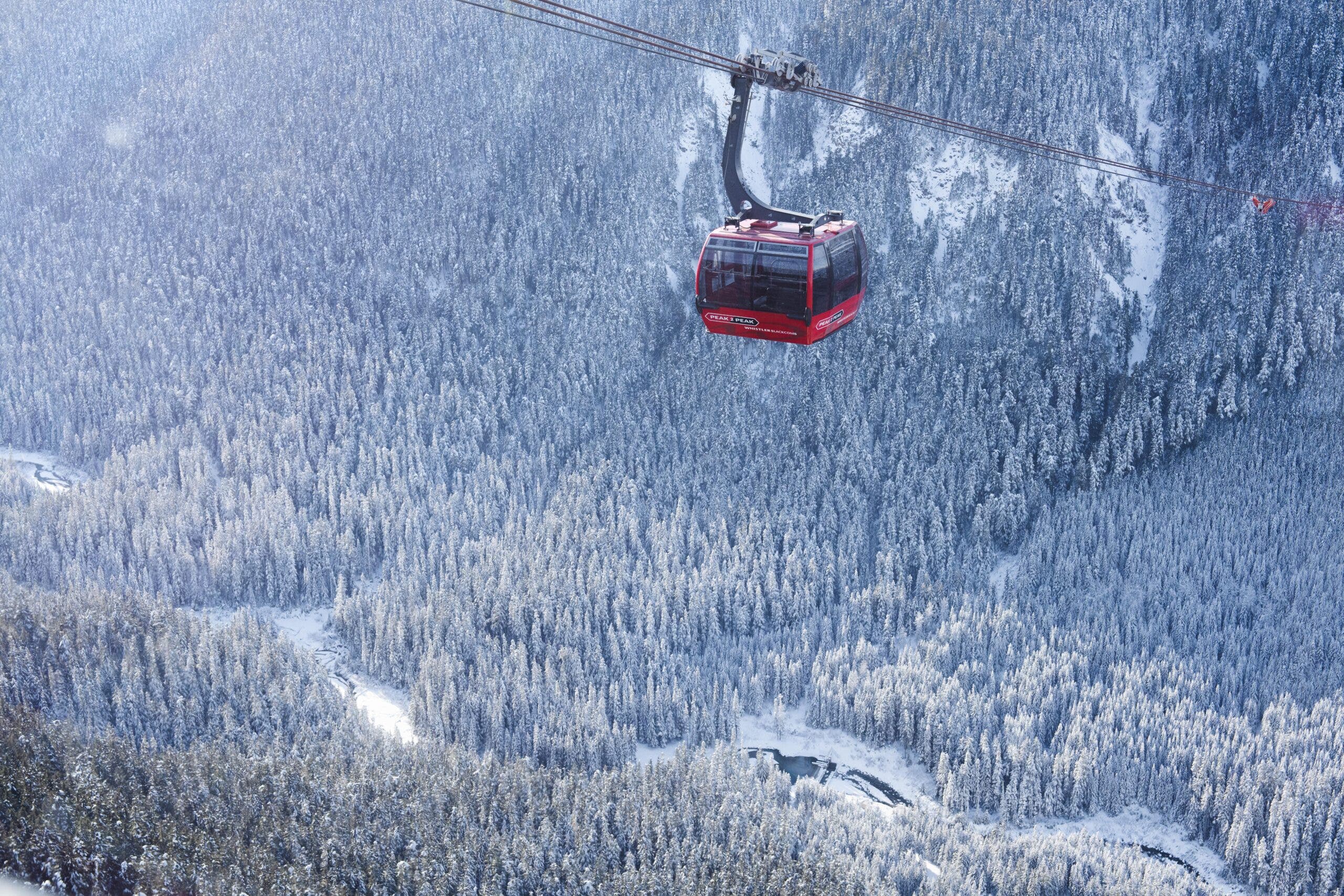
Powderhorn’s unique geographical placement sets it apart from Colorado’s more famous Front Range resorts. The Grand Mesa, the largest flat-topped mountain in the world, offers a distinct high-desert-meets-alpine environment. This translates into unique snow characteristics, often lighter and drier than in other parts of the state, and stunning panoramic views across the Western Slope. The resort typically receives an average of 250 inches of snow annually across its 1,600 acres of skiable terrain, served by five lifts. The new high-speed lift, details of which are eagerly anticipated by local skiers and industry observers, is expected to significantly reduce ride times on a key ascent, thereby increasing the number of runs skiers can achieve in a day and improving access to Powderhorn’s gladed terrain and groomed trails.
Berman’s interest in Powderhorn reflects a broader trend among experienced skiers to seek out authentic, community-focused ski experiences away from the bustling crowds and higher price points of mega-resorts. Powderhorn’s relative isolation, located in an area of Colorado with fewer ski areas, contributes to a more relaxed atmosphere and a stronger sense of local charm. The excitement surrounding the new lift is not just about faster rides; it’s about the continued investment in a resort that offers a vastly different, yet equally rewarding, ski experience. The promise of stunning scenery, combined with the thrill of discovering a new, evolving destination, makes Powderhorn a compelling choice for Berman’s winter explorations.
Senior Editor Jamie Aranoff’s Quest for Soul and Challenge
Jamie Aranoff, Senior Editor at SKI, is drawn to destinations that embody a unique character and offer personal challenges, whether through their distinctive operational models or their formidable terrain. Her selections reflect a deep appreciation for ski culture and a desire for growth.
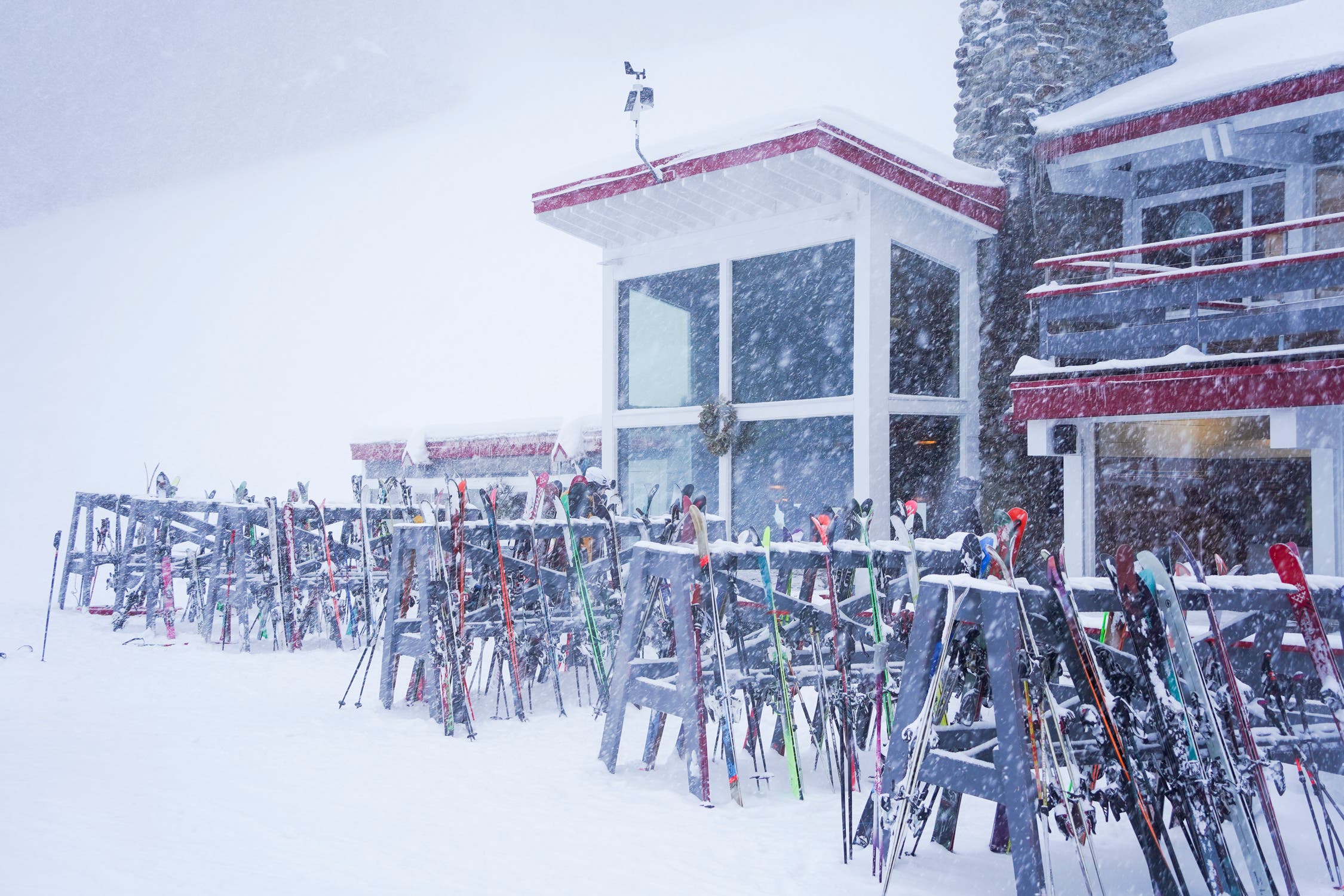
Mad River Glen, Vermont: A Singular Experience
Mad River Glen, Vermont, holds a coveted, "rent-free" space in Aranoff’s mind, a testament to its legendary status within the ski community. The resort’s iconic motto, "Ski It If You Can!", encapsulates its reputation for challenging, natural terrain and its steadfast commitment to tradition. Central to its mystique is the infamous single chairlift, the country’s oldest operating single chairlift, which offers a slow, meditative ascent and a direct connection to skiing’s roots. This antique piece of machinery is more than just a lift; it’s a symbol of Mad River Glen’s enduring character and its rejection of modern, high-speed trends. The single chair provides unparalleled views and a unique experience, albeit one that requires patience and a tolerance for the elements.
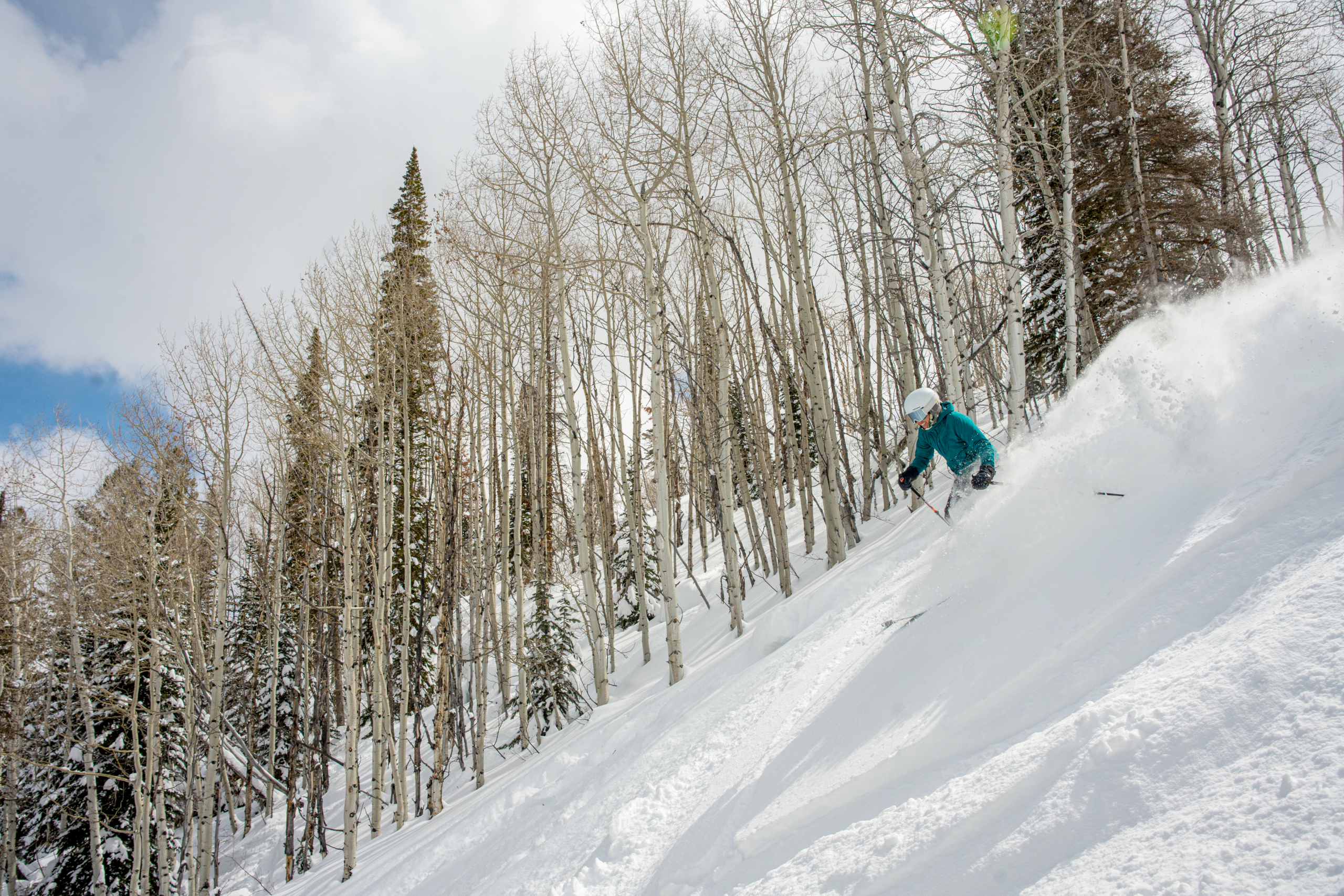
What truly sets Mad River Glen apart is its cooperative ownership structure. The resort is owned and operated by the Mad River Glen Cooperative, a model that prioritizes the preservation of the ski experience over commercial expansion. This co-op model fosters an exceptionally strong sense of community and stewardship among its shareholders and loyal patrons, influencing everything from trail maintenance to future development decisions. The recent successful fundraising effort, which amassed nearly $3 million to acquire over 1,000 acres of land surrounding the resort, further exemplifies this commitment. This land purchase is intended for conservation and to protect the resort’s pristine natural environment, ensuring its unique character for generations to come.
Mad River Glen’s "no snowboarding" policy, another defining characteristic, contributes to its specific atmosphere, often attracting purist skiers who appreciate the traditional mountain experience. The terrain itself is known for its natural, ungroomed character, with extensive glades and challenging steeps that demand skill and adaptability. For Aranoff, the appeal lies in immersing herself in a place "filled with all sorts of stories just waiting to be told," to experience firsthand the soul and community spirit that defines Mad River Glen. It represents a pilgrimage for many skiers seeking an authentic, unvarnished encounter with the sport, making it a compelling destination for a journalist keen on understanding ski culture’s deeper narratives.
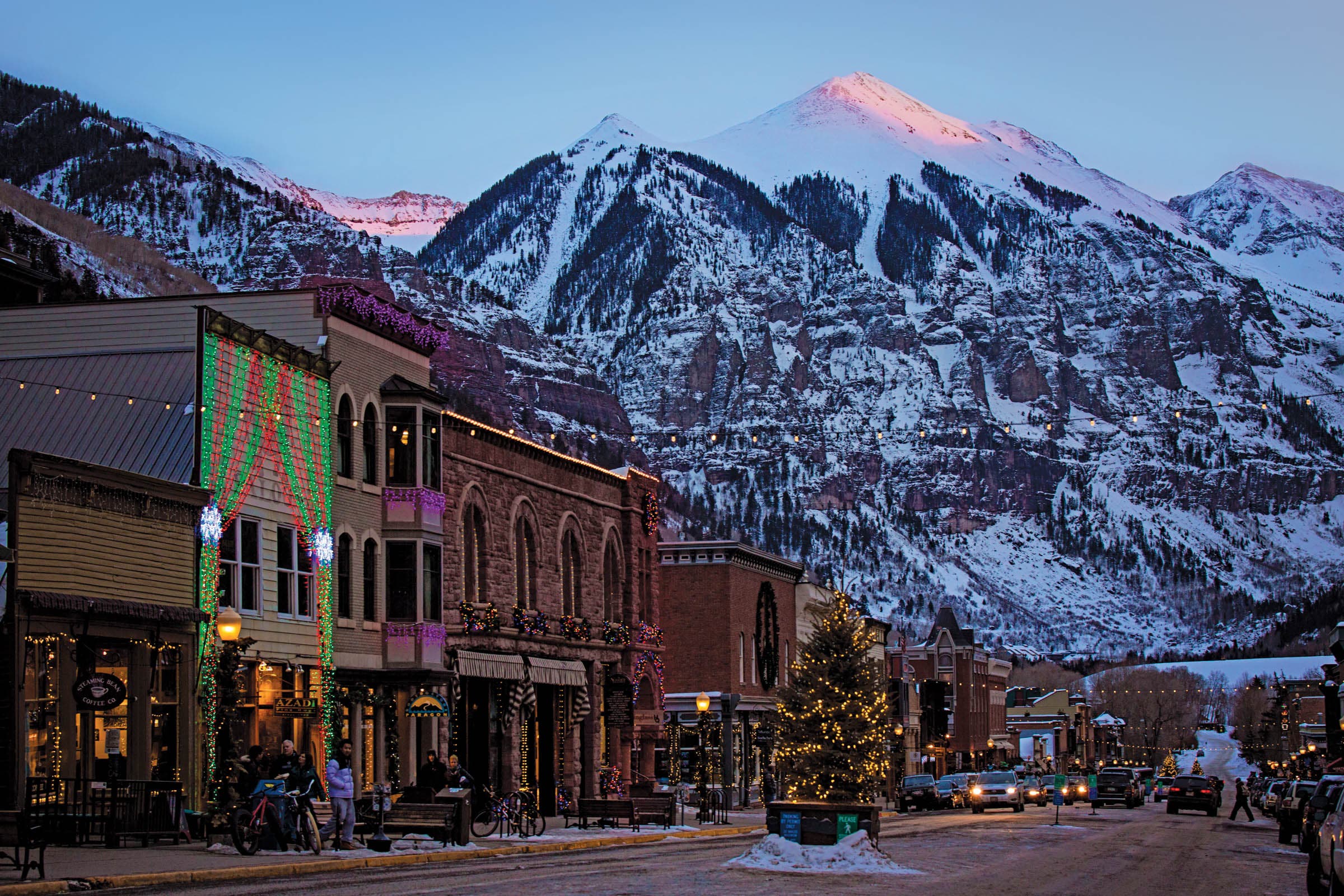
Telluride, Colorado: Embracing the Steep and Remote
Jamie Aranoff’s strong desire to visit Telluride, Colorado, highlights a personal evolution in her skiing journey. Living in New York City, the logistical challenges of reaching this remote San Juan Mountains gem have historically prevented her from making the trip. Telluride’s relative inaccessibility—typically requiring flights into Montrose Regional Airport (MTJ) followed by a scenic, hour-long shuttle or drive—is a double-edged sword: it deters mass tourism, preserving the resort’s exclusive, uncrowded feel, but also makes it a more deliberate travel choice.
Despite not always favoring super steep runs, Aranoff is currently "going through a phase of skiing where it feels good to challenge myself." Telluride is an ideal destination for this mindset, renowned for its formidable expert terrain, including iconic runs like the Gold Hill Chutes, Revelation Bowl, and the dramatic Palmyra Peak. These areas offer some of the most challenging in-bounds skiing in North America, with steep pitches, technical lines, and breathtaking exposure. The resort also offers an extensive network of intermediate and beginner terrain, ensuring that skiers of all abilities can enjoy the mountain, but it’s the expert options that are drawing Aranoff to test her limits.
Beyond the slopes, Telluride offers a rich, historic experience. The town itself, a former Victorian mining settlement nestled deep in a box canyon, is a designated National Historic Landmark. Its charming main street is lined with beautifully preserved buildings, upscale boutiques, world-class restaurants, and vibrant cultural venues. The unique gondola system connects the historic town with the modern Mountain Village, providing convenient, free transportation and stunning views. For Aranoff, the allure extends beyond the challenge of the terrain; it’s the opportunity to ski in the majestic San Juan Mountains for the first time. This range is celebrated for its rugged, high-alpine beauty, abundant snowfall, and distinct geological features, offering a dramatically different landscape and snow experience compared to other Colorado ranges. The combination of its challenging slopes, historic charm, and unparalleled natural beauty makes Telluride a bucket-list destination that promises both physical exhilaration and cultural immersion.
Outside Editorial Director Sierra Shafer’s Blend of Nostalgia and Novelty
Sierra Shafer, Outside Editorial Director for Lifestyle, is drawn to destinations that offer a balance of cherished memories and new experiences. Her choices reflect a desire to revisit beloved places to gauge their evolution and to finally tick off a long-standing, globally renowned skiing ambition.
Whitefish, Montana: A Return to Authentic Mountain Life
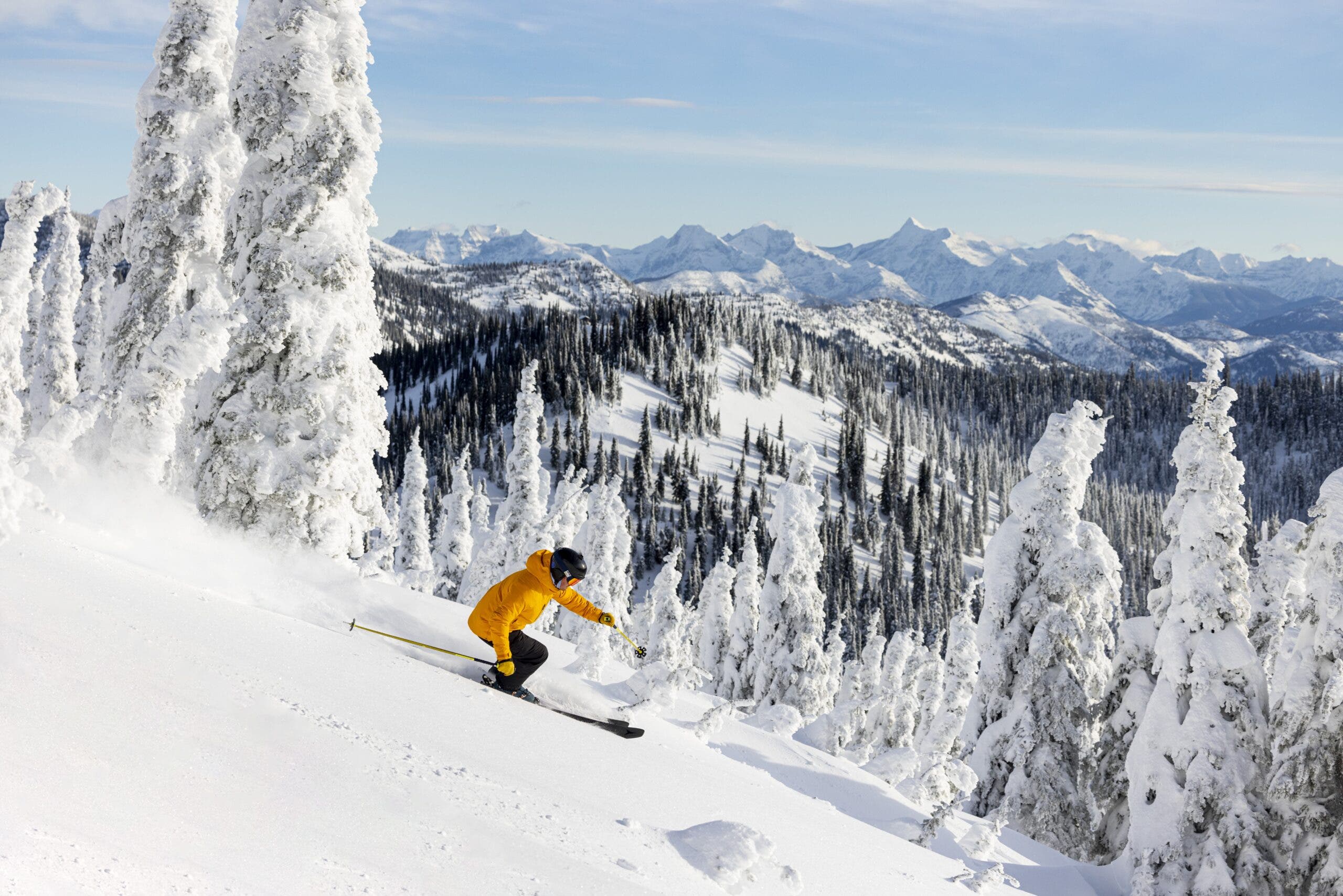
Shafer’s decision to return to Whitefish, Montana, after nearly a decade is driven by a curiosity to observe how the resort and its surrounding community have evolved while hopefully retaining their distinctive character. Whitefish Mountain Resort stands out in an increasingly consolidated industry due to its independent ownership, a factor that often contributes to a unique operational philosophy and local focus. The resort boasts impressive statistics: an average of 300 inches of snow annually, over 3,000 acres of skiable terrain, and the iconic "snow ghosts"—trees encased in rime ice that create an ethereal, otherworldly atmosphere, particularly on storm days. This phenomenon, resulting from specific meteorological conditions at Whitefish’s summit, is a significant draw, transforming the landscape into a photographer’s dream and enhancing the magical feeling of skiing through a winter wonderland.
Significant changes have occurred off the mountain since Shafer’s last visit. Glacier Park International Airport (FCA), the primary gateway to Whitefish, has undergone a massive expansion. This modernization and increase in capacity have made the journey to Whitefish considerably easier, with more direct flight options and improved facilities, thereby boosting tourism potential for the region. Shafer is keen to explore new hospitality offerings, such as the recently developed Larch House, which promises contemporary lodging and amenities. She also plans to assess the evolution of Whitefish’s culinary scene, with newer establishments like Herb & Omni reflecting a growing sophistication and diversity in dining options, often emphasizing local ingredients and innovative menus. However, some traditions, like ending a ski day at the legendary Bierstube, are non-negotiable. The Bierstube, a long-standing institution at the base of the mountain, is renowned for its lively après-ski atmosphere, live music, and deep-rooted local charm, serving as a social hub for skiers and locals alike.
Ultimately, Shafer’s return to Whitefish is an inquiry into its soul: "I’m curious whether Whitefish still strikes that balance of big-mountain skiing, an authentic mountain town, and the kind of breathing room that’s getting harder to find at destination resorts." This question encapsulates the challenge many popular ski destinations face in managing growth while preserving their unique identity. Whitefish’s proximity to Glacier National Park also adds to its allure, offering year-round outdoor opportunities and contributing to the region’s overall appeal as an authentic, nature-immersed destination. Her lasting impression from a decade ago fuels her desire to see if this special balance endures.
Japanuary: A Long-Awaited Pilgrimage to Japow
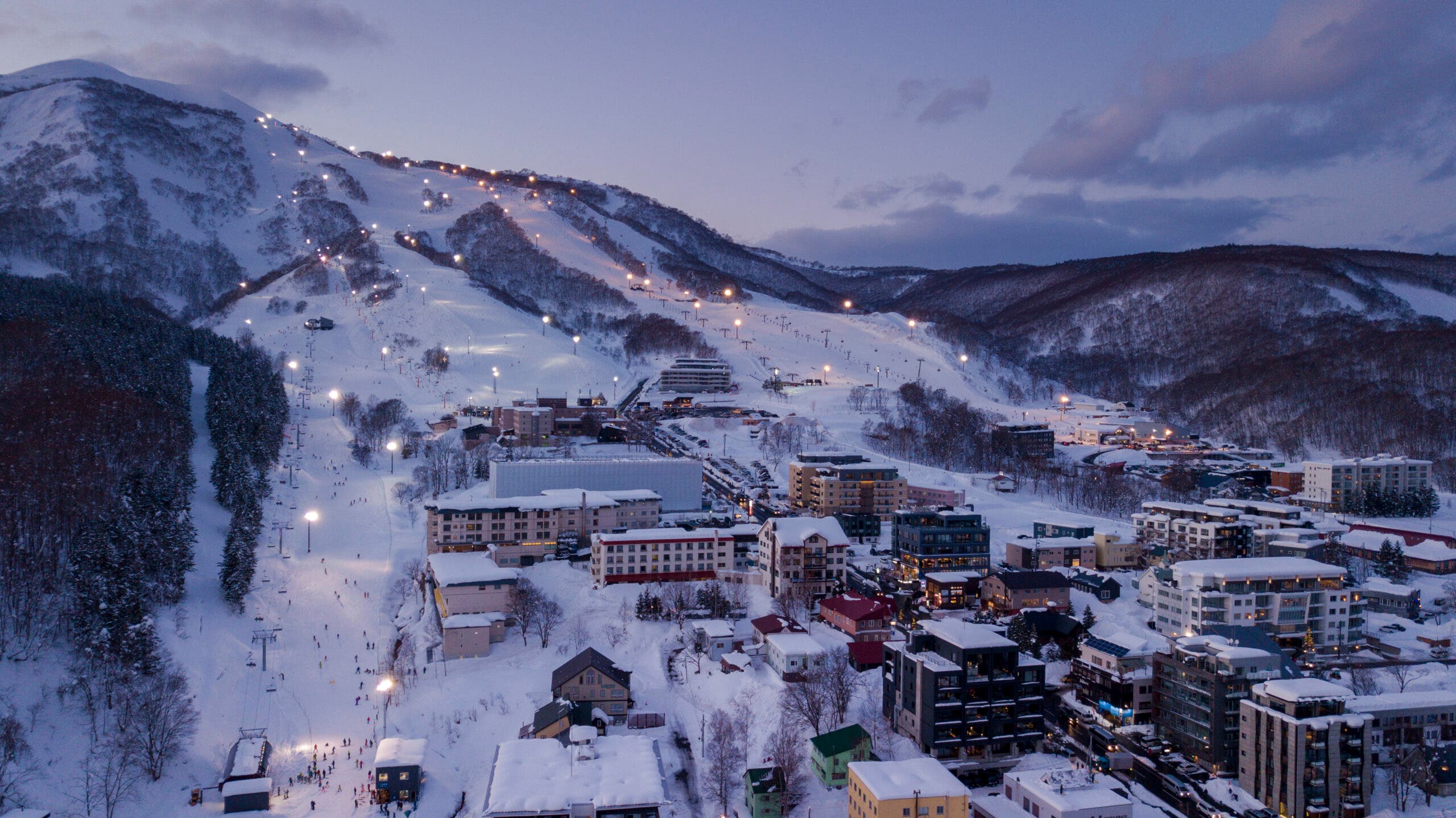
It is, perhaps, an "indefensible" omission for a seasoned ski journalist like Sierra Shafer to have never skied in Japan, a destination synonymous with legendary powder and a distinct ski culture. The prospect of "Japanuary"—a term coined by powderhounds for the month of January, when Japan typically receives its most abundant and lightest snowfall—has been on her bucket list for years, and this winter might finally be the season for this long-awaited pilgrimage. The allure of Japan extends far beyond its exceptional snow; Shafer is equally captivated by the holistic cultural experience: the tranquil onsens (natural hot springs), the exquisite culinary scene, and the efficient, immersive train travel. This holistic view reflects a desire to engage with a "completely different rhythm of ski culture" than what she is accustomed to in the Western hemisphere.
Japan’s unparalleled snow quality, often referred to as "Japow," is a result of unique meteorological phenomena. Cold, dry air masses originating in Siberia pick up moisture as they cross the Sea of Japan, dumping vast quantities of light, dry snow on the mountainous islands. This consistent snowfall creates conditions ideal for deep powder skiing, attracting enthusiasts from around the globe. Beyond the snow, the cultural elements are integral to the Japanese ski experience. Onsens offer a serene way to relax and recover after a day on the slopes, steeped in centuries of tradition and local etiquette. Japanese cuisine, from steaming bowls of ramen to intricate sushi and vibrant street food, provides a gastronomic adventure. The meticulously punctual and efficient train system offers a seamless way to travel between regions, often through stunning winter landscapes, adding to the sense of cultural immersion.
The "hard part," as Shafer notes, lies in choosing where to begin. Japan offers a diverse array of ski regions, each with its own character. Hokkaido, the northernmost island, is home to Niseko, arguably Japan’s most internationally recognized resort, famous for its abundant, deep powder and vibrant international village atmosphere. Niseko United comprises four interconnected resorts—Hirafu, Annupuri, Niseko Village, and Hanazono—offering extensive terrain and lively nightlife. For a slightly quieter, more traditional Japanese experience, Furano, also on Hokkaido, is often recommended, known for its consistent snow, family-friendly atmosphere, and authentic local charm. Alternatively, the Hakuba Valley in the Japanese Alps, on the main island of Honshu, offers a different proposition. It hosted events during the 1998 Nagano Olympics and is renowned for its bigger terrain, steeper pitches, and access to more mountaineering-oriented skiing across its multiple resorts like Happo-One, Goryu, and Cortina. Shafer rightly concludes that there is "isn’t a wrong answer," emphasizing the richness and diversity of Japan’s ski offerings, leaving her with the delightful task of simply picking a direction and booking the trip.
Senior Social Media Strategist Giorgia Menetre’s Global Cat Skiing Adventure
Giorgia Menetre, Senior Social Media Strategist at SKI, is driven by a unique personal connection and an adventurous spirit, leading her to one of the most intriguing and emerging ski destinations on her list: the country of Georgia. Her ambition to undertake her first cat-skiing trip there combines personal whimsy with a pursuit of untouched powder and authentic cultural experiences.
Georgia (Country): Uncharted Cat Skiing Territory
Menetre’s initial motivation, she admits, is somewhat whimsical: "Call me vain, but ever since I learned I can ski in a country with the same name as me, I’ve wanted to go." This personal hook, however, quickly gives way to a serious pursuit of an exceptional ski experience. While the country of Georgia might not immediately spring to mind for every skier’s top destination list, its potential in the realm of cat skiing is undeniable and increasingly recognized by those seeking adventure off the beaten path. Her desire to make it her first cat-skiing trip underscores the destination’s appeal for adventurous skiers looking for something truly unique.
The Caucasus Mountains, which span Georgia, are a remote and formidable range, boasting immense potential for untouched powder. This rugged landscape offers vast, unblemished slopes, deep tree skiing, and dramatic high-alpine bowls, far removed from the lift lines and groomed runs of conventional resorts. The region is gaining a reputation for "legendary tree skiing," often drawing comparisons to the famed glades of Japan due to similar deep, light snow conditions and dense, yet skiable, forest terrain. Beyond the skiing, the appeal is amplified by the presence of remote, traditional villages and the renowned warmth of Georgian hospitality. This cultural immersion—experiencing the famous Georgian supra (feasts), rich wine traditions, and genuine friendliness of the locals—is as much a part of the adventure as the skiing itself.
Menetre’s interest was significantly piqued when SKI magazine published an article covering cat skiing in the Georgian village of Bakhmaro. This specific destination, characterized by its "cozy mountain-refuge vibes," offers a quintessential backcountry experience. Cat skiing involves using snowcats, large tracked vehicles, to transport skiers to remote, untracked terrain, allowing for access to fresh powder runs all day without the need for helicopter transport, which makes it generally more accessible and often more affordable than heli-skiing. Bakhmaro’s infrastructure, though rustic, provides a genuine sense of adventure and a strong connection to the natural environment. Furthermore, Georgia presents a more budget-friendly option for cat skiing compared to established operations in North America or Western Europe, making it an attractive proposition for those seeking high-quality powder experiences without the prohibitive cost. The developing ski tourism sector in Georgia, supported by increasing investments in infrastructure and guided services, positions it as an exciting frontier for winter sports. For Menetre, the hope is that "if I play my cards right this season, you know where to find me," signaling a strong determination to embark on this unique, pioneering ski journey.
Conclusion: A Season of Discovery and Rekindled Passions
The diverse selections of the SKI editorial team for the upcoming winter season paint a vivid picture of the global ski landscape’s enduring allure. From Executive Editor Samantha Berman’s blend of rediscovering an iconic powerhouse like Whistler Blackcomb and exploring the authentic charm of Colorado’s Powderhorn, to Senior Editor Jamie Aranoff’s pursuit of the unique soul of Mad River Glen and the challenging steeps of Telluride, and Outside Editorial Director Sierra Shafer’s return to the independent spirit of Whitefish and her long-anticipated pilgrimage to Japan’s powder, these choices reflect a deep and varied passion for the sport. Senior Social Media Strategist Giorgia Menetre’s adventurous choice of cat skiing in Georgia further underscores the industry’s expanding horizons and the desire for truly unique, off-the-beaten-path experiences.
These editorial aspirations highlight several key trends shaping contemporary ski travel. There’s a clear appreciation for both established, world-class resorts that continue to innovate, and smaller, independently owned destinations that offer a more intimate and community-driven experience. The pursuit of "untouched powder" remains a powerful motivator, driving interest in remote destinations like Japan and the Caucasus Mountains. Furthermore, the emphasis on cultural immersion, whether through local traditions, culinary experiences, or unique operational models like Mad River Glen’s co-op, indicates a desire for travel that extends beyond mere vertical feet. As the snow begins to fall and the lifts prepare to turn, the anticipation for a season of discovery, challenge, and rekindled passions is palpable, promising an exhilarating winter for both ski journalists and enthusiasts alike.
