

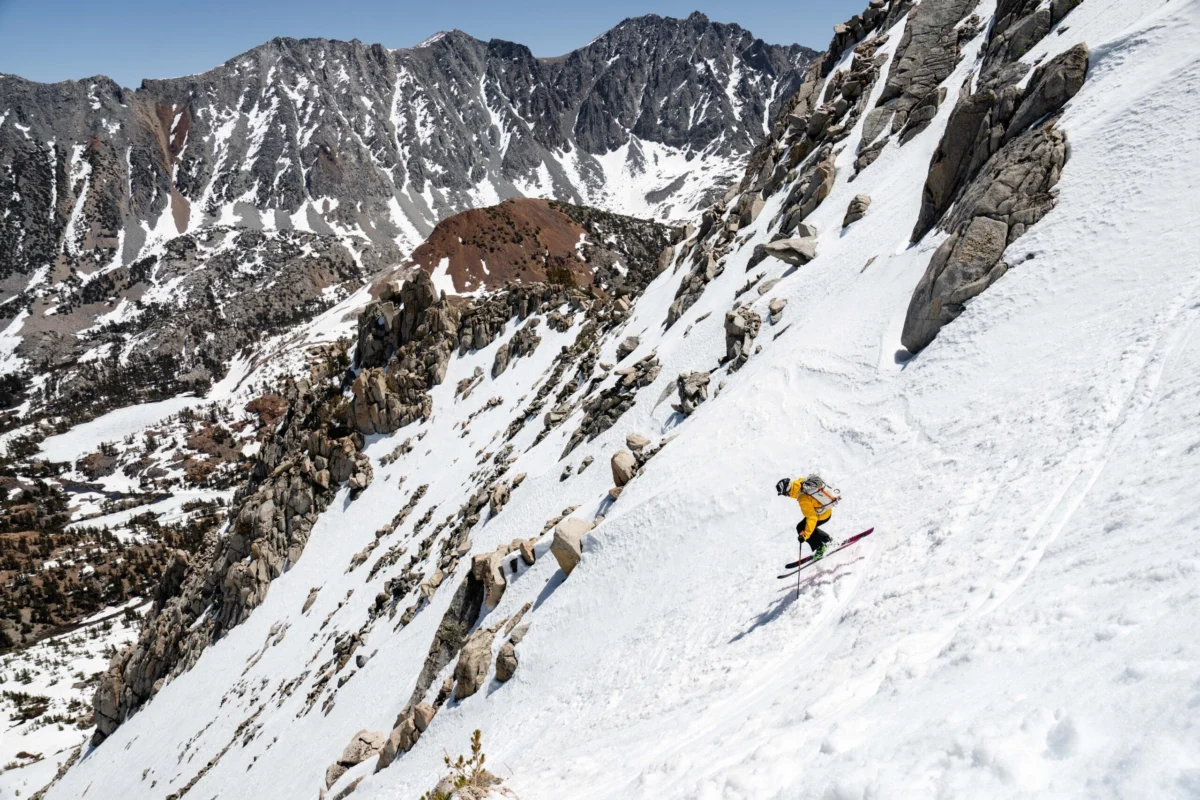
The peaks of Mammoth Mountain, a prominent fixture in California’s Eastern Sierra Nevada range, have long been synonymous with expansive bowls and consistently deep snowpack. However, the 2020s have presented ski enthusiasts and resort operators alike with a stark reminder of nature’s variability. As of August 2026, the region has experienced a succession of challenging seasons, marked by prolonged high-pressure ridges and infrequent snowfall. This period has inadvertently fostered a significant evolution in how dedicated skiers perceive and engage with the mountain, shifting the emphasis from the elusive "perfect powder day" to an appreciation for skill development and mental resilience across all conditions.
The Shifting Paradigm in Skiing
The experience of standing atop Wipeout 1, a popular run at Mammoth, and scanning a landscape dotted with volcanic rock rather than pristine snow, encapsulates a growing reality for many skiers. For years, the ideal ski day was intrinsically linked to optimal conditions – fresh powder, minimal crowds, and bluebird skies. This aspiration often led to frustration during lean snow years or periods of adverse weather, reducing the enjoyment of the sport to a gamble against meteorological luck. However, a noticeable cultural shift is underway, championed by individuals who recognize that the mountains inherently offer something valuable, provided one is willing to seek it out with an open mind and a refined approach. This evolving perspective suggests that the quality of a ski day is less about external circumstances and more about an individual’s internal disposition and commitment to the experience.
Mammoth Mountain: A Crucible for Skill and Resilience
Mammoth Mountain, with its towering elevation reaching 11,053 feet, typically boasts an impressive annual snowfall averaging over 400 inches. Its vast, treeless upper slopes are renowned for their wide-open terrain, inviting high-speed descents and powerful, arcing turns. Yet, this very openness also exposes the mountain to the formidable north winds characteristic of the Sierra Nevada. These winds, particularly during dry spells, can sculpt the snow surface into a dense, polished layer known as windboard, or, in more extreme cases, into treacherous, icy patches interspersed with exposed rock.
-
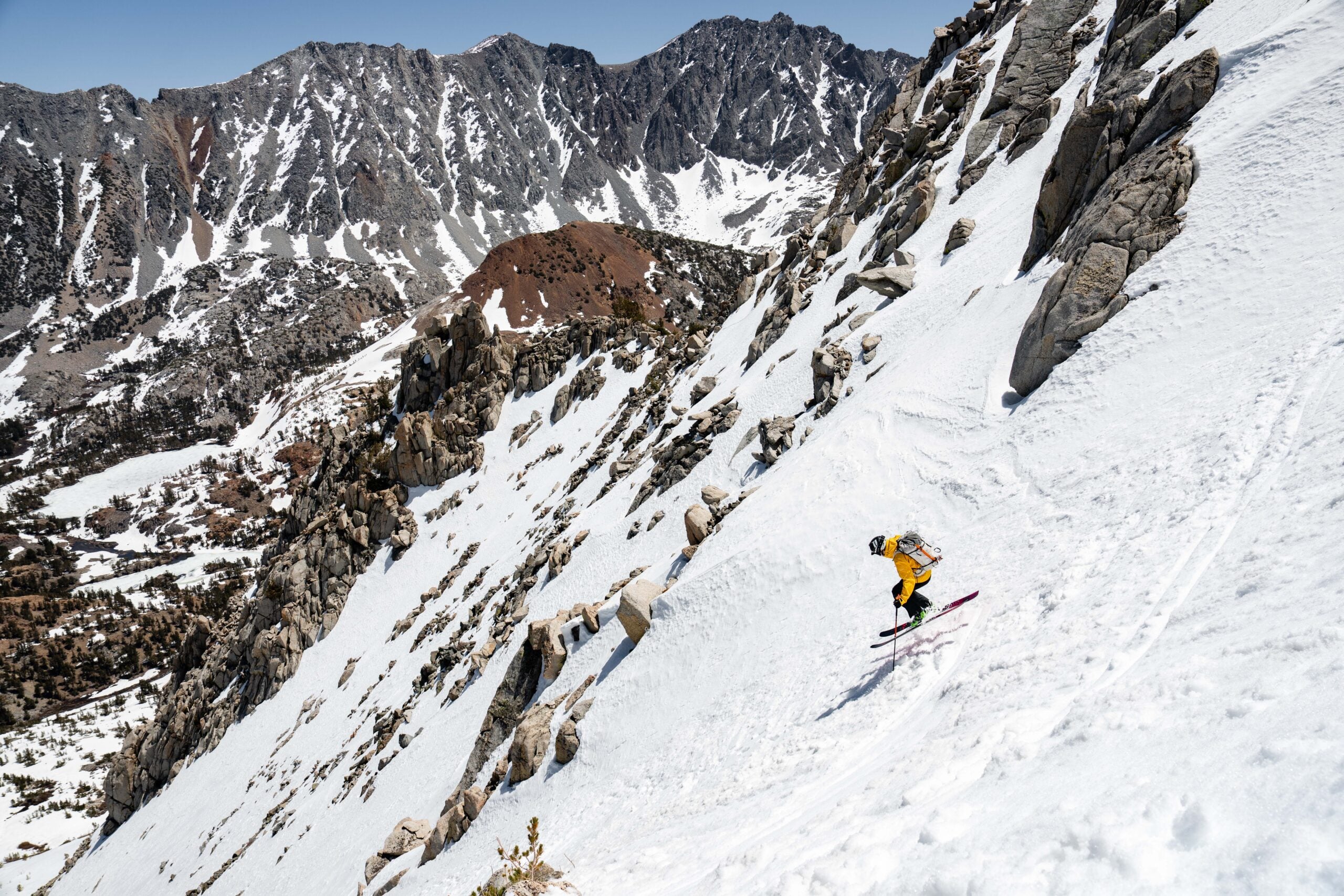
The Anatomy of Challenging Conditions: The period leading up to the 2026 season saw a notable absence of significant snowfall for weeks at a time, consolidating the snowpack into firm, unyielding surfaces. While less appealing to those seeking soft landings, these conditions present a unique training ground. The volcanic geology of Mammoth means that off-piste areas, particularly within couloirs and chutes, are often strewn with sharp, igneous rocks just beneath the surface, demanding extreme precision and control. Navigating such terrain effectively requires more than raw power; it necessitates a nuanced understanding of edge engagement, pressure distribution, and subtle terrain reading.
-
From Frustration to Mastery: The Evolution of Technique: For many skiers accustomed to the forgiving nature of deep powder or meticulously groomed runs, confronting hardpack and windboard can be a frustrating experience. However, it is precisely in these challenging environments that fundamental skiing techniques are most rigorously tested and refined. Developing the ability to maintain balance and control on knife-hard snow, execute precise turns to avoid obstacles, and adapt to rapidly changing surface textures transforms a skier’s overall proficiency. This intensive practice in adverse conditions builds a robust foundation of edge control, carving ability, and muscular memory that translates into improved performance across all snow types, including the coveted powder. The initial frustration gives way to a profound sense of accomplishment as fluidity and control emerge, making the skier more versatile and resilient.
The Influence of Mindset: Redefining a "Good Day"
The transformation from condition-dependent skiing to condition-adaptive skiing is deeply rooted in a philosophical shift. This change is often catalyzed by observing or interacting with individuals who embody a different approach to the mountains.
-
The Quest for the Hidden Stash: Individuals like Forrest Smith, a notable figure within the Mammoth ski community, exemplify this alternative ethos. Smith operates under the conviction that "good, soft snow" is always present somewhere within the vast expanse of the 200-mile Sierra Nevada range, regardless of general conditions. His dedication involves meticulously exploring hidden pockets, shaded couloirs, and leeward slopes – areas often overlooked or deemed too challenging by others. This relentless search, while frequently leading through less-than-ideal snow, is driven by an unwavering faith in the mountain’s potential. This mindset reframes the act of skiing from merely consuming readily available good conditions to an active pursuit of discovery and problem-solving. It cultivates a sense of adventure and curiosity, transforming potentially "bad" days into opportunities for exploration and learning.
-
Cultivating Resilience on the Slopes: The adoption of such an ethos extends beyond the search for specific snow pockets. It instills a broader sense of mental fortitude and appreciation for the entire mountain experience. Skiers embracing this perspective learn to find value in every aspect of a day on the slopes, even when facing high winds, rain, or lightning-induced chairlift closures. The focus shifts from the outcome (perfect snow) to the process (the movement, the senses, the small observations). The physical act of moving the body, feeling the arc and rebound of the skis, observing the expansive views of Mono Lake in the distance, or even just feeling the invigorating bite of the wind, all become meaningful components of the day. This approach combats the disappointment often associated with unmet expectations, fostering a deeper, more sustainable connection to the sport. It champions the idea that a "bad day" in the mountains is merely a perspective, and that true enjoyment stems from an internal commitment to engage with the environment as it is, rather than as one wishes it to be.
Data and Trends: Variable Snowpacks and Industry Adaptations
The shift in skier mindset is not merely anecdotal; it aligns with broader climate trends and industry responses within the winter sports sector.
-
Climate Variability and Its Impact on Ski Seasons: The succession of "poor seasons" observed at Mammoth Mountain is consistent with projections and observed patterns of climate change impacting snowpack globally. Data from various meteorological agencies indicate an increase in the frequency and intensity of high-pressure systems over western North America, leading to warmer temperatures and reduced precipitation, particularly at lower elevations. While the 2026 season has been challenging, the past few decades have seen increasing variability in snow seasons, with "super El Niño" years not always delivering the anticipated powder, as noted in analyses from climate scientists. This unpredictability necessitates adaptive strategies from both resorts and individual participants. Ski resorts are investing in more efficient snowmaking technologies, diversified year-round activities, and enhanced grooming capabilities to manage variable snow conditions.
-
Ski Resort Responses and Future Outlook: Recognizing the increasing unpredictability of natural snowfall, ski resorts are gradually recalibrating their marketing and operational strategies. The focus is expanding beyond just promoting "powder alerts" to highlighting the overall mountain experience, including skill development clinics, backcountry access, and the unique challenges and rewards of skiing diverse terrain. This helps manage customer expectations and fosters a more resilient and versatile skiing community. Educational programs that teach skiers how to navigate different snow types and understand mountain dynamics are gaining prominence. By emphasizing the intrinsic value of time spent outdoors and the opportunities for personal growth, resorts can cultivate a more dedicated and less condition-dependent clientele.
Beyond the Perfect Turn: The Broader Implications
The evolving mindset in skiing carries significant implications, extending beyond the individual’s enjoyment to broader societal and psychological benefits.
-
Enhancing the Skier’s Experience: For the individual skier, adopting a mindset of appreciation for all conditions transforms the sport from a pursuit of fleeting perfect moments into a continuous journey of learning and discovery. It fosters a deeper connection to the mountain environment, encouraging observation, adaptation, and a heightened sense of awareness. Instead of chasing external validation through perfect turns, the focus shifts inward, towards the personal challenge and the subtle joys found in every descent. This approach also broadens the scope of what constitutes "fun" on skis, making the sport accessible and enjoyable across a wider range of days and conditions, thus increasing participation and longevity in the activity.
-
Fostering Mental Fortitude in Outdoor Sports: The lessons learned from embracing challenging ski conditions resonate strongly with principles of mental resilience applicable to various aspects of life. Confronting unpredictable environments, adapting to unexpected difficulties, and finding satisfaction despite obstacles cultivates patience, problem-solving skills, and a robust sense of optimism. This "faith in the general goodness of the experience," as some describe it, is a powerful psychological tool. It encourages individuals to view challenges not as insurmountable barriers but as opportunities for growth and deeper engagement. In an increasingly unpredictable world, the ability to find joy and meaning in varied circumstances, whether on a wind-scoured slope or in a dense forest, is an invaluable skill.
Conclusion: A New Era of Skiing Appreciation
The narrative of skiing is evolving. While the allure of fresh powder will always hold a special place in the hearts of enthusiasts, the realities of climate variability and the insights gleaned from seasoned mountain dwellers are ushering in a new era. This era is characterized by a profound appreciation for the mountains in their entirety, a commitment to skill development in all conditions, and a resilient mindset that seeks discovery and meaning in every turn. The days of rigid expectations for pristine snow are giving way to a more flexible and enriching engagement with the sport. Today, standing at the precipice of a scraped-off chute or a wind-scoured face, the question is no longer "Will this be a good ski day?" but rather, "What will I discover today?" This subtle but powerful shift in perspective ensures that the mountains, in all their unpredictable glory, will always have something valuable to offer, for those willing to look and, crucially, to believe.
