

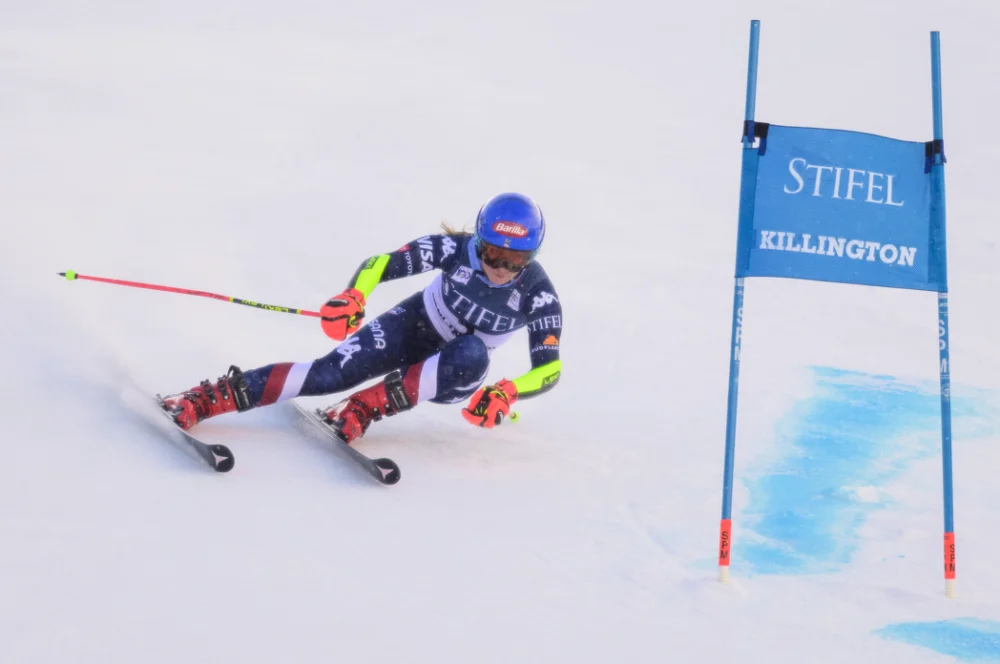
As the world turns its gaze towards the majestic peaks and vibrant cities of Italy, the anticipation for the 2026 Winter Olympic Games in Milano Cortina reaches a fever pitch. Scheduled for February 6-22, 2026, this landmark event promises a captivating blend of athletic prowess, technological innovation, and compelling narratives that will etch new chapters into Olympic history. From the daring return of a legendary athlete to the debut of exhilarating new disciplines, the Games are poised to deliver a spectacle of unparalleled intensity and inspiration.
The Return of a Legend: Lindsey Vonn’s Audacious Comeback
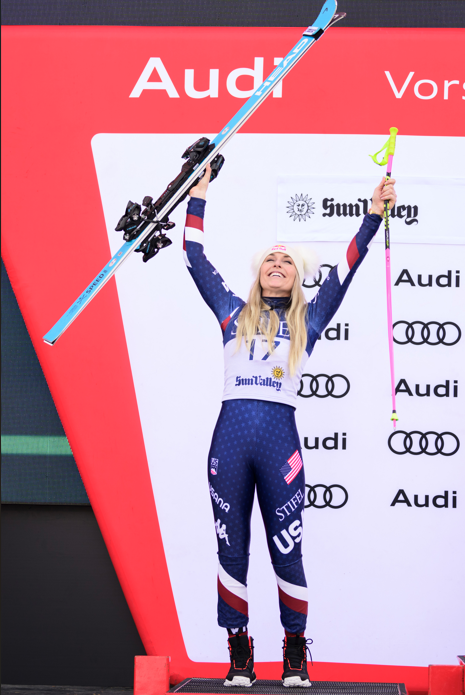
Among the myriad storylines, none captures the imagination quite like the potential return of American skiing superstar Lindsey Vonn. At 41 years old, and remarkably, with a partially replaced knee, Vonn is reportedly eyeing a comeback to the high-stakes, high-speed arenas of Super-G and Downhill racing. Her potential participation in Milano Cortina would mark her fifth Olympic appearance, a testament to her enduring passion, unparalleled resilience, and unyielding pursuit of excellence. Vonn, already the most decorated female ski racer in World Cup history with 82 victories, had previously retired in 2019 due to persistent injuries. Her potential return transcends mere competition; it symbolizes the human spirit’s capacity to defy limits, challenging conventional notions of age and physical recovery in elite sports. Analysts suggest her comeback, if realized, would not only draw unprecedented viewership but also inspire a new generation of athletes to push boundaries, regardless of the ultimate outcome on the slopes.
New Horizons: Dual Moguls and Ski Mountaineering Debut
Milano Cortina 2026 is set to break new ground with the introduction of two dynamic disciplines as official Olympic competitions: Dual Moguls and Ski Mountaineering. These additions reflect the International Olympic Committee’s (IOC) commitment to evolving the Games, embracing modern trends in snow sports, and appealing to a broader, more diverse audience.
- Dual Moguls: This format of freestyle skiing pits two athletes head-to-head on parallel mogul courses, combining speed, technical precision over bumps, and aerial maneuvers. The side-by-side racing intensifies the competition, offering a visually thrilling spectacle where strategy, agility, and nerve are paramount. The inclusion of Dual Moguls builds upon the popularity of single moguls, offering a more direct and exciting competitive narrative that is easily digestible for viewers. Its introduction is expected to boost engagement among younger audiences and further elevate the profile of freestyle skiing.
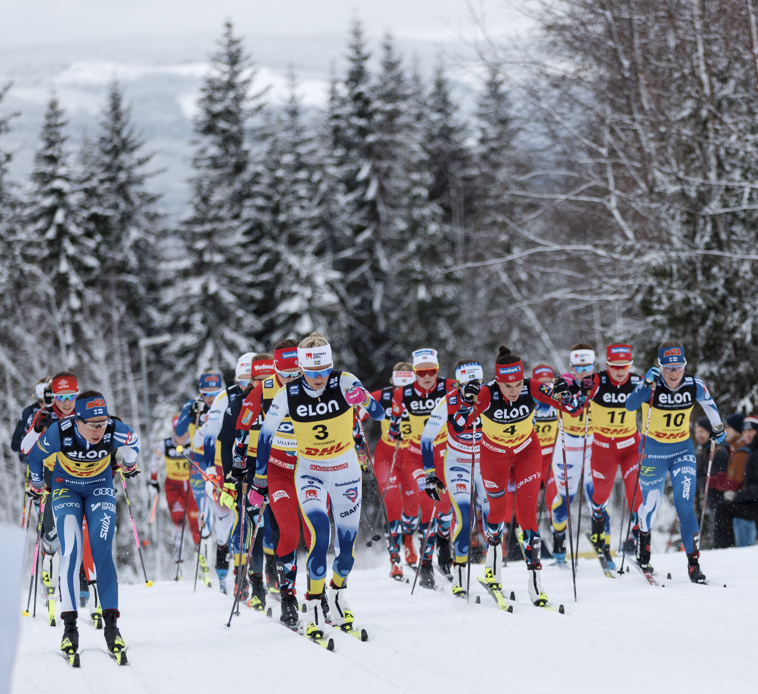
- Ski Mountaineering (Skimo): Making its full Olympic debut after a successful demonstration at Lausanne 2020 Youth Olympic Games, Ski Mountaineering is a true test of endurance, technical skill, and wilderness navigation. Athletes ascend challenging mountain terrain on skis, often carrying their equipment, before transitioning to a descent. The Olympic format will likely include individual and sprint races, showcasing both raw power and strategic efficiency. This addition aligns with the growing global interest in outdoor adventure sports and sustainability, highlighting the natural beauty and demanding environment of the host region. It brings a unique blend of aerobic capacity, climbing ability, and downhill skiing prowess to the Olympic stage, captivating enthusiasts of extreme sports and mountaineering alike.
The integration of these events underscores a strategic move by the IOC to keep the Winter Games fresh and relevant, providing platforms for emerging sports and athletes. These additions are projected to expand the athlete pool and geographical representation at the Games, fostering greater inclusivity within the Olympic movement.
Milano Cortina: A Dual Host City Legacy
The choice of Milano Cortina d’Ampezzo as the host for the XXV Winter Olympic Games marks a historic occasion, as it is the first time an Olympic Games will be jointly hosted by two major cities, Milan and Cortina, separated by approximately 400 kilometers. This innovative approach aims to leverage existing infrastructure, promote regional development, and emphasize sustainability. Milan, a global fashion and finance hub, will host the ice sports, while Cortina d’Ampezzo, a renowned Alpine resort with a rich Olympic history (having hosted the 1956 Winter Games), will stage the snow events.
This dual-city model presents both logistical challenges and unprecedented opportunities. The organizing committee has emphasized a commitment to sustainability, aiming for a "net-zero" Games by minimizing new construction and maximizing the use of existing venues. This strategy is expected to reduce the environmental footprint and provide a more enduring legacy for the host regions. The economic impact is projected to be substantial, with an estimated €2.3 billion boost to Italy’s GDP and the creation of thousands of jobs in the lead-up to and during the Games. Tourism figures for Lombardy and Veneto are anticipated to surge, generating long-term benefits for local businesses and communities.
Elite Performance Analysis: A Bonanza for Snow Professionals
Beyond the thrill of competition and compelling human stories, the 2026 Winter Olympics offers an unparalleled educational opportunity for snow sports instructors and coaches worldwide. The Games serve as a quadrennial "teaching bonanza" for refining movement analysis (MA) skills, observing the pinnacle of athletic execution, and translating elite techniques into practical lessons for students of all levels. Professional Ski Instructors of America (PSIA) and American Association of Snowboard Instructors (AASI) members, along with their global counterparts, view the Games as a living laboratory for technical mastery.
Giant Slalom: The Mother of All Turns
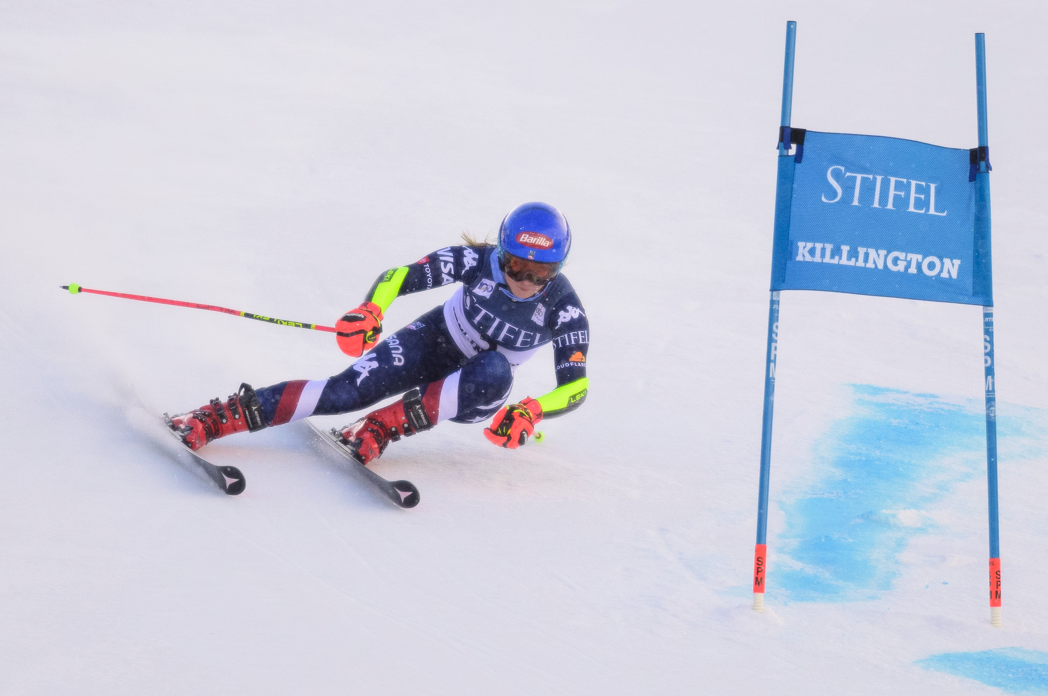
A.J. Oliver, a PSIA Alpine Team Member, highlights Giant Slalom (GS) as a prime event for technical observation. "The giant slalom turn is often called the mother of all turns for a reason," Oliver notes. "When watching, my eye immediately goes to the finish of the turn. The most successful skiers release their skis early and transition effortlessly, while those struggling get ‘stuck’ on their old edges." This early, clean, and directional release is what separates the elite from the rest.
From a technical perspective, Oliver advises observing stable upper bodies, balanced stances, and continuous movement. Elite GS racers align and balance on the new ski early in the turn, creating shape higher up the slope. This critical action provides the direction and momentum needed for an early release and a fluid transition into the next turn.
The implications for student instruction are significant. While recreational skiers’ objectives differ vastly from World Cup racers, the underlying biomechanical principles remain universal. Many beginner to intermediate skiers struggle with edge release and initiating movement down the hill. By focusing on maintaining a stable upper body, achieving a balanced stance, and encouraging continuous movement with the skis, instructors can help students overcome these hurdles, fostering greater confidence and effectiveness on steeper terrain. Observing how professional athletes leverage these fundamentals provides a clear visual blueprint for instructors to reference and adapt.
Snowboard Halfpipe: A Symphony of Power and Precision
AASI Snowboard Team Member Cori Lambert points to the Snowboard Halfpipe as another goldmine for technical analysis. "It’s one of the most technical and dangerous events, demanding incredible stamina, strength, accuracy, power, and, of course, style," Lambert explains. Qualification for the Olympics is a grueling process through FIS World Cup events and World Championships, emphasizing consistency and injury management alongside raw talent.
The Superpipe, with its formidable 22-foot walls and 64-foot width, requires precise, technical riding. Elite riders often opt for longer, full-camber boards to optimize edge control, contact, and stability during takeoffs and landings. Crucially, line choice and speed dictate the height achieved above the lip, allowing athletes to manipulate DIRT (Duration, Intensity, Rate, and Timing) to execute complex spins, flips, and grabs.
For students and aspiring riders, the foundational principles observed in halfpipe apply broadly to all aspects of snowboarding. Accurate carving and the ability to adjust DIRT are essential. Analyzing how athletes choose their line and utilize tilt throughout the pipe helps students navigate not only the halfpipe itself but also improves their understanding of carving, euro carves, revert carves, quarter pipes, and even riding on ice. Lambert emphasizes that with proper board choice and carving mastery, a strong halfpipe foundation can be built, even without direct access to a Superpipe, highlighting the transferability of core skills.
Technological Advancements and the Viewer Experience
The 2026 Games will undoubtedly push the boundaries of sports broadcasting and viewer engagement. Advanced camera systems, including drone technology and athlete-worn sensors, will provide unprecedented perspectives, bringing spectators closer to the action than ever before. Real-time data overlays, showcasing speed, airtime, G-forces, and physiological metrics, will enrich the viewing experience, offering deeper insights into the athletes’ performance and the demands of their respective sports. Virtual reality (VR) and augmented reality (AR) integrations are also expected to play a larger role, offering immersive experiences for those watching from home.
The Road Ahead: Legacy and Anticipation
As Milano Cortina 2026 draws nearer, the final preparations are underway to ensure a seamless and memorable Olympic experience. The Games are more than just a competition; they are a celebration of human potential, cultural exchange, and the unifying power of sport. The blend of iconic athletes, groundbreaking new events, and a forward-thinking host model positions Milano Cortina 2026 to be a pivotal moment in Olympic history. For both casual fans and dedicated snow professionals, the upcoming Winter Olympics offers a unique opportunity to witness greatness, learn from the best, and be inspired by the relentless pursuit of excellence on the world’s grandest winter stage. The legacy of these Games is expected to extend far beyond the medal ceremonies, fostering sustainable development, promoting active lifestyles, and leaving an indelible mark on the landscape of international sports.
