

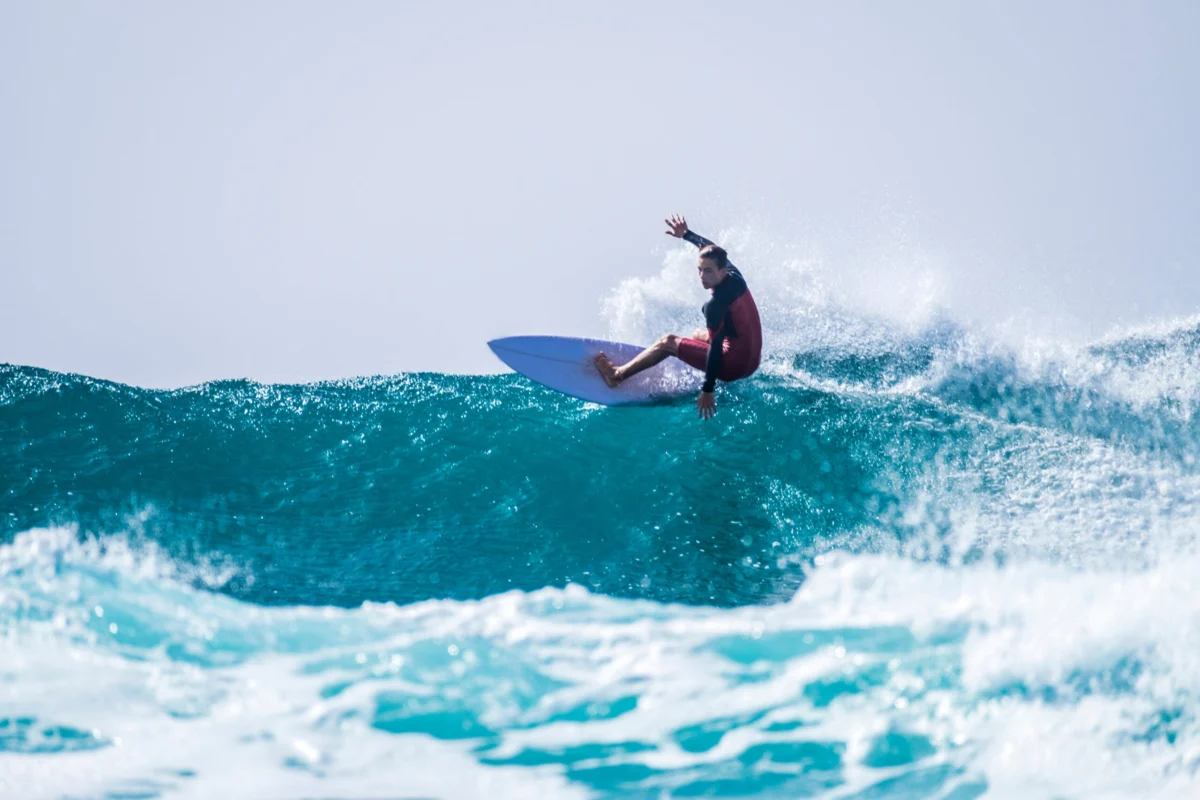
The Surfing Super League (SSL) has officially announced its highly anticipated launch in Sydney, marking a significant pivot in the landscape of professional surfing. This groundbreaking initiative introduces a franchise-based model, featuring eight distinct market-aligned teams, a roster of 48 contracted elite athletes, and a debut season slated for the summer of 2028. The league’s ambitious vision aims to address long-standing commercial challenges within the sport, particularly its inherent unpredictability, by creating a more structured, broadcast-friendly, and commercially viable competitive framework.
A New Era for Australian Surfing: Franchises and Formats
The eight chosen markets represent some of Australia’s most iconic surf regions, reflecting a strategic decision to tap into existing surfing communities and foster strong regional identities. These include the Sunshine Coast, Burleigh Heads, Snapper Rocks, the Northern Rivers region of New South Wales, Newcastle, Sydney’s Northern Beaches, Sydney’s South, and Melbourne. This geographical spread ensures a national footprint, aiming to cultivate passionate fan bases for each franchise.
At the core of the SSL’s innovation lies a radical reimagining of the competition format. Designed for maximum spectator engagement and broadcast efficiency, the league will feature four teams competing simultaneously in each heat. Each team will field four surfers: three men and one woman. The competition is divided into two 40-minute halves, with every wave ridden contributing to a team’s overall score. A crucial element of the format is the designated "Power Surfer," who earns an additional scoring opportunity at the conclusion of each half, adding a strategic layer and potential for dramatic comebacks. This entire contest structure is engineered to fit within a tight 90-minute broadcast window, eliminating the notorious waiting periods and lay days that have historically plagued traditional surf events due to unpredictable ocean conditions.
Player Welfare and Emerging Tensions
A cornerstone of the SSL’s announced strategy is its commitment to athlete compensation. Reports indicate that each contracted athlete will receive a substantial $89,000 for the season, irrespective of gender. This move towards equal pay is a significant step forward for professional surfing, where historical pay disparities have been a persistent issue. The roster composition further highlights the league’s intention to integrate both male and female athletes, with each team featuring four men and two women. Additionally, the league is establishing a junior pathway with an explicit 50/50 gender split, signaling a long-term commitment to developing talent equitably.
However, this structural design also presents an interesting dynamic. While equal pay is a laudable goal, the current roster configuration means that women constitute only one-third of each team and, consequently, 25 percent of the surfers competing at any given time. The format does, however, grant the female surfer the "Power Surfer" role during the first half of each heat. This strategic placement provides her with a significant opportunity to influence the outcome of the match, potentially mitigating some of the numerical imbalance. The effectiveness and perception of this arrangement will likely be a key point of discussion and observation as the league progresses.
The Bigger Bet: Taming Unpredictability
The Surfing Super League’s fundamental objective is to address what is arguably surfing’s most significant commercial hurdle: its inherent unpredictability. Traditional surfing competitions are intrinsically tied to the whims of the ocean. Swell size, wind direction, and tidal patterns can dictate whether contests can run, often leading to lengthy delays, rescheduling, and a fragmented viewing experience for audiences. The SSL’s model directly confronts this by replacing oceanic uncertainty with a controlled environment, a fixed schedule, and a guaranteed broadcast window.

By introducing team scores, fostering regional rivalries between franchises, and guaranteeing a condensed, action-packed viewing format, the SSL aims to transform surfing into a more easily packaged and marketable product for television and digital streaming platforms. This approach aligns with a broader trend observed across various action sports, where leagues are increasingly adopting team-based structures, franchise ownership, and fixed calendars to enhance their appeal to broadcasters and commercial partners.
Leadership and Investment
The strategic direction of the SSL is spearheaded by Chris Mater, a former executive at Red Bull and the former CEO of Surfing Australia. His extensive experience in sports marketing and event management provides a strong foundation for the league’s ambitious plans. David Ellsworth serves as the lead investor, underscoring the significant financial backing behind this venture. The league is currently in active discussions with potential broadcast partners, with no network affiliation announced at this early stage. Securing a robust broadcast deal will be critical to the SSL’s success in reaching a wide audience.
Developing the Next Generation
Beyond the professional competition, the SSL is committed to building a comprehensive development pathway. This initiative aims to create a seamless connection between its professional franchises and the grassroots of Australian surfing, including junior and amateur levels. This proposed structure offers an alternative and potentially more accessible route into professional surfing for Australian athletes, diverging from the traditional, often challenging, international tour circuit. Such a pathway could foster a new generation of surfers who are not only skilled but also deeply integrated into the franchise system, creating a more sustainable and supportive ecosystem for talent development.
The Audience Question
The ultimate success of the Surfing Super League hinges on a fundamental question: does surfing’s established audience desire this level of structure and predictability? While the commercial benefits of a more controlled environment are evident for broadcasters and sponsors, the raw, elemental nature of surfing is a significant part of its appeal. The sport’s deep connection to nature and the thrill of witnessing athletes conquer challenging, unscripted conditions are deeply ingrained in its culture. The SSL’s team-based, clock-driven format represents a significant departure from the traditional contest model that has defined professional surfing for decades.
The league’s innovative approach, while promising from a commercial and logistical standpoint, will need to resonate with a diverse fan base that includes purists who value the raw essence of wave riding and newer audiences attracted to the spectacle of team-based sports. The tension between maintaining the sport’s authentic spirit and adapting it for mainstream commercial appeal will be a critical factor to monitor.
A Test Case for the Future
The Surfing Super League’s inaugural season in the summer of 2028 will serve as a crucial test case for this new paradigm in professional surfing. The league’s ability to attract top talent, secure strong broadcast partnerships, and cultivate dedicated fan bases will determine whether this ambitious model can redefine the future of the sport. The groundwork laid by the SSL could pave the way for similar innovations in other wave-riding disciplines and action sports grappling with the challenges of commercial viability in inherently unpredictable environments. The coming years will reveal whether this bold bet on structure and predictability can successfully elevate professional surfing to new heights.
