

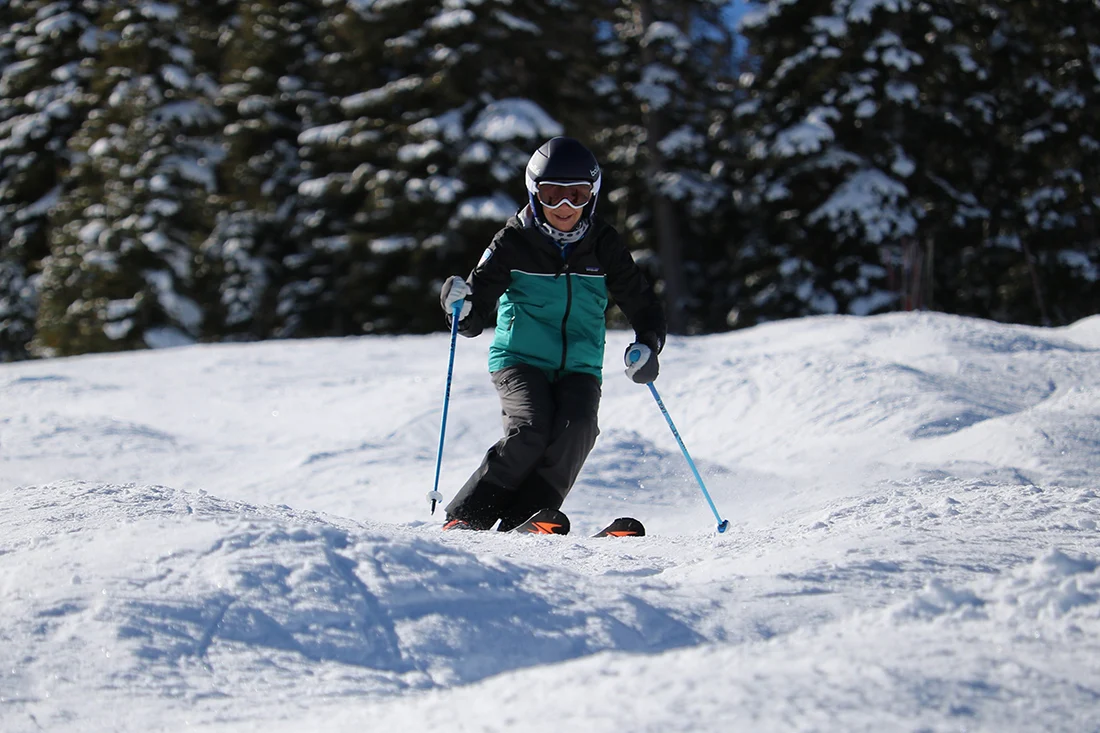
Mirroring, defined as the act of copying another person with the explicit intention of understanding their actions and perspectives, is emerging as a foundational and highly effective instructional strategy within the global snowsports community. This technique, deeply rooted in human evolutionary biology and supported by modern neuroscience, offers profound benefits for enhancing learning, fostering empathy, and building trust between instructors and students. Its practical application was notably demonstrated and discussed at the prestigious Interski 2023 congress in Levi, Finland, where international experts showcased its potential to revolutionize teaching methodologies.
The Evolutionary Roots of Kinesthetic Empathy and Learning
The human capacity to learn by observing and imitating others is not merely a pedagogical tool but a fundamental survival strategy honed over millions of years. This intrinsic ability is underpinned by what scientists refer to as motor resonance—the neural mechanism that allows individuals to match observed actions with their own motor repertoire. This foundational capability is ancient, with evidence suggesting its presence in many vertebrates over 100 million years ago. For instance, dogs exhibit synchronized movements when walking in a pack, adjusting speed, turning, and pace in unison. Similarly, young songbirds learn complex vocalizations by meticulously listening to and imitating their parents.
Among primates, observational learning evolved to a sophisticated degree tens of millions of years ago, enabling the acquisition of complex behaviors such as chimpanzees’ use of tools for termite fishing or bonobos’ intricate social greetings and chasing games. However, the most advanced form of learning, intentional teaching, is believed to have developed more recently within our genus, Homo. The creation of sophisticated stone tools, for example, required more than mere observation; it necessitated purposeful demonstration and guided practice—true teaching—to transmit the intricate skills involved.
Modern learning theories, such as Albert Bandura’s Social Learning Theory, align seamlessly with these evolutionary perspectives. Bandura’s work, which emphasizes learning through observation, imitation, and modeling, can be viewed as a contemporary psychological framework built upon these ancient, ingrained evolutionary mechanisms. The concept of "mirror neurons," discovered in the 1990s, further elucidates the neurological basis of mirroring. These specialized brain cells fire both when an individual performs an action and when they observe someone else performing the same action, creating an internal simulation that facilitates understanding and imitation. This neural pathway provides a direct link between observation, empathy, and motor learning, underscoring why mirroring is such an effective pedagogical tool.
Interski 2023: A Global Platform for Brain-Based Learning
Interski, held every four years, is the premier international congress for snowsports instruction, bringing together national demonstration teams and educational leaders from around the world. It serves as a vital forum for sharing innovative teaching methodologies, technical advancements, and research in snowsports pedagogy. Interski 2023 in Levi, Finland, continued this tradition, providing a global stage for exploring cutting-edge approaches to learning.
A highlight of the congress was the series of sessions presented by the Czech Republic National Team, focusing on brain-based learning. This educational philosophy consciously aligns instructional methodologies with scientific evidence from neuroscience regarding how the brain most effectively receives, processes, and retains information. The Czech team’s approach underscored the profound impact of mirroring on learning and interpersonal connection.
During a compelling on-snow session, approximately 40 participants, including instructors from various nations, were directed to form a large circle. The initial instruction was to select a partner solely through eye contact, without any verbal communication. This exercise, designed to bypass superficial interactions and tap into non-verbal communication, initially resulted in a palpable, albeit brief, period of awkward silence and darting glances. Within a minute, however, each individual successfully established eye contact, signaled mutual acknowledgment through subtle non-verbal cues, and gravitated towards their chosen partner. This rapid formation of partnerships, driven entirely by silent communication, immediately set a tone of focused observation and intuitive connection.
Angelo Ross, representing the Eastern Alpine and Children’s Examiner, partnered with Angela Cesnik from the Australian National Team (APSI). Following a brief exchange of names and a shared chuckle over their similar-sounding names, they received the next set of instructions: stand face-to-face, approximately two feet apart, and, again without speaking, decide who would lead an upcoming activity. Remarkably, without a single spoken word, the partners collectively determined leadership roles; in Ross’s case, Angela Cesnik naturally assumed the lead.
Leaders were then tasked with performing a 60-second pantomime of their morning bathroom routine. Followers were instructed to precisely reproduce these movements, acting as a direct, reflective mirror. This meant coordinating opposite limbs and directions—if the leader "brushed their teeth" with their right hand, the follower used their left; if the leader turned left, the follower turned right. The scene was described as both comical and profoundly insightful, with 40 strangers emulating intimate personal routines, from oral hygiene to applying deodorant. This shared, slightly vulnerable, and often humorous experience rapidly forged connections and broke down initial barriers. After one round, roles were reversed, allowing each partner to experience both leading and following. This unique icebreaker, despite its unusual premise, proved remarkably effective in establishing rapport and mutual understanding in a compressed timeframe.
The session then progressed to tandem mirroring on skis. Partners skied in the same direction, with the original leader making predictable medium-radius turns. The follower skied closely behind, meticulously positioning their body, limbs, poles, helmet, and skis to replicate the leader’s movements exactly. At a predetermined stopping point, the follower articulated how mirroring had altered their technical performance and perceptions. Roles were then switched for the remainder of the run. The experience extended beyond the slope, with Ross and Cesnik engaging in in-depth discussions during the lift ride about similarities and differences in their techniques, the impact on their performance, the values of their respective associations (APSI and PSIA-AASI), and even broader global topics. This rapid, high-impact exchange underscored the power of shared experience and focused observation in fostering deep learning and cross-cultural understanding.
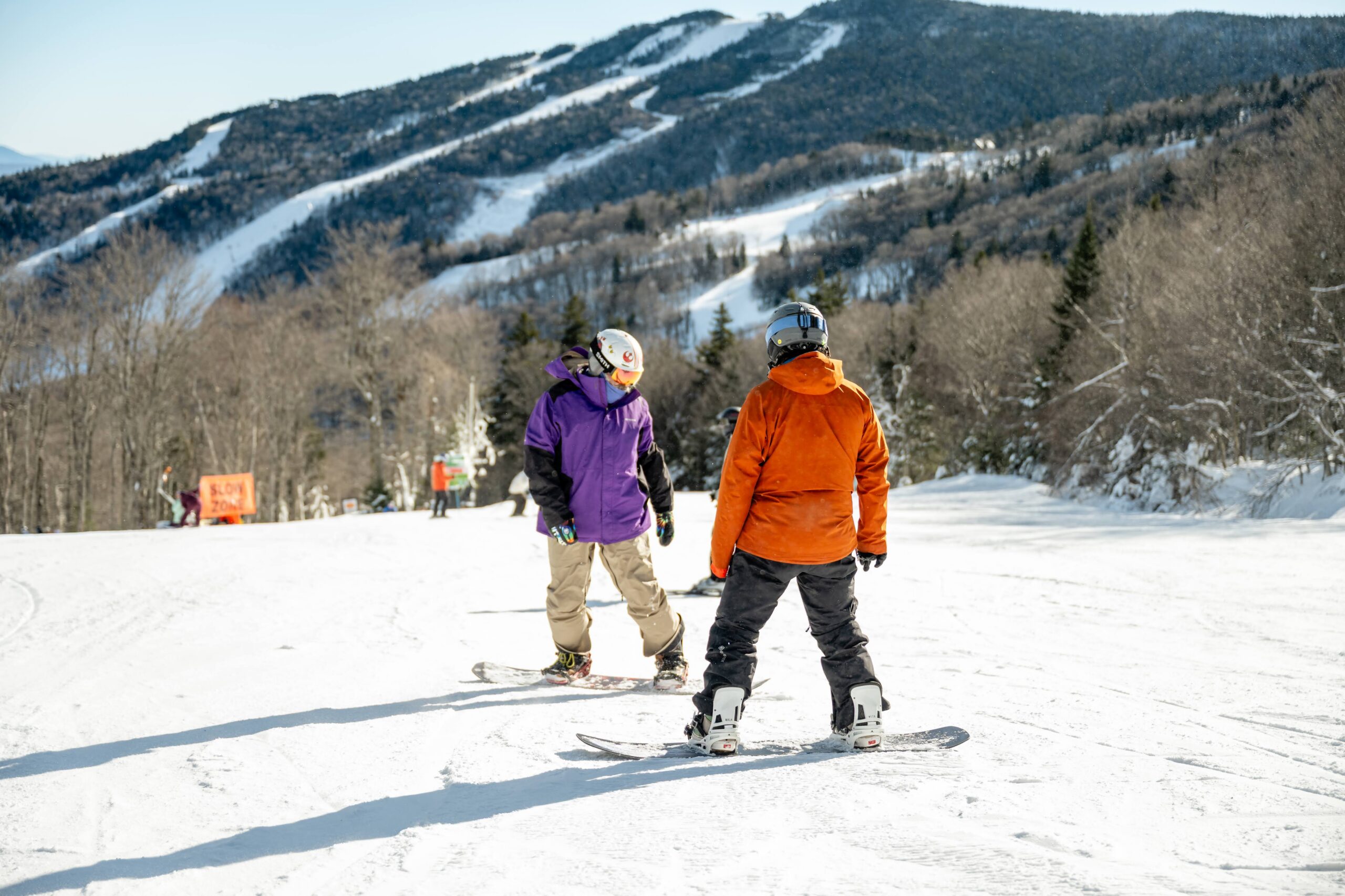
The subsequent indoor session provided the scientific rationale for these on-snow exercises. Czech researchers elaborated on the neurological and psychological mechanisms at play, explaining how mirroring activities directly facilitate trust, empathy, and understanding. They presented data supporting the hypothesis that kinesthetic imitation primes the brain for social connection and accelerated skill acquisition, validating the practical effectiveness observed on the slopes.
Pioneering Practice on American Slopes: The Legacy of Ellen Post Foster
The value of mirroring as a teaching tool is not a novel concept but rather a time-tested strategy employed by some of the most influential figures in snowsports instruction. Ellen Post Foster, a U.S. Ski & Snowboard Hall of Famer (Class of 2016) and 2021 Colorado Snowsports Museum Hall of Famer, exemplifies this principle. Her distinguished career includes being the 1973 Junior National Champion of Exhibition Skiing, an international freestyle champion in 1975, and an alumna of the 1980 and 1984 PSIA National Demonstration Teams. A prolific snowsports author and a co-author of the current Teaching Snowsports Manual, Foster’s expertise is unparalleled.
Her instructional philosophy inherently incorporates mirroring. Angelo Ross recounts experiences skiing with Foster where she would subtly position herself behind him, observing his movements meticulously. As Ross describes, Foster has an almost imperceptible presence on the snow, moving with such finesse that she seems to "never damage a snowflake." During one such instance, after Ross believed they had become separated, Foster reappeared at the lift, informing him that she had been intentionally following him "to understand my skiing." Crucially, she then respectfully requested permission to share her observations and provide feedback—a testament to her student-centered approach and understanding that genuine learning stems from trust and mutual respect. Ross, recognizing her expertise, immediately accepted her insights and continues to integrate them into his own skiing.
Foster’s method of following students to gain insight into their performance is not merely an anecdote; it is a foundational teaching skill explicitly mentioned multiple times in the Teaching Snowsports Manual. This highlights mirroring as a recognized best practice within professional snowsports instruction, emphasizing the importance of an instructor’s ability to not just demonstrate but also deeply understand the student’s unique movement patterns and challenges.
Mirroring in Contemporary Instructional Design: Broadening Application
Inspired by the profound impact of the Interski sessions, Angelo Ross has actively integrated mirroring into his instructional strategies in the United States, demonstrating its versatility across different snowsports disciplines and participant groups.
In November, at the Rocky Mountain Telemark Education Staff Training, Ross implemented a format similar to the Czech team’s approach. This involved an initial indoor session designed to foster rapid connection and trust between paired partners, followed by an outdoor session that demanded precise observation and honest, constructive feedback. The structure mirrored the Interski experience, aiming to replicate the rapid establishment of rapport and deep learning.
Subsequently, in December, Ross adapted the on-snow mirroring concept for a group of National Ski Patrol leaders attending the Outdoor Emergency Transportation Conference at Killington, Vermont. In this context, the modified mirroring activity facilitated partner observation and subsequent discussions about how varied movement patterns could be applied effectively in different emergency scenarios. The feedback from both sessions was overwhelmingly positive, with participants frequently citing the rapid development of trust, the ease of connecting quickly with partners, and the depth of learning achieved through the mirroring exercises. These outcomes underscore mirroring’s efficacy not only in technical skill development but also in fostering critical thinking and collaborative problem-solving.
Strategic Integration and Broader Implications
The strategic integration of mirroring into snowsports instruction offers a multitude of benefits, enhancing both teaching effectiveness and student outcomes:
- Enhanced Instructor Insight: When instructors mirror students, they gain invaluable insights into the student’s understanding, motor patterns, and challenges, moving beyond superficial observation to a deeper, empathetic comprehension.
- Improved Student Understanding and Skill Development: When students mirror instructors or peers, it encourages precise communication, facilitates trust, and directly contributes to their skill acquisition by engaging motor resonance and observational learning.
- Challenging the "One-Right-Way" Mentality: Mirroring activities, particularly when peers mirror each other’s varied movement patterns, provide tangible evidence against the often-ingrained belief that there is only one "correct" way to perform a skill. This fosters an appreciation for diverse approaches and promotes adaptability.
- Building Camaraderie and Trust: The shared experience of mirroring, especially in its reflective and tandem forms, quickly builds rapport and camaraderie within groups. The vulnerability and shared focus inherent in these activities accelerate the formation of trust, creating more conducive learning environments.
- Engaging and Dynamic Learning: Incorporating mirroring into common "Follow Me" activities injects novelty and purpose, increasing student interest and engagement. This naturally evolves into games, movement pattern explorations, and experiments—all best practices in teaching and learning, aligning perfectly with PSIA-AASI fundamentals for dynamic instruction.
The scientific backing, historical precedence, and demonstrated effectiveness of mirroring position it as a critical tool for the ongoing evolution of snowsports instruction. It aligns with modern pedagogical trends emphasizing experiential learning, social interaction, and brain-based strategies. Professional organizations like PSIA-AASI are increasingly recognizing and integrating such nuanced approaches into their instructor development and certification programs. By actively exploring mirroring through research, practice, reflection, and refinement, instructors can significantly enhance the learning experience, deepen connections with their students, and contribute to a more adaptive, empathetic, and effective future for snowsports education. This time-tested, research-backed strategy, woven into the very fabric of our species’ learning capabilities, provides a powerful pathway for instructors and students alike to evolve their understanding, performance, and teaching of snowsports.
