

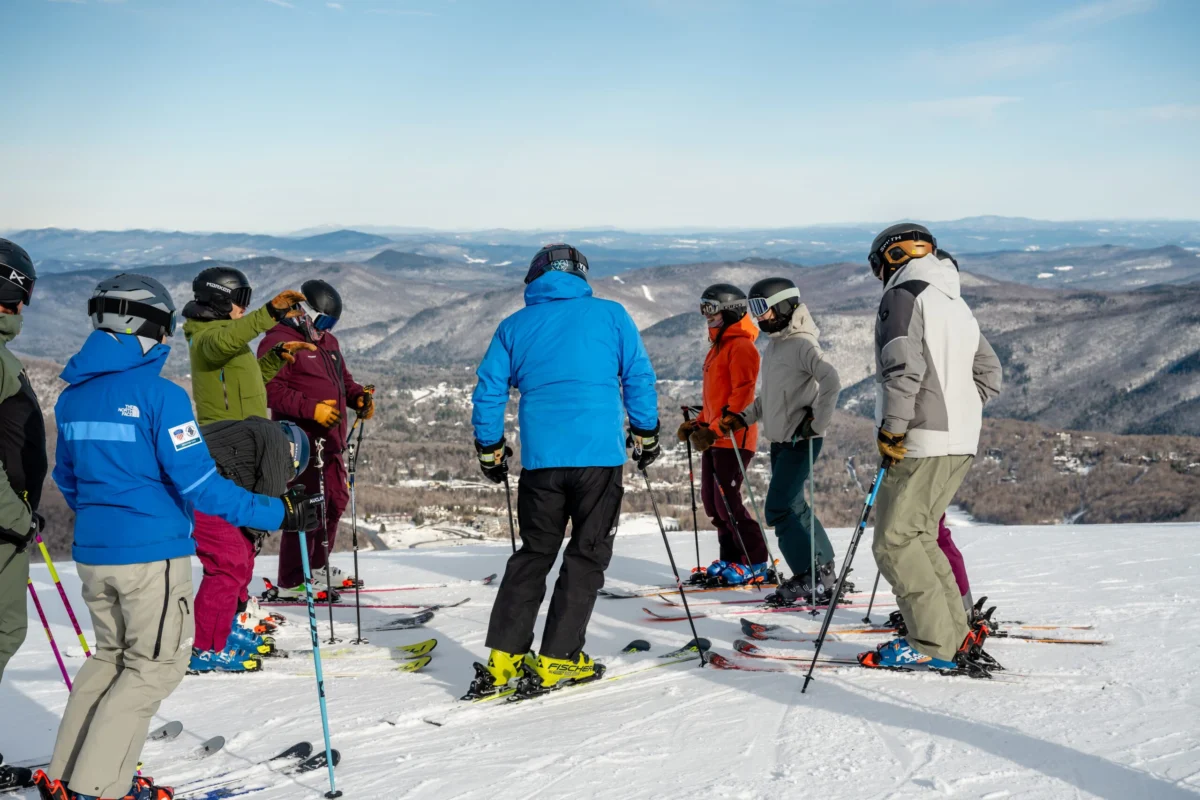
The fundamental skills underpinning exceptional snowsports instruction remain constant, yet the methodology for fostering, developing, and validating these skills has undergone a transformative evolution. Over the past several years, the Professional Ski Instructors of America and American Association of Snowboard Instructors (PSIA-AASI) has meticulously pursued a path of national strategic alignment, fundamentally reshaping its educational, professional development, and credentialing frameworks. This initiative aims to cultivate a more consistent and impactful experience for its extensive membership, ultimately benefiting the millions of snowsports enthusiasts who seek expert guidance on the slopes.
A Strategic Shift Towards National Consistency
PSIA-AASI, representing over 32,000 professional snowsports instructors across nine divisions in the United States, recognized the imperative to harmonize its standards and practices. Historically, while regional divisions shared core values, variations in educational resources, assessment tools, and professional development opportunities could lead to disparate experiences for members. The strategic alignment initiative, spearheaded by leaders like Dave Schuiling, PSIA-AASI Director of Education & Credentialing, sought to bridge these gaps. The core principle guiding this transformation is that certification should serve as a genuine validation of the skills that outstanding instructors consistently demonstrate in their daily interactions with students. This is not merely an administrative overhaul but a philosophical recalibration designed to elevate the entire profession.
The journey toward this alignment began approximately five to seven years ago, driven by a desire to enhance the value of PSIA-AASI credentials and ensure a uniform level of excellence across the country. Key milestones have included the development of common standards applicable to all disciplines (ski, snowboard, telemark, adaptive), the implementation of unified assessment tools, and the creation of nationally aligned resources. These efforts have culminated in a more cohesive system, fostering a shared understanding of what constitutes great instruction and providing a clearer pathway for professional growth.
The Learning Connection: Pillars of Great Instruction
Central to PSIA-AASI’s revised framework is the "Learning Connection" model. This comprehensive paradigm defines the essential competencies of a snowsports professional through three interconnected areas: People Skills, Teaching Skills, and Technical Skills. These are not isolated theoretical constructs but rather the actionable professional capabilities that forge meaningful learning experiences for both guests and fellow instructors. They articulate the essence of effective instruction and form the bedrock for all educational programs, professional development initiatives, and credentialing processes within PSIA-AASI.
- People Skills: These form the foundational layer, emphasizing the establishment of trust and rapport. Key elements include building relationships based on mutual respect, engaging in genuine two-way communication, understanding and managing one’s own emotions and actions, and keenly recognizing the motivations and emotional states of others. Trust, as highlighted by Schuiling, is the cornerstone of learning. When students trust their instructor, they become more receptive to feedback, willing to experiment, take calculated risks, and embrace challenges, thereby accelerating their learning journey.
- Teaching Skills: Once trust is established, Teaching Skills come into play, creating an environment conducive to growth. This involves collaborating effectively with learners, setting clear and meaningful goals, adapting instruction to meet evolving needs, managing information and experiences efficiently, fostering exploration and discovery, and facilitating critical reflection. This approach underscores that learning is an active co-creation between instructor and student, rather than a passive transmission of knowledge.
- Technical Skills: Completing the trifecta, Technical Skills provide the necessary expertise in movement analysis, sport science, and demonstration. Instructors must possess a deep understanding of snowsports mechanics and performance to accurately assess student needs, communicate complex concepts clearly, and guide development with confidence, precision, and purpose. This technical mastery empowers instructors to effectively translate abstract principles into tangible improvements on the snow.
Together, these three skill sets create a powerful synergy that maximizes instructional impact. The goal is not merely to impart technical knowledge but to cultivate an environment where students feel understood, achieve success, build confidence, and forge a lasting connection with the sport and the mountain environment.
Redefining Certification: Beyond Performance to Authentic Demonstration
A significant shift within PSIA-AASI’s aligned system is the philosophical approach to assessment and certification. The traditional view of an assessment as a staged performance for an examiner has been replaced with an understanding that it is an opportunity to authentically demonstrate teaching, coaching, and technical application in a real-world context. The objective is not to evaluate a candidate’s ability to replicate a rehearsed progression or memorize a specific teaching approach. Instead, examiners seek to understand how effectively candidates build relationships, facilitate learning, and apply their technical understanding to genuinely meet the diverse needs of their students.
This philosophy ensures that the assessment process truly captures what professional snowsports instructors do daily. The standards define the expected skills, education introduces and develops them, professional development refines them, and credentialing validates them. Each component plays a distinct role, yet together they form a comprehensive pathway supporting continuous growth throughout an instructor’s career.
The Instructor’s Journey: From Curiosity to Professional Development
The pathway to becoming a certified snowsports professional typically begins with learning. This could manifest as attending a clinic, engaging in e-learning modules, participating in training sessions, seeking mentorship, or gaining practical teaching experience. Initial learning often sparks curiosity, prompting instructors to ask questions, seek deeper understanding, and explore new possibilities. As comprehension grows, curiosity frequently evolves into a genuine passion for teaching and the sport itself.
Passion, in turn, fuels development. Instructors actively seek opportunities to enhance their skiing or riding proficiency, refine their teaching methodologies, sharpen their movement analysis skills, improve communication, and cultivate leadership qualities. This involves a deliberate and intentional approach to personal and professional growth. They actively solicit feedback, engage in reflective practice, and consistently challenge themselves to expand their knowledge base and effectiveness.
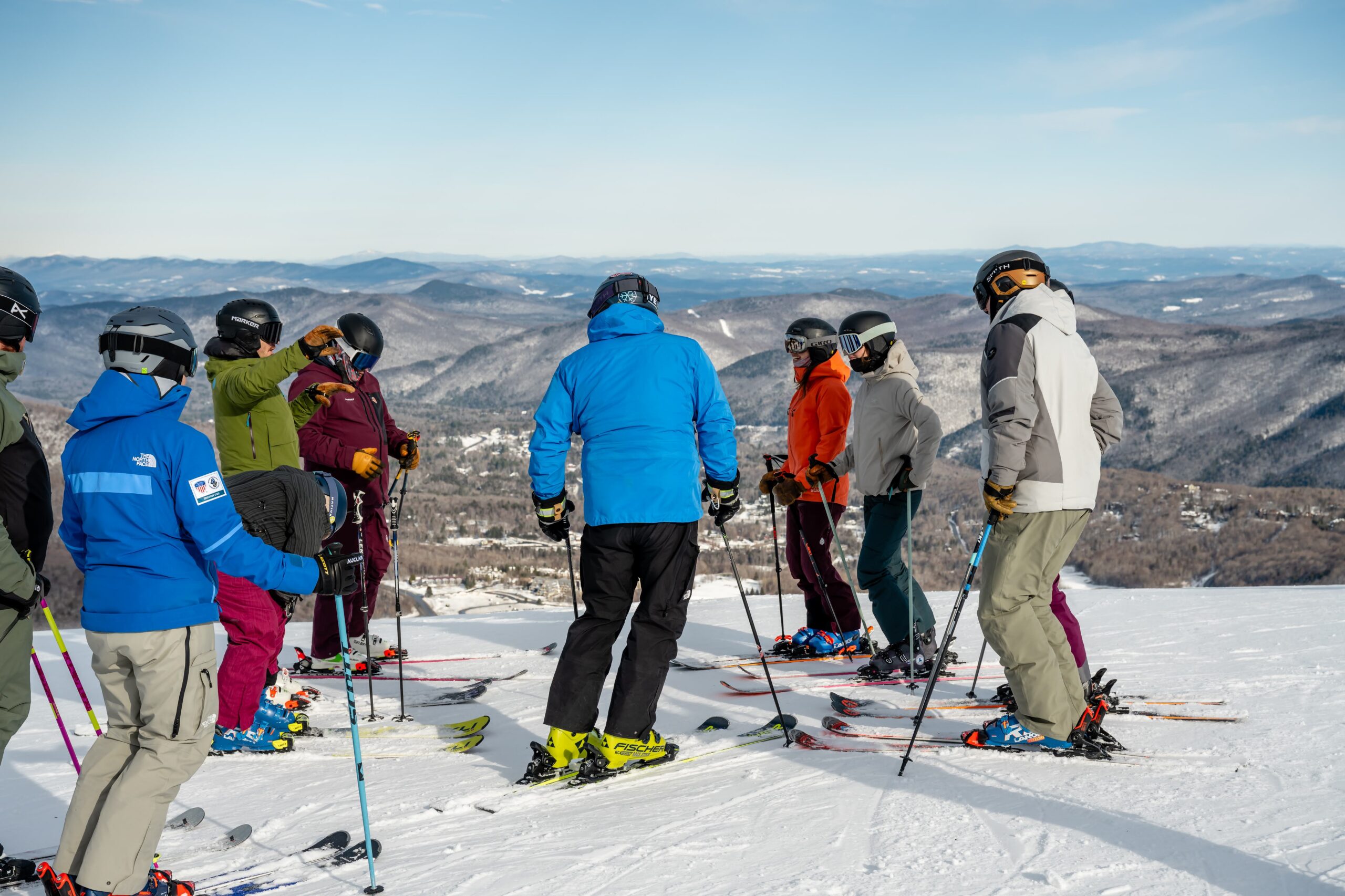
Over time, this individual development matures into professional development. This is distinct from simply accumulating continuing education credits or preparing solely for an assessment. Professional development, within PSIA-AASI’s framework, is the deliberate and sustained pursuit of growth—a commitment to becoming more capable, adaptable, and effective in crafting meaningful experiences for guests. It acknowledges that expertise is not a fixed destination but an ongoing, dynamic process of refinement and learning.
Credentialing, while a crucial component, is positioned within this broader process, not as the ultimate goal itself. A certification assessment represents a snapshot in time, validating the knowledge, skills, and behaviors acquired through extensive experience, formal education, and continuous professional growth. A credential signifies that an instructor consistently meets the rigorous standards associated with a specific level of professional practice. The true objective, therefore, is not merely to earn the credential, but to become the caliber of instructor who inherently merits it.
This perspective reframes assessments from high-stakes trials into opportunities for instructors to showcase the skills they have already honed through consistent daily practice with students and colleagues. The most effective preparation for certification, then, is the ongoing work of creating exceptional learning experiences, fostering strong relationships, adeptly solving problems, and continuously refining one’s professional competencies.
Trust as the Cornerstone of Learning
The emphasis on People Skills, particularly the cultivation of trust, is a critical insight. When students trust their instructor, they become more open to embracing challenges, asking probing questions, and engaging fully in the learning process. This psychological safety allows for experimentation and risk-taking, which are essential for skill acquisition and development in dynamic environments like snowsports. Trust creates the optimal conditions for learning to flourish.
Once this foundation of trust is established, Teaching Skills enable instructors to construct an environment where growth can occur organically. This collaborative approach recognizes that effective learning is not a one-way transmission but a shared endeavor, where instructors guide and facilitate discovery rather than merely delivering information.
Technical Skills then complete the equation, providing the practical understanding and performance capabilities necessary to accurately diagnose needs, articulate complex concepts simply, and guide student development effectively. This holistic integration of People, Teaching, and Technical Skills ensures that instructors can create a profound and lasting impact.
The Broader Impact and Implications for the Industry
The strategic alignment undertaken by PSIA-AASI carries significant implications for various stakeholders within the snowsports industry:
- For Instructors: The clarified pathway and consistent standards offer a more transparent and supportive framework for career progression. Instructors benefit from nationally aligned resources and professional development opportunities, ensuring that their growth is recognized and valued across the country. This enhanced professionalization can lead to greater job satisfaction and career longevity.
- For Snowsports Schools: School directors gain greater confidence in the quality and consistency of PSIA-AASI certified instructors. The standardized credentials mean that an instructor certified in one region will possess the same core competencies as one certified elsewhere, simplifying hiring and training processes. This also translates into a higher quality of instruction for guests, which is crucial for guest satisfaction and retention.
- For Guests: The ultimate beneficiaries are the snowsports enthusiasts themselves. They can expect a consistently high standard of instruction, regardless of the resort or region they visit. This consistency fosters trust in the instruction process, enhances their learning experience, and encourages repeat visits to the mountain, contributing to the overall growth of the sport. As Dave Schuiling notes, guests return not because of a perfectly delivered progression, but because they felt understood, experienced success, built confidence, and formed a meaningful connection.
- For the Snowsports Industry: The initiative contributes to the overall professionalization of snowsports instruction, elevating its status and appeal as a viable career path. By ensuring a robust pipeline of highly skilled and adaptable instructors, PSIA-AASI helps secure the future of snowsports, promoting safety, enjoyment, and continued participation.
Conclusion: A Vision for Lasting Impact
The strategic alignment was never merely about standardizing administrative processes or creating identical assessments. Its profound purpose was to cultivate a shared understanding of what constitutes truly great instruction. The standards define this vision, education develops it, professional development strengthens it, and assessments validate it.
The progression articulated by PSIA-AASI is both simple and powerful: learning sparks curiosity, curiosity evolves into passion, passion drives purposeful growth, growth becomes professional development, and professional development ultimately prepares instructors to earn credentials that recognize their innate ability to build trust, inspire learning, and create a lasting, positive impact on others.
This revitalized credentialing system accurately reflects the demanding and rewarding work of professional snowsports instructors, significantly increasing the value of PSIA-AASI credentials for its members, partner snowsports schools, and the countless guests they serve. In essence, certification, within this framework, transcends the mere act of passing an assessment. It embodies the comprehensive development of the knowledge, skills, and behaviors that empower individuals to learn, grow, and return to the mountain season after season, forever enriched by their experiences.
