

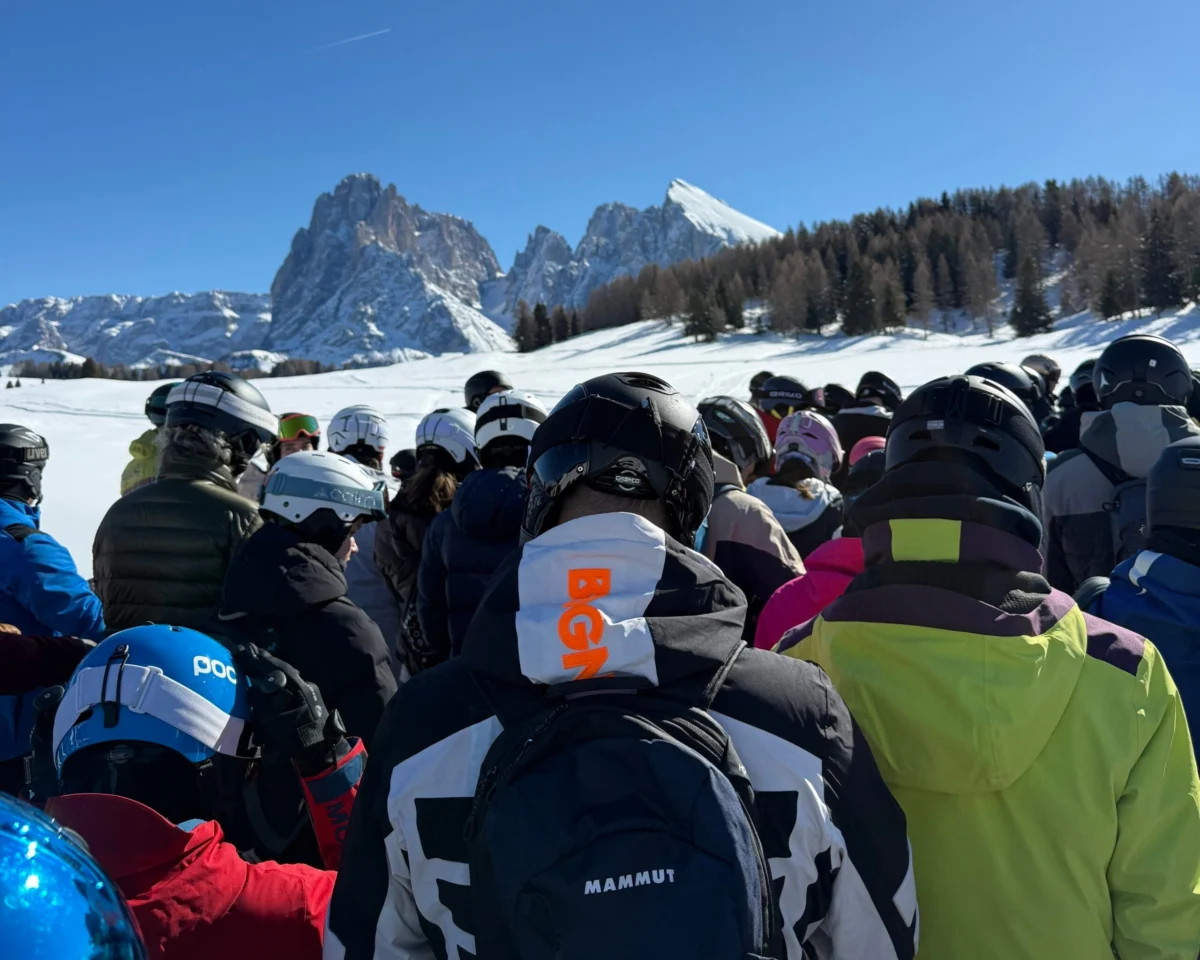
A bustling bluebird Saturday at Valle Nevado, a premier ski resort in the Chilean Andes, offered a stark contrast between the efficiency of modern lift technology and the disarray of its human-dependent boarding process. The Andes Express, lauded as the country’s fastest lift, a Poma model capable of traversing 1,355 feet in approximately six minutes, presented a paradox. While the mechanical marvel itself operated with impressive speed, the chaotic scrum of skiers vying for a spot aboard rendered its technological advantage largely irrelevant. This experience, far from isolated, has become a recurring observation for seasoned skiers traversing international slopes, sparking a discussion about the often-overlooked, yet critical, element of lift line etiquette.
The Valle Nevado Experience: A Case Study in Disorganization
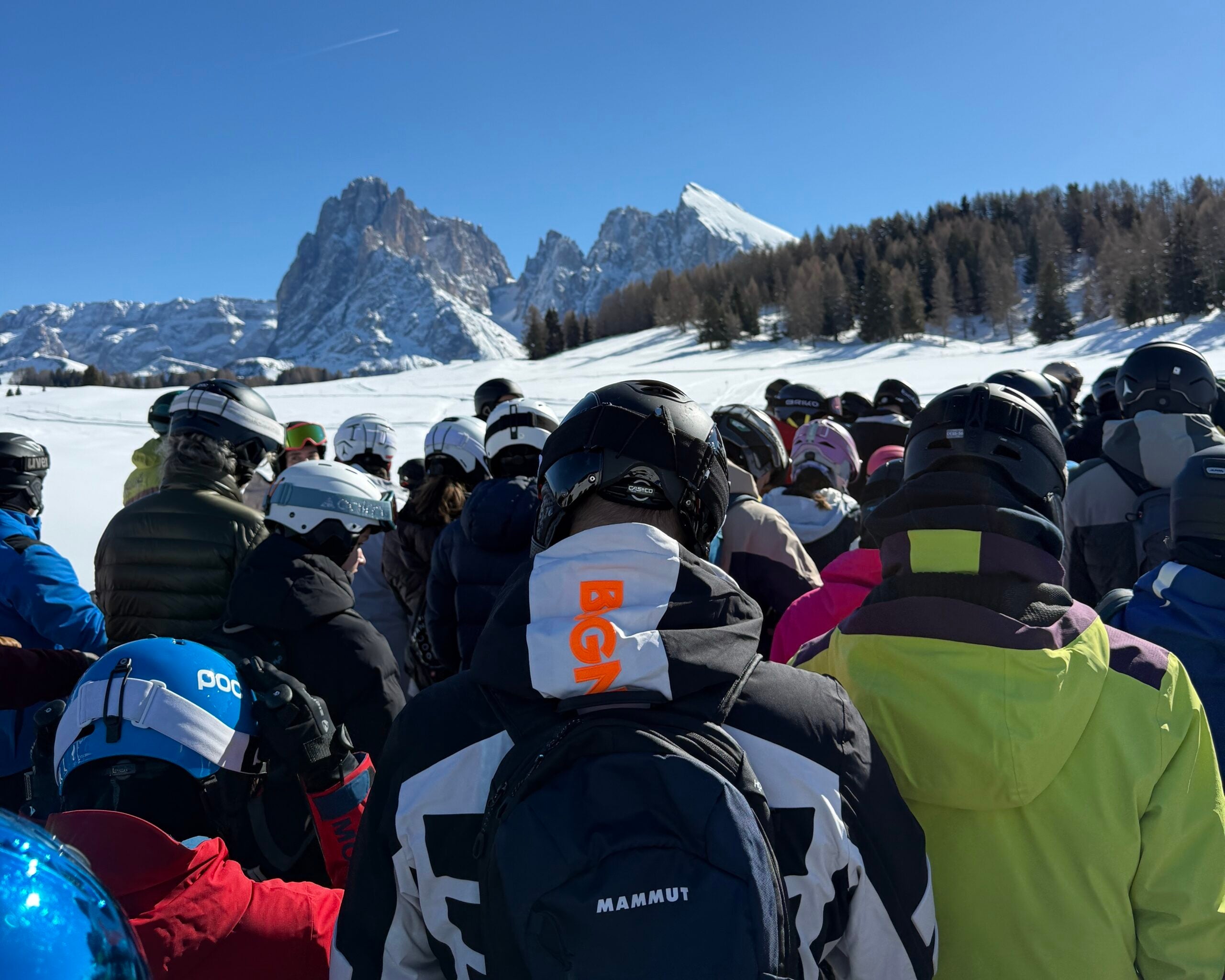
The author’s account from Valle Nevado on August 21, 2026, vividly illustrates the challenges faced. Despite entering the queue for the Andes Express with ski partners, the group was rapidly dispersed amidst a surge of skiers pushing forward with little regard for order. Designated lanes, a fundamental component of organized queuing, were present but lacked discernible lines within them. The scene was a confluence of ski school groups, competitive racing factions, and general resort patrons, all compressed into a disorganized mass. The author recounts skis being stepped on repeatedly, a common frustration for many in crowded lift lines, and by the time the loading zone was reached, the original group had been separated, ultimately riding the lift on different chairs, not even in sequential order.
Later that same day, a similar, albeit less intense, scenario unfolded at a single-person surface lift. Four skiers, in quick succession, disregarded the established protocol of merging, opting instead to bypass the queue to avoid waiting for one another at the summit. This observation, following a prolonged wait that exceeded anticipation, prompted a reflection on whether North American ski resorts might hold a distinct advantage over their international counterparts in the realm of lift line conduct. The author notes, "After waiting longer than anticipating to get moving uphill, I started to wonder if maybe, just maybe, skiing in North America had a one-up on international counterparts: line etiquette."
Beyond Chile: A Pattern of "Line Negentropy"
The author’s observations are not confined to South America. Similar instances of what can be termed "line negentropy" – a tendency towards disorder and randomness in queuing systems – have been experienced at prominent ski destinations in Italy and Austria. This suggests a broader pattern of differing approaches to managing crowds and maintaining order at ski resorts globally. While specific data on lift line efficiency and passenger flow across different continents is not readily available in public domain studies, anecdotal evidence from numerous skiing publications and online forums consistently highlights variations in queue management.
North American Lift Lines: The "Secret Superpower" of Order?
The article posits that North American ski resorts, often criticized for perceived "neuroticism" and an overemphasis on personal space, might possess a unique strength in their approach to lift lines. This perceived meticulousness, while sometimes viewed as excessive, translates into a more orderly and predictable queuing experience. The author suggests that the adherence to established line protocols, akin to the rules of the road, creates a safer and more pleasant environment. The risk of "cutting" in line, while less physically dangerous than a traffic violation, carries social repercussions such as disapproving glances and verbal admonishments, which appear to act as deterrents.
Key elements contributing to this perceived North American advantage include:
- Effective Merging: Skiers generally understand and adhere to the principles of merging into designated lanes, ensuring a smoother flow of traffic towards the lift.
- Single Rider Integration: Single riders are often observed to naturally fill empty spots on chairlifts, maximizing capacity without disrupting established groups.
- Group Cohesion: Families and groups are typically afforded the courtesy of waiting together, preserving their shared experience.
- Respect for Turn: A general understanding and respect for one’s turn in line is prevalent, minimizing pushing and shoving.
- Personnel Management: Many North American resorts employ staff to manage lift lines, particularly during peak periods, providing direction and enforcing order.
The Trade-offs: International Appeal vs. Queue Culture
The author acknowledges that there are numerous aspects of skiing abroad that are undeniably preferable. These include, but are not limited to, superior culinary offerings at mountain restaurants, expansive and often less crowded pistes, and the immediate engagement of the ski lift bar upon seating, a practice that enhances efficiency and security. However, when the specific context of lift line management is considered, the article contends that North American resorts may have a more refined system.
Data and Implications: Quantifying the Queue
While the article relies heavily on anecdotal evidence, the concept of lift line efficiency has broader implications for ski resort operations and customer satisfaction. Studies in operations management often explore queuing theory, which analyzes waiting lines to improve service. Factors such as arrival rates, service times (lift loading speed), and queue discipline (etiquette) all contribute to the overall waiting experience. A poorly managed queue can lead to:
- Reduced Customer Satisfaction: Long, chaotic waits can significantly detract from the overall enjoyment of a ski day, potentially impacting repeat visitation and word-of-mouth marketing.
- Increased Safety Concerns: Disorganized queues can lead to accidents, such as falls or collisions, particularly in crowded areas.
- Operational Inefficiencies: Inefficient boarding processes can slow down the entire lift system, reducing the number of skiers who can access the mountain and potentially impacting revenue.
While concrete statistical data comparing lift line efficiency across global resorts is scarce, the principles of queuing theory suggest that resorts with well-defined protocols and adherence to those protocols will likely experience shorter perceived wait times and higher customer satisfaction, even if the physical wait is similar. The "dignity" and "fairness" mentioned by the author are directly linked to the predictability and order inherent in a well-managed queue.
The American Perspective: "Sacrificial Zebra" or Systemic Advantage?
The author’s concluding thoughts offer a personal reflection on why this distinction in lift line etiquette might be so significant. The feeling of being a "sacrificial zebra in a wild pack to get trampled" encapsulates the anxiety and frustration associated with disorganized queues. Conversely, waiting one’s turn "fair and square" provides a sense of order and respect. This perspective, whether rooted in individual disposition or a cultural conditioning shaped by North American queuing norms, highlights the psychological impact of queue management on the overall skiing experience.
Ultimately, the article suggests that while international resorts may excel in other areas of the skiing experience, the meticulous, albeit sometimes perceived as overly rigid, approach to lift lines in North America offers a tangible benefit. This benefit lies not necessarily in shorter physical wait times, but in a more predictable, respectful, and ultimately more dignified queuing experience, which contributes to a more positive and enjoyable day on the slopes. The comparison serves as a reminder that even in the pursuit of speed and efficiency, the human element of order and consideration plays a crucial role in shaping our perceptions and experiences.
