

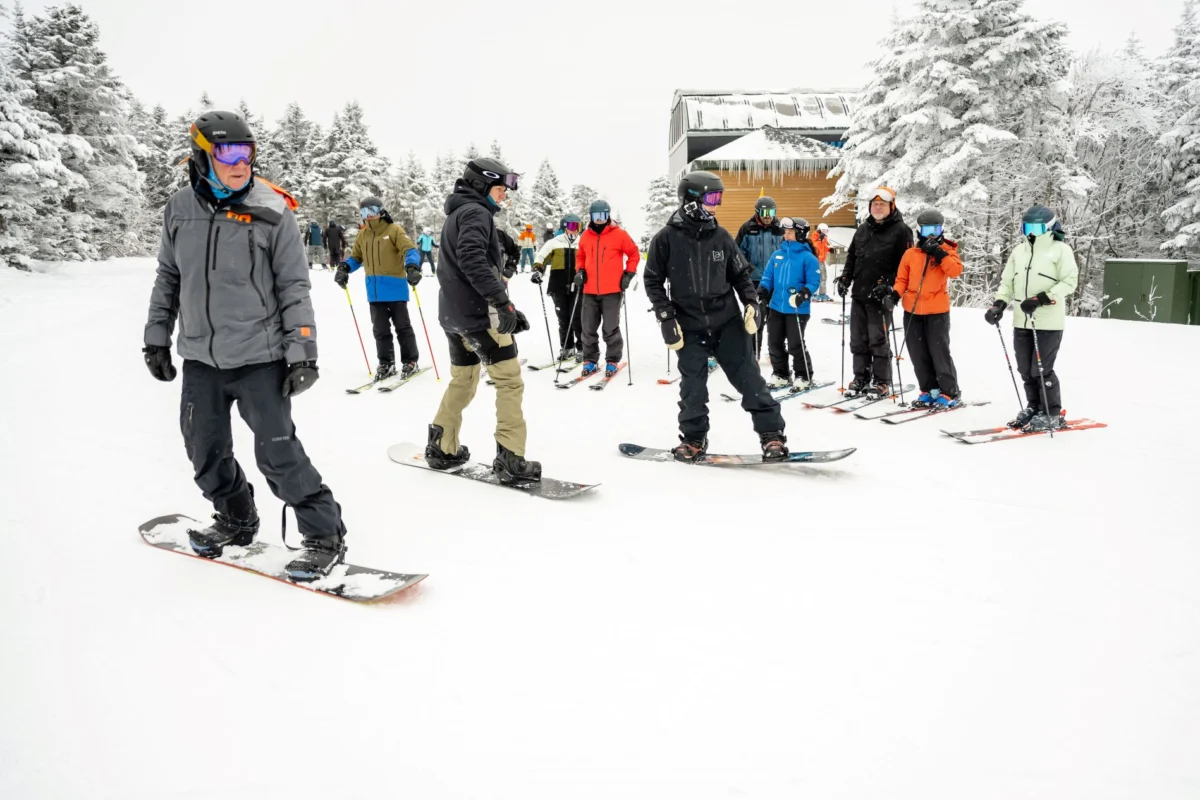
The professional landscape for snowsports instructors, shaped by the seasonal rhythms inherent to the industry, frequently prompts a critical discussion regarding career development: whether to pursue deep specialization or cultivate a broad range of skills. This ongoing dialogue, central to the Professional Ski Instructors of America and American Association of Snowboard Instructors (PSIA-AASI), reflects a fundamental principle observed in natural ecosystems: the value of both highly specialized and broadly adaptive entities for overall resilience and health. As the snowsports season transitions, instructors, much like the plant life around them, enter a period of introspection and preparation, contemplating their next phase of growth and how best to contribute to an evolving industry.
The Foundation: PSIA-AASI’s Role in Instructor Development
PSIA-AASI stands as the preeminent professional organization for snowsports instructors in the United States, representing over 32,000 members dedicated to elevating the standards of instruction. Since its inception, PSIA-AASI has been instrumental in codifying best practices, developing comprehensive educational pathways, and certifying instructors across various disciplines, including alpine skiing, snowboarding, cross-country skiing, telemark skiing, adaptive snowsports, and children’s instruction. The organization’s tiered certification system, ranging from Level I to Level III, provides a clear framework for professional advancement, recognizing increasing levels of knowledge, skill, and teaching efficacy.
Historically, the snowsports industry has seen a gradual professionalization of its instructional workforce. Early instructors often learned through apprenticeships or informal mentorships, with formal certification processes emerging in the mid-20th century to standardize quality and ensure safety. PSIA-AASI’s role expanded significantly in the latter half of the century, introducing more rigorous examinations and comprehensive educational resources. This evolution has fostered a culture of continuous learning, emphasizing that an instructor’s journey does not end with a single certification but is an ongoing commitment to honing craft and expanding understanding. The very act of engaging in snowsports instruction is inherently cyclical, mirroring the seasons, where periods of intense teaching and learning during winter give way to off-season activities, allowing for reflection, recovery, and preparation for the next cycle.
Economic and Participation Trends in Snowsports
The snowsports industry represents a significant economic force, contributing an estimated $50 billion annually to the U.S. economy and supporting hundreds of thousands of jobs, directly and indirectly. According to the National Ski Areas Association (NSAA), the 2022-2023 season recorded approximately 65.4 million skier visits, marking a new record and demonstrating the industry’s robust appeal and resilience. This sustained interest, despite challenges like climate variability, underscores the critical role of high-quality instruction in attracting new participants and retaining existing enthusiasts.
Instructor certification, particularly through a recognized body like PSIA-AASI, plays a vital role in upholding the industry’s professional image and ensuring a consistent guest experience. Resorts increasingly rely on certified instructors not only for their teaching expertise but also for their understanding of safety protocols, guest service, and resort operations. The demand for instructors fluctuates seasonally, with peak demand coinciding with holiday periods and prime winter months. This seasonal employment structure often encourages instructors to develop diverse skills that can translate across different disciplines or even into other outdoor recreation sectors during the off-season, such as guiding, biking, or paddling.
Specialists: The Deep Roots of Expertise
Within the PSIA-AASI framework, Level III certification is widely regarded as the pinnacle of achievement in a specific discipline. Instructors who pursue this path are often seen as "specialists" – individuals who have dedicated extensive time, effort, and resources to master their chosen area, whether it be alpine skiing, snowboarding, or adaptive instruction. Their development trajectory resembles a taproot system, characterized by a single, strong root that grows deep into the soil, providing exceptional stability and access to deep resources.
These Level III specialists possess a profound understanding of advanced biomechanics, teaching methodologies tailored to elite performance, and the nuances of complex terrain. They are often the go-to experts for challenging lessons, advanced clinics, or instructor training programs. For example, a Level III alpine instructor might specialize in high-performance carving, mogul skiing, or race coaching, offering unparalleled expertise to students seeking to push their limits. Similarly, a Level III adaptive instructor might possess deep knowledge of specific adaptive equipment and teaching techniques for individuals with diverse physical or cognitive disabilities, opening up the world of snowsports to a broader population.
The value of specialists is undeniable. They elevate the overall standard of instruction, serve as mentors for developing instructors, and can tackle the most demanding instructional scenarios. Their focused expertise can attract specific clientele to a snowsports school, enhancing its reputation for high-quality, specialized offerings. Inferred statements from PSIA-AASI leadership often emphasize that "mastery in a discipline is a powerful asset, driving innovation and setting benchmarks for excellence." However, this deep specialization, much like a taproot, can sometimes imply a narrower ecological niche, making it potentially less adaptable to sudden shifts in demand or broader market needs if not complemented by other skills.
Generalists: The Broad Network of Adaptability
Conversely, the "generalist" instructor, often holding multiple Level I or Level II certifications across different disciplines (e.g., Level I Alpine, Level I Snowboard, Children’s Specialist 1, Freestyle Specialist 1), embodies a different yet equally vital approach to professional development. Their career path can be likened to a fibrous root system: a broad, shallow network of many smaller roots that spread out to secure resources from a wider area and provide robust, widespread stability.
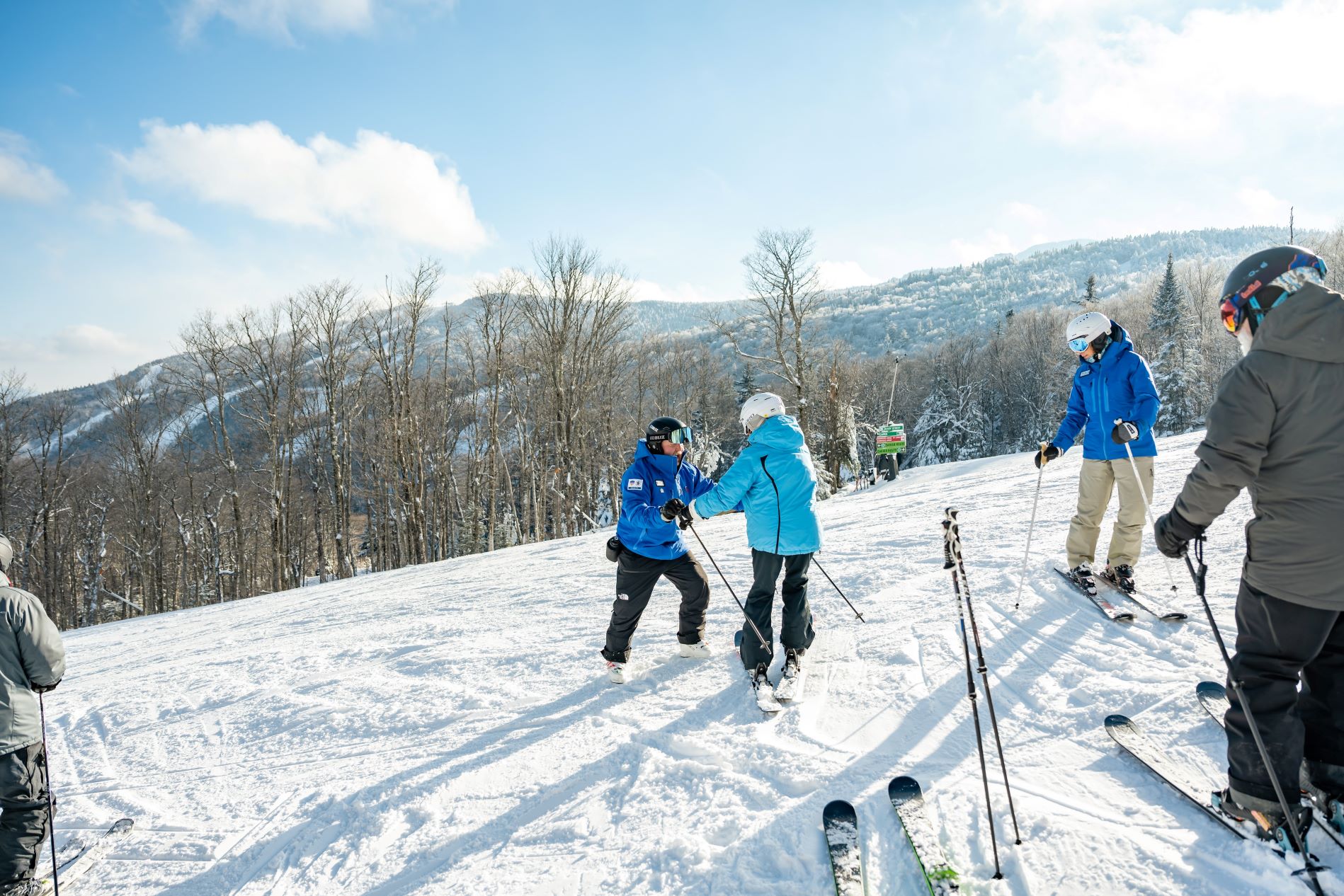
These generalists are exceptionally versatile. They can seamlessly transition between teaching skiing to children in the morning and snowboarding to adults in the afternoon. They are often the ideal candidates for family lessons involving participants of varying ages, skill levels, and preferred disciplines. Their ability to connect with a diverse student base and adapt to different instructional contexts makes them invaluable assets to any snowsports school. For instance, an instructor proficient in both skiing and snowboarding, with additional certifications in children’s and freestyle instruction, can cater to a wider array of guest requests, from introducing a toddler to their first turns on skis to guiding a teenager through the terrain park on a snowboard.
The strength of the generalist lies in their adaptability and broad applicability. While they may not possess the same depth of expertise in a single, highly specialized area as a Level III instructor, their comprehensive skill set makes them highly resilient and responsive to the fluctuating demands of a snowsports school. Resort management often values these instructors for their flexibility in scheduling and their capacity to fill various roles throughout the day. "The generalist instructor is the backbone of our daily operations," a typical statement from a snowsports school director might convey, "their ability to teach across disciplines and age groups ensures we can meet diverse guest needs efficiently and effectively." This broad skill set also offers instructors more career flexibility and potentially more consistent employment opportunities throughout a season.
Industry Perspectives on Instructor Versatility
The debate between specialization and generalization is not unique to snowsports; it mirrors discussions in many professional fields, from medicine to technology. In snowsports, both approaches are not only valid but essential for a healthy and thriving ecosystem. PSIA-AASI’s credentialing system reflects this understanding by offering diverse pathways for professional growth. The organization does not inherently prioritize one type of development over another but encourages instructors to align their development path with their personal interests, career aspirations, and the needs of their snowsports schools.
Statements from PSIA-AASI’s Education Development Managers often highlight that "the strength of our association, and indeed the industry, comes from the rich diversity of our instructor base. Whether an instructor chooses to delve deep into a single discipline or to build a broad portfolio of skills, both contribute significantly to the quality of the snowsports experience." This inclusive perspective underscores that value is not solely determined by the highest certification level in a single discipline but by the overall contribution an instructor makes to their students and their community.
The economic implications of this duality are also significant. A school with a balanced roster of specialists and generalists is better equipped to manage peak demands, offer a wider range of programs, and provide a superior guest experience. Specialists can drive revenue through premium, advanced clinics, while generalists ensure efficient staffing for group lessons, children’s programs, and beginner experiences, which are often the entry point for new participants into the sport.
Strategic Development for a Resilient Snowsports Ecosystem
For individual instructors, the choice between a taproot or fibrous root development path is a strategic one, influenced by personal passion, market demand, and long-term career goals. An instructor deeply passionate about perfecting the art of carving might naturally gravitate towards Level III alpine certification. Conversely, an instructor who thrives on variety and enjoys introducing snowsports to diverse groups might pursue multiple Level I/II certifications and specialist credentials.
The continuous professional development model promoted by PSIA-AASI ensures that instructors, regardless of their chosen path, remain engaged and current. This includes ongoing education, clinics, workshops, and participation in regional and national events. The concept of "dormancy" during the off-season, as observed in nature, translates into a vital period for instructors to reflect, learn, and prepare. This might involve cross-training in other outdoor sports, taking online courses, or simply rejuvenating physically and mentally. The lessons learned from the biological classroom — of replenishing energy reserves, healing, and preparing for the next wave of activity — are directly applicable to the cyclical nature of a snowsports instructor’s career.
The broader implication for the snowsports industry is that a resilient ecosystem is one characterized by variety and interconnectedness. Just as a diverse plant community is more robust against disease and environmental changes, a diverse instructor workforce—comprising both specialists and generalists—is better equipped to navigate the challenges and capitalize on the opportunities within the snowsports landscape. This diversity ensures that every student, regardless of their background, ability, or aspiration, can find an instructor uniquely suited to their needs, fostering a positive experience that encourages lifelong participation.
Looking Ahead: Cultivating a Diverse Instructor Workforce
As the snowsports industry continues to evolve, embracing technological advancements, addressing environmental concerns, and adapting to changing demographics, the role of the instructor remains paramount. PSIA-AASI’s ongoing commitment to professional development, in all its forms, will be crucial in cultivating a workforce that is not only highly skilled but also adaptable, resilient, and inclusive.
The recognition that both the specialist and the generalist contribute essential value underscores a holistic view of professional growth. There is no single "better" path, only different strengths that collectively fortify the entire snowsports education system. By encouraging instructors to explore their passions, develop their unique talents, and understand how their contributions fit into the larger picture, PSIA-AASI fosters an environment where every instructor, whether a deep-rooted expert or a broadly connected multi-disciplinarian, is celebrated for their vital role in bringing the joy of sliding on snow to millions. The ultimate goal is to ensure that the snowsports ecosystem remains vibrant, continually growing, and capable of weathering any seasonal or industry shifts, much like a healthy, diverse natural landscape.
