

As the final days of summer trail rides give way to the crisp air of autumn preparation, the conversation surrounding North America’s upcoming winter is reaching a fever pitch. The eagerly awaited extended outlooks from both the United States and Canadian Farmers’ Almanacs have been released, painting a picture of a 2026/2027 season characterized by "sharp contrasts," significant temperature volatility, and a potent El Niño Southern Oscillation (ENSO) that is poised to influence snow patterns across the continent. For enthusiasts and industry professionals alike, from skiers and snowboarders to meteorologists and resort operators, understanding these long-range predictions is crucial for planning and anticipation.
The Farmers’ Almanac, a publication with a rich history dating back to 1818, utilizes a proprietary, secret formula that combines astronomical calculations, weather patterns, and historical data to generate its forecasts. While often viewed with a degree of skepticism by some in the scientific community, its long-standing tradition and the sheer volume of its readership lend weight to its predictions. Similarly, the Canadian Farmers’ Almanac, drawing on decades of Canadian weather patterns and astronomical insights, provides a complementary outlook for its northern counterpart. This year’s combined forecasts suggest a winter that will demand adaptability and a keen awareness of rapidly shifting weather dynamics.
The Southern Tier: A Potential Powder Highway Fueled by El Niño
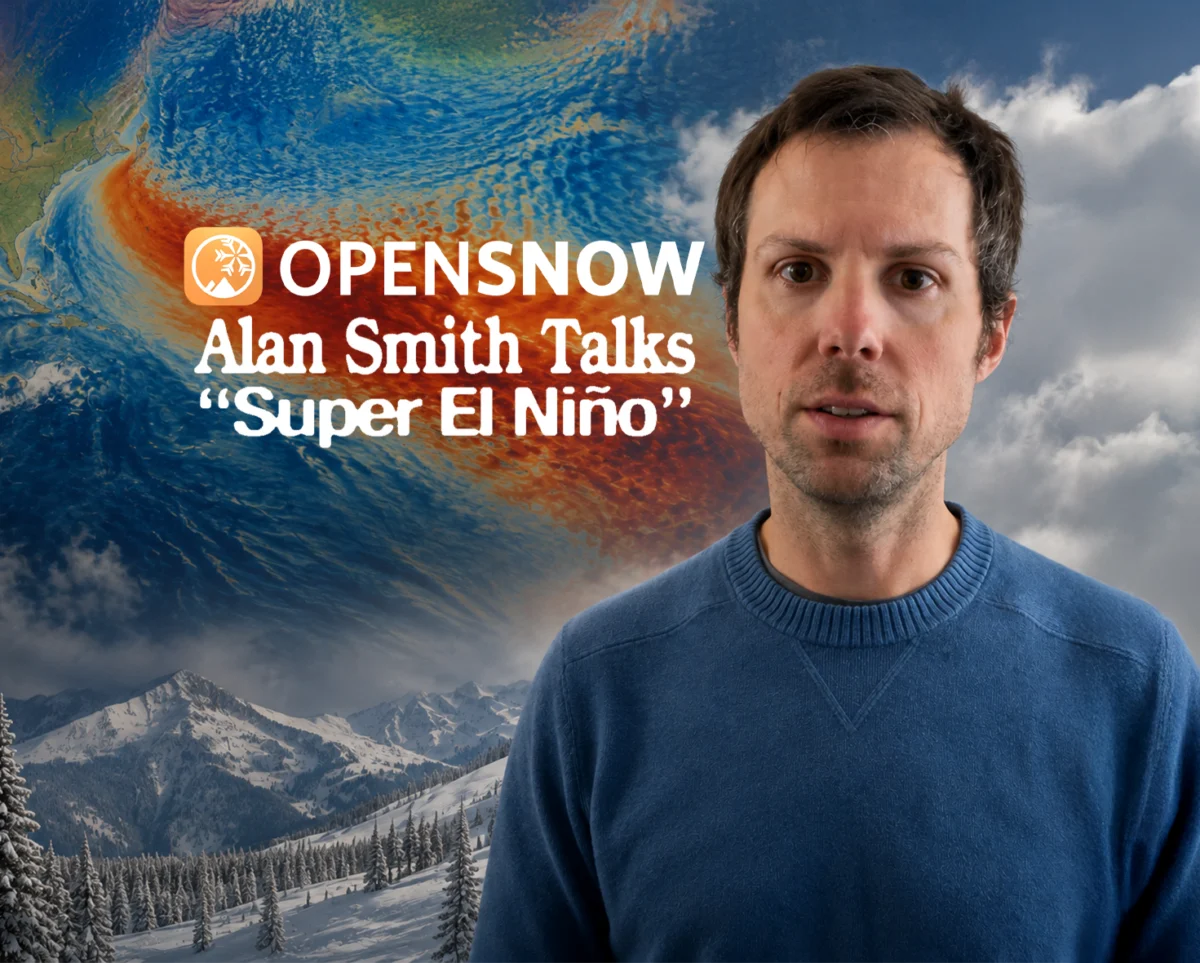
A key takeaway from the 2026/2027 winter outlook is the projected influence of an active El Niño event. The US Farmers’ Almanac specifically highlights an "active and wet southern storm track" driven by this oceanic phenomenon. El Niño, characterized by warmer-than-average sea surface temperatures in the central and eastern equatorial Pacific Ocean, often leads to shifts in atmospheric circulation patterns, including a tendency for a more southerly jet stream across North America.
This amplified southern jet stream is expected to act as a conduit for Pacific moisture, drawing it inland across Southern California and the Southwestern United States. The forecast indicates this moisture plume extending eastward through Texas and into the Southeastern United States. For mountain enthusiasts, this atmospheric configuration holds significant promise, particularly for the Southern Rocky Mountains.
The confluence of a moisture-rich southern storm track and the potential for cold air masses pushing south from Canada creates an ideal scenario for heavy snowfall in high-elevation areas. States such as Utah, Colorado, and New Mexico, known for their abundant and high-quality powder, could experience substantial accumulations. This suggests that regions often considered secondary storm targets might become prime destinations for winter adventurers this season. The implication is a potential "powder highway" forming across the southern tier of the US, encouraging proactive storm-chasing efforts. This could lead to increased travel and economic activity in these mountain communities, provided the necessary infrastructure and access remain open.

The scientific understanding of El Niño’s impact on North American winter weather is well-established, though the precise intensity and timing can vary. Typically, strong El Niño events are associated with wetter conditions in the southern tier of the US and drier, warmer conditions in the northern tier, particularly the Pacific Northwest and parts of Canada. However, the Farmers’ Almanac predictions suggest a more complex interaction this year, with significant volatility even within these broad trends.
Canadian Winter: A Landscape of Volatility and Intense Blizzards
Across the border, the Canadian Farmers’ Almanac forecasts a winter defined by high volatility and unpredictable swings. Riders and residents in Canada can anticipate a season marked by dramatic shifts between unseasonably mild thaws and intense, bone-chilling Arctic outbreaks. This dynamic is expected to manifest across a wide swath of the country, from the Prairie provinces through Ontario and Quebec.
The forecast specifically warns of increased instances of lake-effect snow, a phenomenon where cold air passes over large bodies of water, picking up moisture and depositing it as snow downwind. This can lead to localized but significant snow accumulations. Furthermore, the potential for sudden blizzards, characterized by heavy snowfall, strong winds, and reduced visibility, is a significant concern. These events can disrupt travel, pose hazards to outdoor activities, and strain emergency services.
The rapid freeze-thaw cycles predicted for these regions add another layer of complexity. While periods of intense cold can bring deep powder, the subsequent thaws can create challenging conditions, including icy surfaces and potential avalanche risks in mountainous areas. For those seeking the thrill of deep snow in Canada, the key to success will lie in precise timing. The forecast suggests that brief but intense windows for deep riding will occur when cold air firmly establishes itself over northern territories, but these opportunities will be fleeting before rapidly moving weather systems alter the conditions. This necessitates a high degree of flexibility and responsiveness for anyone planning winter expeditions in Canada.
Meteorological analysis of typical El Niño patterns in Canada often points to a tendency for warmer and drier winters in the western and northern regions, with more precipitation in the southern and eastern parts. However, the Farmers’ Almanac’s emphasis on "sharp contrasts" suggests that even within this general trend, extreme weather events will play a significant role. The interaction between Pacific moisture drawn south and the potential for strong Arctic incursions from the north could create a highly dynamic weather system across the Canadian landscape.
The Midwest and Pacific Northwest: Fleeting Snowfall and Rapid Cold Snaps

In the northern United States, specifically the Pacific Northwest and the northern Plains, the outlook deviates from the deep, sustained cold predicted for some other regions. Instead, these areas are expected to experience more changeable conditions. The forecast indicates a pattern of fast-moving clipper systems – low-pressure systems that typically bring light to moderate snowfall and cold air from western Canada across the northern US.
These clippers are predicted to be interspersed with sudden snow squalls and quick cold snaps. While these events may not deliver the prolonged periods of deep snow desired by some winter sports enthusiasts, they present unique opportunities for those who are alert and prepared. The rapid nature of these weather systems means that conditions can change dramatically in a short period. For riders in these regions, the emphasis will be on monitoring local radar and weather advisories closely. The ability to capitalize on short windows of favorable snow conditions will be paramount.
The implication for these regions is a winter that requires constant vigilance rather than long-term strategic planning based on consistent snowpack. This could lead to more spontaneous travel decisions and a focus on localized skiing and snowboarding opportunities.
The Eastern Seaboard: A Balancing Act of Snow and Mixed Precipitation
The East Coast of the United States and Atlantic Canada face a particularly complex winter forecast, characterized by a delicate balance that could tip the scales between significant snowfall and less desirable mixed precipitation. Inland resorts in New England and Eastern Canada are projected to receive several substantial rounds of heavy, wet snow, particularly during the core winter months of January and February. This bodes well for traditional ski destinations in these areas, potentially leading to robust snow bases and extended operating seasons.
However, coastal zones present a different challenge. Temperatures in these areas are expected to hover precariously close to the freezing point. This proximity to the freezing mark means that coastal storms could bring a variety of precipitation types, including rain, sleet, and freezing rain, in addition to snow. The precise trajectory of a storm system, even a slight deviation, could be the deciding factor between a slushy, less-than-ideal rain event and a mountain-transforming dump of snow.
For skiers and snowboarders in the Eastern United States and Atlantic Canada, this forecast necessitates a keen awareness of elevation and storm dynamics. Understanding how temperature gradients will affect precipitation types at different altitudes will be critical for making informed decisions about where and when to pursue optimal snow conditions. This could lead to a greater emphasis on higher-elevation resorts or a need for flexible travel plans that can adapt to rapidly changing precipitation types.

Preparing for a Season of Extremes and Opportunities
As the 2026/2027 winter season approaches, the overarching theme from the Farmers’ Almanacs is one of pronounced contrasts and dynamic weather patterns. Whether the allure is the potential for abundant El Niño-driven powder in the Southern Rockies or the challenge of navigating volatile Canadian cold fronts, this winter promises to be an engaging and unpredictable one.
For all winter enthusiasts, from seasoned backcountry explorers to casual resort-goers, preparation will be key. This includes ensuring that equipment is in top condition, staying informed about real-time weather updates and mountain conditions, and developing the flexibility to seize opportunities as they arise. The ability to adapt to rapidly changing forecasts and make informed decisions based on the latest available data will be crucial for maximizing the winter experience.
Industry professionals, including ski resort operators, tourism boards, and outdoor gear retailers, will also need to factor these forecasts into their planning. Marketing strategies, staffing levels, and inventory management may need to be adjusted to accommodate the anticipated regional variations and the potential for extreme weather events.
Furthermore, the forecasts underscore the importance of consulting a variety of meteorological resources. While the Farmers’ Almanacs offer valuable long-range insights, combining this information with more detailed, short-term forecasts from scientific organizations like NOAA (National Oceanic and Atmospheric Administration) and its Canadian counterpart, Environment and Climate Change Canada, will provide the most comprehensive understanding of evolving weather patterns. For those seeking deeper meteorological analysis, resources that delve into high-elevation weather models, such as those offered by OpenSnow, can provide invaluable context for specific mountain destinations.
The 2026/2027 winter season is shaping up to be a testament to the ever-changing nature of weather. By understanding the broad strokes of these extended outlooks and remaining adaptable, individuals can best prepare to embrace the snow, the cold, and the unique challenges and opportunities that this season of contrasts is expected to bring. The pursuit of powder and pristine slopes will undoubtedly require a blend of foresight, responsiveness, and a healthy respect for the power of nature.
