

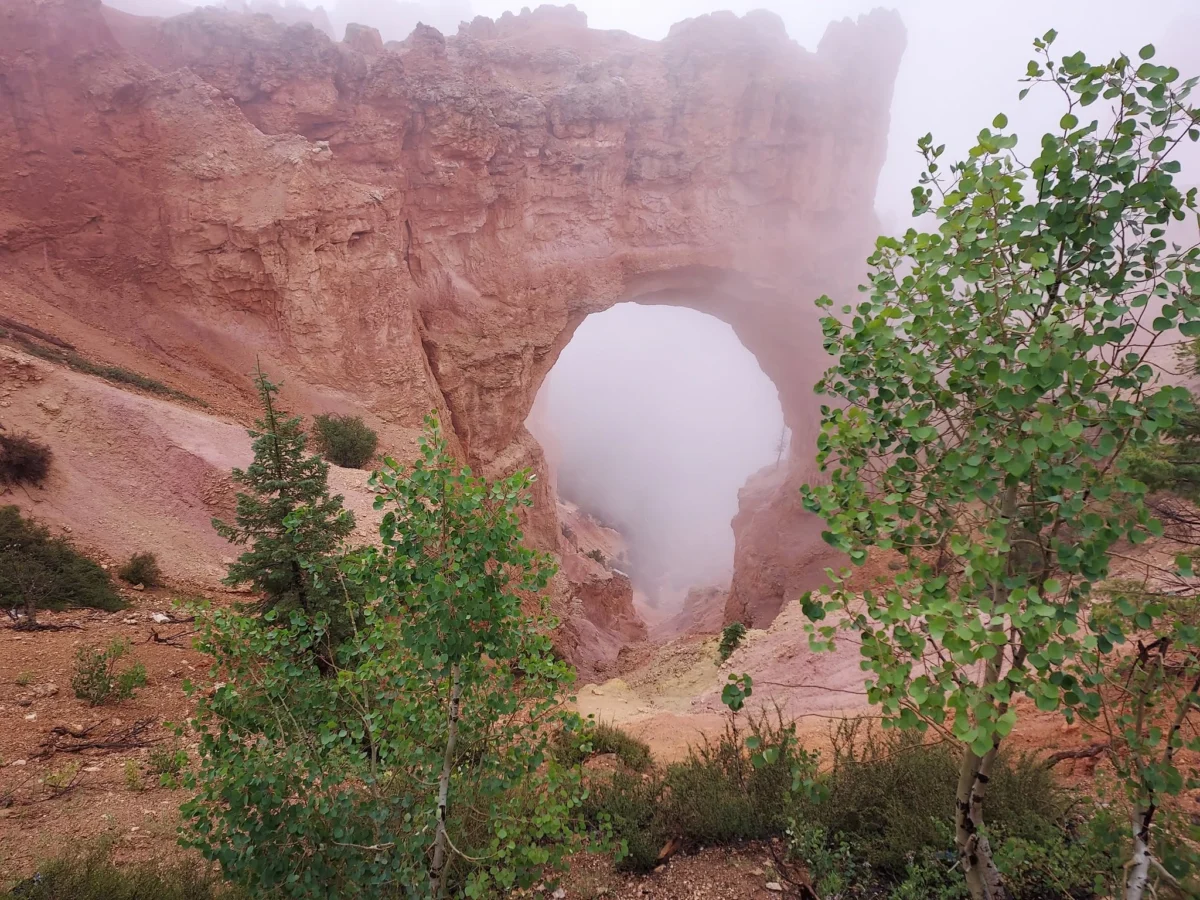
Severe summer thunderstorms unleashed a torrent of water across Bryce Canyon National Park on a recent afternoon, transforming normally dry washes and popular hiking trails into dangerous, fast-moving rivers. The unexpected and intense flash flooding trapped 11 hikers across four separate trail systems and necessitated the hospitalization of two individuals for hypothermia, underscoring the volatile nature of desert monsoon season and the critical importance of preparedness.
The incident, which unfolded between approximately 2:30 p.m. and 5:30 p.m., serves as a stark reminder of the potent forces at play in Utah’s high desert. While clear mornings may beckon adventurers into the labyrinthine beauty of Bryce Canyon’s iconic hoodoos, the region is highly susceptible to sudden and severe weather phenomena. Afternoon monsoons, common during the summer months, can rapidly convert arid landscapes into perilous waterways, posing significant risks to unsuspecting visitors.
The Unfolding Crisis: A Chronology of Events
The afternoon of the storm began like many others in Bryce Canyon, with clear skies and moderate temperatures tempting hikers to explore the park’s renowned trails. However, by mid-afternoon, the atmospheric conditions shifted dramatically. Cumulonimbus clouds, indicative of intense thunderstorm activity, began to gather over the high-elevation terrain. These storms are characterized by their rapid development and the sheer volume of rainfall they can deliver in a concentrated period.
The downpours commenced with a ferocity that surprised many. Rain did not merely fall; it cascaded directly onto the steep canyon walls and slick rock surfaces, overwhelming the natural drainage systems. Within minutes, dry washes that had been easily traversed earlier in the day became raging torrents of muddy water. The affected areas included some of the park’s most popular and intricate trail networks: the Fairyland Loop, Navajo Loop, Peek-a-Boo Loop, and Queen’s Garden trails. Hikers found themselves cut off, their planned routes back to safety submerged under the rising floodwaters.
Compounding the immediate danger of the flash floods was the persistent threat of lightning. Frequent overhead strikes created a dual hazard, making it impossible for rescuers to immediately enter the canyons. The safety of both the stranded hikers and the responding personnel became paramount.
The Garfield County Sheriff’s Office, in coordination with Bryce Canyon National Park rangers and Garfield County EMS, initiated a rapid mobilization of resources. However, the severe lightning activity forced an initial pause in direct rescue operations. Responders had to wait for the storm’s intensity to subside to a point where it was safe to enter the canyons and begin the search and rescue efforts. This waiting period, though necessary for safety, undoubtedly heightened the anxiety for those trapped and their loved ones.
Rescue Operations Amidst Challenging Conditions
As soon as the lightning threat diminished sufficiently, search-and-rescue teams, comprising approximately 15 to 20 dedicated first responders, entered the slot canyons. Their task was to locate the four separate groups of hikers who had become isolated by the rapidly moving floodwaters. The terrain presented significant challenges, with slick, mud-filled pathways and the lingering effects of the deluge.
Rescuers navigated the treacherous conditions, their efforts focused on reaching each group safely. The adults, totaling 11 individuals, were guided out of the canyons and to higher, safer ground. The process was arduous, involving careful maneuvering through the debris and mud left by the flood.

Upon reaching safety, the rescued hikers were immediately evaluated by EMS teams on-site. The prolonged exposure to the cold, wet conditions and the stress of the situation had taken a toll. Two individuals presented with clear signs of severe hypothermia and required immediate transport to a local hospital for further medical treatment. The remaining nine hikers were assessed and, finding no serious immediate medical concerns, were cleared and released.
The impact of the storm extended beyond the hiking trails. The intense rainfall and subsequent runoff also affected nearby infrastructure. State Route 12, a critical artery connecting communities in the region and a popular scenic byway, was temporarily closed due to the flooding. Highway crews worked diligently to assess the damage and ensure the road’s safety before reopening it to traffic, restoring vital connectivity.
Understanding the Risks: Desert Monsoons and Flash Floods
The events at Bryce Canyon serve as a crucial case study in the dangers of desert monsoons. These weather patterns, while providing much-needed moisture to arid environments, can be exceptionally dangerous if not understood and respected.
Flash floods in canyon country are notorious for their speed and destructive power. They can develop with astonishing rapidity, often with little to no advance warning. A localized storm, even one occurring miles upstream, can send a formidable wall of water, mud, and debris surging down a canyon. This phenomenon is known as a "dry wash flood," where water collects in channels that are typically dry for most of the year. The speed at which these floods move can exceed the running pace of even the fittest individuals, making escape impossible once the water arrives.
Several factors contribute to the heightened risk of flash flooding in regions like Bryce Canyon:
- Geology: The region’s landscape, characterized by steep canyons, slickrock, and a lack of extensive vegetation to absorb water, is highly conducive to rapid runoff. Water cannot easily penetrate the hard, impermeable surfaces, leading to concentrated flow.
- Atmospheric Conditions: Summer thunderstorms in the Southwest are often fueled by moisture drawn from the Gulf of California and the Pacific Ocean, creating an environment ripe for intense downpours. The high elevation of Bryce Canyon can also influence storm development.
- Limited Warning Time: Unlike widespread rain events, thunderstorms can form quickly and produce intense, localized downpours. By the time hikers see dark clouds overhead, a flood may already be imminent.
Essential Preparedness for Monsoon Season
The incident at Bryce Canyon underscores the critical need for hikers and outdoor enthusiasts to exercise extreme caution during monsoon season, typically from July through September. Park officials and seasoned outdoor professionals consistently emphasize a multi-faceted approach to safety:
- Weather Monitoring: Before embarking on any hike, and periodically throughout the day, check local weather forecasts and radar. Websites and mobile applications providing real-time weather data can be invaluable tools. Pay attention to any thunderstorm watches or warnings issued for the area.
- Trail Selection: Be aware of trails that traverse dry washes, narrow canyons, or areas prone to flash flooding. If there is any possibility of rain, these areas should be avoided or approached with extreme caution.
- Early Turnaround: If dark clouds begin to gather, or if there are any signs of impending inclement weather, it is imperative to turn back immediately. Do not wait to see how severe the storm will become. It is always better to err on the side of caution and return safely than to risk being caught in a dangerous situation.
- Pack Essential Gear: During monsoon season, it is advisable to carry extra layers of insulating clothing. Even if the day starts warm, temperatures can drop significantly when wet, increasing the risk of hypothermia. Waterproof gear, such as a rain jacket and pants, is also highly recommended.
- Stay Informed: Understand the specific risks associated with the area you are visiting. Many national parks and forest service websites provide detailed information about seasonal hazards.
Broader Implications and Future Considerations
The flash flooding event at Bryce Canyon has broader implications for park management and visitor safety strategies. It highlights the ongoing challenge of balancing recreational access with the inherent risks posed by natural environments, particularly in the face of changing weather patterns.
The incident may prompt park officials to review and potentially enhance their communication strategies regarding flash flood risks. This could include more frequent public service announcements, improved signage at trailheads, and the utilization of advanced weather monitoring systems that can provide earlier warnings of developing severe storms.
For the wider outdoor community, this event serves as a potent reminder that even seemingly benign landscapes can transform into hazardous environments with little notice. The allure of the desert’s stark beauty must be tempered with a profound respect for its raw power. By understanding the dynamics of desert monsoons, diligently preparing for the elements, and making conservative decisions in the backcountry, visitors can significantly mitigate the risks associated with these dramatic and potentially dangerous weather phenomena. The ultimate goal is to ensure that the awe-inspiring experiences of exploring places like Bryce Canyon are remembered for their beauty and wonder, not for tragic encounters with nature’s untamed forces.
