

The California Division of Occupational Safety and Health (Cal/OSHA) has levied $151,000 in fines against Blackbird Mountain Guides (BMG) following a catastrophic avalanche on February 17, 2026, near Truckee, California, which claimed the lives of three experienced guides and six clients. The state agency’s investigation, concluding on August 12, 2026, found BMG in violation of seven workplace safety rules, including critical failures in identifying avalanche hazards and ensuring adequate staff training. This severe administrative action has ignited a contentious debate within the professional mountain guiding community regarding the interpretation of safety protocols in inherently unpredictable wilderness environments.
The fatal incident, which occurred in the rugged backcountry near Castle Peak, sent shockwaves through the close-knit community of outdoor enthusiasts and professional guides across the Western United States. Cal/OSHA’s findings allege that BMG failed to properly train its employees and adequately evaluate the prevailing avalanche hazards, directly contributing to the tragic outcome. The agency classified two of the violations as "willful-serious," indicating that BMG allegedly knew about a hazard that could reasonably cause death or serious injury but failed to take reasonable steps to address it. This classification carries the most significant penalties and legal implications under California workplace safety statutes.
The Tragic Event at Castle Peak
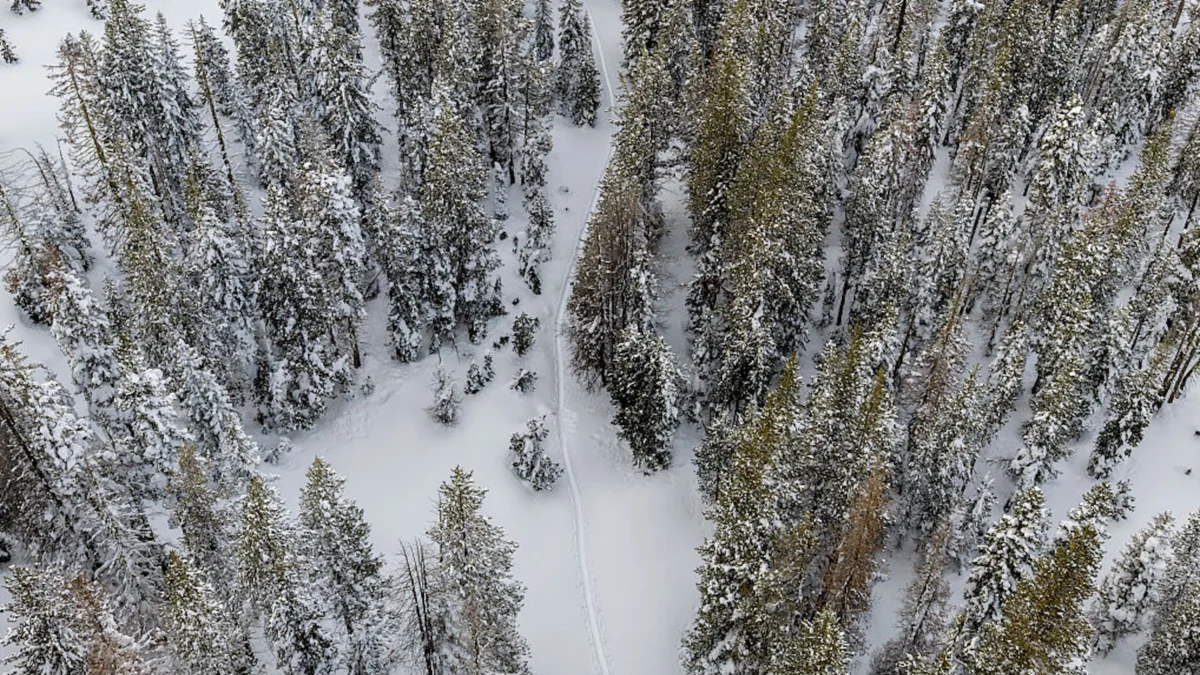
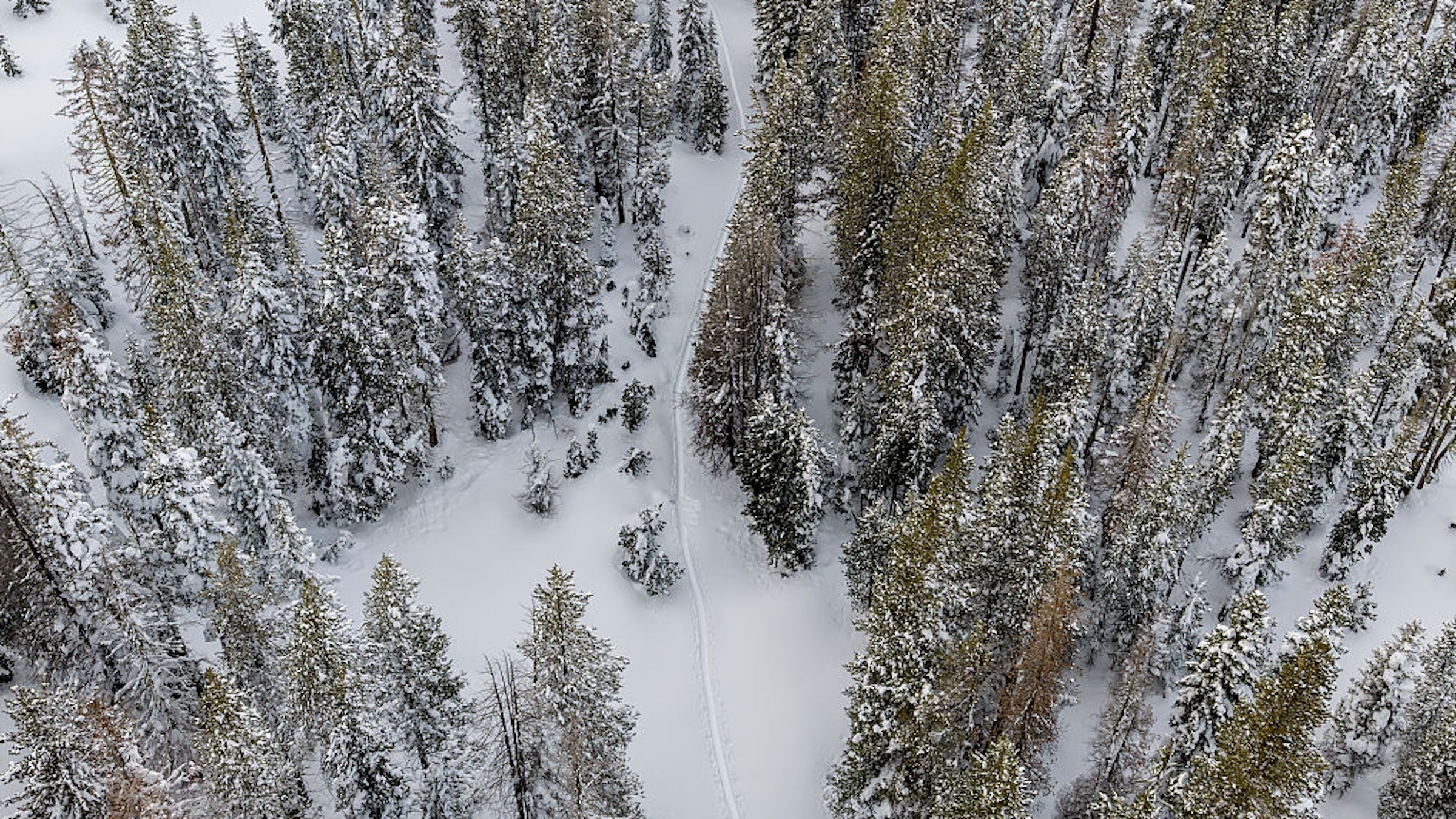
The Castle Peak area, situated in the vast and often treacherous Sierra Nevada mountain range near Soda Springs and Truckee, California, is renowned for its challenging terrain and abundant snowfall, making it a magnet for experienced backcountry skiers, snowboarders, and mountaineers. On February 17, 2026, a guided group led by Blackbird Mountain Guides ventured into this formidable landscape. The group comprised three professional guides and six clients, all seeking to experience the allure of untouched powder and remote mountain vistas.
The weather conditions leading up to the incident had been a significant factor in shaping a notoriously unstable snowpack. The Sierra Nevada had experienced a series of intense winter storms in the preceding weeks, depositing substantial amounts of new snow on top of older, weaker layers. Fluctuating temperatures and wind events had further exacerbated the instability, creating a complex and dangerous environment for backcountry travel. The Sierra Avalanche Center (SAC), the authoritative body for avalanche forecasting in the region, had issued an avalanche warning for the central Sierra Nevada on the morning of February 17, rating the avalanche danger as "high" – the second-highest rating possible. A "high" rating signifies that very dangerous avalanche conditions exist, and travel in avalanche terrain is not recommended. It implies that natural avalanches are likely, and human-triggered avalanches are very likely.
Despite these explicit warnings, the BMG group proceeded into terrain identified by Cal/OSHA as high-risk avalanche zones. The exact trigger mechanism of the avalanche remains a point of contention, but the slide, described as a significant slab avalanche, swept through the area where the group was traversing. The immense force of the moving snow tragically engulfed all nine individuals. Emergency services were immediately alerted, initiating a massive search and rescue operation that involved multiple agencies and volunteers. The arduous recovery efforts in the deep snow and challenging conditions ultimately confirmed the devastating loss of life, casting a pall over the entire outdoor community.
Cal/OSHA’s Stinging Indictment and Findings
The California Division of Occupational Safety and Health is responsible for enforcing workplace safety and health regulations throughout the state. Its investigations are meticulous, involving interviews, site visits, documentation review, and expert analysis to determine if an employer has violated established safety standards. In the case of the Castle Peak avalanche, Cal/OSHA’s investigation focused on Blackbird Mountain Guides’ operational procedures and decision-making processes leading up to and during the incident.
The agency’s report, a copy of which was reviewed by Outside magazine, outlined seven specific workplace safety violations. While the full list of citations was not publicly detailed beyond "failure to identify an avalanche and properly train staff," such violations typically encompass a range of deficiencies in risk management. These could include inadequate pre-trip planning and hazard assessment, insufficient training for guides in avalanche rescue and terrain management, failure to adhere to established industry safety protocols, lack of appropriate safety equipment or its proper use, and deficient emergency response plans.
The most severe of these citations were categorized as "willful-serious." This distinction is critical in workplace safety law. A "serious" violation is one where there is a substantial probability that death or serious physical harm could result from a condition which exists, or from one or more practices, means, methods, operations, or processes which have been adopted or are in use, in the workplace. A "willful" violation adds another layer, signifying that the employer either knowingly failed to comply with a legal requirement or acted with plain indifference to employee safety. The combination of "willful-serious" implies that BMG allegedly had prior knowledge of the hazardous conditions or the lack of proper protocols, yet consciously disregarded them, leading to a high probability of severe harm or fatality. The largest single penalty, $81,000, was specifically tied to a combination of these "willful-serious" findings.
Cal/OSHA’s report explicitly stated that BMG guides entered avalanche terrain when the danger was rated "considerable," escalating to "high" by the morning of the incident as per the Sierra Avalanche Center’s forecast. Furthermore, the agency determined that BMG guides entered a high-risk avalanche area to provide aid despite explicit recommendations from local law enforcement against doing so due to the extreme danger. This alleged disregard for both expert avalanche forecasts and official emergency directives forms a central pillar of Cal/OSHA’s case, suggesting a profound lapse in judgment and adherence to safety protocols.
A Chronology of Disaster and Investigation
Weeks Leading Up to February 17, 2026: The Sierra Nevada experiences heavy snowfall interspersed with periods of warmer temperatures and high winds. This creates a complex and volatile snowpack structure, characterized by buried weak layers and wind slabs, conditions frequently highlighted in Sierra Avalanche Center forecasts as contributing to elevated avalanche risk.
February 17, 2026, Morning: The Sierra Avalanche Center issues its daily forecast, rating the avalanche danger in the central Sierra Nevada as "high." This critical warning indicates that very dangerous conditions exist and travel in avalanche terrain is not recommended. Blackbird Mountain Guides proceeds with its planned backcountry trip.
February 17, 2026, Afternoon: The avalanche occurs in the Castle Peak backcountry, engulfing the BMG group of nine individuals. Initial emergency calls are made, and local law enforcement and search and rescue teams mobilize.
February 17-20, 2026: A large-scale search and rescue operation is mounted. Despite the heroic efforts of responders, all nine members of the group – three guides and six clients – are tragically confirmed deceased. Recovery efforts are challenging due to the deep snow and ongoing avalanche risk. A vigil is held in Truckee, California, on February 20, drawing attendees to mourn the victims.
Late February – July 2026: Investigations commence. Cal/OSHA launches its comprehensive workplace safety investigation, examining BMG’s practices, training records, and decision-making processes. BMG also initiates its own internal review and commissions an independent avalanche professional to conduct a separate report on the incident.
August 9, 2026: Blackbird Mountain Guides publicly releases its independent preliminary report. This report, commissioned by BMG, claims that the group’s movements were "consistent with an effort to reach terrain even farther from the avalanche runout zone," suggesting that their actions were aimed at increasing safety, not jeopardizing it.
August 12, 2026: Cal/OSHA concludes its investigation and issues citations against Blackbird Mountain Guides, totaling $151,000 in fines, citing seven workplace safety violations, including "willful-serious" findings related to failure to identify avalanche hazards and properly train staff.
August 26, 2026: The Cal/OSHA findings are publicly reported, sparking widespread discussion. Blackbird Mountain Guides announces its intention to appeal all citations.
Current Status: The appeal process is initiated, moving to the California Occupational Safety and Health Appeals Board. The timeline for a final decision is uncertain, potentially spanning several months.
Blackbird Mountain Guides Contests Findings
In the immediate aftermath of Cal/OSHA’s public announcement, Blackbird Mountain Guides issued a forceful statement on its website, unequivocally rejecting the agency’s findings and declaring its intent to appeal all seven citations. "The citations do not reflect the reality of our profession or the safety program we have built," BMG stated. "We believe Blackbird operated in full compliance with all applicable regulatory requirements and consistent with the established safety frameworks of the broader professional mountain guiding industry."
The guiding company’s defense hinges on the assertion that mountain guiding inherently takes place in "dynamic wilderness environments where conditions change minute to minute." This argument underscores a core tension in the outdoor industry: the challenge of applying rigid regulatory frameworks to highly variable and unpredictable natural settings. Guides often operate in environments where real-time decision-making, based on evolving conditions and nuanced interpretations of risk, is paramount. BMG implies that Cal/OSHA’s assessment may not fully appreciate these complexities.
Adding another layer to the narrative, BMG had proactively released its own independent avalanche report on August 9, just days before Cal/OSHA’s announcement. Commissioned from an independent avalanche professional, this report offered a contrasting perspective. It contended that the group’s movements at the time of the avalanche were "consistent with an effort to reach terrain even farther from the avalanche runout zone." This suggests that the guides were actively attempting to mitigate risk by moving to safer ground, rather than deliberately entering a dangerous area. The discrepancy between BMG’s independent assessment and Cal/OSHA’s conclusions highlights the difficulty in definitively reconstructing events and assigning blame in complex natural disasters.
John Roach, a San Francisco-based attorney specializing in personal injury who has been closely following the case, offered a legal perspective on the "willful-serious" citations. He emphasized their gravity, noting, "A willful citation is Cal/OSHA’s most serious classification. Cal/OSHA has already done its own investigation to reach a willful finding, and that’s a real evidentiary step." However, Roach also clarified that these citations do not represent a final legal judgment. "But it’s also not a final legal judgment; the company is appealing, and appeals do sometimes succeed in reducing a citation’s severity or amount," he added, indicating that BMG has a legitimate path to challenge the findings. The company affirmed its commitment to cooperating with all investigations and continuing to work collaboratively with agencies "to further the understanding of what occurred."
Broader Implications for Backcountry Guiding
The Cal/OSHA citations against Blackbird Mountain Guides, particularly the "willful-serious" distinction, carry significant implications for the entire professional mountain guiding industry. This incident and the subsequent regulatory action could serve as a watershed moment, potentially prompting a re-evaluation of safety standards, guide training protocols, and liability frameworks across the United States.
One immediate impact could be increased scrutiny from insurance providers, potentially leading to higher premiums or more stringent requirements for guide services operating in high-risk environments. Guiding companies might be compelled to invest more heavily in advanced avalanche safety training, state-of-the-art equipment, and more rigorous pre-trip planning and risk assessment methodologies. There might also be a push for standardized, universally recognized certifications and safety audits to ensure consistent adherence to best practices across the industry.
The case also echoes a similar incident from the previous year. On August 10, 2026 (just two days before the BMG citations), Cal/OSHA fined Mammoth Mountain ski resort $126,000 for a fatal 2025 avalanche that killed ski patroller Cole Murphy. Mammoth Mountain is also appealing that report. These two high-profile cases back-to-back suggest a heightened regulatory focus on avalanche safety in California workplaces, setting potential precedents for how similar incidents will be investigated and penalized in the future. The outcomes of both appeals could significantly shape the legal landscape for outdoor recreation employers.
For clients, this incident may lead to increased awareness and more discerning choices when selecting guided trips. There could be a greater demand for transparency regarding a guiding company’s safety records, guide certifications, and risk management policies. This heightened public scrutiny might push the industry towards greater accountability and clearer communication about the inherent risks involved in backcountry pursuits.
Moreover, the role of independent avalanche forecasting centers, such as the Sierra Avalanche Center, gains even greater prominence. Their warnings become not just recommendations but critical inputs that employers must demonstrably integrate into their operational decision-making. Disregarding such warnings, especially when classified as "high" danger, could become an undeniable legal liability.
Beyond the immediate fines and appeals, the tragedy raises profound ethical questions about the balance between adventure, client expectations, and guide responsibility. Professional guides are tasked with leading clients into environments where inherent risks cannot be entirely eliminated. The challenge lies in managing those risks to an acceptable level, a level that is now being rigorously tested by regulatory bodies. The potential for civil lawsuits from the victims’ families, while not yet public, remains a distinct possibility, adding another layer of legal and financial pressure on Blackbird Mountain Guides and potentially influencing industry practices for years to come.
The Path Forward: Appeals and Industry Reflection
The appeal process for Blackbird Mountain Guides now moves to the California Occupational Safety and Health Appeals Board. This independent panel is tasked with hearing challenges to Cal/OSHA citations, allowing employers to present their arguments, evidence, and legal interpretations. The board’s process can be lengthy, with no fixed timeline for a final decision, often taking several months to adjudicate complex cases involving extensive evidence and expert testimony.
The outcomes of this appeal could vary. The Board could uphold Cal/OSHA’s citations and fines in their entirety, reduce the severity of the violations (e.g., from "willful-serious" to "serious" or "general"), lower the fine amounts, or even dismiss some or all of the citations. Each outcome would send a different message to the guiding industry and regulatory bodies.
Regardless of the final legal judgment, the Castle Peak avalanche and the subsequent Cal/OSHA findings have already ignited a crucial conversation within the professional mountain guiding community. Industry associations, guide training organizations, and individual guides are likely to engage in deep introspection regarding their protocols, the interpretation of avalanche forecasts, and the balance between providing exhilarating experiences and ensuring client and guide safety. This tragedy serves as a stark reminder of the immense power of nature and the heavy responsibility borne by those who lead others into its wild and unpredictable domains. The hope is that from this devastating loss, clearer, more robust safety standards will emerge, enhancing the protection of all who venture into the backcountry.
