

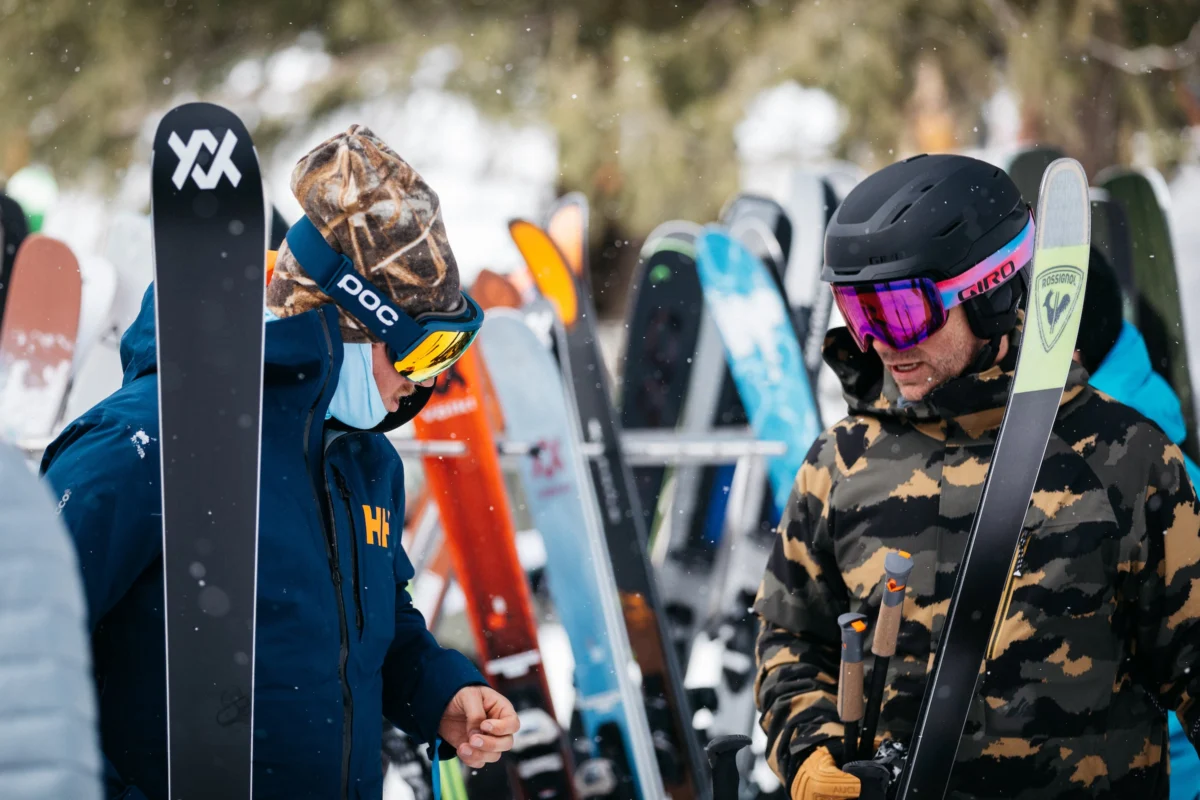
The pursuit of new skis, an endeavor that should be filled with anticipation and excitement, often devolves into a labyrinth of conflicting advice, market hype, and potential missteps. While the allure of fresh powder and pristine corduroy drives many to upgrade their equipment, a series of common errors can steer even seasoned skiers toward a suboptimal investment. From ill-timed purchases to an overreliance on anecdotal recommendations, understanding these pitfalls is paramount to ensuring that a new pair of skis genuinely enhances the on-snow experience. This comprehensive guide, drawing on insights from industry experts and extensive ski testing, aims to demystify the purchasing process, providing a structured approach to acquiring the ideal equipment for any skier.
The Seasonal Cycle: Timing Your Purchase for Optimal Value
One of the most frequently observed errors in ski purchasing behavior is the timing of the acquisition. Unlike many consumer goods, the ski industry operates on a distinct seasonal cycle that profoundly impacts pricing and availability. Engaging in ski shopping during the peak winter season, typically from late October through February, positions consumers at a significant disadvantage. During these months, retailers have replenished their inventories with the latest models, often at full manufacturer’s suggested retail price (MSRP), while discounted previous-season stock has largely been cleared.
Economic Drivers of Seasonal Sales
This cyclical pricing strategy is driven by several economic factors inherent to the winter sports industry. Manufacturers introduce new product lines annually, typically showcased at industry trade shows in late winter or early spring for the following season. This necessitates retailers clearing out prior year’s inventory to make space for the incoming models. Consequently, the spring and summer months—specifically from March through August—emerge as the prime window for securing substantial discounts. Data from major ski retailers consistently indicates that savings of 20% to 40%, and sometimes even more, are commonplace during the off-season. This period allows consumers to access high-performance skis that were top-tier just months prior, often at significantly reduced prices. Industry analysts routinely advise that this strategic timing can translate into hundreds of dollars in savings, effectively allowing for a higher-tier product within a set budget or simply reducing the overall expenditure.
Strategic Planning for Skiers
For the astute skier, planning six months ahead is not merely a recommendation but a strategic imperative. Securing season passes, booking accommodations, and purchasing gear all follow this pre-season discount model. Waiting until the first snowflakes fall not only limits options but almost guarantees paying a premium. This chronology underscores the importance of proactive engagement with the ski market, transforming a potentially stressful last-minute scramble into a considered, cost-effective acquisition.
Beyond Peer Influence: The Imperative of Personalization in Ski Selection
Another pervasive mistake involves basing purchasing decisions solely on the recommendations or choices of friends. While word-of-mouth endorsements can serve as a preliminary filter, the deeply personal nature of skiing renders a direct replication of a friend’s setup often counterproductive. Two skiers of identical height, weight, and even perceived ability can exhibit vastly different preferences in ski feel, flex, and responsiveness.
Understanding Ski Design Philosophies
Skiing is a complex interplay of biomechanics, terrain preference, and individual style. Some skiers prioritize a softer, more playful ski that excels in moguls and glades, offering forgiveness and ease of manipulation. Others, particularly those who prefer high-speed carving on groomed terrain or tackling aggressive lines in variable conditions, demand a stiffer, damper ski that provides superior stability and edge hold. These preferences are influenced by factors such as a skier’s aggressive or relaxed stance, their tendency to ski actively or passively, and the force they exert on their edges. Ski designers meticulously engineer different models to cater to these varied demands, incorporating diverse core materials, laminate structures (e.g., metal, carbon), and sidecut geometries. Therefore, a ski that perfectly suits an aggressive, heavy-footed friend might feel unwieldy and exhausting for a lighter, more finesse-oriented individual, and vice-versa. Leading ski manufacturers, such as Nordica with its power-oriented Enforcer series or K2 with its more playful Mindbender line, consciously design their offerings to appeal to distinct segments of the skiing population. Industry experts consistently emphasize that while gathering peer input is a useful starting point, it should never supersede an individual’s own on-snow testing and personal evaluation.
Aligning Aspirations with Reality: Matching Skis to Actual Conditions
The allure of deep powder, often amplified by professional ski films and marketing imagery, frequently leads skiers to purchase equipment optimized for conditions they rarely encounter. Fat powder skis, typically with waist widths exceeding 110 millimeters, are undeniably exhilarating on days with abundant fresh snow. However, a critical self-assessment of actual skiing habits and local conditions is essential to avoid this common misstep.
Regional Snowfall Patterns and Ski Type Suitability
For the vast majority of resort skiers, particularly those in regions like the East Coast of North America, consistent blower powder days are a rarity. Instead, these skiers more frequently navigate groomed runs, icy patches, variable crud, and occasional light dustings. In such environments, a highly specialized powder ski becomes cumbersome and inefficient, offering poor edge hold on hardpack and requiring excessive effort to turn. Even for weekend warriors in Western resorts, who might experience more frequent powder, the reality is that much of their time is spent on scraped-off groomers or skiing through tracked-out conditions and wind buff.
The Versatility of All-Mountain Skis
For these predominant scenarios, a more versatile frontside or all-mountain ski—typically with a waist width ranging from 85 to 105 millimeters—represents a far more judicious investment. This category of skis is engineered to perform across a broader spectrum of conditions, offering a balance of carving prowess, stability in chopped snow, and adequate float for moderate powder. Ski industry reports indicate that all-mountain skis consistently represent the largest segment of the market, reflecting their practical utility for the average resort skier. Choosing a ski based on the conditions one wishes to ski, rather than the conditions one actually skis, is a common pitfall that often leads to frustration and diminished enjoyment on the slopes.
The Cornerstone of Informed Decision-Making: Research and On-Snow Demos
Purchasing skis without adequate research and, crucially, without on-snow testing, is akin to buying a car based solely on a brochure. The complexity of modern ski design and the subtle differences between models necessitate a proactive approach to understanding the technology and experiencing the performance firsthand.
Demystifying Ski Technology: Camber, Rocker, and Core Materials
Before stepping into a retail environment or browsing online, prospective buyers should invest time in learning fundamental ski terminology and design principles. Understanding concepts such as camber (the traditional arch underfoot providing edge grip and energy), rocker (early rise in the tip and/or tail aiding float and turn initiation), sidecut (the curvature of the ski’s edge influencing turn radius), and core construction (e.g., full wood, composite, titanal laminates, carbon stringers) is vital. Each element contributes significantly to a ski’s feel and performance characteristics. For instance, a ski with significant tip and tail rocker will feel shorter and more playful, while a ski with a full camber profile and metal laminates will offer superior power and stability on hard snow. Major ski publications conduct extensive annual gear tests, providing in-depth reviews and comparative analyses that serve as invaluable resources for understanding these nuances. These resources often include detailed specifications, performance metrics, and tester feedback, allowing consumers to narrow down their options based on objective data and expert opinions.
The Invaluable Experience of Demoing
However, research alone is insufficient. The most critical step in the purchasing process is the on-snow demo. Many ski manufacturers and resorts host free demo days throughout the season, offering skiers the opportunity to test multiple models back-to-back in real-world conditions. Furthermore, numerous specialty ski shops offer "try-before-you-buy" programs, where the cost of demoing can be credited towards a purchase. This direct experience allows skiers to feel the subtle differences in flex, dampness, turn initiation, and edge hold that cannot be fully conveyed through specifications or reviews. A ski that reads well on paper might not resonate with an individual’s skiing style, while an unexpected model might prove to be a perfect match. Industry professionals uniformly stress that a ski’s performance is subjective and highly dependent on individual interaction; thus, personal testing is indispensable.
The Evolving Metric of Ski Length: A Dynamic Calculation
The assumption that one’s "old" ski length remains appropriate for a new pair is a common fallacy, especially given the rapid evolution of ski design over the past decade. Ski length is not a static measurement determined solely by height; it is a dynamic variable influenced by ability level, preferred terrain, and, critically, the ski’s geometry, particularly the amount of rocker.
Modern Ski Geometry and Its Impact on Length Perception
Traditionally, ski length guidelines were relatively straightforward, often recommending skis that reached between a skier’s chin and nose. However, the widespread adoption of rocker profiles has significantly altered how a ski of a given physical length "skis." Rocker reduces the effective edge contact with the snow, making the ski feel shorter and more maneuverable than its physical length might suggest. For example, a 175-centimeter all-mountain ski with substantial tip and tail rocker will likely ski shorter than a 175-centimeter frontside carving ski with a traditional camber profile and minimal rocker. This means that a skier upgrading from an older, traditionally cambered ski to a modern, rockered all-mountain model may need to size up by 5 to 10 centimeters to achieve comparable stability and effective edge length.
Tailoring Length to Ability and Terrain
Conversely, a skier transitioning from a wider, rockered all-mountain ski to a narrower, more cambered carving ski might find that a shorter length provides the desired responsiveness without feeling unwieldy. The general principle is that more aggressive skiers and those favoring higher speeds or open terrain often benefit from longer skis for enhanced stability, while beginners or those prioritizing quick turns and playful maneuvers might prefer shorter lengths. Women, in particular, are often found to be skiing on skis that are too short for their ability and aspirations, having never re-evaluated their length requirements since their initial purchase. Consulting with experienced shop staff and utilizing demo programs to test different lengths within a chosen model are critical steps to ensure the correct fit.
Breaking the Chains of Brand Loyalty: Embracing Innovation and Diversity
While a certain affinity for a particular brand is understandable—whether due to past positive experiences, aesthetic appeal, or a perception of quality—unwavering brand loyalty can inadvertently limit a skier’s potential to find truly optimal equipment. The ski market is a vibrant ecosystem of innovation and diverse design philosophies, with each manufacturer bringing unique characteristics to its product lines.
The Diverse Landscape of Ski Manufacturers
Leading brands often develop distinct "signatures" in how their skis feel and perform. For instance, companies like Nordica are frequently lauded for skis that offer powerful, stable, and damp rides, appealing to aggressive skiers who demand precision and speed. In contrast, brands such as K2 or Armada might be known for more playful, surfy, and forgiving skis that excel in softer snow and varied terrain. Head, with its KORE series, often targets a balance of lightweight agility and robust performance. Sticking exclusively to one brand, without exploring alternatives, means a skier might never discover a ski that is fundamentally better suited to their evolving style, ability, or terrain preferences. This narrow focus can lead to a plateau in performance or, worse, a persistent dissatisfaction that is wrongly attributed to personal skill rather than equipment mismatch.
Cultivating an Open-Minded Approach
Industry commentators frequently advocate for an open-minded approach to ski selection, especially when considering a significant gear investment. Actively seeking out demo opportunities from a wide range of brands—perhaps consciously trying a brand known for a very different design philosophy than one’s current setup—can be incredibly enlightening. This comparative testing allows skiers to objectively assess what they truly value in a ski, moving beyond ingrained habits to make a choice based on genuine performance and personal preference. The competitive nature of the ski manufacturing industry ensures a continuous stream of innovative designs and technologies, making it imperative for consumers to explore the breadth of available options.
Dispelling the Myth: The Elusive One-Ski Quiver
The concept of the "one-ski quiver"—a mythical ski capable of flawlessly carving on icy groomers, floating effortlessly through deep powder, busting through crud, and navigating moguls with agility—is perhaps the most enduring and seductive misconception in ski culture. While many all-mountain skis strive for versatility, the fundamental physics of ski design dictate inherent trade-offs that make a truly universal, peak-performing ski across all conditions an impossibility.
The Inherent Trade-offs in Ski Design
A ski optimized for deep powder will typically feature a wide waist, significant rocker, and a softer flex to maximize float and maneuverability in soft snow. However, these very characteristics will render it sluggish edge-to-edge on hardpack, prone to chatter at speed, and difficult to initiate quick turns on groomed runs. Conversely, a narrow, stiff carving ski with a full camber profile excels at edge hold and power transfer on ice and hard snow but will sink in powder and feel unforgiving in variable conditions. While modern all-mountain designs have made remarkable strides in bridging these performance gaps, they always involve compromises. A ski that is "good" in many conditions will rarely be "excellent" in any single one.
Embracing a Multi-Ski Approach
Expert testers from organizations like SKI Magazine routinely confirm that while some all-mountain skis achieve an impressive balance, they still require skiers to prioritize certain performance characteristics. Therefore, a more realistic and often more satisfying approach for dedicated skiers is to consider a "two-ski quiver." This typically involves a narrower, more frontside-oriented ski (e.g., 85-95mm waist) for groomed runs and harder conditions, complemented by a wider, more powder-oriented ski (e.g., 105-115mm waist) for deeper snow days. This strategy allows skiers to select the optimal tool for the conditions at hand, maximizing enjoyment and performance across the full spectrum of the mountain environment. Dispelling the one-ski quiver myth enables skiers to set realistic expectations and make more practical, performance-driven purchasing decisions.
The Broader Implications of Informed Ski Purchasing
Beyond the immediate satisfaction of a well-matched pair of skis, the implications of informed purchasing extend to enhancing the overall skiing experience, promoting safety, and influencing the broader ski industry.
Enhancing the Skier Experience
Correctly chosen equipment directly translates to greater confidence, improved technique, and ultimately, more enjoyment on the slopes. A ski that matches a skier’s ability and preferred conditions allows for natural progression, reduces fatigue, and minimizes frustration. Conversely, ill-suited skis can hinder development, lead to inefficient skiing, and even contribute to injuries due to excessive effort or lack of control.
Economic and Environmental Considerations
From an economic perspective, making an informed purchase, especially by timing it strategically during off-season sales, represents a savvy investment. It allows consumers to acquire higher-quality gear within their budget, extending the lifespan of the equipment and potentially reducing the frequency of future purchases. Environmentally, choosing durable, appropriate gear supports sustainability by minimizing waste associated with premature replacements. The ski industry, in turn, benefits from educated consumers who are more likely to be satisfied with their purchases, fostering brand loyalty and encouraging continued participation in the sport.
Conclusion: A Strategic Approach to Gear Investment
The journey to acquiring new skis, while potentially complex, can be rendered highly successful through a strategic and informed approach. By avoiding common pitfalls such as ill-timed purchases, an overreliance on peer recommendations, unrealistic expectations regarding conditions, and a lack of personal research and testing, skiers can significantly enhance their chances of finding the perfect match. Embracing an open mind to diverse brands, understanding the dynamic nature of ski length, and acknowledging the inherent trade-offs in ski design are critical steps. Ultimately, a well-researched and personally vetted ski purchase is not merely an expense but an investment in an elevated and more enjoyable skiing experience, ensuring that every turn on the mountain is met with confidence and exhilaration.
