

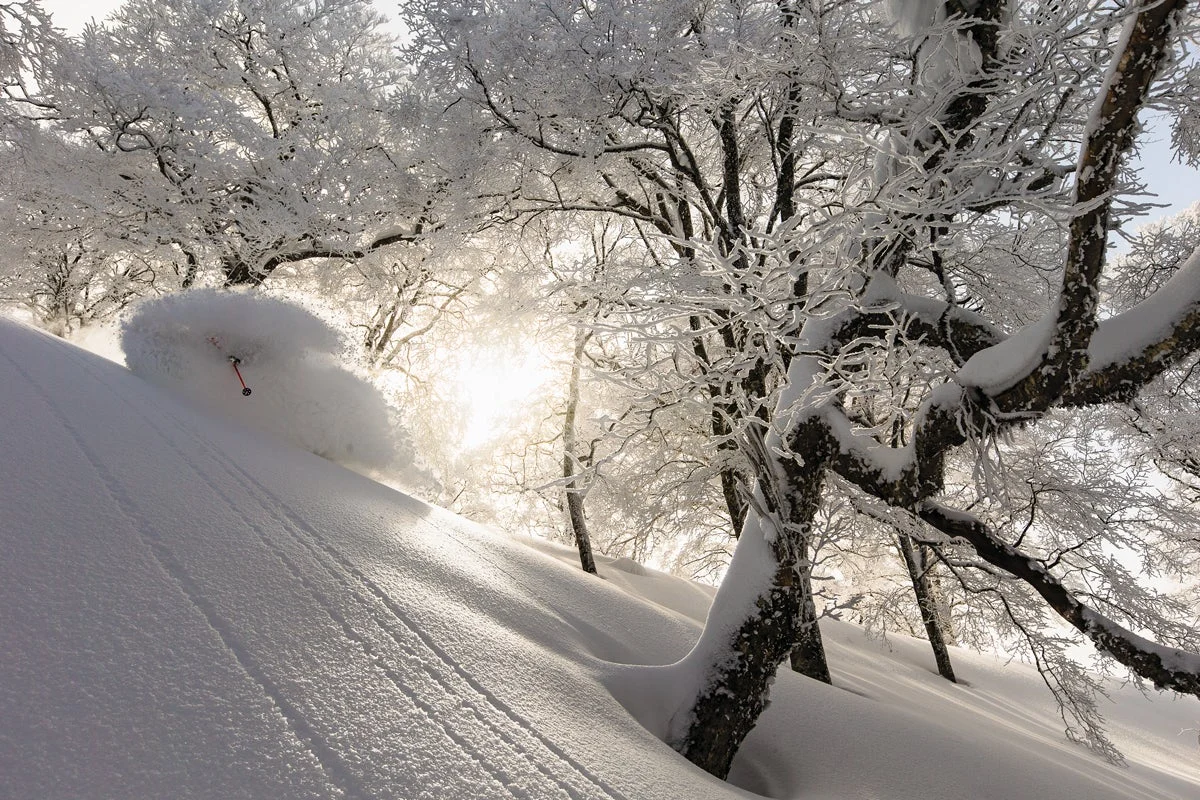
The phenomenon of skiers disappearing into billows of pristine powder beneath snow-laden birch and bamboo forests has become a ubiquitous image, circulating across social media and igniting the imaginations of winter sports enthusiasts globally. This visual spectacle, often accompanied by anecdotes of "the deepest powder of their lives," serves as the primary magnet drawing international visitors to Japan’s mountainous regions. Yet, the profound appeal of a Japanese ski trip transcends mere snow depth, encompassing an extraordinary array of cultural delights: from the restorative warmth of authentic ramen bowls and the serene embrace of steaming outdoor hot springs to the vibrant energy of ski towns where the day’s adventures seamlessly merge into an evening of culinary exploration and local discovery. This unique synthesis of world-class snow conditions and deeply immersive cultural experiences solidifies Japan’s reputation as a peerless winter destination, promising an adventure that resonates far beyond the final run.
The Unparalleled Purity of "Japow"
At the heart of Japan’s ascendancy as a premier ski destination lies its legendary snow, affectionately coined "Japow." While numerous global locations boast significant snowfall, Japan’s distinction arises from the consistent, almost relentless, quality and quantity of its powder. This meteorological marvel is a direct consequence of cold, dry air masses originating from Siberia. As these air currents traverse the relatively warm waters of the Sea of Japan, they rapidly absorb immense quantities of moisture. Upon encountering Japan’s mountainous spine, particularly the peaks of Hokkaido and Honshu, this moisture is efficiently unloaded as frequent, light, and incredibly dry snowfall.
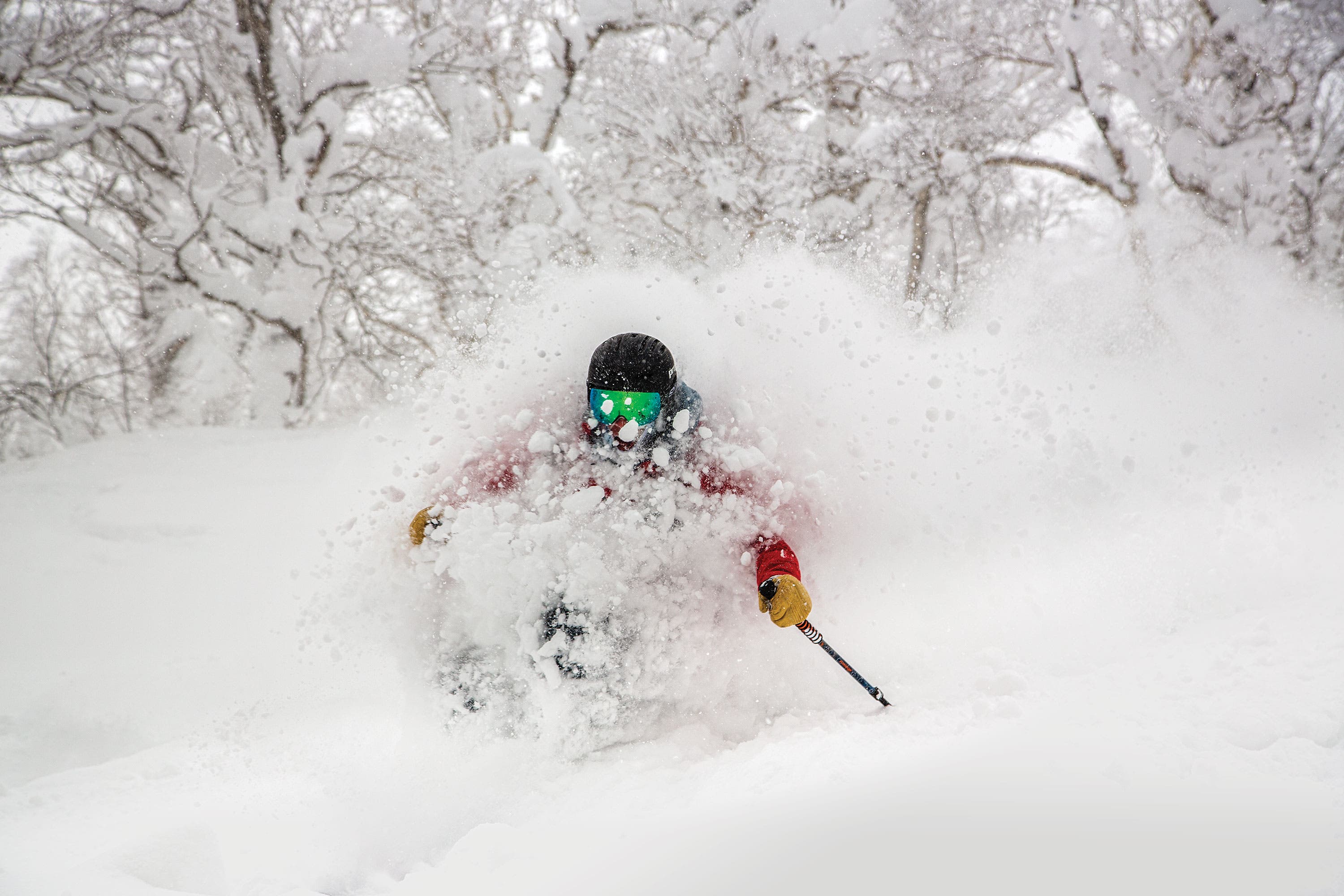
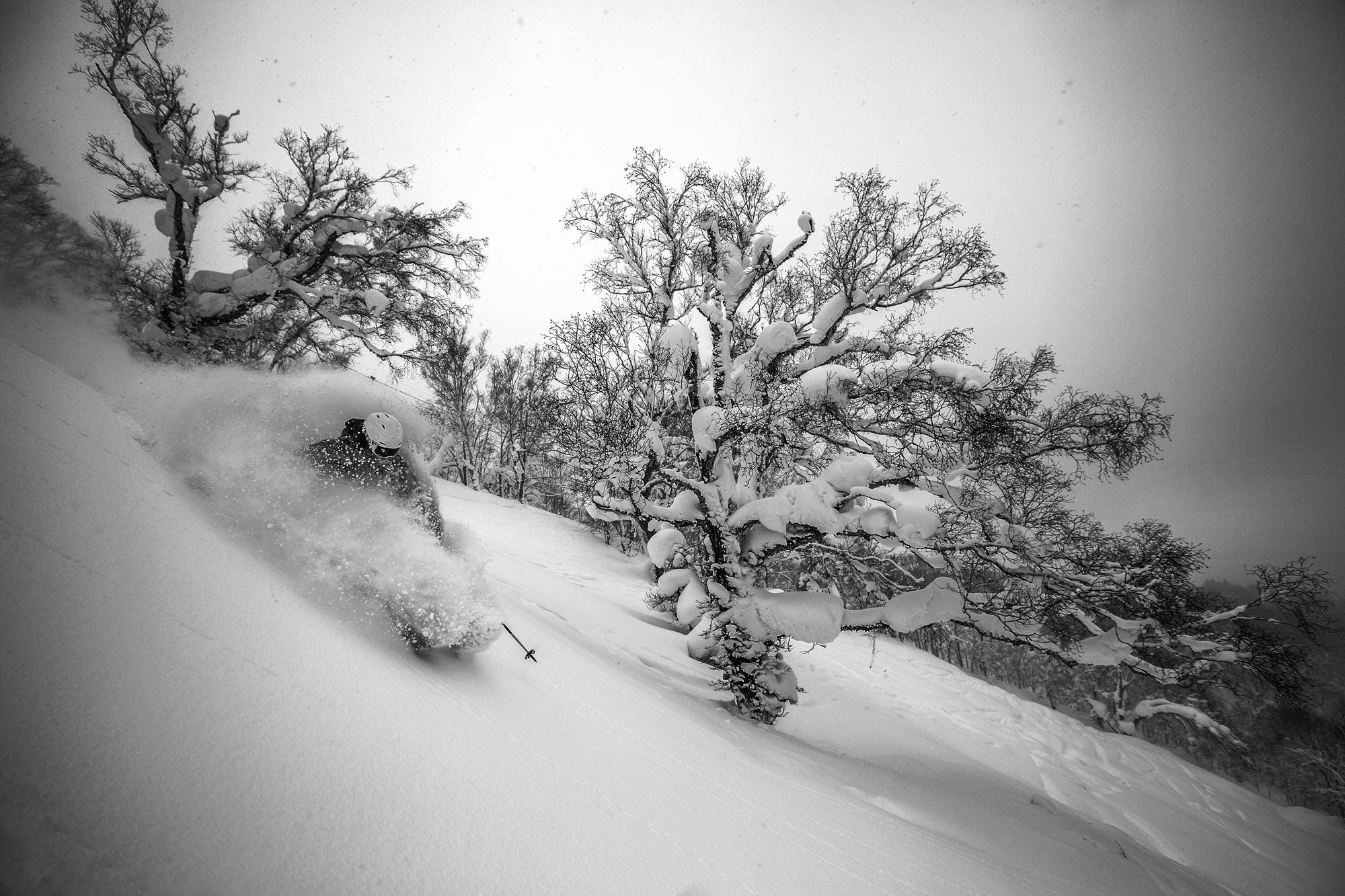
In regions like Hokkaido, resorts such as Niseko, Rusutsu, and Kiroro consistently report annual snowfall totals that can exceed 15 meters (approximately 50 feet). Unlike destinations reliant on singular, colossal storms, Japan offers a unique pattern of continuous "refills." Skiers can awaken daily to fresh layers of powder, transforming a single trip into a series of uninterrupted powder days. This consistent refresh rate minimizes competition for fresh tracks and extends the window for optimal conditions. Furthermore, much of Japan’s most celebrated skiing occurs below the treeline, navigating through picturesque forests of birch and bamboo. These natural glades, often perfectly spaced, provide exceptional shelter during active storm cycles, creating an almost surreal experience of skiing through a constantly replenishing, pristine landscape. The appeal for those seeking face shots and untouched lines is undeniably profound, establishing a benchmark for powder experiences worldwide.

A Gastronomic Journey: The Culinary Soul of Japan
Beyond the exhilarating slopes, Japan offers a culinary landscape so rich and diverse that it frequently rivals the skiing itself as a highlight of the trip. The notion that one might spend as much time contemplating the evening’s meal as tomorrow’s snowfall is a testament to the country’s gastronomic excellence. While sushi is globally renowned, the true joy of dining in Japan extends far beyond this singular delicacy.
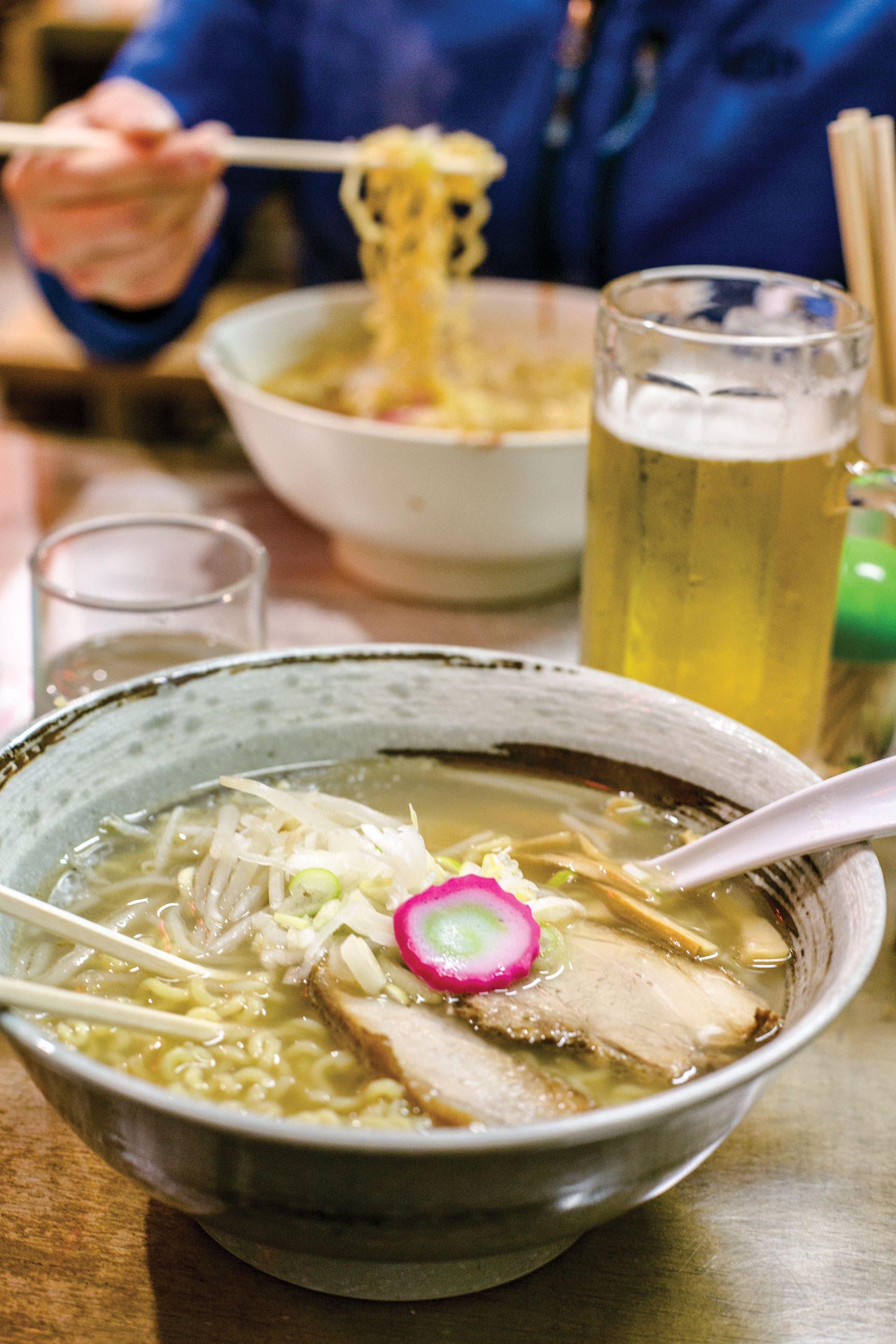
Imagine the profound satisfaction of a steaming bowl of authentic ramen, its rich broth warming you from the inside out after a cold day on the mountain. This staple, with its regional variations and meticulously crafted broths, noodles, and toppings, transforms a simple meal into a restorative ritual. Small, unassuming neighborhood restaurants, often specializing in gyoza (dumplings) or soba/udon noodles, offer intimate dining experiences that showcase local flavors and culinary traditions. For a more social evening, an izakaya – a casual Japanese tavern – provides a vibrant atmosphere for enjoying grilled skewers (yakitori), small plates (otsumami), and local sake or beer. Even convenience stores, known as konbini, elevate the concept of grab-and-go food with an astonishing array of high-quality, fresh, and often gourmet snacks, sandwiches, and hot meals, far surpassing typical Western offerings.
Crucially, exceptional dining in Japanese ski towns does not typically necessitate advance reservations or exorbitant prices, a stark contrast to many North American counterparts. Many of the most memorable meals are serendipitous discoveries, stumbled upon while exploring the charming streets after a day of skiing, offering an authentic taste of local life without pretense. This accessibility and quality underscore Japan’s unique position where gastronomic adventure is an intrinsic, affordable, and deeply rewarding component of the winter sports experience.
A Tapestry of Terrain: Japan’s Diverse Ski Regions
To speak of "skiing Japan" as a singular experience is to overlook the country’s remarkable regional diversity in its winter offerings. With over 500 ski areas, ranging from internationally acclaimed resorts to quaint local hills, Japan presents a kaleidoscope of ski vacations, each tailored to different preferences and skill levels.
For those drawn by the siren call of "Japow," the northern island of Hokkaido is the undisputed mecca. Resorts like Niseko United, Rusutsu, and Kiroro are celebrated for their consistently deep, light powder and extensive tree skiing terrain, making them a magnet for international visitors. Here, the focus is squarely on powder hounds seeking endless fresh tracks.
Venturing to Honshu, the main island, the Japanese Alps present a different kind of grandeur. Hakuba Valley, a cluster of resorts including Happo-One and Cortina, offers bigger mountains, significantly more vertical drop, and steeper, more challenging terrain, appealing to those who prefer expansive alpine bowls and demanding descents.
For a deeply traditional and culturally immersive experience, Nozawa Onsen stands out. This historic village allows skiers to seamlessly transition from the slopes to the village’s numerous public hot springs (sotoyu), maintaining a connection to centuries-old Japanese customs. The village itself, with its narrow streets and traditional architecture, offers a charming step back in time.
Further exploration into regions such as Tohoku (e.g., Appi Kogen, Zao Onsen) reveals quieter resorts that remain largely off the international radar. These areas provide an opportunity for a more authentic, less crowded experience, often with unique local specialties and a chance to interact more closely with Japanese culture. The sheer variety ensures that repeat visitors can embark on an entirely distinct ski trip each winter, exploring new mountains, new cultures, and new culinary delights.
The Onsen Ritual: Après-Ski Reimagined
In Japan, the concept of après-ski takes on a profoundly unique and restorative dimension, often diverging from the raucous bar scenes common in Western resorts. This is primarily due to Japan’s extraordinary geothermal activity, which has blessed the country with an abundance of natural hot springs, known as onsens. These mineral-rich baths are not merely tourist attractions but are deeply woven into the fabric of daily life in many mountain towns, serving as a cherished ritual for relaxation and recuperation.
After a demanding day of chasing powder, the tradition of shedding ski boots for a serene soak in an onsen is an experience unlike any other. Whether it’s an outdoor rotenburo where snow gently falls around you, or an indoor bath overlooking the majestic peaks you just skied, the therapeutic benefits are immediate. The mineral-rich waters are believed to soothe aching muscles, improve circulation, and promote overall well-being. Culturally, onsens are places of quiet contemplation and cleanliness, often requiring specific etiquette such as thorough washing before entering the communal baths.
Towns like Nozawa Onsen exemplify this integration, with public bathhouses forming the very heart of the village, freely accessible to all. Many hotels and ryokans (traditional inns) also feature private or communal onsens, providing luxurious and intimate options. This ritual of communal bathing fosters a sense of community and provides a perfect counterpoint to the day’s athletic endeavors. While a post-soak beer is certainly an option, the onsen experience itself is the true highlight, offering a deeply authentic and rejuvenating end to a ski day, far removed from typical après-ski conventions.
Accessibility and Affordability: Dispelling Misconceptions
For many prospective travelers from North America and Europe, the perceived cost and logistical complexity of a trip to Japan can be daunting. While the long-haul flight often represents the most significant initial expense, the overall cost of a ski vacation in Japan can be surprisingly competitive, and often more affordable, than comparable trips to major destinations in the Alps or the Rocky Mountains.
Lift ticket prices in Japan, particularly at many local and regional resorts, remain considerably lower than the often "eye-popping" walk-up rates seen at premier U.S. and Canadian destinations. It is not uncommon to find day passes ranging from $50-$80 USD, a fraction of the $150-$250+ often required at Western mega-resorts. Furthermore, the affordability extends to daily expenses. Dining, from a quick bowl of noodles to a multi-course meal at an izakaya, is refreshingly budget-friendly without compromising on quality. Accommodation options, particularly outside of peak season or in lesser-known areas, also offer excellent value.
Moreover, the increasing global interconnectedness of the ski industry has made Japan more accessible for international pass holders. Programs like the Ikon Pass, Epic Pass, Mountain Collective, and Indy Pass often include or offer discounted access to participating Japanese resorts (e.g., Niseko, Hakuba, Rusutsu), allowing skiers to leverage existing investments in season passes. While the exact value will naturally vary based on travel style, chosen resorts, and the current exchange rate, a well-planned trip to Japan can offer an unparalleled ski and cultural experience that is far less extravagant than many initially assume, making it an increasingly attractive option for value-conscious adventurers.
Embracing Japanese Culture: An Integral Part of the Journey
What truly sets skiing in Japan apart from merely traveling to another snow-covered mountain range is the profound immersion into a distinct and ancient culture. The mountains are not isolated enclaves but are deeply integrated into the larger cultural tapestry of the nation. A typical day can effortlessly blend exhilarating powder runs with moments of cultural discovery: a morning spent carving through fresh snow, followed by a hearty ramen lunch, a therapeutic onsen soak, a leisurely stroll through a centuries-old village with its unique architecture, and an evening spent at a convivial izakaya or a lively karaoke bar.

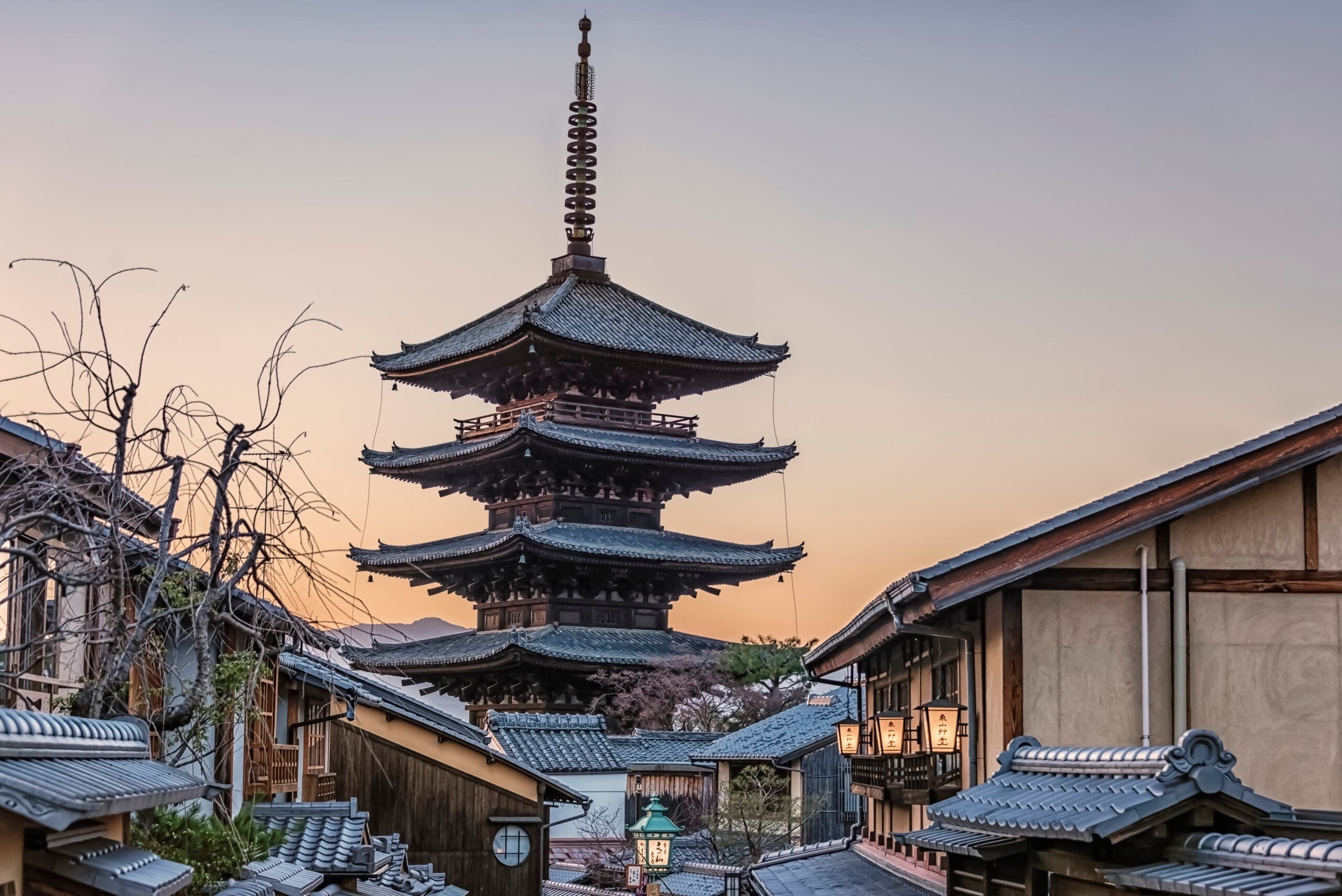
Japan’s architectural landscape is a fascinating dialogue between tradition and modernism. Ancient temples and Shinto shrines, often nestled in serene settings or even within ski towns, stand as testaments to centuries of spiritual and artistic heritage. These serene sites offer moments of quiet contemplation and a deep connection to Japan’s past. The blend of intricate wooden structures, minimalist design, and vibrant gardens provides a visual feast that complements the natural beauty of the winter landscape. Adding a few days to explore iconic cities like Tokyo, Kyoto, or Sapporo either before or after the ski portion of the trip transforms a simple ski vacation into a multifaceted travel experience. Kyoto, with its UNESCO World Heritage sites, geisha districts, and tranquil gardens, offers a glimpse into imperial Japan, while Tokyo dazzles with its futuristic skyline and vibrant pop culture. Sapporo, the capital of Hokkaido, combines urban amenities with easy access to premier ski resorts. This seamless integration of world-class skiing with deep cultural immersion creates memories that endure long after the thrill of the powder fades, making the journey a holistic adventure.
Night Skiing: Extending the Powder Play
For those who feel a powder day ending at 4 p.m. is a premature conclusion, Japan offers a compelling solution: night skiing. This extended experience is a more prominent and celebrated feature at many Japanese resorts compared to its North American counterparts, with numerous mountains illuminating their slopes well into the evening, often until 9 p.m. or later.
The experience of night skiing in Japan is uniquely atmospheric. Under the glow of floodlights, fresh snowfall transforms into a mesmerizing curtain of streaking flakes, creating an almost dreamlike descent. The snow, often freshly groomed or continuously replenished, feels different under the artificial light – sometimes softer, sometimes more playful. Resorts like Niseko and Rusutsu offer extensive night skiing operations, allowing skiers to maximize their time on the slopes and experience the mountain in an entirely new light. It’s an opportunity to lap favorite runs, practice turns on pristine corduroy, or even catch fresh powder if the snow continues to fall. This dedication to extended operational hours caters to the most enthusiastic skiers, ensuring that the thrill of winter sports can be enjoyed from dawn until well after dusk, adding an extra layer of enjoyment and value to the Japanese ski experience.
Winter’s Grand Spectacles: Festivals and Events

The Japanese winter is not solely defined by its abundant snow but also by a vibrant calendar of festivals and cultural events that add another layer of enchantment to a ski trip. Depending on the timing and location of travel, visitors have the unique opportunity to integrate their ski adventures with world-renowned spectacles, transforming a winter sports vacation into an immersive cultural celebration.
The Sapporo Snow Festival, held annually in early February, is arguably the most famous, drawing millions of visitors to witness colossal snow and ice sculptures, some reaching the size of multi-story buildings. These intricate works of art, often depicting historical figures, famous landmarks, or fantastical creatures, are illuminated at night, creating a dazzling display. Beyond Sapporo, numerous regional festivals dot the winter landscape. These can range from smaller, local snow festivals featuring community-built sculptures and traditional music, to ancient fire festivals like the Nozawa Onsen Dosojin Festival, where villagers engage in a spectacular ritual involving a giant wooden shrine and a fiery battle, symbolizing protection and good harvest.
These festivals often feature local music, from traditional string quartets to contemporary J-pop artists, and offer opportunities to sample regional liquors and culinary delights in warming huts. For skiers willing to introduce some flexibility into their itinerary, timing a trip to coincide with one of these winter spectacles provides an unforgettable cultural dimension, enriching the travel experience far beyond the slopes and offering a deeper understanding of Japan’s rich traditions and artistic expressions.
Planning Your Japanese Ski Adventure: Simpler Than You Think
For many international skiers, the prospect of planning a trip to Japan can initially seem daunting. The perceived barriers—distance, language differences, unfamiliar transportation systems, and the sheer array of choices—can often relegate Japan to the realm of "someday" trips. However, this perception is increasingly outdated. Major Japanese ski destinations have made significant strides in becoming remarkably accessible and welcoming to international visitors.
The infrastructure for international tourism has matured considerably. Established airport transfer services, offering convenient bus or train connections from major hubs like Tokyo, Osaka, or Sapporo to key ski resorts, streamline arrival logistics. English-language signage, information, and services are now widely available in popular ski regions and major cities, significantly easing navigation and communication. A robust network of professional ski guides and tour operators specializing in Japan offers tailored packages, from fully guided backcountry excursions to all-inclusive resort stays, simplifying the entire planning process. These operators can assist with everything from flights and accommodation to lift tickets, equipment rentals, and cultural excursions.
Furthermore, Japan boasts one of the most efficient and punctual public transportation systems in the world, including the iconic Shinkansen (bullet train), making inter-city travel remarkably easy and enjoyable. With the proliferation of online resources, travel blogs, and dedicated Japan ski travel agencies, planning a trip has never been more straightforward. Whether opting for a highly independent adventure or a turnkey package, the resources and support are readily available. The only remaining question for most is not if they should go, but why they waited so long to experience the unparalleled combination of powder, culture, and hospitality that Japan offers.
A Holistic Winter Destination
In conclusion, Japan has firmly established itself not just as a world-class ski destination, but as a holistic winter travel experience. Its legendary "Japow," born from unique meteorological conditions, provides an endless playground for powder enthusiasts. This is magnificently complemented by a rich and accessible culinary scene, a diverse array of ski resorts catering to every preference, the rejuvenating ritual of the onsen, and surprisingly affordable on-the-ground costs. The opportunity to immerse oneself in a vibrant culture, explore ancient traditions, witness spectacular winter festivals, and enjoy extensive night skiing further elevates the journey. With increasing accessibility and streamlined planning resources, the dream of a Japanese ski adventure is more attainable than ever. Japan offers an unparalleled fusion of thrilling snow sports and profound cultural immersion, ensuring that every visit leaves an indelible mark, long after the final snowflake has fallen.
