

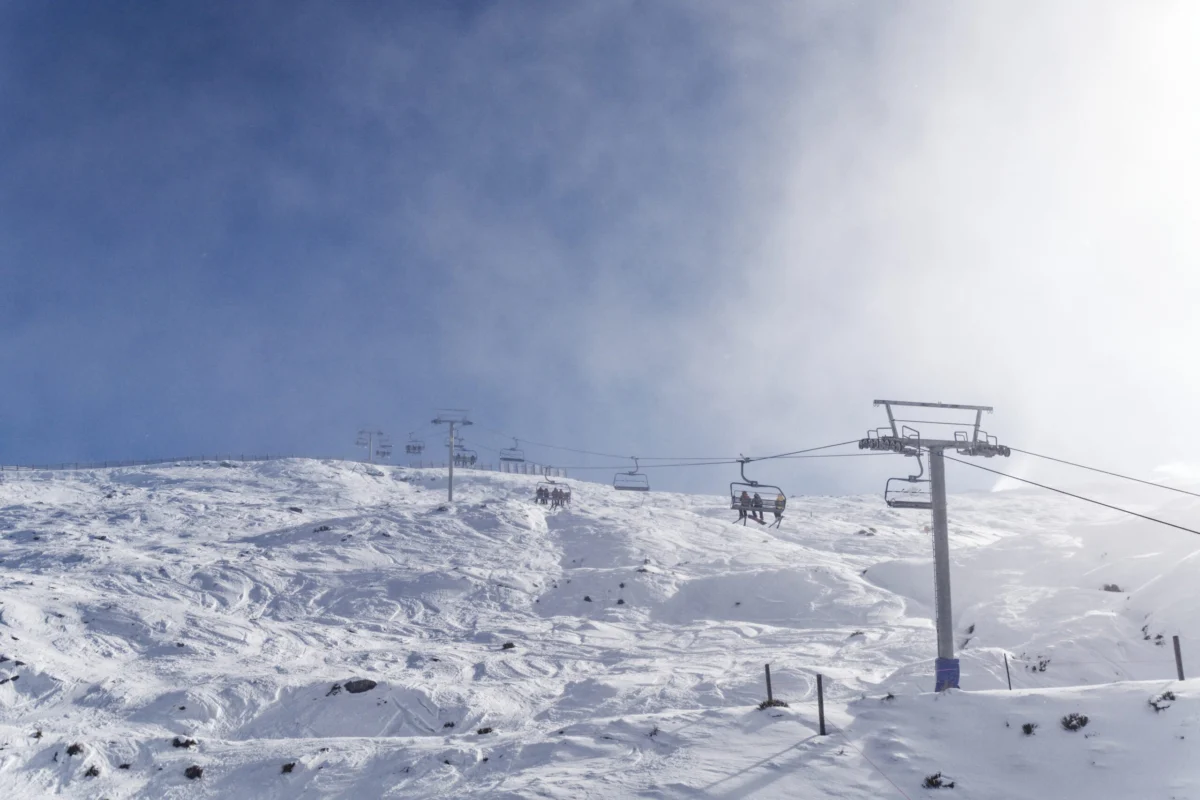
Wanaka, New Zealand – Treble Cone Ski Area, one of New Zealand’s premier freeride destinations, has ceased all operations indefinitely following an unprecedented weather system that triggered widespread natural avalanches, heavy rainfall, and multiple landslides, rendering its crucial access road impassable. The resort initially announced a closure for August 28 and 29, but the sheer scale of the damage and persistent high hazard levels have prompted an open-ended suspension of services, with no clear timeline for reopening. This severe disruption has sent ripples through the local tourism economy, impacting visitors and businesses reliant on the winter season in the Southern Lakes region.
The meteorological anomaly, which began impacting the Southern Alps on Tuesday, August 27, brought a potent combination of warm, tropical moisture driven by a strong northerly flow directly onto a substantial mid-winter snowpack. This classic "warm-on-cold" rain event proved devastating. Meteorological data from regional weather stations indicated rainfall totals exceeding 150 millimeters in less than 24 hours at higher elevations, accompanied by a dramatic temperature spike from sub-zero to as high as 10 degrees Celsius. This rapid influx of warmth and moisture saturated the upper layers of the existing snow, drastically reducing its structural integrity and cohesion. The result was a widespread destabilization of the snowpack across all aspects and elevations, leading to what experts are describing as one of the most significant natural avalanche cycles observed in the region in recent memory.
The Anatomy of a Catastrophic Snowpack Failure
The specific conditions at Treble Cone — its steep, extensive freeride terrain and particular topographical aspects — made it acutely vulnerable to this weather system. While neighboring resorts, situated in slightly different microclimates or with less susceptible terrain, managed to mitigate some of the most destructive hazards, Treble Cone bore the full brunt. Avalanche professionals reported numerous large-scale natural avalanches, including wet slab and glide avalanches, ripping through the resort’s renowned freeride basins. These slides, characterized by their immense power and ability to entrain vast quantities of snow, debris, and even vegetation, posed an immediate and extreme threat to both infrastructure and any potential personnel in the affected areas.
The New Zealand Avalanche Advisory (NZAA) had issued severe warnings for the region, escalating the danger rating to "Extreme" in certain zones. This level signifies that natural avalanches are highly likely and can be very large and destructive, often running to valley bottoms. Resort management, in close consultation with its highly trained ski patrol and avalanche safety teams, made the immediate decision to close the mountain, prioritizing the safety of staff, guests, and emergency responders above all else. This proactive measure, taken well in advance of the most severe impacts, undoubtedly prevented potential casualties.
Access Road Obliterated: A Battle Against Earth and Debris
Beyond the high-alpine snow hazards, the heavy rainfall initiated a secondary, equally destructive chain of events along the resort’s winding access road. The steep hillsides flanking the road, already saturated from previous precipitation and composed of unstable glacial till and rocky outcrops, succumbed to the incessant downpour. Multiple landslides and debris flows roared down the slopes, depositing tons of heavy mud, boulders, uprooted trees, and saturated timber across significant sections of the roadway. These formidable barriers effectively severed all ground access to the ski area.
Civil roading crews, alongside Treble Cone’s ski patrol and heavy machinery operators, were deployed swiftly to assess the damage. Initial reports indicated that several key sections of the road were not merely blocked but fundamentally altered, with parts of the road surface washed away or deeply buried. The ongoing challenges included continued rockfall, persistent localized rain, and high ambient temperatures, which softened the ground further and made safe clearing operations exceedingly difficult and dangerous. Heavy machinery, including excavators and bulldozers, has been brought in, but the sheer volume of material and the instability of the surrounding terrain present a monumental task. Helicopter mitigation teams have also been utilized to survey the extent of the damage from above and to identify further high-risk zones for potential slides.
Safety First on the Maunga: A Commitment to Operational Integrity
Treble Cone’s management underscored its unwavering commitment to safety, emphasizing that operations would remain completely paused until all hazards are thoroughly managed and the access road is fully restored to a safe and functional state. "Our priority is, and always will be, the safety of our guests and our dedicated team," stated a representative for Treble Cone, echoing the sentiment of the entire mountain operations crew. "The power of the Southern Alps during such extreme weather events demands the utmost respect and a meticulous approach to reopening."

Patrol teams are working around the clock, deploying specialized techniques to manage residual slope hazards. This includes conducting targeted explosive mitigation in active slide paths to bring down unstable snow safely and systematically. Concurrently, civil engineering teams are focused on the arduous task of clearing the road, stabilizing vulnerable hillsides, and repairing damaged sections. The work extends to inspecting and potentially digging out lower lift infrastructure that may have been impacted by debris flows, ensuring the structural integrity of all mechanical systems before any public access is considered. The Māori term "Maunga," meaning mountain, is often used to convey the deep respect held for these powerful natural environments in New Zealand.
Economic Ripple Effects: A Blow to Southern Lakes Tourism
The extended closure of Treble Cone represents a significant blow to the local economy, particularly for businesses in Wanaka and the broader Southern Lakes region, which heavily rely on winter tourism. Treble Cone is a major draw for both domestic and international visitors, known for its challenging terrain and breathtaking views. Tour operators, accommodation providers, rental shops, restaurants, and other ancillary services in Wanaka and nearby Queenstown are already feeling the immediate impact of lost revenue.
"This is a tough one for the community," commented a representative from the Wanaka Chamber of Commerce (inferred statement). "Every day the lifts aren’t turning at a major resort like Treble Cone means a direct loss for our local businesses, from ski instructors to hoteliers. We’re hoping for a swift and safe recovery, but acknowledge the immense challenge facing the resort and roading crews." While other regional ski fields like Cardrona and Coronet Peak have largely escaped the most severe direct impacts and continue to operate, the absence of Treble Cone from the active roster removes a significant piece of the region’s winter sports offering, potentially diverting or discouraging some visitor traffic. The full economic implications will become clearer as the duration of the closure is confirmed, but estimates of lost revenue could run into the millions of dollars, impacting hundreds of jobs directly and indirectly.
A Broader Context: Climate Change and Mountain Operations
This severe weather event at Treble Cone underscores the increasing challenges faced by mountain resorts globally due to changing climate patterns. While individual weather events cannot be solely attributed to climate change, scientific consensus suggests an increase in the frequency and intensity of extreme weather phenomena, including heavy rainfall and rapid temperature fluctuations. For ski areas, this means grappling with more volatile snowpacks, increased risk of avalanches and landslides, and greater operational complexities.
Resort operators and civil authorities are continuously adapting their strategies, investing in advanced meteorological forecasting, improved avalanche mitigation technologies, and resilient infrastructure. However, events of this magnitude highlight the limits of even the most robust preparations. The long-term implications for mountain communities involve not only immediate disaster response but also ongoing efforts to build resilience, adapt land-use planning, and consider the environmental impact of infrastructure development in sensitive alpine environments. The experience at Treble Cone will undoubtedly contribute to a deeper understanding of these evolving risks and inform future mitigation strategies across the Southern Alps.
Looking Ahead: The Path to Reopening
As of now, Treble Cone management has not provided an estimated date for reopening. The immediate focus remains on ensuring the safety of personnel engaged in hazard reduction and road clearing, and a comprehensive assessment of all affected areas. Regular updates are expected to be provided via the resort’s official channels as progress is made. Visitors holding bookings or planning trips to Treble Cone are strongly advised to monitor these official communications and to consider alternative arrangements in the interim.
The monumental effort required from local ski patrols, heavy machinery operators, and civil road crews cannot be overstated. These dedicated individuals are working in challenging and often dangerous conditions to restore access and safety to the maunga. The community’s patience and understanding are crucial during this recovery phase. When the lifts finally turn again, it will signify not just the reopening of a beloved ski area but also a testament to the resilience and collaborative spirit of the Southern Lakes community in the face of nature’s formidable power.
