

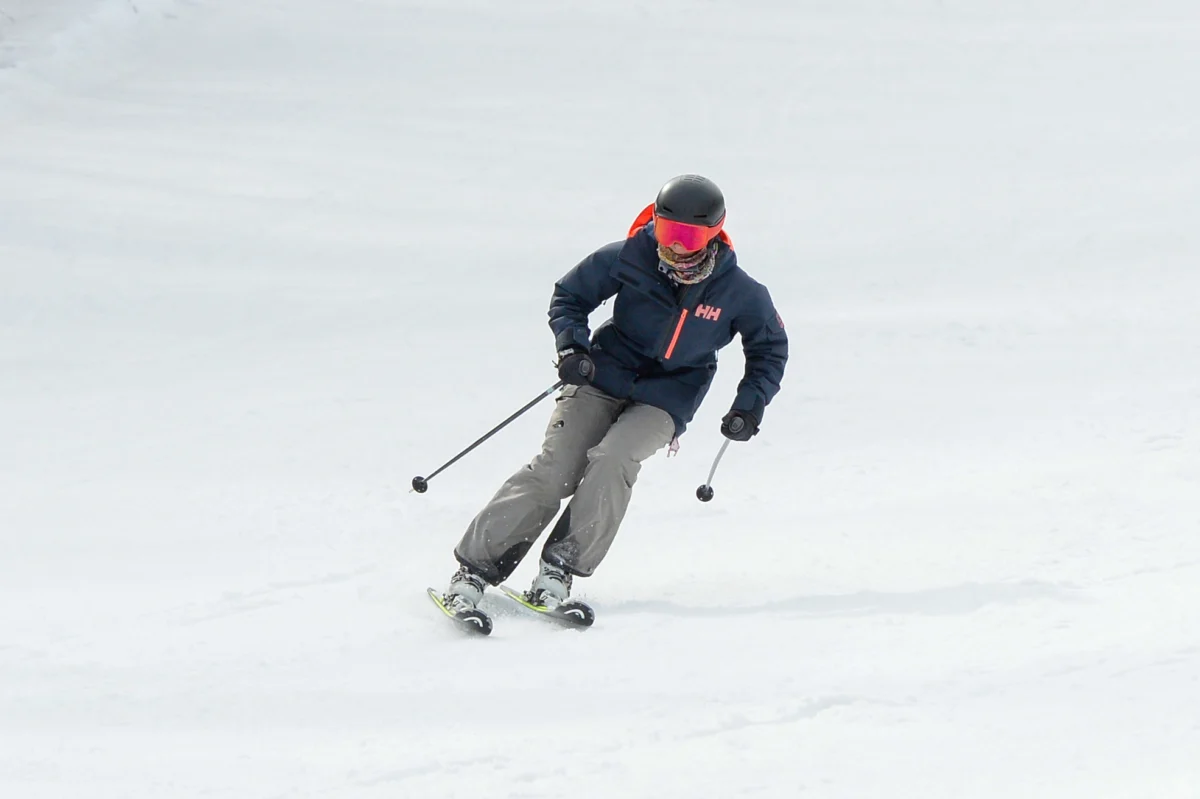
The snowsports instruction community is abuzz with a significant re-evaluation of a foundational teaching strategy, promising to revolutionize how instructors analyze student movements and structure skill development. Published in the Fall 2025 Issue of 32 Degrees, an article by J. Scott McGee and Jacob Crawford introduces a dynamic interpretation of the Static, Simple, Complex, Applied (SSCA) four-phase process, a core methodology outlined in the Teaching Snowsports Manual. This innovative perspective shifts SSCA from a merely linear progression for introducing new movements to a versatile framework of "lenses" for precise movement analysis and flexible "building blocks" for tailored lesson design, ultimately aiming to make instruction more effective, personalized, and efficient for students of all levels.
The Evolution of Snowsports Pedagogy
The field of snowsports instruction has undergone a profound transformation over decades, moving from rudimentary, often trial-and-error methods to sophisticated, research-backed pedagogical frameworks. Early instruction frequently relied on rote imitation and basic commands, with limited understanding of biomechanics or motor learning principles. However, as the sport evolved and technology advanced, so too did the science of teaching. Organizations like the Professional Ski Instructors of America and American Association of Snowboard Instructors (PSIA-AASI) emerged as pivotal forces, dedicated to standardizing and elevating the quality of instruction across North America.
PSIA-AASI’s Teaching Snowsports Manual stands as a seminal text in this evolution, providing instructors with a comprehensive guide to understanding movement, analyzing performance, and designing effective lessons. Within this manual, the SSCA framework was introduced as a structured approach to introducing novel movement patterns. Its development was a direct response to the need for a systematic way to break down complex skills into manageable components, ensuring students could progressively build proficiency. Before SSCA, instructors often struggled with how to sequence drills effectively, leading to inconsistent student progress and sometimes frustration. The manual sought to provide a clear pathway, a logical sequence that could be applied across various skill levels and learning styles.
Understanding the Foundational SSCA Framework
The traditional SSCA model, as initially presented in the Teaching Snowsports Manual (page 51), describes a sequential, four-phase process for introducing a new movement pattern to students. This linear progression was designed to systematically guide learners from initial awareness to full integration of a new skill into their skiing or snowboarding.
The Static phase is the initial step, where a movement is introduced without any sliding on snow. This crucial phase allows students to focus entirely on the sensation and mechanics of the new movement, free from the distractions of balancing, speed, or terrain. For example, an instructor might have students stand still and practice ankle flexion, knee angulation, or rotary movements of the lower body. The objective here is kinesthetic awareness and precise execution of the movement in an isolated, controlled environment. Research in motor learning consistently shows that isolating new movements in a static environment can significantly improve initial skill acquisition by reducing cognitive load and allowing for focused repetition.
Following the static introduction, the Simple phase transitions the new movement onto the snow, but in a simplified context. This typically involves a traverse, a straight run, or a single turn. The goal is to allow students to gain comfort with the new movement while experiencing the sensation of sliding, without the added complexity of linking multiple turns or navigating varied terrain. An example might be practicing fore/aft pressure adjustments during a straight glide or focusing on a single, controlled edge change during a traverse. This phase acts as a bridge, connecting the isolated static movement to the dynamic environment of the slope, building confidence and validating the initial learning.
The Complex phase marks the point where the newly acquired movement is integrated into linked turns. Here, students are challenged to apply and refine the movement within a more realistic and dynamic skiing context. Instructors often utilize specific drills that emphasize the desired movement pattern while requiring continuous turns. For instance, if the focus is on achieving greater edge angle, a drill like "railroad track arcs" might be employed, encouraging consistent leg tipping through a series of linked turns. This phase is critical for developing "ownership" of the movement, where it becomes more automated and integrated into the student’s overall technique.
Finally, the Applied phase brings the learning experience full circle, guiding students to integrate the new movement seamlessly into their "normal" skiing. This involves practicing the refined skill in varied terrain and conditions that reinforce the learning from the preceding phases. The aim is to ensure the skill is transferable and robust, allowing students to use it instinctively to achieve their desired performance outcomes, whether it’s navigating moguls, carving on groomed slopes, or skiing powder. This phase is about real-world application and mastery, confirming that the new movement has become an integral part of their skiing repertoire.
McGee and Crawford’s Dynamic Reinterpretation: SSCA as Lenses and Building Blocks
While the linear SSCA progression has proven to be a powerful teaching tool, McGee and Crawford propose a more dynamic and versatile application, viewing the four phases not merely as a fixed sequence for introducing new skills, but as powerful analytical "lenses" for movement analysis and flexible "building blocks" for adaptive lesson design. This reinterpretation addresses a common challenge faced by instructors: having a "cornucopia of drills" but struggling to determine which ones are most relevant to a specific student’s needs and goals.
The core innovation of their approach lies in its non-linear application, particularly in the initial stages of a lesson. Instead of starting with Static to introduce a new movement, instructors are encouraged to begin their analysis with the Applied phase, then move to Static for high-resolution diagnosis, and finally construct a flexible progression using Complex and Simple phases as building blocks.
SSCA as Lenses for Movement Analysis
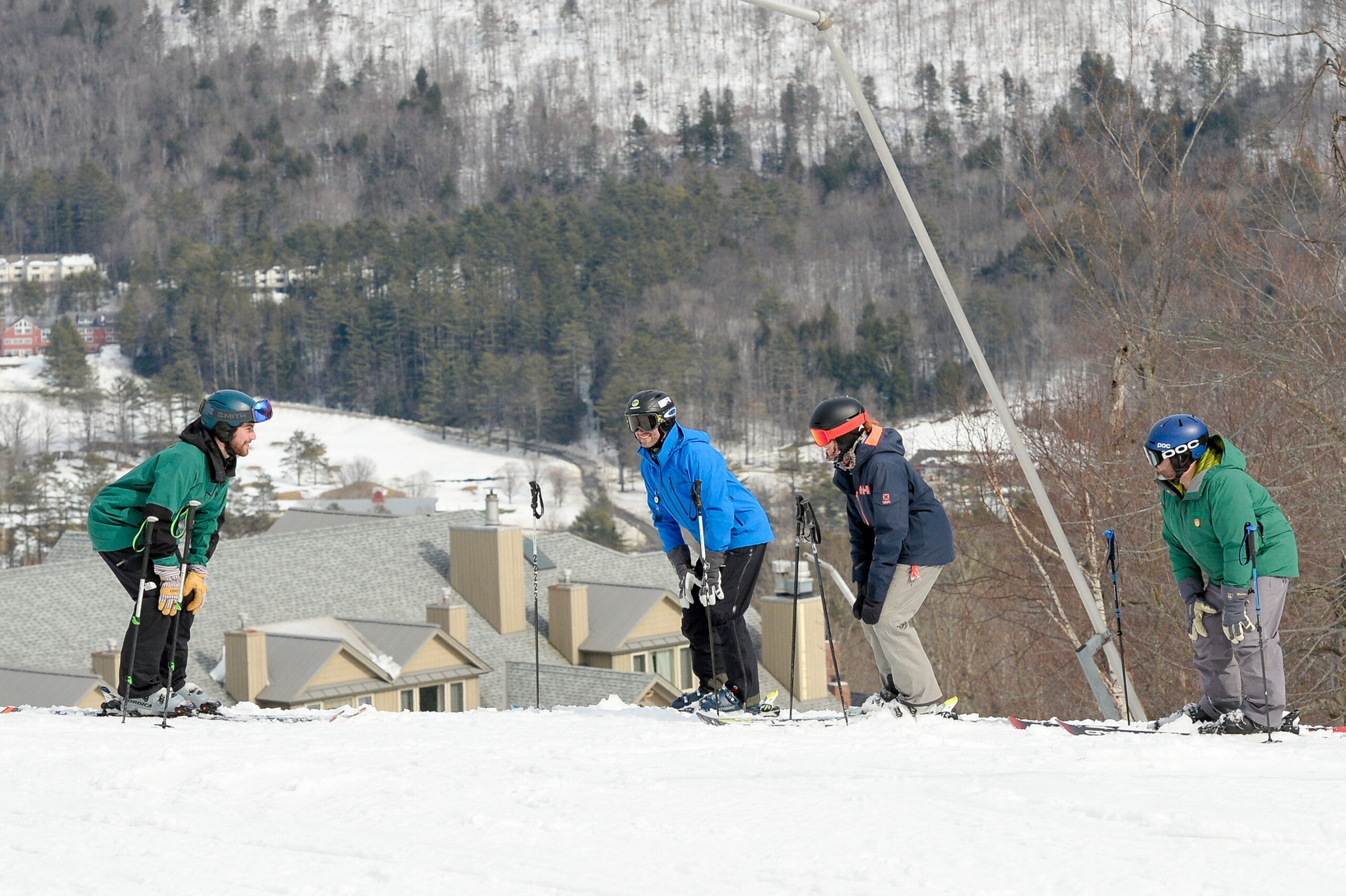
McGee and Crawford advocate for initiating movement analysis through the Applied phase lens. This means observing students in their natural skiing environment, performing the turns they wish to improve, in the terrain they aspire to ski better. For example, if a student wants to carve more effectively, the instructor would observe them attempting carving turns on a suitable slope. This initial observation serves several critical purposes:
- Goal Alignment: It directly connects the instructor’s observations to the student’s stated goals, ensuring that any chosen intervention is relevant and motivating.
- Holistic Context: It provides a comprehensive view of the student’s overall performance, revealing how various movements interact within a real-world skiing scenario.
- Benchmark for Progress: The initial Applied phase observation can also serve as a benchmark, allowing both instructor and student to visibly track progress later in the lesson by repeating the same activity. This immediate, tangible feedback is a powerful motivator.
However, observing through the Applied lens often reveals a multitude of potential areas for improvement, making it challenging to pinpoint the most impactful intervention. This is where the Static phase lens becomes indispensable for a "higher resolution" analysis. McGee and Crawford propose using the Static phase not just for teaching, but for precise diagnosis. Instructors are encouraged to ask: "Can I replicate this observed movement while standing still?" If a complex movement cannot be broken down and replicated statically, it suggests that the observation has not yet been reduced to a single cause-and-effect relationship, making it difficult to teach or modify effectively.
Consider the example provided: a skier achieving different edge angles on their inside and outside skis, with legs tipped unevenly. While observing this in the Applied phase reveals the problem, the Static phase lens helps isolate the cause. The instructor can then prompt the student to stand still and manually tip their knees, using their hands to guide the movement and feel the direct correlation between leg tipping and edge angle. This isolation allows both instructor and student to clearly identify the root cause of the issue and understand the precise movement required for correction. While some dynamic skiing positions are untenable statically, the principle remains: reduce the magnitude or use props/assistance to isolate the fundamental movement. This diagnostic application of the Static phase is a powerful tool for deconstructing complex performance issues into actionable, teachable components.
SSCA as Flexible Building Blocks for Lesson Progression
Once a specific movement issue has been identified and isolated using the Applied and Static lenses, McGee and Crawford’s dynamic approach then utilizes the SSCA phases as flexible building blocks for designing a targeted lesson progression. The order is no longer rigidly fixed from Static to Applied; instead, the instructor can strategically deploy the phases based on the student’s needs and the nature of the identified movement.
Often, the next step after diagnosis is to jump into the Complex phase to begin making the change. This involves pulling out a specific drill from the instructor’s "bag of tricks" that directly emphasizes the identified fundamental or movement pattern within a turning context. For instance, if the Static analysis revealed an issue with insufficient leg angulation, the instructor might introduce a complex-phase drill like "railroad track arcs" or "phantom turns" that specifically encourages proper leg tipping and angulation throughout linked turns. The rationale here is to immediately provide a structured environment for the student to practice the desired movement in a dynamic, yet still controlled, setting.
Following the Complex phase, the Simple phase then acts as a crucial "bridge." After practicing the new movement in linked turns, the instructor can reduce the complex activity to a single turn, a traverse, or a straight run. The purpose of this step is to forge a clear and direct connection between the new movement (diagnosed statically and practiced complexly) and the sensation of sliding on snow. It allows the student to focus intently on the precise execution of the movement without the cognitive load of continuous turning. For example, after practicing railroad track arcs, the instructor might ask the student to perform a single, long traverse, focusing solely on the leg tipping sensation identified in the Static phase. This reinforces the specific cause-and-effect relationship and builds confidence before returning to more complex linked turns.
The cyclical nature of this dynamic approach means that after practicing in Complex and bridging in Simple, the student will ultimately return to the Applied phase for reinforcement and integration. This involves skiing in varied terrain and conditions that demand the application of the newly acquired skill, ensuring its transferability and robustness. This iterative process allows instructors to continually assess, refine, and integrate skills, fostering long-term retention and mastery.
Implications and Broader Impact on Snowsports Education
The dynamic SSCA framework proposed by J. Scott McGee and Jacob Crawford carries significant implications for the future of snowsports education, promising enhanced instructor effectiveness and improved student learning outcomes.
Enhanced Instructor Effectiveness: This approach empowers instructors to move beyond generic lesson plans, becoming more precise and adaptive in their teaching. By providing clear lenses for diagnosis, it helps instructors quickly pinpoint the root causes of performance issues, rather than merely addressing symptoms. This precision leads to more targeted interventions, reducing instructional "noise" and allowing for clearer communication with students. Instructors adopting this methodology report a greater sense of confidence in their ability to address diverse student challenges, noting a reduction in the time it takes to identify and correct fundamental errors.
Improved Student Learning Outcomes: For students, the dynamic SSCA means faster progress and a deeper understanding of their own movements. The clear cause-and-effect relationships identified through the Static lens, combined with the flexible progression, demystify complex skiing techniques. Students gain a more intuitive grasp of how their body movements translate into ski performance, leading to greater self-awareness and self-correction abilities. Anecdotal evidence from early adopters suggests that students coached with this dynamic approach report higher satisfaction, feeling that their lessons are more tailored and productive. The ability to revisit the initial Applied phase observation to highlight progress serves as a powerful motivational tool, reinforcing learning and boosting morale.
Standardization and Professional Development: The insights from McGee and Crawford’s work are poised to influence PSIA-AASI’s ongoing professional development programs and potentially future revisions of its instructional manuals. By offering a more nuanced and effective application of a core pedagogical tool, it contributes to the continuous evolution of professional standards within the industry. Educational leadership within PSIA-AASI is expected to embrace these advancements, integrating them into instructor training, certification exams, and educational clinics. The "First Chair Podcast" episode, "Build Better Lessons: A Smarter Way to Create Progressions," featuring McGee and Crawford, serves as an immediate platform for disseminating these advanced techniques, demonstrating the industry’s commitment to continuous learning and adaptation. This proactive dissemination ensures that a wide array of instructors can access and implement these cutting-edge strategies, further elevating the quality of snowsports instruction across the nation.
The Future of Ski Instruction: Looking ahead, the dynamic SSCA framework aligns well with broader trends in sports coaching, including the increasing use of video analysis, real-time feedback systems, and data-driven instruction. By providing a robust conceptual framework for breaking down and rebuilding movements, it enhances the utility of such technological aids. Instructors can use video to capture the Applied phase, analyze specific movements through the Static lens, and then design precise drills with the Complex and Simple phases, all supported by visual feedback. This integration promises a future where ski instruction is not only highly personalized but also technologically augmented, offering unparalleled opportunities for skill development.
In conclusion, J. Scott McGee and Jacob Crawford’s dynamic reinterpretation of the SSCA framework represents a significant advancement in snowsports instruction. By transforming a linear teaching model into a flexible system of diagnostic lenses and adaptive building blocks, they have provided instructors with a more powerful, precise, and personalized approach to movement analysis and skill development. This innovation promises to enhance instructor effectiveness, accelerate student learning, and further solidify the progressive nature of professional snowsports education. As the industry continues to evolve, methodologies like the dynamic SSCA will be crucial in equipping instructors with the tools needed to meet the diverse needs of learners and inspire a lifelong passion for snowsports.
