

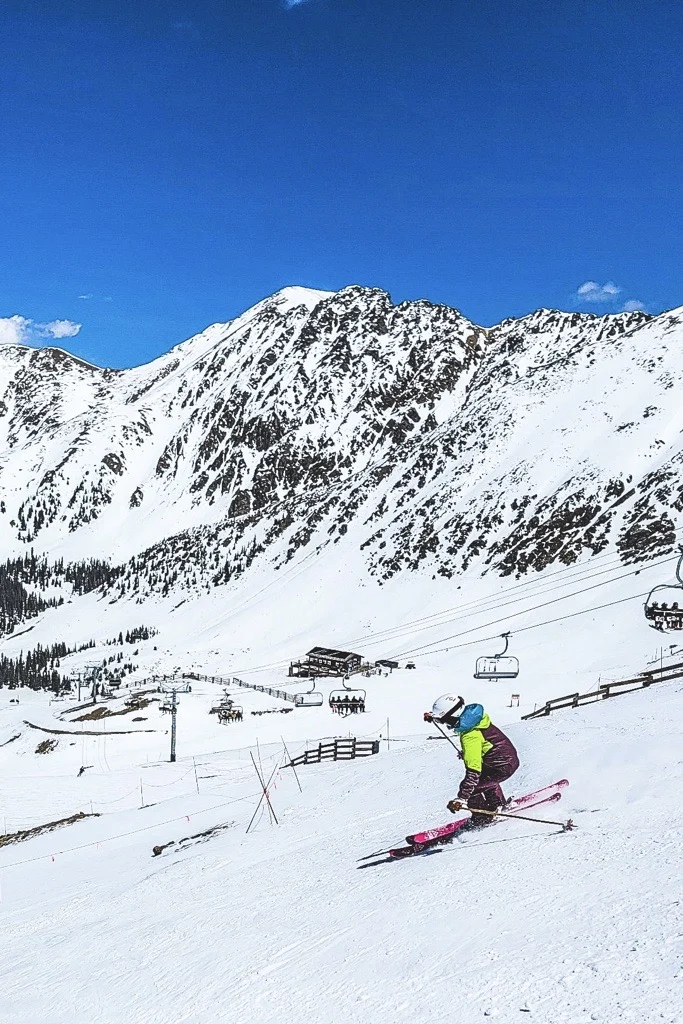
Katherine Fuller, the Director of Marketing and Communications for the Professional Ski Instructors of America and American Association of Snowboard Instructors (PSIA-AASI), recently embarked on a five-week intermediate snowsports lesson program at Eldora Mountain, a decision that profoundly reshaped her relationship with skiing. This personal journey, undertaken anonymously and at her own expense, offers compelling insights into the efficacy of professional instruction, the psychological barriers faced by adult learners, and the broader mission of organizations dedicated to fostering snowsports excellence. Ms. Fuller’s experience underscores the critical role of certified instructors in not only refining technical skills but also in building confidence and a lasting sense of belonging on the mountain.
The Catalyst: A Return to the Classroom
Ms. Fuller’s decision to enroll in Eldora Mountain’s five-week intermediate lesson program marked her first formal snowsports lesson in nearly a decade. This was a significant departure from her professional role, where she typically champions the value of instruction from an organizational perspective. Her motivation was deeply personal: despite working within the snowsports industry since 2019, having learned to snowboard in her 20s and ski in her 30s, she had long grappled with a pervasive sense of inadequacy on the slopes. Skiing frequently with more advanced peers, she found herself trapped in a cycle of self-comparison, leading to a plateau in her skills, the entrenchment of bad habits, and an increasing struggle with fear and self-doubt. This internal conflict was compounded by her professional position, where she felt like a "fraud" for not embodying the expert skier persona often associated with the industry.
Her initial apprehension was palpable, particularly given her longstanding battle with acrophobia, which typically manifested as panic during lift rides. Yet, on the second lift ride of the first day, after instructors had carefully assessed and grouped the 40 or so women in the program, Ms. Fuller reported an unexpected wave of calm. This initial shift hinted at the profound psychological impact that a structured, supportive learning environment, guided by professionals, could have. To maintain objectivity and avoid any special treatment, she consciously chose not to disclose her affiliation with PSIA-AASI, presenting herself simply as an individual committed to improvement. This anonymity allowed her to fully immerse herself in the student experience, free from the pressures of her professional identity.
Eldora Mountain: A Hub for Skill Development
Eldora Mountain, located in Boulder County, Colorado, is a significant regional ski area known for its accessibility from the Denver metropolitan area and its diverse terrain. Beyond its recreational offerings, Eldora has established itself as a proponent of snowsports education, offering a range of programs designed to cater to various skill levels, from beginners to advanced intermediates. The five-week intermediate lesson program, specifically designed for women, exemplifies Eldora’s commitment to creating specialized learning environments that address the unique needs and comfort levels of different demographics. Such multi-week programs are recognized within the industry as highly effective for skill progression and fostering a sense of community among participants, leading to higher retention rates in snowsports. According to a 2022-2023 report by the National Ski Areas Association (NSAA), ski and snowboard lessons saw a significant increase in participation, with adult lessons, in particular, demonstrating robust demand, highlighting the growing recognition among enthusiasts of the value of professional instruction for continued development and enjoyment.
The Shadow of Mediocrity: Addressing Adult Learner Challenges
Ms. Fuller’s narrative powerfully articulates the common struggles faced by adult learners in sports. Unlike children who often pick up skills with less inhibition, adults frequently carry pre-existing fears, self-consciousness, and a strong desire to perform well, which can paradoxically hinder progress. The comparison trap, where individuals measure their abilities against those perceived as more talented, is a significant confidence killer. For many, reaching an "intermediate plateau" is a common experience, characterized by the inability to advance beyond a certain skill level despite repeated efforts. This can lead to frustration, decreased enjoyment, and, ultimately, a decline in participation.
The snowsports industry continually seeks strategies to retain participants beyond the beginner stage. Professional instruction plays a crucial role here, as instructors are trained to identify and address not only technical deficiencies but also psychological barriers such as fear, anxiety, and self-doubt. By creating a safe, supportive, and non-judgmental learning environment, instructors can empower adult learners to break through plateaus and rediscover the joy of the sport. Ms. Fuller’s experience of finally being grouped with "peers" was a revelation, removing the pressure to "prove anything" and allowing her to externalize some of the burden of self-management and improvement to a professional. This shift enabled her to be more present and receptive to learning, highlighting a key benefit of structured lessons over self-directed practice.
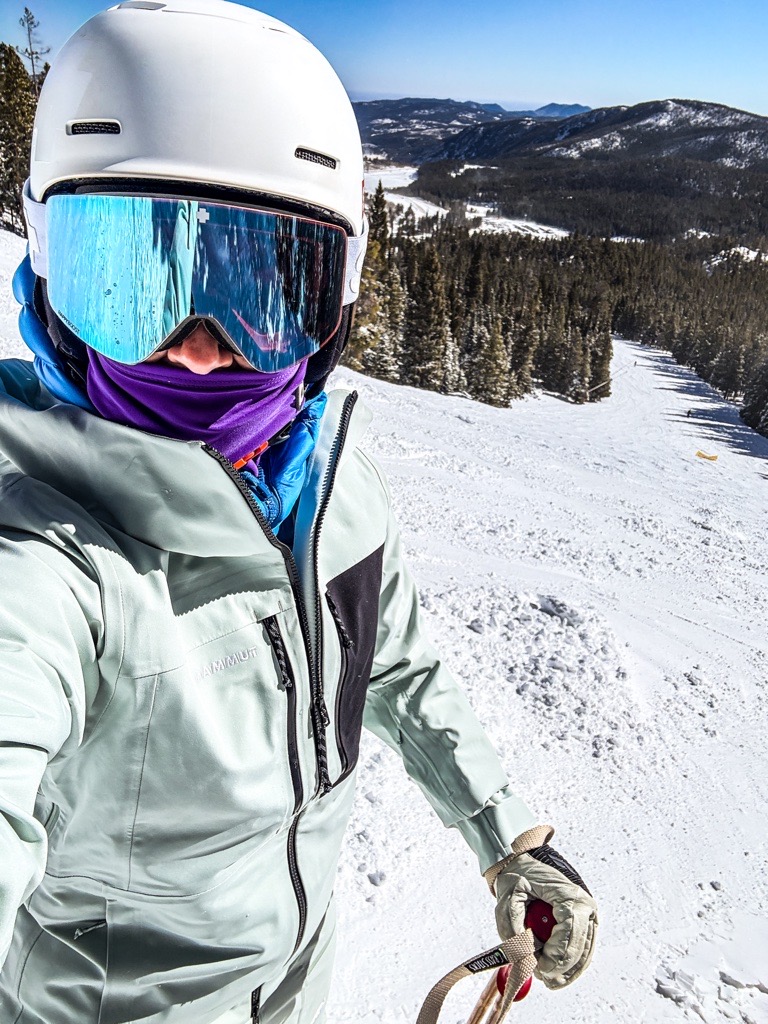
PSIA-AASI’s Role in Instructor Excellence
PSIA-AASI is the leading educational organization for snowsports instructors in the United States, setting the national standards for instruction and certification in alpine skiing, snowboarding, telemark skiing, and adaptive snowsports. Its mission is to create a community of passionate and professional instructors who can inspire a lifelong love of snowsports. The organization’s rigorous certification process ensures that instructors possess not only advanced technical skills but also a deep understanding of teaching methodologies and the psychology of learning. This commitment to excellence is embodied in its "Learning Connection" model and "Teaching Skills Fundamentals," which provide a framework for effective instruction.
Ms. Fuller’s journey serves as a powerful testament to the value proposition of PSIA-AASI certified instructors. Her experience, from the perspective of an internal stakeholder, validates the organization’s core tenets: that quality instruction is transformative, that certified professionals are uniquely equipped to address diverse learner needs, and that the impact extends far beyond mere technical proficiency. Her participation, albeit incognito, effectively functioned as an internal audit, confirming that the principles PSIA-AASI advocates are indeed practiced effectively by its certified members on the slopes.
The Chronology of Transformation: Five Weeks to Mastery
The five-week program, spanning 15 hours across five days, provided a structured and progressive learning environment. Ms. Fuller’s initial sense of calm on the lift was a precursor to a more profound transformation. The consistent presence of a professional instructor, Lindsey, an Alpine Level II certified instructor, youth freestyle coach, graduate student, and fiction author, allowed for continuous observation, personalized feedback, and the gradual building of trust. This extended format, unlike single-day lessons, facilitates deeper learning and skill retention, allowing students to integrate new techniques over time and practice them in varied conditions.
Ms. Fuller was initially grouped with what was deemed "intermediate plus" skiers, a group characterized by respectable technique and speed, but she herself admitted to being the "most squirrely" despite her speed. This self-assessment underscores her self-awareness regarding her ingrained habits and her desire for fundamental improvement. The program’s design, which included individualized instruction within a group setting, proved crucial. Lindsey’s ability to cater to the specific needs of each participant, even within a seemingly homogenous group, showcased the adaptive nature of expert instruction.
The "Aha Moment": Precision Instruction in Action
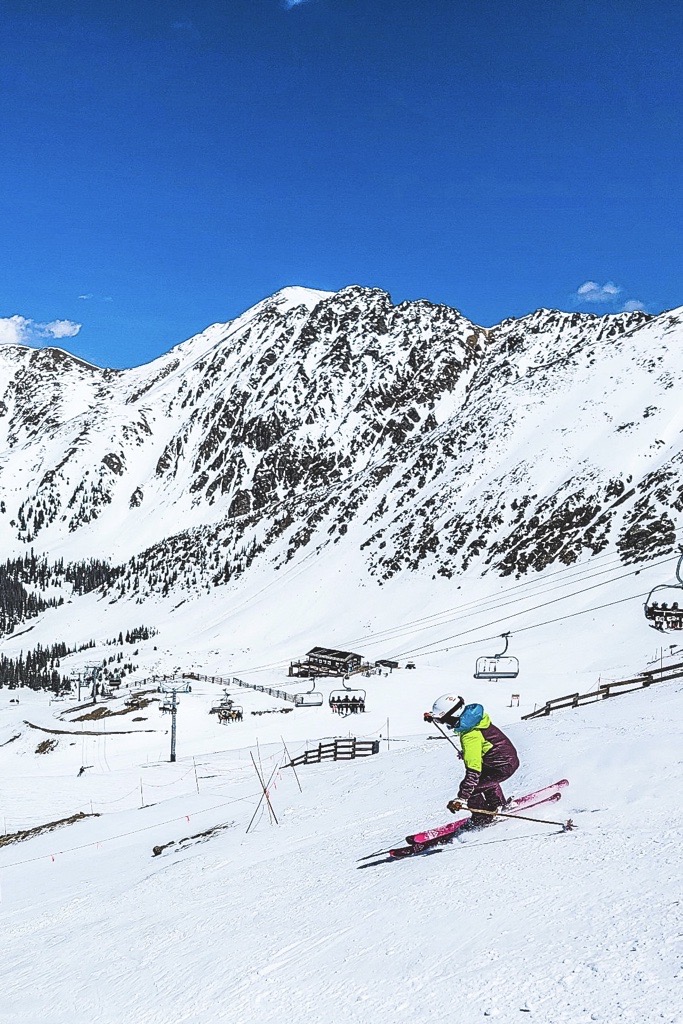
The pivotal moment in Ms. Fuller’s transformation occurred on day three. Her skiing had historically been inconsistent, often crumbling on icy patches—a common challenge for skiers accustomed to the pristine conditions of the Rocky Mountains. She recognized the need for improvement but lacked the specific knowledge to identify and correct her own deficiencies. Lindsey’s intervention was remarkably concise yet profoundly effective. With a simple tap of a ski pole and three words, "Widen your stance," her skiing was revolutionized.
Ms. Fuller’s immediate reaction was one of confusion ("Huh?"), but her commitment to abandoning ego and simply following instructions proved instrumental. The initial turns felt awkward, but swiftly, she experienced an unprecedented sense of stability and control. This newfound stability allowed her to push harder and, for the first time, experience the elusive "flow state"—a meditative trance she had previously only found in mountain biking. This emotional breakthrough, coupled with the technical improvement, was a powerful validation of Lindsey’s instruction.
Later, Lindsey provided the critical context, explaining that a wider stance allowed Ms. Fuller sufficient space to fully engage the edges of her 90mm-underfoot skis. This biomechanical adjustment, building on previous lessons, unlocked her ability to carve more effectively and maintain control, particularly on varied terrain. This moment perfectly illustrates the PSIA-AASI principle of providing timely, targeted feedback that addresses the root cause of a technical issue, rather than merely addressing symptoms. The instructor’s ability to diagnose and prescribe the precise adjustment, followed by a clear, concise explanation, cemented the learning and allowed Ms. Fuller to internalize the change.
Deconstructing Expert Pedagogy: Lindsey’s Approach
Upon reflection, Ms. Fuller recognized that Lindsey’s teaching methodology aligned perfectly with PSIA-AASI’s "Teaching Skills Fundamentals," which guide instructors in creating effective learning experiences. While the original article did not list these fundamentals, they typically encompass areas such as:
- People Skills: Building rapport, understanding student needs, fostering a positive learning environment. Lindsey’s calm demeanor, patience, and ability to make students feel comfortable are prime examples.
- Teaching Skills: Planning lessons, demonstrating, observing, analyzing, and providing feedback. Her concise "widen your stance" feedback and subsequent explanation demonstrate targeted teaching.
- Technical Skills: Mastery of the sport and understanding of biomechanics. Lindsey’s own fluid demonstrations and understanding of ski dynamics (e.g., ski width and edging) exemplify this.
- Professionalism: Adhering to safety standards, maintaining ethical conduct, continuous self-improvement. Her terrain choices based on patrol reports showcased this.
Lindsey’s approach was characterized by a minimalist communication style when it came to direct instruction, preferring to encourage student-to-student interaction on lift rides through simple discussion prompts. This fostered a collaborative learning environment and allowed students to process and articulate their experiences. When she did provide feedback, it was always "targeted and productive," devoid of "pontificating" or "over-explaining," ensuring that the group remained engaged and actively moving. This method aligns with modern pedagogical research, which suggests that concise, actionable feedback is more effective than lengthy explanations, especially in dynamic learning environments.
Beyond Technique: Building Confidence and Reducing Fear
A significant aspect of Lindsey’s success lay not just in technical instruction but in her profound ability to reduce uncertainty and fear, thereby instilling confidence. This psychological dimension of instruction is often as crucial, if not more so, than the purely physical. For Ms. Fuller, who carried years of fear and self-consciousness, this was transformative.
Lindsey’s innovative use of yoga references, for example, helped students connect with their bodies and positions in space, a technique Ms. Fuller has since incorporated into her daily ski routine. This demonstrates an instructor’s ability to draw upon diverse knowledge bases to make learning more accessible and relevant to students. Furthermore, Lindsey’s judicious withholding of in-depth explanations, especially when asked for extraneous details, prevented cognitive overload. While initially causing anxiety for some participants, this disciplined approach ensured that students focused on the most critical, actionable information, preventing distraction and facilitating deeper practice. This strategic control of information flow is a hallmark of expert teaching, allowing students to truly "listen-ski-repeat" without unnecessary mental clutter.
Navigating the Mountain: The Value of a Competent Guide
Another unexpected yet profoundly helpful aspect of Lindsey’s instruction was her constant narration of terrain choices. In a season marked by less-than-ideal snow conditions in Colorado, her detailed knowledge of Eldora Mountain, combined with real-time updates from ski patrol, allowed her to expertly guide the group to optimal runs. Phrases like, "I checked with patrol this morning and X run is thin and icy after grooming, so we’re going to skip it today," immediately alleviated anxieties and built trust. Students always knew what to expect, eliminating the mental burden of evaluating terrain suitability.
This proactive terrain management goes beyond mere safety; it cultivates a sense of psychological security. For intermediate skiers, the uncertainty of encountering unexpected conditions can be a major source of fear and frustration. By removing this variable, Lindsey allowed her students to focus entirely on their skiing and the lessons at hand, rather than worrying about what lay ahead. This demonstrated that a competent guide offers not just technical expertise but also logistical mastery and a profound understanding of the student experience, enhancing overall enjoyment and reducing barriers to learning.
A New Relationship with Skiing: Lasting Impact
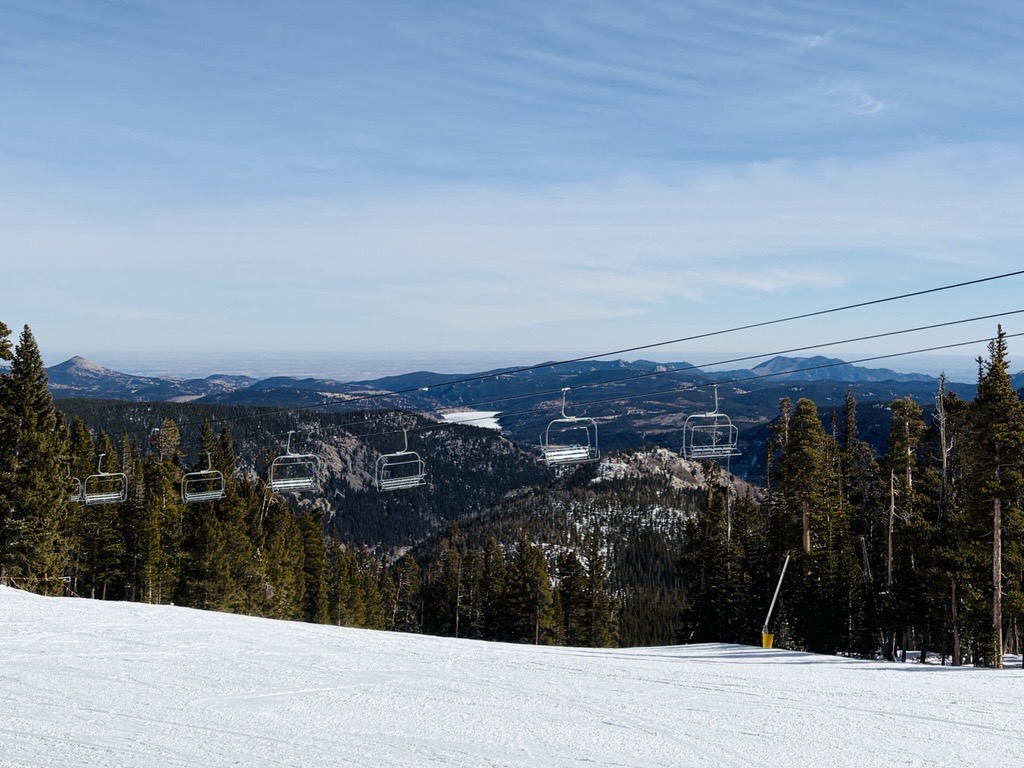
The culmination of the five-week program for Ms. Fuller was not merely the acquisition of new skills but a fundamental shift in her relationship with skiing. What began as a desperate need to "get better" transformed into a genuine joy and a deep-seated sense of belonging. The specific stance adjustment, while immediately impactful, was part of a larger foundation of trust and technical proficiency that Lindsey helped her build.
This transformation was evident in her post-lesson experiences. A month later, during the National Academy at Copper Mountain, Ms. Fuller found herself confidently skiing a run she had previously approached with apprehension due to its unpredictable conditions. Her "newfound, grounded-in-reality confidence" allowed her to trust her abilities, resulting in a feeling of freedom and exhilaration. Her spontaneous laughter, noted by a long-time instructor and ski resort executive as a "giggler," was a powerful external manifestation of her internal joy and sense of belonging. This anecdote underscores the profound emotional impact that effective instruction can have, moving beyond mere performance metrics to foster genuine passion and connection to the sport.
A week after the Academy, Ms. Fuller returned to a ski area where she used to work. Despite limited late-spring terrain, she confronted a run she had long feared. Her initial thought, "Oh, this IS steep," was quickly followed by decisive action: "And then I just did it." This act of confronting and conquering a long-standing fear, a direct consequence of her instruction, powerfully illustrates the transformative potential of expert guidance. It highlights that the impact of a good instructor extends beyond technical prowess; it fundamentally changes an individual’s self-perception and empowers them to overcome psychological barriers.
Broader Implications for the Snowsports Industry
Ms. Fuller’s experience carries significant implications for the snowsports industry as a whole. It validates the immense value of professional instruction, particularly for adult learners who are crucial for sustained industry growth. Investing in high-quality lesson programs and continuously supporting the training and certification of instructors, as advocated by PSIA-AASI, is not just about improving individual skills; it’s about enhancing the overall guest experience, fostering loyalty, and ensuring the long-term vitality of snowsports.
The feedback Ms. Fuller provides, detailing the nuances of Lindsey’s teaching and its profound impact, is invaluable. Instructors often receive general "thank yous" but rarely comprehensive feedback on the deeper, transformative effects of their work. This article serves as a crucial piece of qualitative data, demonstrating how compassionate, skilled instruction can directly address complex psychological barriers like acrophobia and imposter syndrome, leading to increased participation, enjoyment, and a stronger sense of community on the slopes.
Conclusion: The Power of Belonging
Katherine Fuller’s journey from a self-conscious, fear-ridden "fraud" to a joyful, confident skier who "giggles" down the mountain is a compelling narrative of personal transformation. It is a powerful testament to the profound impact of professional snowsports instruction. Lindsey, her certified instructor, did more than just teach her how to widen her stance; she provided a carefully constructed learning environment that fostered trust, reduced fear, and built genuine confidence. Her compassionate, yet disciplined, approach—rooted in PSIA-AASI fundamentals—demonstrated that true instruction transcends technical drills. It’s about understanding the student holistically, addressing their fears, and ultimately, granting them the invaluable gift of belonging. This story reinforces the fundamental truth that for many, especially adults, the greatest barrier to enjoying snowsports is not physical inability but psychological apprehension, and that a skilled instructor is the most effective guide across that divide.
