

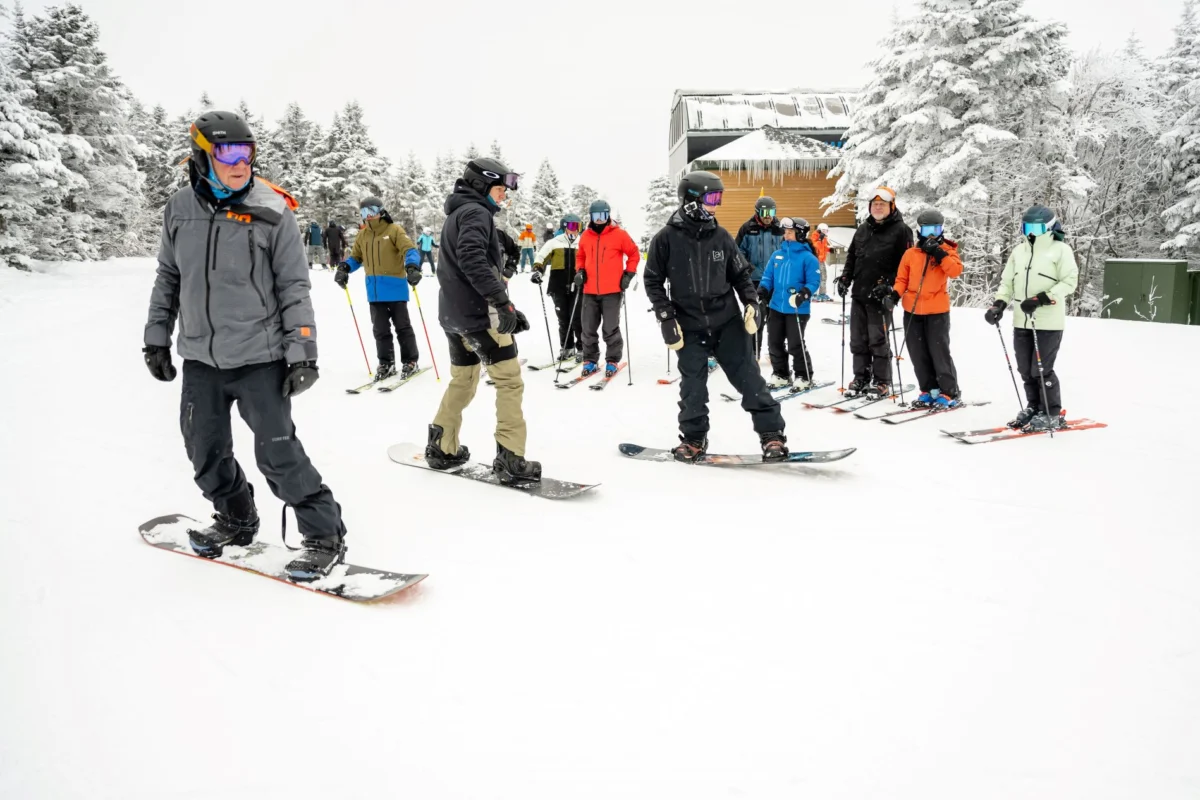
As snowsports instructors navigate the distinct rhythms of their profession, a fascinating parallel emerges between their career development paths and the fundamental structures found in the natural world: the taproot and the fibrous root systems. This analogy, championed by Angelo Ross, PSIA-AASI Education Development Manager, offers a fresh perspective on the value of both specialized expertise and broad versatility within the snowsports instruction ecosystem. While the winter months demand intense focus on teaching and skill refinement, the off-season provides a crucial period for instructors to reflect, replenish, and strategically plan their professional growth.
The Cyclical Nature of Snowsports Instruction
For thousands of snowsports instructors across North America, life operates on a cyclical calendar dictated by the seasons. Winter brings the invigorating rush of mountains, the camaraderie of snowsports families, and the profound satisfaction of guiding individuals—from novices to aspiring experts—to master the art of sliding on snow. This period is characterized by intensive teaching, ongoing training, and the constant maintenance of specialized gear. However, as the snow melts and resorts transition to summer operations, instructors pivot to other pursuits. Skis and snowboards are often swapped for kayaks, bikes, hiking boots, or climbing gear, marking a shift to activities that replenish energy and offer different forms of engagement with the outdoors. This seasonal ebb and flow, while seemingly a break, is an integral part of an instructor’s professional life, offering a chance for rejuvenation and a different kind of growth.
The Professional Ski Instructors of America and American Association of Snowboard Instructors (PSIA-AASI), the largest snowsports education organization in the world, plays a pivotal role in this cycle. With over 33,000 members, PSIA-AASI establishes national standards for ski and snowboard instruction, offering a comprehensive certification system that guides instructors through progressive levels of mastery. This framework supports instructors not just in their on-snow technique, but also in their understanding of teaching methodologies, guest service, and professional conduct. The organization’s education development managers, like Angelo Ross, are at the forefront of shaping these pathways, continually emphasizing that professional development is an ongoing, year-round commitment.
Lessons from the Biology Classroom: Specialists vs. Generalists
Ross’s insights were sparked during a seemingly mundane summertime ritual: weeding a flagstone patio. This activity brought him face-to-face with the resilience and varied structures of plant root systems—taproots and fibrous roots. Taproots, like those of a carrot, are characterized by a single, thick root that delves deep into the soil, anchoring the plant firmly and accessing water and nutrients from lower strata. Fibrous root systems, common in grasses, form broad, shallow networks of many smaller roots, providing excellent surface stability and efficiently absorbing moisture and nutrients from the topsoil. Both architectures, despite their differences, are highly effective strategies for survival and thriving, demonstrating distinct strengths and adaptive capabilities.
This biological observation serves as a powerful metaphor for professional development within snowsports. In ecology, species are often categorized as either specialists or generalists. Specialists occupy narrow ecological niches, excelling at specific tasks or utilizing limited resources. Wolves, with their focused predation on elk, and koalas, with their exclusive eucalyptus diet, are prime examples. They are exceptionally good at what they do within their defined parameters. Generalists, conversely, possess a diverse diet and inhabit a wide range, exhibiting adaptability across various environments. Coyotes, consuming carrion and small prey, and dandelions, thriving in diverse conditions and providing early spring sustenance for pollinators, exemplify the generalist strategy. Both strategies are not only successful but also vital for the health and resilience of their respective ecosystems.
Applying the Metaphor to Snowsports Professional Development
In the context of snowsports instruction, this specialist-generalist dichotomy translates directly to instructor credentialing and career paths. PSIA-AASI certifications are structured in levels (Level I, Level II, Level III) across various disciplines (Alpine, Snowboard, Telemark, Adaptive) and include specialist credentials (Children’s Specialist, Freestyle Specialist, Senior Specialist).
The Taproot: Celebrating the Specialists
Society often reveres specialists, viewing terminal degrees in academia or Level III certifications in snowsports as pinnacles of achievement and ultimate authorities. A Level III instructor embodies the "taproot" approach to professional development. These individuals have typically dedicated immense time, energy, and focused effort to achieve mastery in a specific discipline. Their expertise is deep, precise, and highly refined, allowing them to tackle the most challenging terrain, complex techniques, and demanding student needs within their chosen specialization.
For instance, a Level III Alpine instructor might be the go-to expert for advanced bump lessons on steep, challenging slopes, or for refining high-performance carving techniques. Their profound understanding of biomechanics, snow dynamics, and advanced teaching progressions enables them to deliver exceptional results in highly specific scenarios. Snowsports schools value these specialists for their ability to elevate the overall instructional quality, mentor less experienced instructors, and attract high-end clientele seeking expert guidance. According to industry surveys, advanced instructors (Level III) often command higher lesson rates and are crucial for developing cutting-edge curricula and training programs within a school. Their presence often enhances a school’s reputation for excellence and attracts a discerning segment of the market.
The Fibrous Root Network: Honoring the Generalists
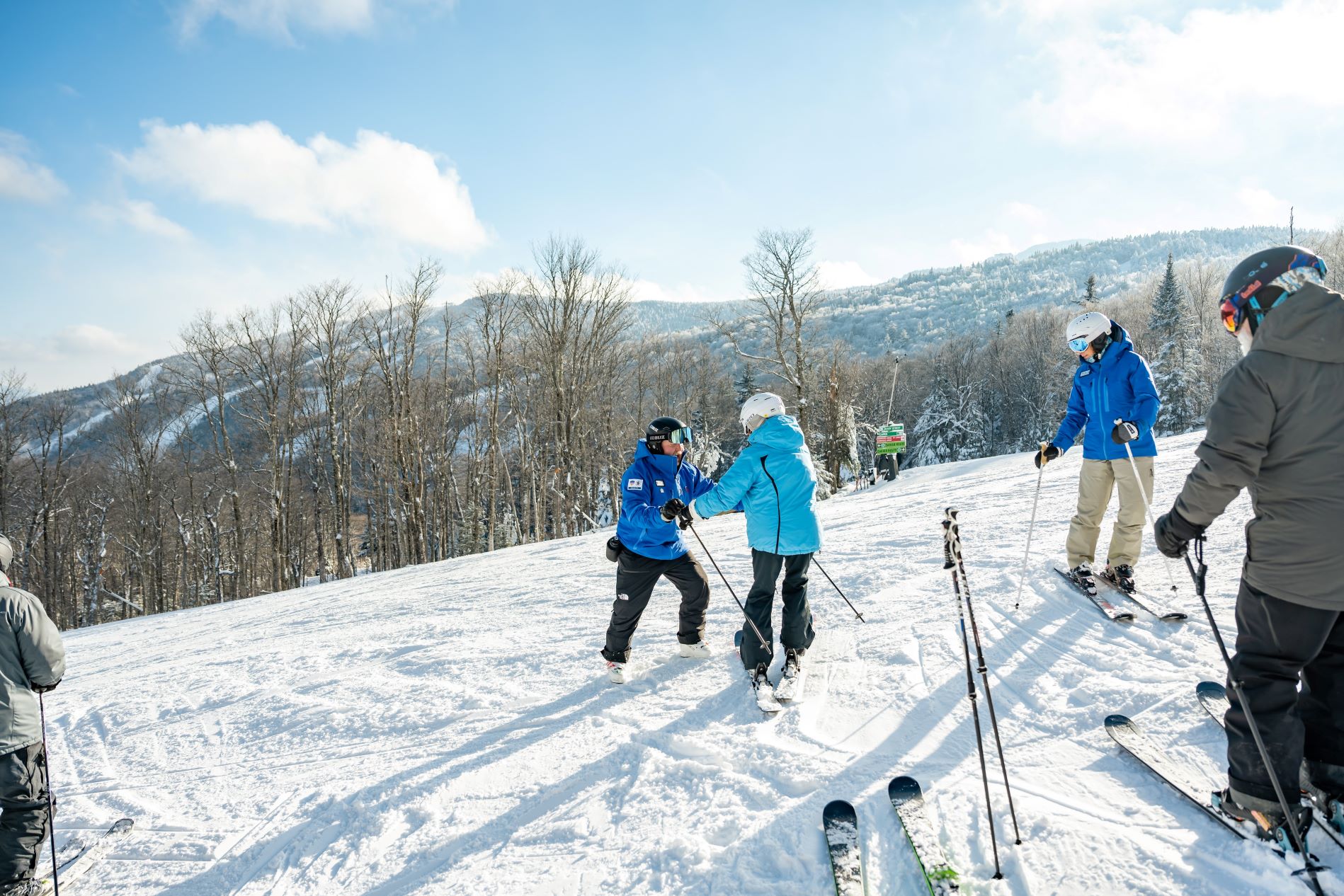
While specialists are undeniably critical, the "fibrous root" approach to professional development—that of the generalist instructor—is equally vital and often underestimated. These instructors possess a broad range of skills across multiple disciplines or hold several specialist credentials. An instructor certified Level I in Alpine, Level I in Snowboard, and holding a Children’s Specialist (CS1) credential, for example, represents this versatile profile. They may not have the deep, singular mastery of a Level III specialist in one area, but their broad skill set makes them incredibly adaptable and valuable in a diverse operational environment.
Consider the practical demands of a bustling snowsports school. A significant portion of daily lessons involves beginner to intermediate students, families with varying skill levels and interests, or groups where some want to ski and others want to snowboard. In such scenarios, the generalist instructor shines. An instructor proficient in both skiing and snowboarding, with an understanding of child psychology and development, is uniquely suited to lead a multi-discipline family lesson, seamlessly transitioning between teaching different techniques and adapting to various age groups and learning styles. This versatility is not merely a convenience; it’s an operational necessity that allows schools to efficiently manage their lesson inventory and cater to a wider demographic. Data from snowsports schools often indicate a high demand for instructors capable of teaching multiple disciplines, particularly at beginner and intermediate levels, which constitute the largest segment of the market.
Demand Dynamics and Ecosystem Health
The health of the snowsports instruction "ecosystem" depends on a robust variety of both specialists and generalists. Just as wolves and coyotes, koalas and dandelions, each play distinct and essential roles in their natural environments, so too do different types of instructors contribute uniquely to the vibrancy and effectiveness of snowsports education.
- Specialists provide depth, pushing the boundaries of technique and theory, and serving as mentors and leaders in their specific domains. They are the driving force behind advanced programs and elite training.
- Generalists provide breadth, ensuring accessibility, adaptability, and the ability to serve a wide range of students and lesson types. They are often the first point of contact for new participants, crucial for fostering initial enthusiasm and lifelong engagement with snowsports.
This balance is reflected in the staffing strategies of successful snowsports schools. While a few Level III instructors might anchor the advanced programs, a larger pool of versatile Level I and Level II instructors with specialist credentials forms the backbone of daily operations, handling the majority of lessons and adapting to fluctuating demands. Snowsports school directors often express the need for a diverse instructor pool that can meet the varied requests of their clientele, from private, high-performance coaching to large group lessons for first-timers.
Addressing the Self-Deprecation: Value in Every Role
Angelo Ross points out a common pitfall: instructors sometimes deprecate their own achievements, describing themselves as "just a Level II and CS1" or "only a Level I in alpine and snowboard." This self-assessment misunderstands the immense value of their contributions. Dandelions, often dismissed as weeds, are crucial early food sources for pollinators. White clover, another "weed," enriches soil by fixing atmospheric nitrogen, a vital nutrient for other plants and, indirectly, for humans. Moles, often considered pests, aerate the soil and improve water infiltration. In each case, value depends on perspective.
Similarly, an instructor with Level I Alpine, Level I Snowboard, CS1, and FS1 credentials brings an incredibly rich and flexible skill set to the mountain. They might be uniquely positioned to teach a family where children are learning to snowboard, parents are refining their skiing, and a teenager is exploring freestyle elements. This instructor fosters engagement across the family unit, making the overall experience more cohesive and enjoyable. Their ability to connect with diverse learners and adapt to various disciplines is not "just" anything; it is a powerful asset.
Strategic Professional Development: A Path for Every Instructor
The lesson for every snowsports instructor is clear: resilience and continued growth come from understanding and strategically pursuing a development path that aligns with personal interests and industry needs. As the snowsports dormant season gives way to winter, instructors are encouraged to reflect on their intentions for the upcoming season.
- Are you a taproot? Do you feel compelled to drill down, achieving profound mastery and offering unparalleled expertise in a single discipline? This path might involve pursuing a Level III certification, specializing in a niche like adaptive instruction, race coaching, or backcountry guiding, and continuously refining your skills within that specific domain.
- Are you a fibrous root system? Do you thrive on spreading broadly, finding connections among a wide range of experiences, disciplines, and students? This path might involve acquiring certifications in multiple disciplines, pursuing various specialist credentials (Children’s, Freestyle, Senior, Adaptive), and developing a versatile teaching repertoire that allows you to adapt to diverse lesson demands.
Both approaches contribute significantly to the overall strength and adaptability of the snowsports instruction community. The continuous process of building knowledge and skills, whether through deep specialization or broad versatility, enriches individual lives and expands professional capabilities. PSIA-AASI’s comprehensive framework supports both paths, recognizing that a vibrant and effective instruction force requires a diverse array of talents and expertise. Ultimately, the health of the snowsports ecosystem depends on this variety in professional development, ensuring that every student, regardless of their goals or learning style, can find the perfect instructor to guide them on their journey down the mountain.
