

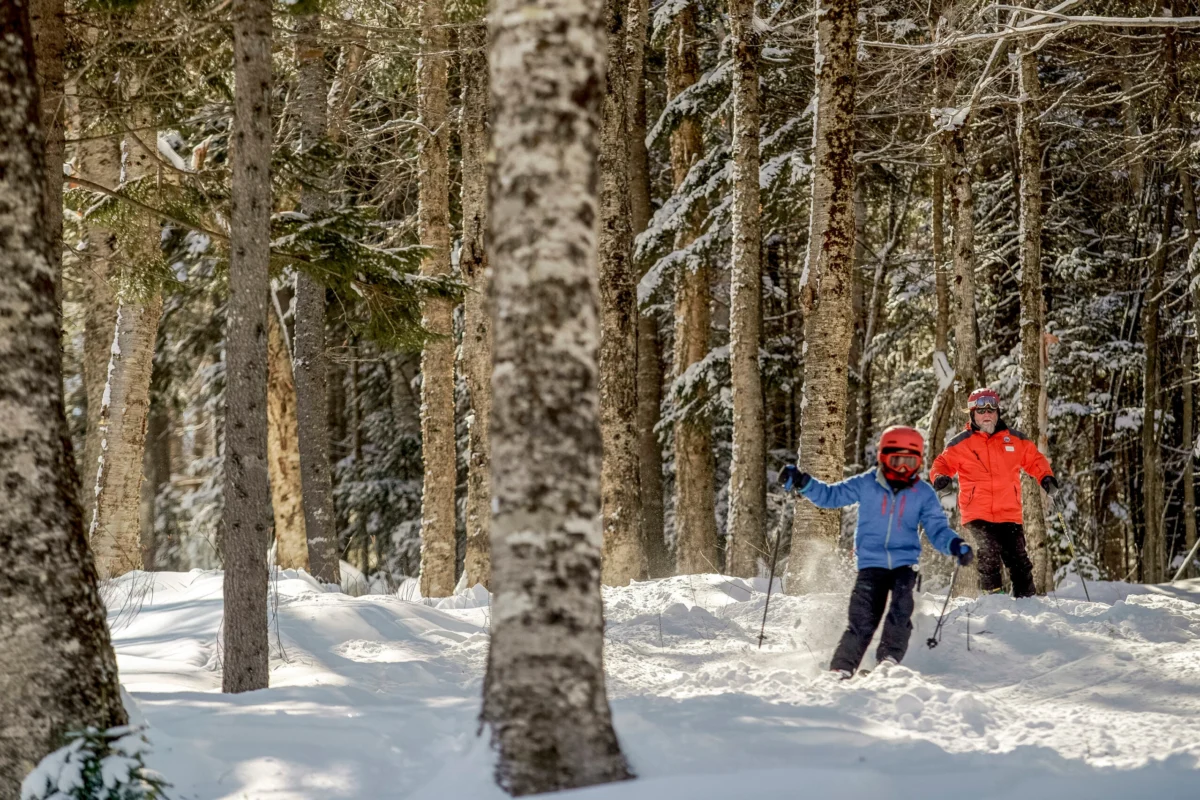
Following a record-breaking winter season characterized by historic snowfall across the Northeastern United States, New Hampshire has emerged as a primary competitor to traditional ski strongholds like Vermont and Maine. While Vermont has historically commanded the lion’s share of regional ski tourism, the 2025-2026 season marked a shift in consumer behavior, with travelers increasingly prioritizing geographic density and variety. New Hampshire’s Mount Washington Valley (MWV) has become the focal point of this trend, offering a "hub-and-spoke" model of tourism that allows visitors to access a diverse array of alpine environments from a single base of operations.
The appeal of the Mount Washington Valley lies in its unique topographical concentration. Unlike Western resorts, where "inter-mountain" travel often necessitates hours of transit or logistical overhauls, the North Conway region serves as a central axis for five distinct ski areas. This proximity allows for a dynamic itinerary that can be adjusted daily based on weather patterns, snow conditions, and the varying skill levels of a travel group. According to industry data from Ski New Hampshire, the state’s primary trade association, the ability to "mountain hop" is a significant driver for the 2.2 million annual skier visits the state typically records.
The Strategic Advantage of the North Conway Hub
The Mount Washington Valley is anchored by North Conway, a town that has evolved from a quiet rail outpost into a premier outdoor recreation capital. The region’s economic infrastructure is built to support high-volume winter tourism, boasting over 100 lodging properties and a robust culinary scene. This density provides a logistical advantage: skiers can remain stationary in their accommodations while sampling the different "personalities" of the surrounding peaks.
Jessyca Keeler, President of Ski New Hampshire, notes that the variety packed into the state’s compact geography is its greatest asset. The strategic benefit for the consumer is the mitigation of "resort fatigue." By rotating through different mountains, skiers avoid the repetition of the same trail networks, while also gaining the ability to chase the best snow. In the White Mountains, micro-climates can vary significantly; a wind-scoured peak in Pinkham Notch may be less desirable on a given day than a sheltered, gladed resort further south, and the MWV layout allows for last-minute pivots.
A Five-Day Chronology of the Mount Washington Valley Circuit
To maximize the regional offerings, industry experts and local guides suggest a five-day progression that scales in intensity and variety. This timeline is designed to balance physical exertion with the logistical convenience of the North Conway base.
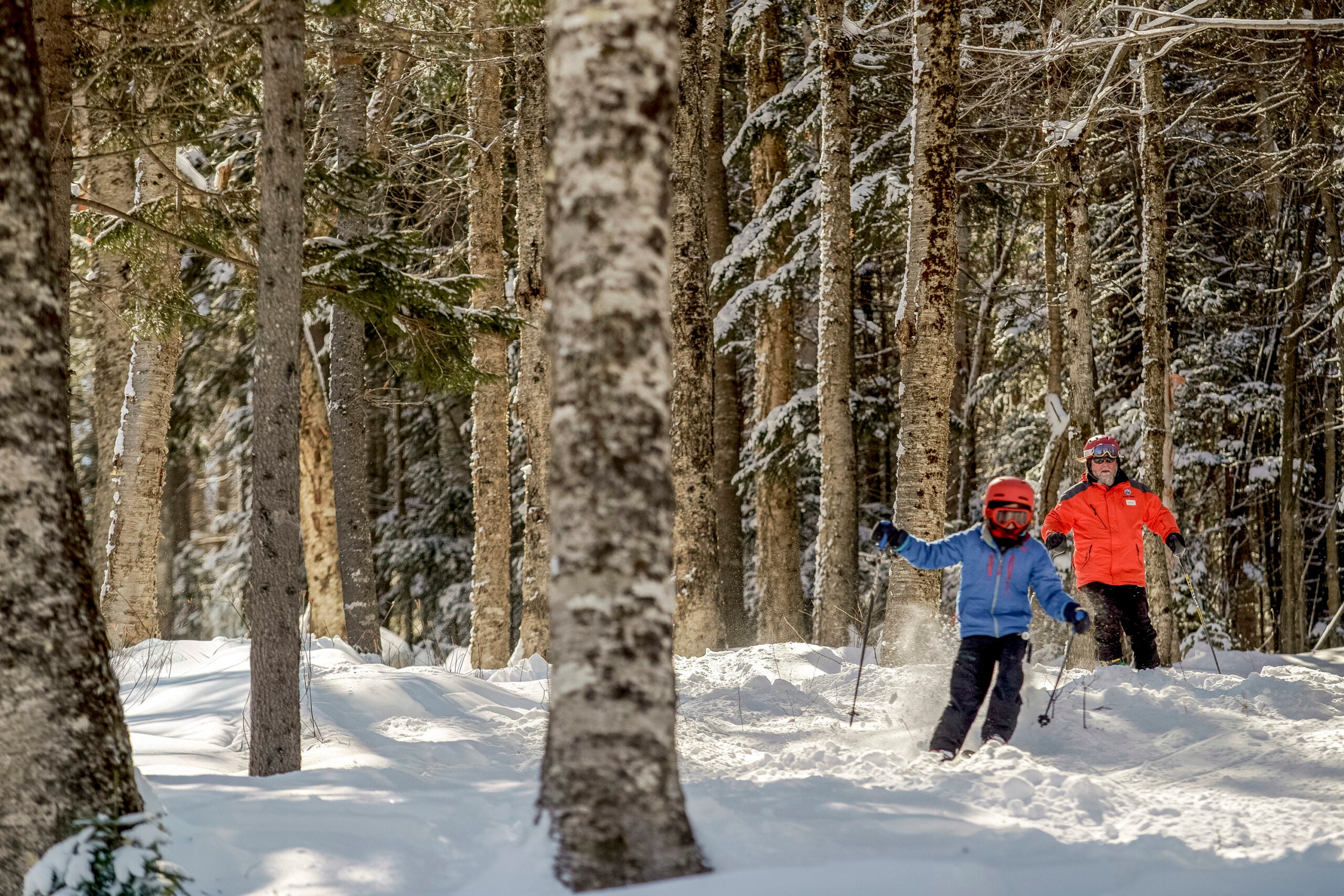
Day One: Technical Acclimation at Cranmore Mountain Resort
The circuit begins at Cranmore Mountain Resort, located less than a mile from the center of North Conway. Established in 1937, Cranmore is one of the oldest ski areas in the United States and served as the home of the Hannes Schneider Ski School, which revolutionized American skiing technique.
Today, the resort features 56 trails and 170 acres of skiable terrain. It serves as an ideal "Day One" destination due to its south-facing slopes, which tend to be warmer and softer in the morning. With a vertical drop of 1,200 feet and a blend of 44% intermediate terrain, it allows visitors to find their "ski legs" without the intimidation of high-alpine exposure. Recent investments, including over $60 million in base area redevelopment and luxury condominiums, have modernized the facility while maintaining its family-centric reputation.
Day Two: The Dual-Peak Experience at Attitash Mountain Resort
Located 15 minutes north in Bartlett, Attitash Mountain Resort offers a significant step up in scale. Part of the Vail Resorts portfolio, Attitash consists of two connected peaks: Attitash and Bear Peak. This configuration provides 68 trails across 311 acres.
Nathan Jones, Patrol Director at Attitash, emphasizes the duality of the resort. While the original Attitash peak features the narrow, winding fall lines characteristic of classic New England "CCC-style" trails, Bear Peak offers wider, modern cruisers and expansive glades. The resort’s 1,750-foot vertical drop and high-speed lift infrastructure—including the recently installed "Mountaineer" high-speed quad—allow for high-volume vertical feet. The ability to toggle between the two peaks provides a sense of exploration that mimics much larger Western resorts.
Day Three: High-Alpine Intensity at Wildcat Mountain
On the third day, the itinerary moves to Wildcat Mountain, situated in Pinkham Notch within the White Mountain National Forest. Wildcat represents the "rugged" side of New Hampshire skiing. It sits directly across from Mount Washington, the highest peak in the Northeast, providing what many consider the best views in Eastern skiing.
Wildcat is defined by its 4,062-foot summit elevation and a 2,112-foot vertical drop—one of the largest in the region. The mountain receives an average of 200 inches of natural snowfall annually, significantly higher than the regional average, due to its high-altitude position in the Presidential Range. Taylor Miller, a representative for Wildcat, notes that the mountain’s challenging glades and steep, sustained pitches are designed for skiers seeking a more raw, "un-manicured" experience. The lack of on-mountain lodging preserves a wilderness atmosphere that is increasingly rare in the modern ski industry.
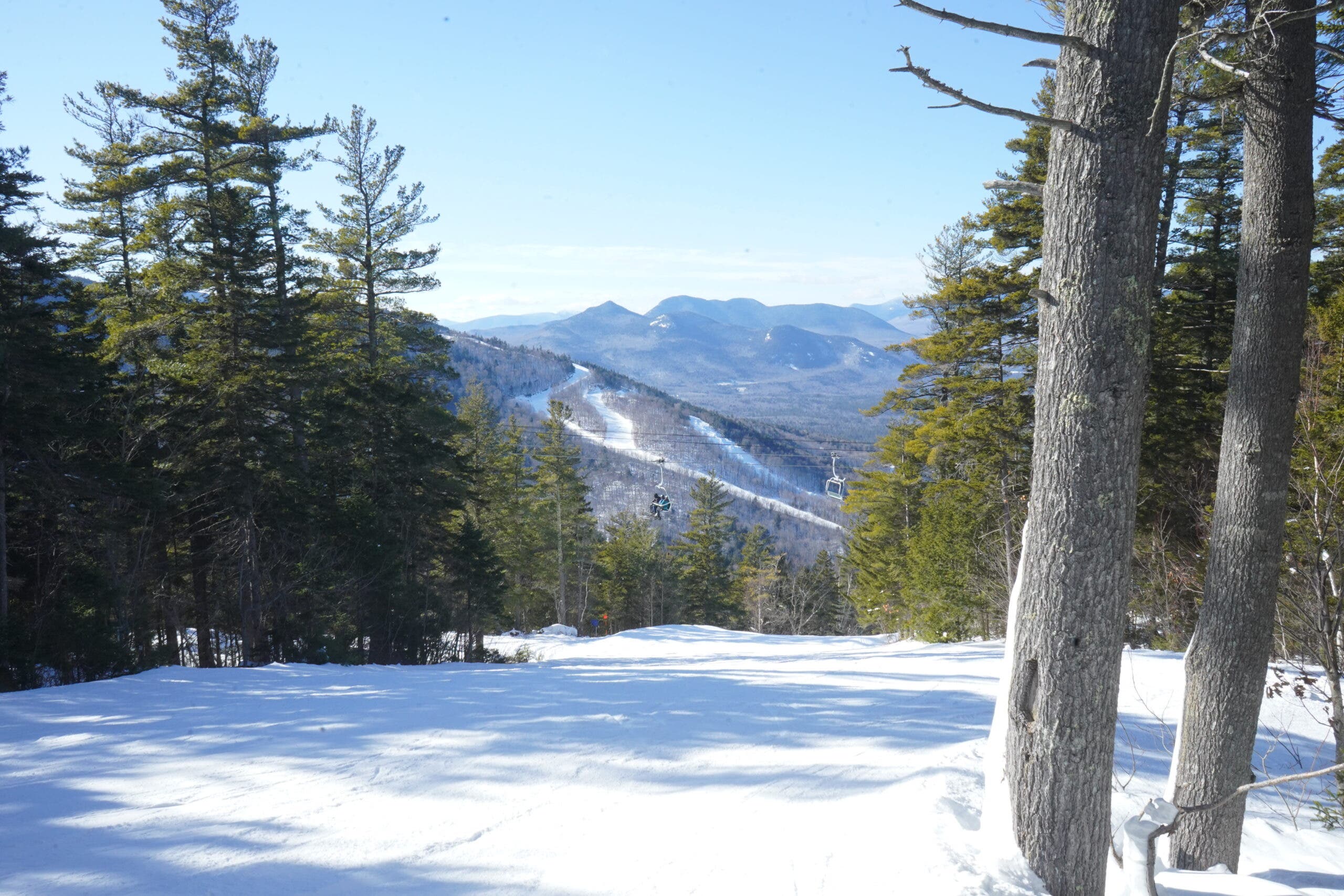
Day One Four: Luxury and Grooming at Bretton Woods
Following the intensity of Wildcat, the circuit moves to Bretton Woods, New Hampshire’s largest ski area. Bretton Woods is consistently ranked as having the best grooming in the East, offering 464 acres of terrain across three peaks.
The resort is anchored by the historic Omni Mount Washington Hotel, a National Historic Landmark where the 1944 Bretton Woods International Monetary Conference was held. The skiing experience here is characterized by the Bretton Woods Skyway Gondola and an emphasis on "corduroy" grooming. With 92% snowmaking coverage, it serves as a reliable destination even during lean snow cycles. It provides a necessary mid-week reprieve, focusing on comfort, high-end dining at the mountaintop Rosebrook Lodge, and expansive, manageable terrain.
Day Five: The Community Finale at King Pine
The itinerary concludes 30 minutes south of North Conway at King Pine Ski Area, located at Purity Spring Resort. While smaller in scale—offering 17 trails and a 350-foot vertical—King Pine is a vital part of the regional ecosystem. It represents the "soul" of New England skiing, focusing on accessibility and community.
King Pine is often the final stop for families or those looking to end their trip with a relaxed, low-pressure day. Beyond its downhill offerings, the resort functions as a multi-sport hub, featuring one of the region’s best-regarded cross-country trail networks, ice skating, and snowshoeing. This variety allows travelers to decompress before their departure while still engaging with the winter landscape.
Data Analysis: The Economic and Climatic Impact
The viability of the Mount Washington Valley as a premier winter destination is backed by significant economic data. Tourism in the White Mountains generates hundreds of millions of dollars in annual revenue for the state of New Hampshire. According to the Institute for New Hampshire Studies, the "Ski Industry" category accounts for approximately 10% of all traveler spending in the state during the winter months.
Furthermore, the concentration of resorts has led to the rise of multi-mountain passes, such as the "Indy Pass" and the "White Mountain Super Pass," which have incentivized the very "itinerary-based" travel described in this report. This shift has helped New Hampshire maintain market share even as climate change creates more volatile winter patterns. By investing heavily in high-efficiency snowmaking—New Hampshire resorts now boast some of the highest snowmaking-to-acreage ratios in the world—the state has mitigated the risks of "thaw-freeze" cycles that can plague lower-elevation destinations.
Industry Reactions and Broader Implications
The "North Conway Model" is currently being studied by other regional tourism boards as a blueprint for sustainable growth. By emphasizing the town as a destination rather than just a single resort, the region has insulated itself against the "monoculture" of single-mountain tourism.
"A multi-mountain trip lets travelers turn a traditional ski trip into a true mountain vacation," says Nathan Jones of Attitash. "You aren’t just visiting a business; you’re visiting a community."
The broader implication for the Northeast ski industry is a move toward "experiential diversity." As lift ticket prices at major corporate resorts continue to rise, the value proposition of a multi-mountain itinerary becomes more attractive. For the price of a single week at a premier Western destination, travelers can experience five distinct mountains in New Hampshire, each offering a different historical context and topographical challenge.
As the 2026 season continues to draw record crowds, the Mount Washington Valley stands as a testament to the enduring appeal of the classic New England winter. Through a combination of historical preservation, aggressive infrastructure investment, and a unique geographic layout, New Hampshire has solidified its position as a primary pillar of the American ski industry. The ability to navigate five mountains from a single hotel room remains a logistical feat that few other regions in the world can replicate, ensuring the valley’s relevance for generations of skiers to come.
